Latest questions answered by experts
I have a 2009 Hero Honda Xtreme that has seen very little use. I am now planning to scrap it and buy something new. I am considering an EV, specifically either the Ather Rizta or the TVS iQube. Which one would you suggest? My daily travel would be around 20-25km. Even if I buy the 2.2kWh version, the range will reduce after a few years due to battery ageing. My main concern is battery longevity and warranty.
Both the Ather Rizta and TVS iQube are great options, and no matter which one you choose, you realistically cannot go wrong with them. The Rizta has much more tech, and even its small battery gives you 105km of real-world range on a single charge. Its boot is also better shaped than the iQube's, which means a good-quality imported full-face helmet will fit inside alongside the charger, provided you thoughtfully arrange everything inside.On the other hand, the TVS iQube is as simple as an electric scooter gets and is a no-nonsense machine which just keeps running without fault day in and day out. TVS's service reach across the country is better than Ather's, so the iQube makes for the logical purchase, but it's not like the Rizta is an outlier. Picking between the two will be made easier once you get a test ride of both and see which one you're leaning toward more.No matter which option you choose, your commute is short enough that a normal amount of range drop after a few years will not majorly affect you.
Hi Autocar team, I regularly follow you and enjoy your reviews. I am looking for a very comfortable two-wheeler with exceptional suspension performance for potholes and bad roads because I suffer from back pain. I currently use a Honda Dio with small tyres (12/10-inch combination), and the ride is not very soft. Even small rumble strips send a jerk through the bike. I am always a solo rider and need your expert advice. I would prefer a scooter for practicality, but a motorcycle is also okay. My budget is around Rs. 1.5 lakh, and I ride about 25km a day in Pune city with occasional highway trips.
No scooter can match a motorcycle for comfort over bad roads, and if you value comfort over everything (and it seems like you do, going by the nature of your query), then going for a bike makes more sense. With your budget, you can get a capable 160cc commuter like the TVS Apache RTR 160 4V, Bajaj Pulsar N160, and Honda SP160 / Unicorn. These bikes are also capable of being quite frugal when ridden sensibly, and you should take a test ride of all three before you make your decision.
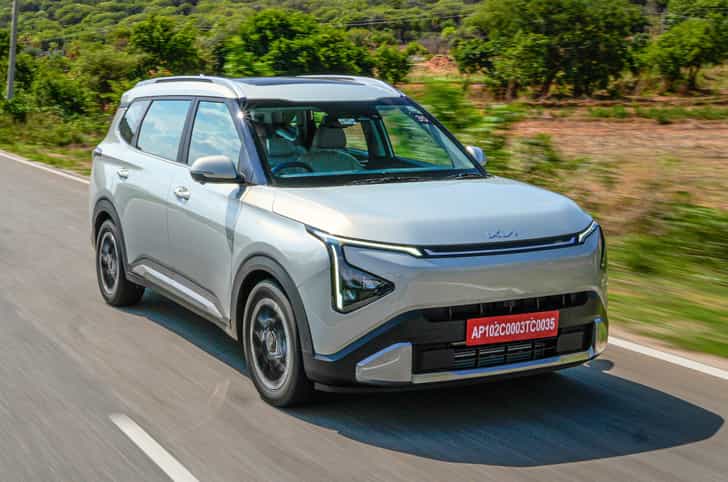
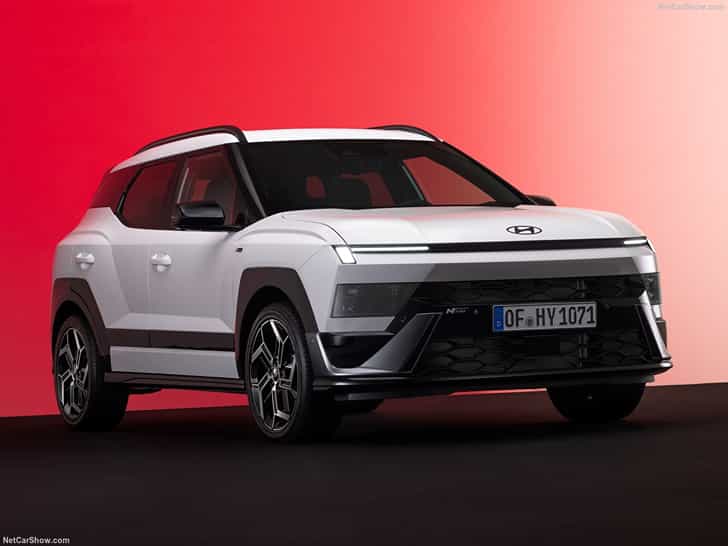
Hi, I’m planning to buy an automatic petrol SUV and am confused between the Kia Seltos HTE(O) IVT Petrol and the Hyundai Venue HX5 DCT Petrol. The on-road price difference is around Rs. 3 lakh, so I want to understand whether the Seltos is truly worth the extra cost. My typical usage includes 3,000-4,000km per year on moderate Indian roads, with occasional city driving. I also do weekend trips with family or friends, usually with 4-5 people. My car may sit idle for 15-20 days at a time. I currently drive a Hyundai i20 diesel manual.
If you have the budget to accommodate the Rs. 3 lakh price difference, go for the Kia Seltos HTE(O) IVT. It is a significantly larger car, so your weekend trips with 4-5 people and luggage will be far easier. It also has a smoother and more refined powertrain overall, and its IVT automatic gearbox works equally well in the city and on the highway. Ride quality is better, the boot is much larger, and rear-seat space is something your passengers will appreciate.As for the Hyundai Venue, while a good SUV on its own, it is simply at a disadvantage for its size, given your intended usage. Its 1.0-litre turbo petrol is more powerful and feels punchier than the Seltos' 1.5 litre NA petrol, but it also suffers from serious turbo lag, and the DCT gearbox can be very clunky at low speeds, both of which are made worse when the car is full up. Thus, overall, the Seltos is just the better choice.Your automatic gearbox should have no real issue with sitting idle for 15-20 days at a time. What needs to be looked out for is the battery, which could discharge, and the fuel in the tank. E20 petrol, which is the norm in India now, can separate into petrol and ethanol if it comes in contact with moisture, which is a possibility when the car is left idle for a long. It is thus advisable in any case to run the car, even briefly, at least once a week.
Autocar, kindly suggest whether I should go for the Citroen Basalt X Turbo Max 2025 model at a reduced price of around Rs. 12.5 lakh or the Toyota Hyryder S Petrol. My running is around 30km per day in bumper-to-bumper traffic, and I do a 300km highway trip once a month. I currently own a Taigun 1.0 TSI petrol, but its mileage is very low.
Considering your usage, we would recommend the Toyota Uran Cruiser Hyryder S Petrol over the Citroen Basalt X Turbo Max, even with the attractive discount on the Citroen.Your daily running of around 30km in bumper-to-bumper traffic and a 300km highway trip once a month doesn't justify a turbo-petrol purely from an efficiency standpoint. Since you're already finding your Taigun 1.0 TSI thirsty, the Basalt's 1.2-litre turbo-petrol is unlikely to deliver the kind of fuel economy improvement you're looking for, even though it offers a comfortable ride and excellent value at the discounted price.The Hyryder S Petrol with its 1.5-litre naturally aspirated engine and mild-hybrid system is likely to be more fuel efficient in your usage, while also offering Toyota's reputation for reliability and low maintenance. It may not feel as punchy as the Citroen Basalt Turbo, but it is smoother and should prove to be the more economical long-term ownership proposition.
I drive a 2014 Honda Amaze and am planning to upgrade to either the Mahindra XUV 7XO or the Toyota HyCross. Which is the better option if the budget is not a constraint?
Coming from a 2014 Honda Amaze, both the HyCross and the Mahindra XUV 7XO will feel like a massive upgrade. However, the HyCross is the more rounded family car. It offers exceptional rear-seat comfort, a smooth and refined strong-hybrid powertrain, excellent fuel efficiency for its size and Toyota's unmatched reputation for long-term reliability and low maintenance. It is also one of the most comfortable long-distance cruisers you can buy in India.The Mahindra XUV 7XO is a very impressive SUV in its own right. It feels more powerful, offers a richer feature list and has a more premium SUV character. If you enjoy driving and prefer a more rugged, commanding feel behind the wheel, it is the more engaging of the two.
Prior to my Innova HyCross, I was driving a Honda CR-V for a very long time. I am thinking of buying the Honda ZR-V, but I am unsure about the product and pricing. Any suggestions from Team Autocar?
If you enjoyed owning the Honda CR-V, the Honda ZR-V will feel like a natural successor. It carries forward the same Honda traits of refinement, comfort and effortless drivability, while adding a modern 2.0-litre strong-hybrid powertrain producing 184hp and 315Nm, paired with an e-CVT.The only caveat is the price. At an expected Rs 40-50 lakh (ex-showroom), the ZR-V comes to India as a full import (CBU), which will make it considerably more expensive than similarly sized SUVs. That's where we feel the value proposition becomes difficult to justify.If you're happy with your Innova HyCross, the ZR-V won't necessarily feel like an upgrade in terms of space or practicality. The HyCross offers a roomier cabin and will arguably be the more versatile family car. The ZR-V is aimed more at buyers who want a premium five-seat crossover with excellent refinement and hybrid efficiency rather than maximum practicality.
Need expert advice?
Ask the Autocar community and experts.