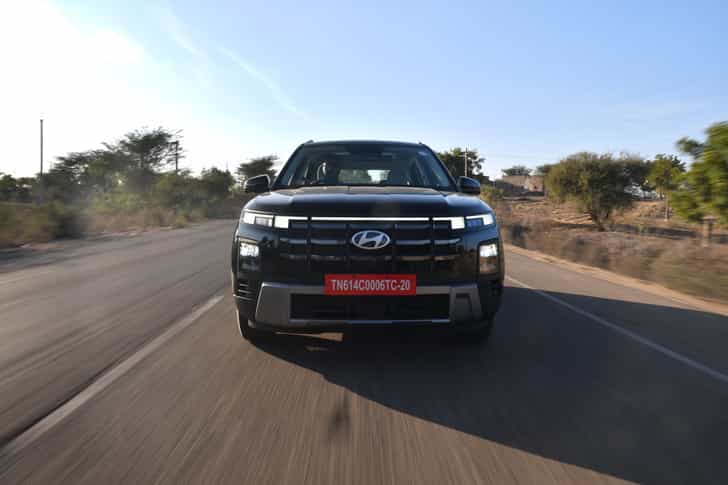
Hi, I am a 27-year-old first-time car buyer from Delhi NCR. My daily commute is around 25 km, including a mix of expressway and city traffic. My monthly running will be around 600 km, with an expected annual running of 7,000-8,000 km. I have access to EV charging at my apartment (Rs. 10/kWh) and at my workplace through a Statiq charger (Rs. 22/kWh). I was considering the Mahindra BE 6 Pack Two 59 kWh, as the car will mostly be used by my wife and me. I may send it to my parents in my hometown after 4-5 years, but not before that. My budget is around Rs. 21-22 lakh. The BE 6 is currently available with a Rs. 1.5 lakh discount, and a new version is expected to be announced soon. Would you recommend buying the BE 6 now, waiting for the updated version in the hope of better discounts, or opting for a Kia Seltos Diesel (Rs. 17-19 lakh) and upgrading to an EV after 4-5 years? I am not considering petrol cars because of concerns regarding E20 and future E25 fuel compatibility.

 Mahindra BE 6Kia Seltos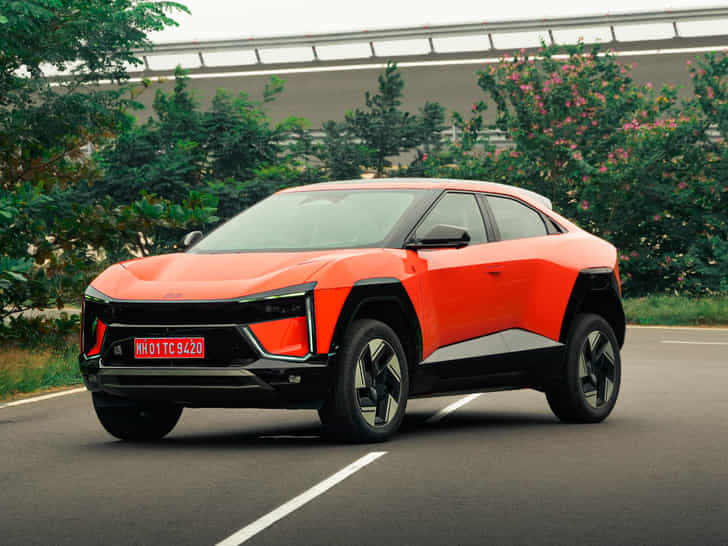
I currently drive a 2015 Renault Duster 85 PS diesel, which was my first car (bought used). I absolutely love its low-end torque, confident handling, compliant suspension, and light off-road capability. Living in a hilly region, I especially enjoy how effortlessly it tackles steep climbs. I'm now planning to upgrade, mainly for modern features and better safety. However, I don't want to lose the driving characteristics that made me love the Duster. With a maximum budget of Rs. 12 lakh (on-road), would the Maruti Suzuki Brezza Turbo ZXi be a genuine upgrade or would it feel like a downgrade in terms of torque delivery, driving dynamics, suspension comfort, and hill-driving capability?
Maruti Suzuki BrezzaRenault DusterI have a Renault Kiger RXT (O) automatic that is five years old and has been driven around 45,000 km. I’m looking to upgrade to the Toyota Hyryder Hybrid S variant for better fuel efficiency. My usage is mainly on highways and long drives, along with some city driving in Bengaluru traffic. I request you to kindly advise whether this is the best option.
Toyota Urban Cruiser HyryderMaruti Suzuki VictorisRenault Kiger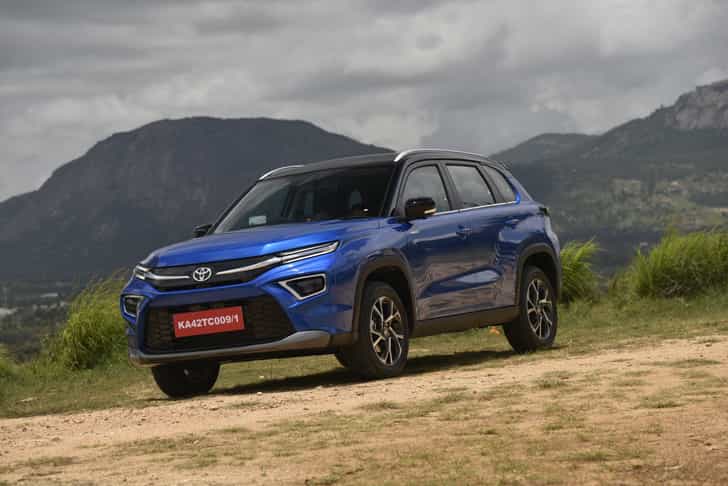
I’m a 21-year-old college student, and my family already owns a 2020 Fortuner. I’m looking for a second car for college use and outings. Should I go with the Thar, as per my father's choice, or the new-generation 2026 Hilux, which I like? Or is there any other good option? It must be a diesel SUV.
Mahindra Thar RoxxToyota HiluxI’m planning to buy an electric SUV in Delhi with an on-road budget of Rs. 20-21 lakh. My usage will mainly involve a 30-40 km daily office commute, along with occasional weekend highway trips. The VinFast VF6 Wind Infinity has caught my attention because of its design, features, and range, but I’m hesitant about its after-sales support, service network, resale value, and long-term reliability. Given my requirements, would you recommend the VF6, or is there a better EV in this price range that offers a more dependable ownership experience?
Vinfast VF6Hyundai Creta ElectricMahindra BE 6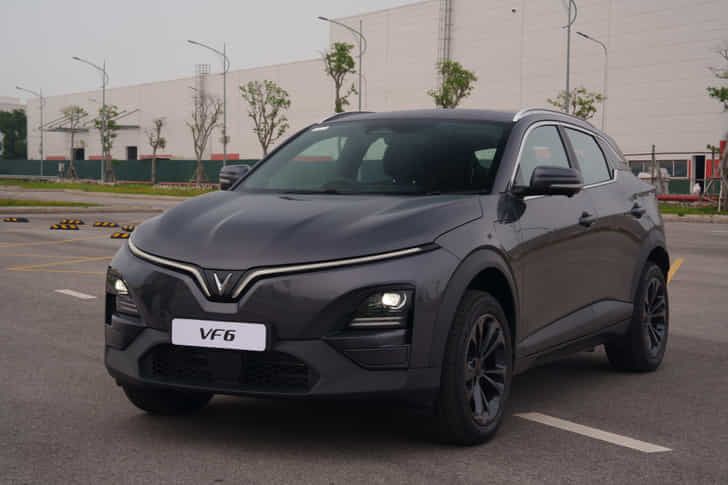
Hi, I had planned to buy the Brezza Facelift 1.5 VXI MT and install the necessary accessories after delivery, with a budget of Rs. 12 lakh. However, I am now also considering the Creta 1.5 MT base model or the Kia Seltos base model. The on-road price of the Creta is Rs. 13.61 lakh, while the Seltos costs Rs. 13.72 lakh. Since there is a price difference of about Rs. 1.60 lakh between the Brezza and these two models, I am weighing my options. Would upgrading be a good idea? If so, which one should I choose between the Creta base model or the Seltos base model? Thanks.
Kia SeltosMaruti Suzuki BrezzaHyundai Creta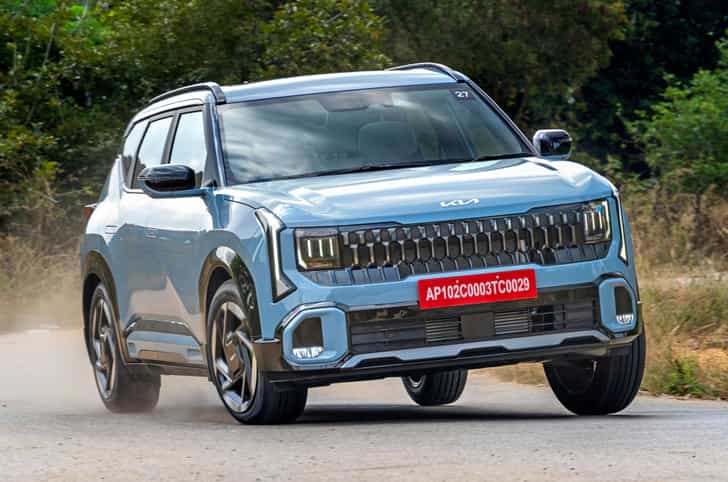
I am from Delhi, and my daily commute is around 80 km. I am looking for an EV with a budget of around Rs. 17 lakh. I have shortlisted the e Vitara Zeta 61 kWh and the Syros ER HTX 51 kWh. I want a niggle-free ownership experience, at least a 400 km range, a smooth and comfortable ride, and good interior space. I also plan to keep the car for at least 8-10 years. Please suggest which one is the better choice.
Kia SyrosMaruti Suzuki e VitaraWe are first-time car buyers from Warangal, Telangana. Both my parents, who are above 50 years of age, will be driving the car regularly, and nobody in our family has owned a car before. Around 60% of our usage will be on highways. We plan to keep the car for a minimum of 6-8 years. We also expect decent mileage, although we understand that both are turbo-petrol cars, so we are not expecting very high fuel efficiency. Between the Kylaq's torque converter and the Venue's DCT, which one is genuinely easier and less stressful to drive for a 50 years+ first-time driver in daily city traffic? For Kylaq Signature Plus AT owners, how is the automatic transmission performing in real-world city driving? Are there any complaints after a few months of ownership? We do have a Skoda dealership in our city, but we would like to know how smooth the actual service experience has been for owners in similar Tier-2 cities. Given that we previously cancelled our Venue HX8 DCT booking due to concerns about ethanol blending, which was priced at Rs. 16.1 lakh on-road, does going back to the Venue HX6 make practical sense, or are we just going in circles? I'm personally interested in the Kylaq, but the car will mostly be used by my parents. If any issue occurs, I want the service centre to be able to resolve it easily without troubling them too much or having the car remain at the workshop for weeks.
Hyundai VenueSkoda KylaqI own a 2017 Hyundai i20 Asta (O) with around 60,000km on the odometer. I am planning to upgrade with a budget of Rs 20 lakh. My priorities are an automatic transmission, ADAS, a sunroof, and a powered tailgate. I have shortlisted the Hyundai Creta, Kia Seltos, and Tata Sierra. Which of these would be the best long-term choice, and why?
Kia SeltosHyundai CretaTata SierraHi Autocar team! I’m a first-time driver looking for a small car for my little family. My budget is under Rs 8 lakh. I’ve currently shortlisted the Maruti Suzuki Celerio, Hyundai Exter, and Hyundai Grand i10 Nios. Which of these would be the best choice for me, or is there another car you would suggest?
Hyundai Grand i10 NiosMaruti Suzuki CelerioHyundai ExterI am looking to buy an SUV / compact SUV with a budget of around Rs 25 lakh. I have been using a 2014 Honda City i-VTEC CVT VX for the last 12 years with zero issues and have been really happy with it. The car has run just under 40,000km till date, as my monthly driving is only around 300km, mostly in the city. My spouse and I are not big car enthusiasts, so we do not know much about technical aspects, including engines and the like. Also, I am not a very big fan of too many digital controls on the dashboard. I need a good, spacious car with good exterior and interior quality and decent features.
Hyundai CretaHonda Elevate