Autocar India
NI

Nikhil

11w

I currently own a 2021 Hyundai Venue (iMT) Petrol. I usually travel to my hometown in Punjab once a month, and the rest of the time, I drive within the city. I am looking to buy an SUV with good aesthetics and build quality; the first car that comes to mind is the Tata Harrier. I was eagerly waiting for the petrol variant, and this year, that wish finally came true. I am planning to purchase the Fearless+ variant in white. However, considering Tata's reputation for manufacturing defects and resale value, should I stick with my choice, or would you suggest a better option, like a Mahindra XUV700? My priority is safety, looks, average maintenance cost and mileage should fall between 12-18kmpl (which is usually what every car offers right now). Thanks in advance

Autocar India team

Autocar India

Verified
11w
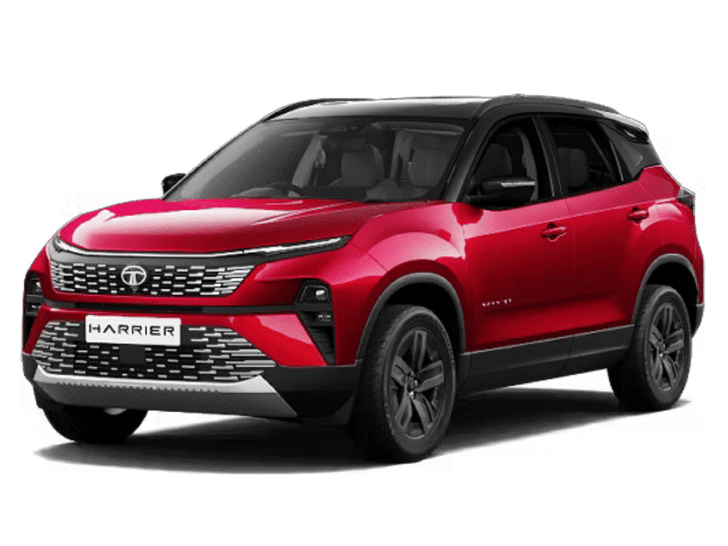
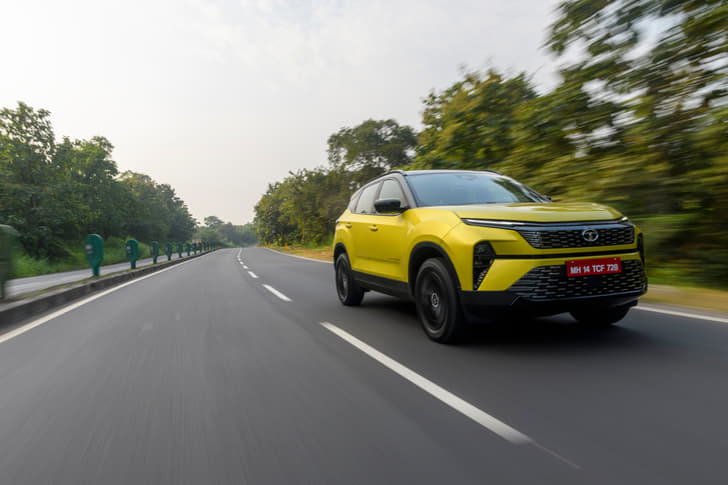
If you have your heart set on the Tata Harrier, you should go for it. It has great road presence, you like the aesthetics of it, and it feels very tough, thanks to its Land Rover-sourced underpinnings. The new 1.5-litre turbo-petrol engine is a winner too, managing to be both powerful and smooth at the same time. If you're after the automatic variant, it's a very smooth gearbox too, if not a particularly sporty one. Tata's reliability has improved in recent years, but the cars aren't free from issues, particularly with the electronics.
That said, Mahindra is not too far behind in this regard. It's luck of the draw, and we don't think it's worth putting off the purchase just for that if you otherwise have your eye on it. As for the mileage, it's unlikely to get anywhere near 12-18kpl (the Mahindra is even further off), as it is a heavy SUV with a turbocharged petrol engine, but driven carefully, you could get into the low double digits.
Tata Harrier

Tata Harrier

Explore cars mentioned

More questions on similar cars

BA

Babu

1d

I am planning to buy a new car with a budget of around ₹7 lakh. I really liked the new Tata Punch and am considering buying the Smart variant. However, with rising fuel prices, I am now more inclined towards a CNG model for better running costs. Currently, I am confused between these two variants: Tata Punch Smart CNG Tata Punch Pure Plus iCNG The Pure Plus iCNG variant costs around ₹3 lakh more than the Smart variant, but I do like the additional features it offers. My monthly running will not exceed around 800 km, and I plan to keep the car for long-term usage. Could you please advise: Whether the Tata Punch CNG is a good long-term buy Whether the higher-priced Pure Plus variant justifies the extra cost If there are any better CNG alternatives from other brands that offer better mileage, reliability, comfort, and ownership experience within this budget

Autocar India team

Autocar India

Verified
20h

With your usage of under 800 km a month and long-term ownership in mind, we would first question whether CNG is actually necessary. CNG makes the most financial sense when the cost of running is significantly higher. At your usage, the payback period becomes much longer, so spending substantially more upfront purely for fuel savings may not be the smartest move. Also, while petrol prices do rise, CNG prices tend to rise too, so the savings gap does not remain fixed forever.Between your two choices, the Smart iCNG is actually the more rational pick if you are set on the Tata Punch. Yes, it is the base variant, but it still gets the essentials like LED headlamps, front power windows and central locking. So it does not feel bare bones from the usability perspective.The Pure Plus iCNG does add a lot more premium equipment like the touchscreen infotainment with wireless smartphone connectivity, reverse camera, cruise control, rear AC vents, all power windows and a more premium cabin feel. But the key question is whether you would want to stretch your budget significantly to have those niceties. That said, if fuel efficiency is your top priority and you are open to alternatives, Maruti’s CNG options make stronger sense than the Punch. The Fronx or Baleno CNG will generally offer better efficiency, a wider service network and a more proven CNG ownership experience.

VehicleTata Punch

Expert reviews worth reading

Popular discussions right now

DJ

Deepak Jain

4d

I am planning to buy the Honda City facelift that was launched yesterday. How does it compare with the Volkswagen Virtus? I am also assuming that the government will continue supporting E20 fuel even if E85 is introduced in the future. So, is it still safe to buy a petrol vehicle in Delhi/NCR?

Autocar India team

Autocar India

Verified
3d

The new City facelift does make a stronger case now because Honda has added genuinely useful features like a larger infotainment screen and ventilated front seats, while pricing has remained fairly sensible. But fundamentally, the character of the car has not changed.Against the VW Virtus, the choice still comes down to personality. The Virtus is the more fun to drive option, especially with the turbo petrol engines, because it feels stronger, more eager and more engaging from behind the wheel. The City, on the other hand, is the more balanced sedan. The 1.5 naturally aspirated petrol is smooth, refined and easy to live with, but if outright performance is your priority, it will not feel as quick as the turbo Virtus. The City hybrid changes that equation because it is genuinely quick and can match the 1.5 TSI for straight line pace, but it is still not what you would call an enthusiast’s car.On the fuel front, yes, it is safe to buy a petrol car in Delhi NCR. Current mainstream petrol cars are already E20 compatible, and even if India eventually pushes toward higher ethanol blends, that transition will be gradual rather than an overnight switch. Beyond a certain point, if the country were to move meaningfully toward very high blends like E85, manufacturers would need proper flex fuel engines engineered for that fuel, and the government would also need to continue offering lower blend fuel options during any transition.

VehicleVolkswagen Virtus
VehicleHonda City

Posted on: 10 Mar 2026