Latest questions answered by experts
Upcoming launch buzz
Community discussions on upcoming launches
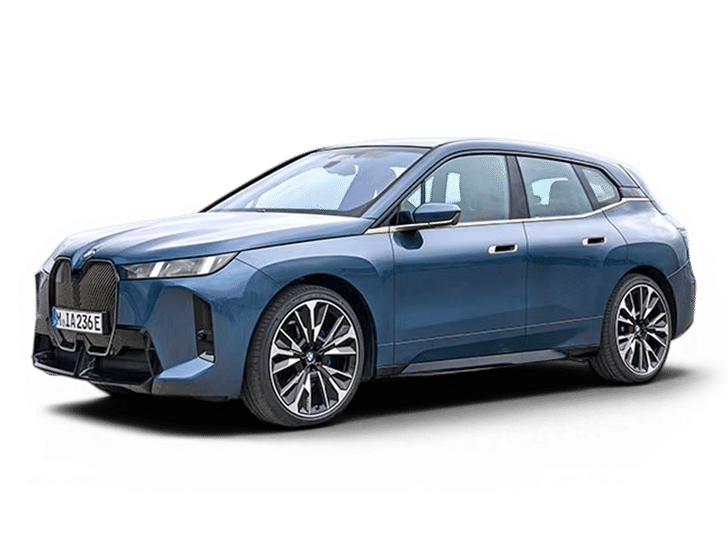
BMW
iX facelift
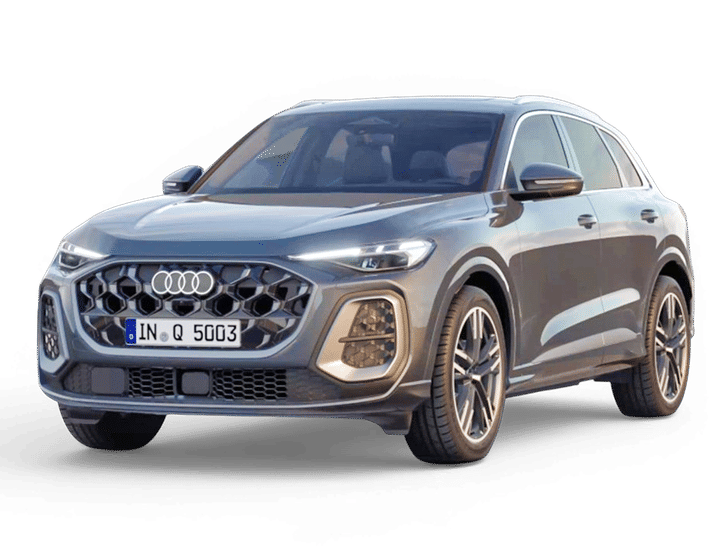
Audi
New Q5
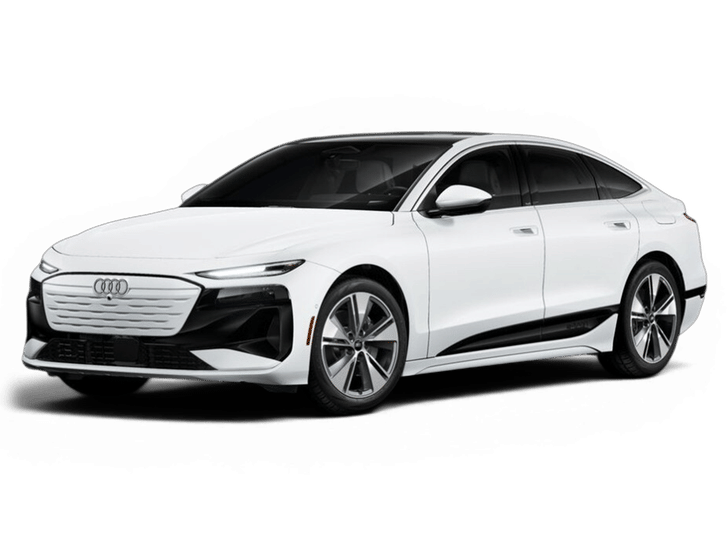
Audi
A6 e-tron
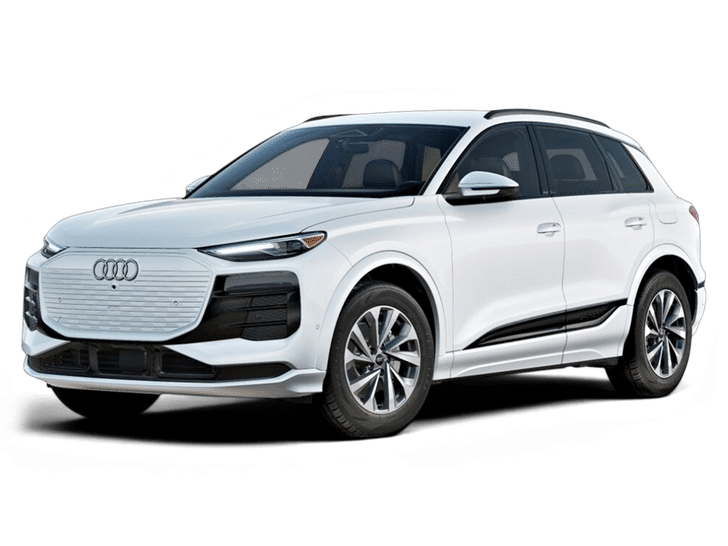
Audi
Q6 e-tron
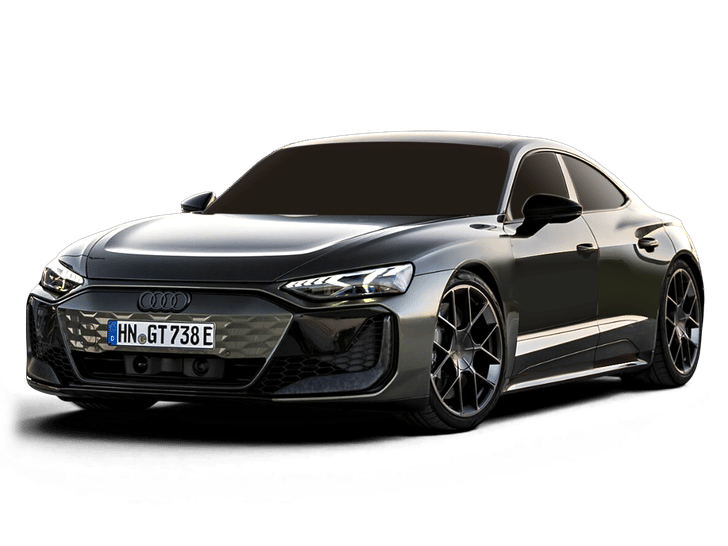
Audi
e-tron GT facelift
Volkswagen
Virtus facelift
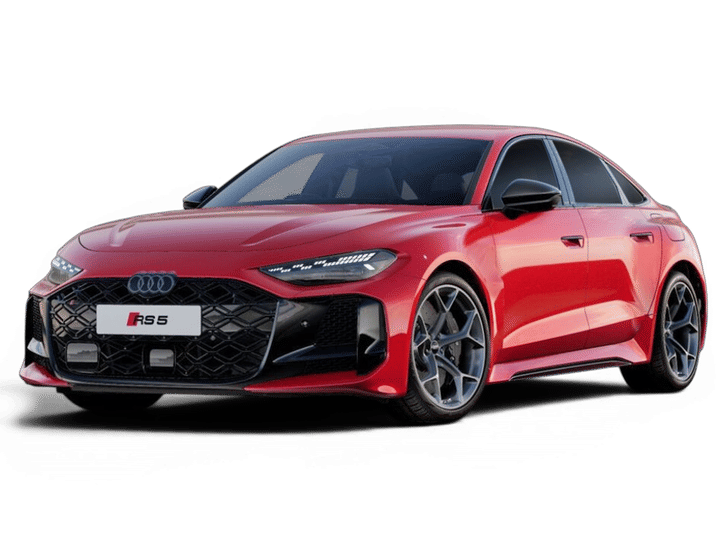
Audi
A5

Vinfast
VF5
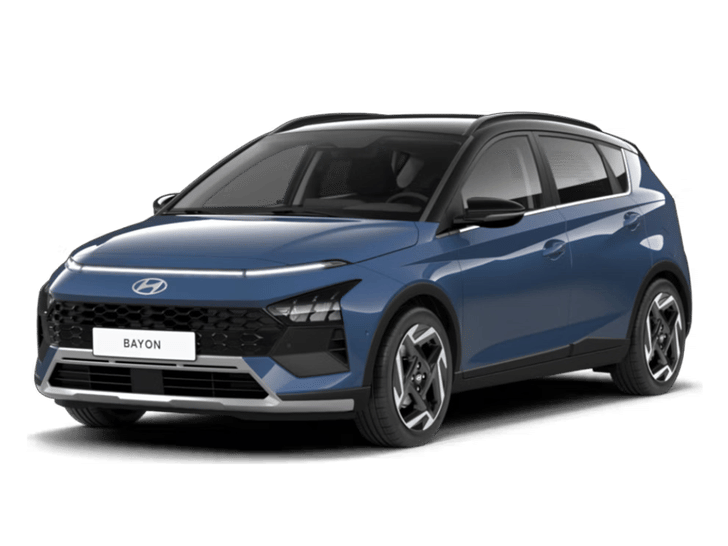
Hyundai
Bayon
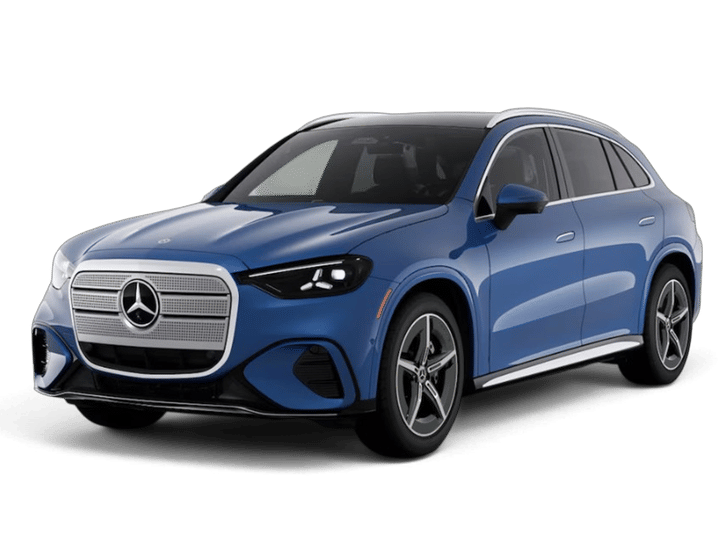
Mercedes-Benz GLC
Electric
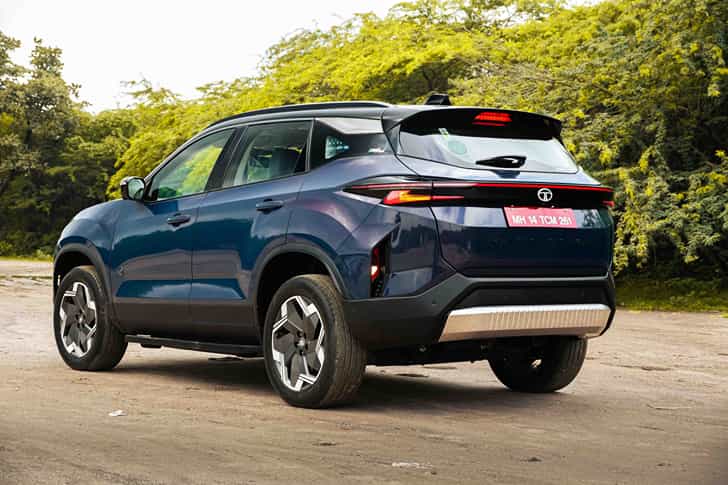
Dear Autocar Team, I currently own a Dzire diesel manual (2018) and now I am planning to buy a new car but I am very confused between Harrier EV Fearless Plus 75kwh and the XEV 9S Pack Two Above 79kwh. Although, I love diesel cars but since I live in Faridabad, my biggest concern is about increasing bans and restrictions on diesel cars. My main usage is on highways and bit within the city. I have clocked 1.3 lakh km on my Dzire in 8-9 years. I am getting the exact Harrier EV model for Rs. 22 lakh (on-road) whereas the XEV 9S will cost around Rs. 27-28 lakh (on-road) and that is my biggest confusion. Should I spend this additional amount on the XEV 9S for Harrier ev because I don't want any hassles as an since I plan to keep the car for the next several years.
Since your choice is between these two exact models, go for the Tata Harrier EV Fearless Plus 75kWh at Rs 22 lakh on-road. It is a much better value proposition given the Rs. 5-6 lakh savings over the Mahindra XEV 9S. The Harrier EV is a solidly-built, hardy SUV that's comfy for 5 adults and their luggage.Sure, the XEV 9S gives you the flexibility of three-rows of seating; a lighter steering with a tighter turning radius; and with a larger battery and a more efficient electric powertrain, real-world range will be better. But since you don't specifically need a three-row SUV, the Harrier EV's lower price makes it the more sensible buy.

I am currently driving Fronx and now I want to upgrade to diesel car for 2 people under a budget of 25 lakh to 30 lakh for my current running of 3000 km which includes 80% running on highways.
With 3,000 km a month and 80 percent highway driving, a diesel SUV is the right choice. The Mahindra XUV 7XO diesel is the best fit here. It is an excellent highway car with a powerful diesel engine, good ride comfort and a stable, planted feel at speed. It is also well equipped and offers a genuinely premium experience for the money. The Kia Seltos diesel is the alternative if you want something slightly more compact and easier to live especially since you might not need that extra space the XUV offers. The Seltos diesel is very effient and refined, but as far as outright performance goes, the XUV's larger 2.2-litre diesel gives it an edge.
Hi Autocar Team, I am planning to buy an electric vehicle for my daily commute of approximately 80 km in Hyderabad, with a budget of up to Rs. 20 lakh. My key priorities are spacious interiors, strong safety features, good build quality and overall reliability. Considering my daily usage, would opting for a Battery-as-a-Service (BaaS) model be financially beneficial in the long run? Please suggest suitable EV options that meet my requirements.
For your 80km daily commute in Hyderabad, the Kia Syros EV 51.4kWh is the variant to shortlist first, particularly if you want a spacious cabin, modern safety equipment and a manageable running cost within Rs 20 lakh. With home charging, your daily distance is well within its claimed 526km range, although real-world range will be lower.The Syros EV's biggest advantage is its flexible rear seat, with sliding, reclining and ventilated functions, making it practical for family use. Six airbags are standard, while higher variants add a 360-degree camera and Level 2 ADAS. The drawback is that the EV has not yet received its own official crash test rating, so don't assume the ICE Syros's five-star rating automatically applies to it.BaaS lowers the upfront cost, but at 80km a day, the battery charge of Rs 3.30 per kilometre adds up quickly. At 22 working days a month, that's about Rs 5,800 monthly before electricity. Choose the Syros EV 51.4kWh with the battery purchased outright if it fits your on road budget. Consider BaaS only if reducing the initial payment is more important than minimising long term cost.
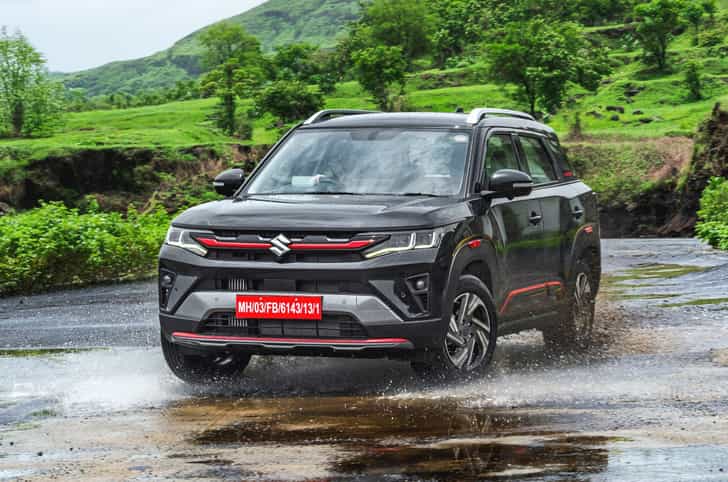
Hi, I am planning to buy a car that can comfortably fit 5 people (2 people are 6 feet tall and 3 people are healthy). I mostly ride in the city (Mumbai and Goa) and occasionally I drive between the 2 cities. So, it is an average of 300-400km per month. I am happy to buy Dzire as well but I have heard that five people cannot fit in it. Can you please help me with a 5-star safety rated car that offer decent mileage with less maintenance. Considering the bad roads, I need a car with good clearance. It can be a compact SUV or SUV.
The Maruti Suzuki Dzire is a good sedan, but the rear seat is not wide enough to comfortably accommodate three adults, especially when occupants are on the healthier side. Instead, you can consider the Maruti Suzuki Brezza 1.0 Turbo. Due to its boxy cabin, it feels airier than the Dzire, and its turbo-petrol engine will feel effortless on your highway drives between Mumbai and Goa. Its high ground clearance will give you more confidence over bad roads. If you want a more spacious 5-seater, that's reliable, efficient and 5-star rated within a budget of Rs 20 lakh, consider the Kia Seltos 1.5 Petrol-manual. It is more expensive than the Brezza, but its cabin feels richer and more spacious, making it worth the stretch.

I am a 46 years old man based in Noida and have a family of 3. I’m planning to buy a car in a budget of Rs.15 - 20 lakh and have shortlisted Virtus and Slavia. Should I go for an earlier or 2026 cars that are being offered at Rs. 1 - 1.5 lakh discount. Should I wait for the facelift? I am worried if the 2026 version of Virtus still has the AC issue mentiond in some of the reviews. Should I spend an additional 2.5-3.5 lakh for the 1.5 engine? My driving involves 80% running within NCR and 20% outstation.
With your 80 per cent NCR driving and a family of three, the 1.0-litre Virtus or Slavia makes more sense for everyday use, but waiting for the Virtus facelift is worth considering if you aren't in a hurry. The current cars are good to drive, and a discount of Rs. 1-1.5 lakh makes the outgoing version attractive.However AC concern is worth taking seriously, especially in NCR summers. The facelifted Slavia now gets a variable-displacement compressor, intended to improve AC performance. The Virtus facelift is expected in the fourth quarter of 2026, and a similar AC upgrade is likely, but its final specification should be confirmed when it launches.As for the 1.5 TSI, the extra performance is enjoyable on highways, but the 1.0 TSI is sufficiently punchy for daily NCR use. The 1.5's DSG also adds complexity and cost, so it isn't essential for your driving pattern.
Hi, can we expect an automatic variant of the Force Urbania? I really want to own one if it comes in this configuration.
An automatic version of the Force Urbania is possible, but there is no confirmed timeline for launch in India yet. Reports from 2025 suggested Force Motors was working on an automatic gearbox for export markets, which could eventually come to India, but the company hasn't officially confirmed an Indian launch.The Urbania that is currently selling in India uses a 2.6-litre turbo diesel engine paired with a five-speed manual gearbox. The upgraded model has more power and improved equipment, but an automatic transmission hasn't been added.
I am planning to buy a hybrid car within 25 lakh for 80-100 km daily running mostly within the city. I am considering the Renault Duster Strong Hybrid, but I am not a big fan of its looks, and the rear seat space is not enough. I just want to know when is the Kia Seltos hybrid, Duster 7-seater and Bigster launching so that I can plan accordingly.
With your daily city running of 80 to 100km, waiting for the Kia Seltos strong hybrid is worth considering if you can postpone your purchase until 2027. Since the Duster's design and rear seat space don't appeal to you, there's little point spending nearly Rs 20 lakh on a car you're already unsure about.The Seltos hybrid was showcased at the Paris Motor Show in October 2026, and an India launch is expected in 2027. Kia hasn't announced an exact launch date, battery capacity, India specific specifications or pricing yet, so these remain unknown.The seven seater based on the Duster, expected to draw on the Bigster, is anticipated to launch early next year. However, its powertrain line up and hybrid availability haven't been confirmed.

I am looking for a petrol manual family car with a budget of up to Rs 9 lakh. Which car would you recommend?
For comfort, performance, practicality, proven reliability, and a trouble-free ownership experience, the Maruti Suzuki Brezza 1.0 Turbo MT LXI seems like the most sensible family car under Rs 9 lakh. Of course, being the entry-level variant, features will be limited. If you're looking for a sedan, the Maruti Suzuki Dzire VXI MT is also a good buy. It'll be more efficient than the Brezza, with the only drawback being that its performance won't be as effortless.
Hi Autocar team, should I buy the current-generation BMW iX1 or wait for the next-generation model, expected to launch in 2028? The current version could be replaced within a year, and I expect the new platform and battery technology to be better. What would you advise?
The next-generation iX1 will likely bring a new platform, improved battery technology, and a more advanced interior, but it will still take a couple of years to reach India. If you are not in a hurry, waiting makes sense. But if you need a car now, the BMW iX1 LWB is still a strong buy. It is a well-rounded premium electric car with a comfortable cabin, good range and BMW's proven ownership experience.
Please suggest a suitable automatic car for monthly running of 2000km which includes 20% city and 80% highway use in and around Shimla Hills. I am looking for a car within a budget of Rs. 9-14 lakh which should be driver friendly, convenient, reliable and comfortable with a 2nd row and ample boot space. I plan to retain it for at least 10-12 years.
With 2,000 km a month, 80% highway and hilly terrain, diesel is the clear recommendation. The torque and efficiency of a diesel engine make a big difference on long climbs and overtakes, and at your running, the cost savings over petrol add up quickly. Additionally, keeping your requirements of back seat comfort, as well as a 10-12 year ownership plan, a Mahindra XUV 3XO diesel-AMT seems like the right fit.It is powered by a refined, strong and punchy diesel engine that's mated to a 6-speed automated manual transmission (AMT). Now, the AMT is not as smooth as a torque converter available in the Kia Sonet and Hyundai Venue diesel at the same price, but with a light foot, the Mahindra's unit works reasonably well and doesn't feel jerky or confused at low speeds. And compared to the Hyundai and Kia offerings, the 3XO feels more spacious, particularly for rear seat occupants. On paper, its boot is small, but actual usable space is similar to other compact SUVs on sale.If you want a proper diesel-automatic, with a large boot and spacious second row, consider the Kia Syros HTK+. It has an excellent diesel engine, a seamless torque converter (automatic transmission) and for its size, it is extremely spacious. Also, with an adjustable second row, it gives you the flexibility of increasing boot space or legroom for rear occupants. The on-road price might be a little over your Rs 14 lakh budget, but with substantial discounts going on, you could just end up getting one within your budget.
Hi, I want to buy an EV under 15 lakh for 3500km monthly running.
With a budget of Rs 15 lakh and 3,500 km a month, you are a textbook case for an EV. At this budget, the Tata Nexon EV is the most sensible choice. It offers a good balance of range, practicality and value, and Tata’s EV ecosystem is now well established. The Nexon EV is also one of the few cars in this price bracket that can genuinely handle your kind of monthly running without range anxiety becoming a daily concern.If you can stretch your budget slightly, the Kia Syros EV is worth considering. It offers a more spacious cabin and a more premium overall experience, which makes a difference if you are spending long hours in the car every month.The key point here is that at 3,500 km a month, the fuel savings from an EV will add up very quickly, and both the Nexon EV and Syros EV are well suited to high-mileage ownership.
I am planning to buy a new car. My daily commute is around 40 km in Hyderabad city, and I drive approximately 500 km (one way) on the highway once a month. My budget is around Rs. 25 lakh. I am looking for a reliable petrol/electric car with good mileage and low maintenance cost. I am also confused whether I should consider an electric car or not. Please suggest the best options for my usage.
With a daily 40 km city commute and a 500 km one-way highway trip every month, a petrol hybrid is the most sensible choice. The Maruti Suzuki Victoris Hybrid is the best fit for your usage and budget. It delivers excellent fuel efficiency in the city thanks to the hybrid system, while also being reliable and low maintenance. On the highway, it is comfortable and efficient, and you do not have to worry about charging infrastructure or range planning.An EV is not the ideal choice here. While your daily commute is well within EV territory, the monthly 1,000 km round trip means you would have to plan charging stops and rely on public charging infrastructure, which can add time and uncertainty to your journey. The cost savings of an EV are also less compelling when you factor in the higher upfront cost and the need for fast charging on long trips.The Victoris Hybrid strikes the right balance between efficiency, reliability and ease of ownership. It is a car you can buy and use without having to change your routine or worry about charging. Go for the Victoris Hybrid and you will have a car that is efficient, reliable and easy to live with for years to come.
Need expert advice?
Ask the Autocar community and experts.