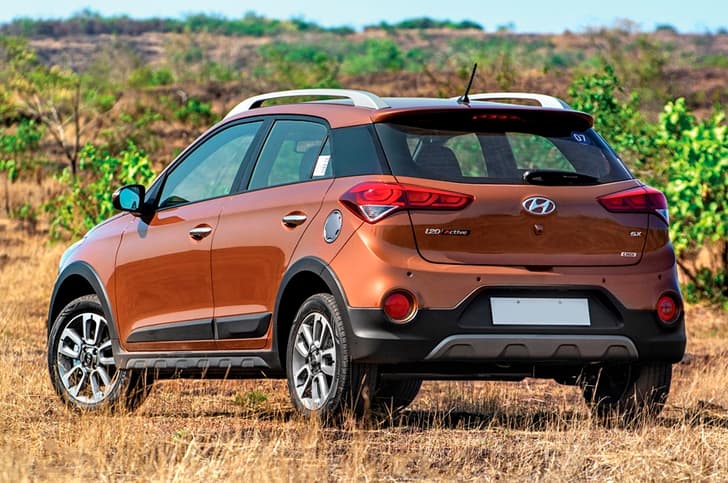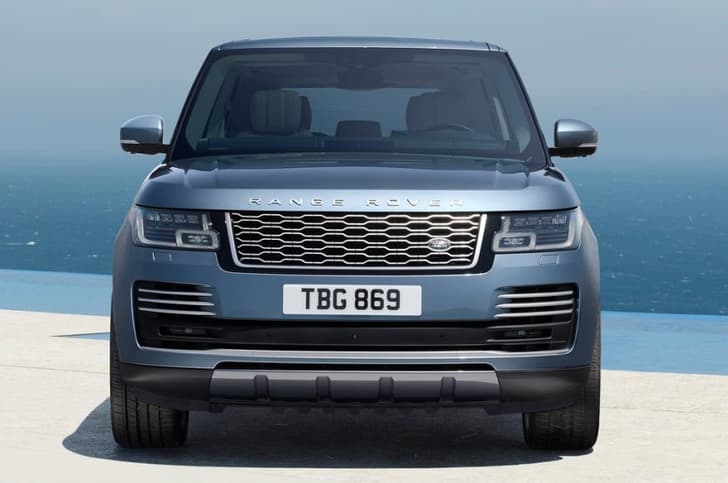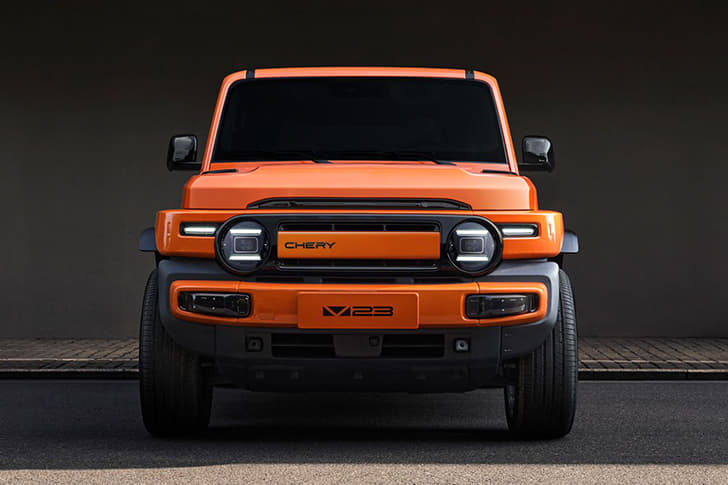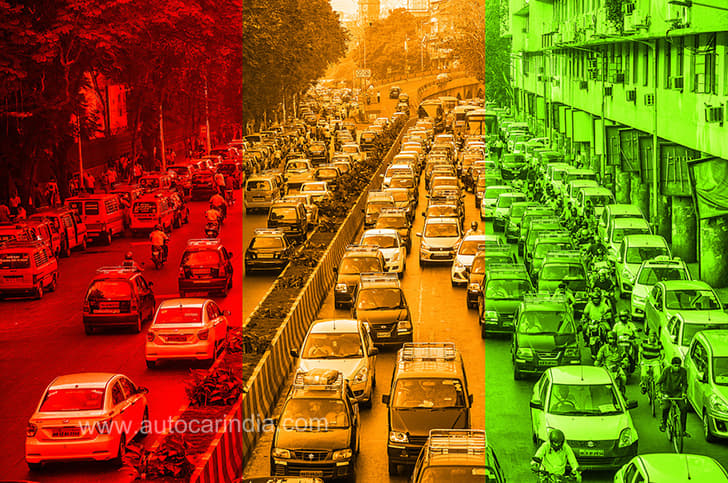
- Four-wheelers, with two passengers in addition to the driver, allowed to ply for permitted activities.
- Two-wheelers, without pillion riders, allowed to ply for permitted activities.
- No movement permitted between 7pm and 7am.
In order to curb the rapid spread of COVID-19 throughout the country, the government has announced an extension to the nationwide lockdown for a period of two weeks, effective today, May 4, 2020. Though this marks the third phase of the shutdown that has now lasted 40 days, the Ministry of Home Affairs (MHA) has eased certain restrictions this time around, taking into account the pattern in the spread of the disease.
The new guidelines are applicable based on the risk profiling of districts into red, orange and green zones. Under the fresh directives, there is a relaxation in vehicle movement, including private vehicles, based on the classification of individual districts into the above three categories. Here is an insight into the relaxations and prohibitions to private transportation under the latest iteration of the lockdown.
What kind of private vehicles are allowed?
In red zones, which have been classified as such based on the total number of active cases and the doubling rate of cases, movement of individuals and vehicles is permitted for some activities. Private four wheelers with two passengers in addition to the driver, as well as two-wheelers without pillion riders, can ply the roads. However, these relaxations are not applicable to areas within the hotspots that have been labelled as containment zones. These will have strict perimeter control.
Private transportation for some activities is also allowed in orange zones with the condition of four-wheeler vehicles having a maximum of two passengers in addition to the driver.
The MHA guidelines do not mention any stipulations to private vehicle movement in green zones – areas that have recorded no coronavirus cases till date, or in the past 21 days.
What are the restrictions on private transport?
Any kind of vehicle movement for non-essential activities remains strictly prohibited between 7pm to 7am. To this end, local authorities have been directed to issue orders under appropriate provisions of law, such as prohibitory orders (curfew) under Section 144 of CrPC (Criminal Procedure Code).
There is also a blanket ban on inter-state movement of individuals by road (except for medical reasons or for activities permitted by the MHA) throughout India for the duration of the lockdown, irrespective of the profiling of districts into red, orange or green zones.
People violating lockdown measures are liable for prosecution under appropriate sections of the Disaster Management Act 2005 and the IPC (Indian Penal Code).
But what about public transport?
Metro-rail services are not permitted throughout the country. In red zones, cycle rickshaws, auto rickshaws, taxis, cab aggregators and buses are prohibited to operate. As such, private vehicles are the sole means of transportation in these areas, which is crucial, especially since government and private offices have been given the go ahead to operate under certain stipulations. This should come as a relief to citizens of metropolitan cities like Delhi, Mumbai, Kolkata, Chennai and Bengaluru, all of which have been marked as hotspots.
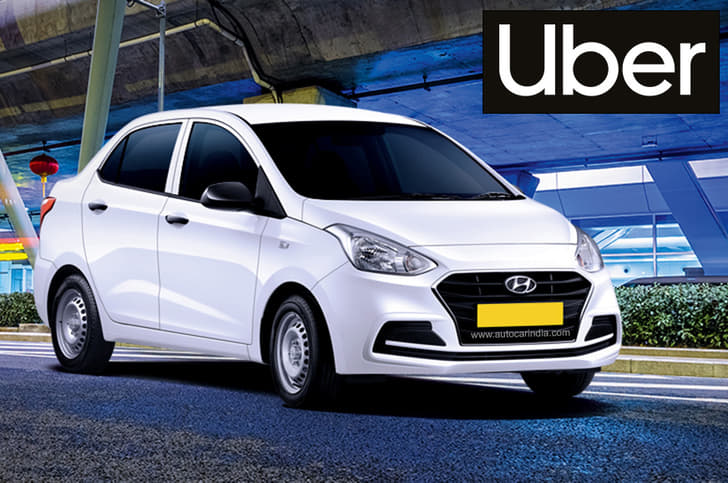
Taxis and cab aggregators are permitted to ply with certain restrictions in areas classified as orange zones or below, according to the centre’s COVID-19 risk profiling. Green zones have been further authorised to have buses operating with half the seating capacity, in an effort to maintain social distancing.

 Viraaj Bhatnagar
 Dipan Sur
 Dhruv Dhaka
 Saptarshi Mondal