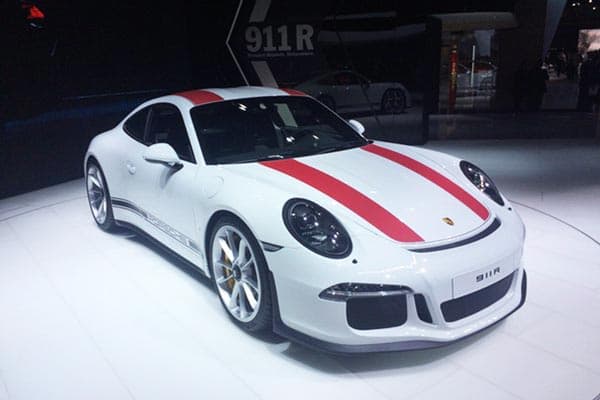
Usually, at international car shows, it’s easy to pick trends. It’ll be plug-in hybrids or SUVs or autonomous cars – or simply cars with too much horsepower – that seem to lead most manufacturers in a particular direction.
This year's Geneva Motor Show did what people have praised it for down the years – it had everything. The Swiss city's biggest motor event has always been popular with exhibitors and attendees, because it’s no one's home turf. This means that no single brand gets a home field advantage with the product being the attention-grabber rather than the brand. Thus, automakers bring their best products to the show, and this year many brands did just that.
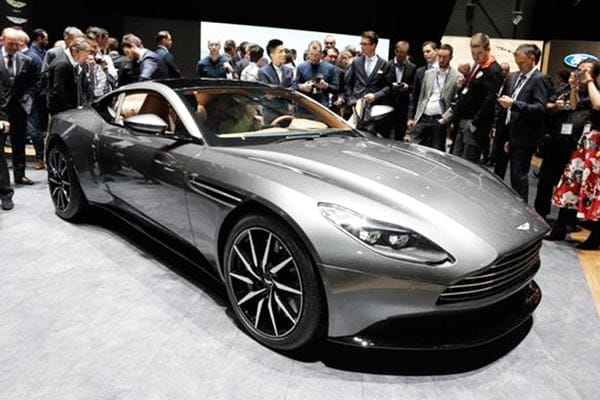
Aston Martin probably took the honours with DB11, simply because a completely new Aston is such a rare event, and everyone seems to love the company at present. The DB11 hasn’t only debuted a new styling direction for the company making the model stand out from Aston’s remaining line-up, but there is also an all-new V12 under the hood and inputs borrowed from the Vulcan racecar allowing designers to make the car attractive without sacrificing aerodynamics.
If it was supercars you wanted, Bugatti was also there with the Chiron, the Veyron successor that’s so powerful they’ll have to design new test tracks on most continents before it can demonstrate its full potential.
McLaren was also there with its new 570GT – everything this company does seems better than its last impressive effort. So were the tiny supercar makers Geneva always attracts: Apollo, Arash, Kahn, Rimac, Techrules and other unfamiliar names, this year with more convincing-looking efforts than ever. You always wonder what holds these manufacturers up, though this year, you could see the case for many. Ferrari’s best effort was to change the FF’s name to GTC4 Lusso, which hardly seemed enough in this supercar company, but it will probably sell some cars anyway.
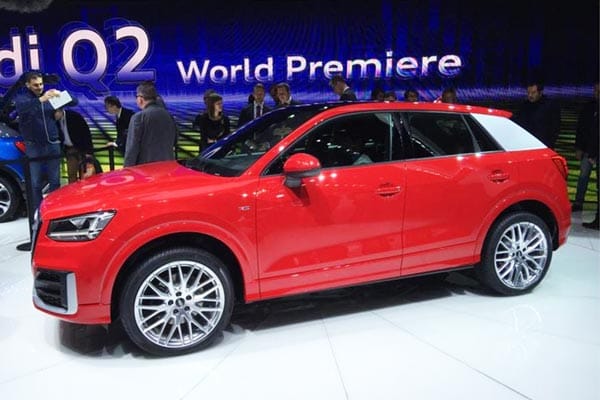
Desirability came in small packages as well. Audi scored what will surely be an instant, international hit in the neat and small Q2, reminiscent of the A3 Sportback in styling, but as light and almost as compact as a B-segment hatch. Talking B-hatches, Ford extended its offering both up and down, signalling the arrival towards the end of the year of a 'value' hatchback called Ka+, while powering up its top Fiesta ST to 197bhp as a farewell gesture for a car that’ll be replaced in a year.
 Dipan Sur
 Dhruv Dhaka

 Viraaj Bhatnagar