BACK TO REALITY
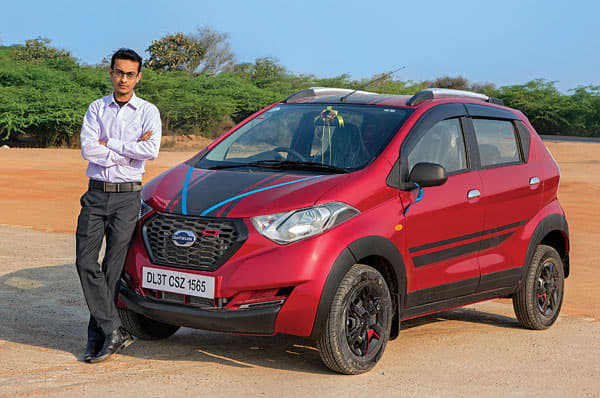
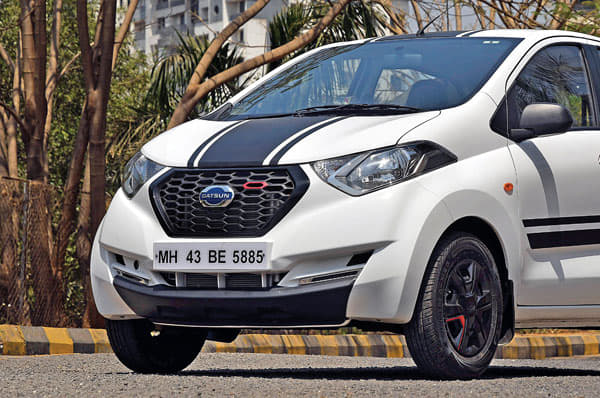
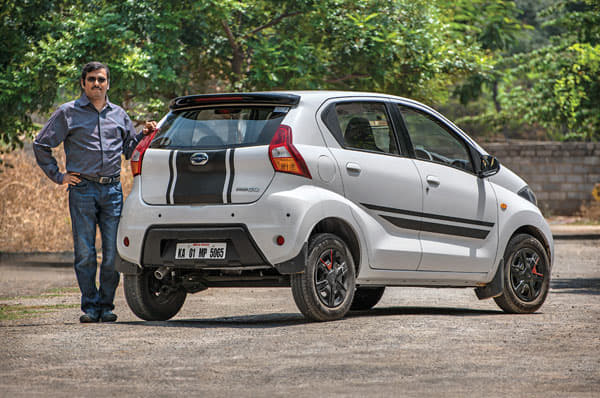
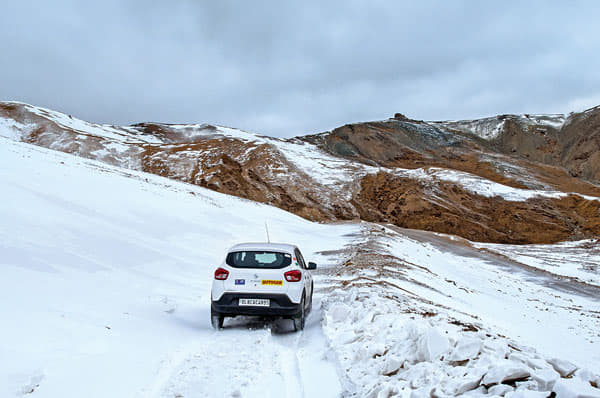
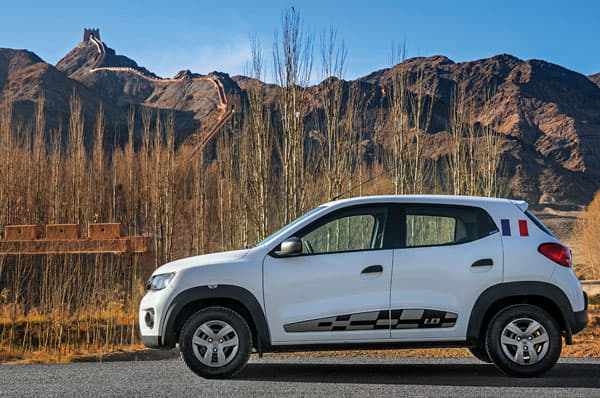
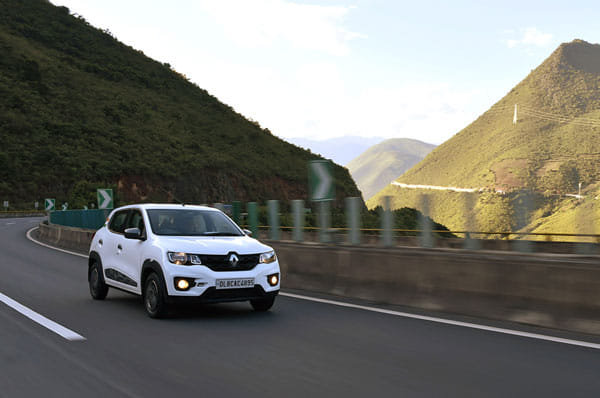
The immensity of China’s infrastructure continues to impress as we drive out of Ruili the next morning, but not before cleansing the cars of all the Myanmari muck and grime with a thorough car wash. Seeing the Kwid and Duster glistening once again is cathartic. We leave town through the most extravagant toll both we’ve ever seen, and onto a superbly-built four-lane expressway. Of course it’s tempting to just blaze down at Vmax, but alas, the speed limit is very strictly enforced in China, using arrays of cameras mounted above the road every few dozen kilometres to track your speed and snap you. We are not taking any chances.
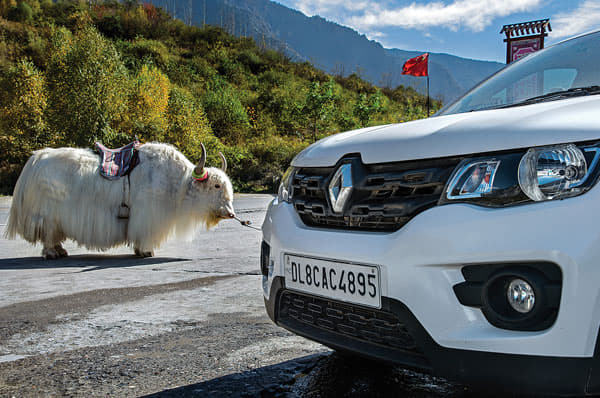
But we get stopped by the authorities anyway – the military, actually – at a routine checkpoint. Initially, there’s a bit of suspicion, what with the unfamiliar cars, the Indian number plates and the obvious language barrier, but a check of our paperwork later, we’re posing for photos with the armed forces. They just can’t get enough of our journey, and the little Kwid.
It’s also out on this pristine highway that I’m really getting the hang of the new 1.0-litre engine. Despite driving through all of North India and Myanmar, in this organised environment is where I get a real feel for it. A small confession – before this drive started, I’d never driven the 1.0-litre Kwid. I’d thoroughly tested the 800cc version and even ran it as a long-termer for a while, but I first turned the key on this version at the flag-off in Delhi. And it fixes my one complaint with the original car. The 799cc mill is great for fuel economy, but its lack of oomph just wouldn’t cut it on the highway. This new motor is more at ease at motorway speeds, smoother and has enough power to cruise comfortably.
CHINA IS VAST
I hear that some really menacing roads will rear their ugly heads in a few days. This thought furrows my brow, but not for long, because of the view that’s spread out before me. We’re on the banks of the perfectly still Erhai Lake as the sun rises; it’s the picture of serenity. Equally staggering, but for a very different reason, is the 1500-year-old Ancient City, which of course we had to pay a visit to on our way out. It’s three towering pagodas were supposedly the target of dozens of failed robberies over the years because the thieves could never find the treasure that was said to be hidden inside. The Chinese government then accidentally stumbled upon the treasure during a restoration effort a few years ago, and it’s still in there today.
You may have seen this on the news, but we’re living it first-hand today – one of China’s infamous freeway traffic jams. The amazing highway comes to a complete standstill, and we’re in a 3km-long queue! There’s been an accident far, far up ahead, and all traffic is stopped (not diverted) until it is cleared up. Most of the hour’s wait is spent discussing the Kwid – with the help of our very patient guide – to the scores of curious locals who, too, are at a loose end. “No, it’s not really an SUV, but it’s not exactly a hatchback either.” “Yes, you can get an automatic also.” “Yup, ground clearance is very good.” “Made in India.” “All the way to France, yes!” “Coming to China? Don’t think so.”
We eventually get moving, en route to a lovely and twisty mountain road – a chance to let loose the little puppy dog that’s hidden inside the Kwid. Our first taste of fun driving in China, but surely not our last. The earlier delay means we reach Xichang – a city that somehow feels like Dubai, with its shiny buildings and wide, palm-lined roads – only at 10.30pm. Sleep comes instantly.
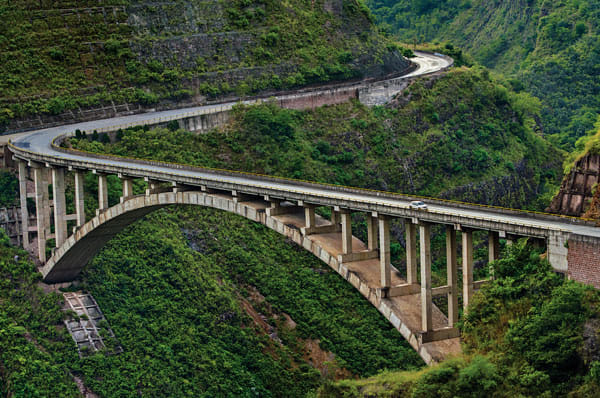
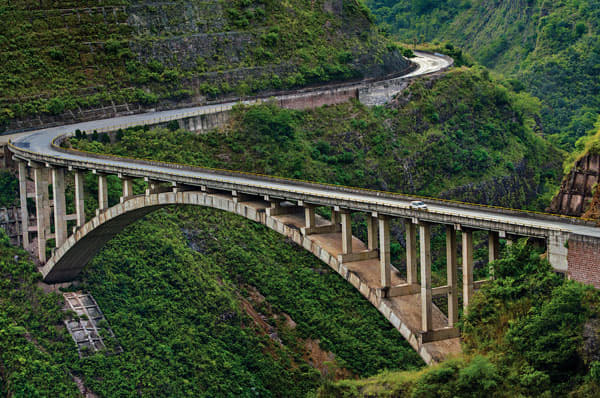
Our drive to Chengdu the next day is a collection of big numbers. At over 7,000m tall, Gongga is one of the tallest peaks in China. Through another mountain goes the Ni Bashan tunnel that’s an incredible 10km long. We also ford a section of the Yangtze, China’s longest and widest river. At 181 metres, there’s also the world’s tallest support pillar for a bridge. And that bridge is part of a highway that cost China 80 million Yuan (Rs 80 crore) to build – per kilometre! It’s also on this stretch that our trip meter ticks past the 5,000km mark. We’re almost at Chengdu now – the biggest city in China we’ll be visiting on this trip – and thankfully, we’re spending a day here to recuperate.

 Uday Singh

 Glenn Noronha
 Dipan Sur