
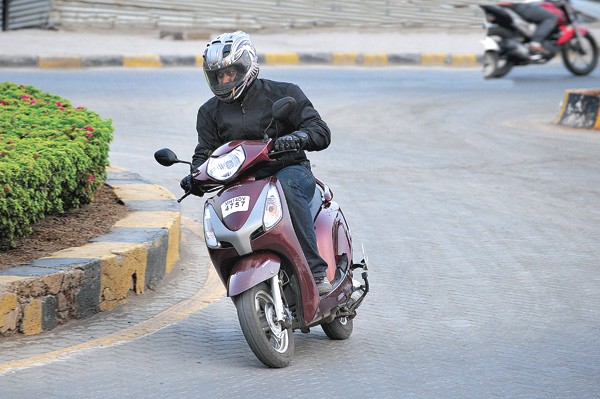
The automatic scooter market has seen some strong and steady growth in India recently, capturing an ever increasing market share despite the two-wheeler industry as a whole struggling to achieve good numbers. Honda has ruled the urban streets for a decade now with its flagship scooter, the Activa. Yamaha too has been trying to get a share of this rapidly growing segment by launching not one but three scooters in the last year and a half, the latest addition being the Alpha, a family-oriented scooter.
It’s been a while now that the Honda Aviator has been the go-to scooter for running your daily errands. Meanwhile, Yamaha has placed the Alpha as a rival, targeting the same clientele with its bold dimensions, handling characteristics and similar pricing. Let’s find out which one of these rivals carries the baton of ‘the family scooter’ with greater finesse.
DESIGN & ENGINEERING
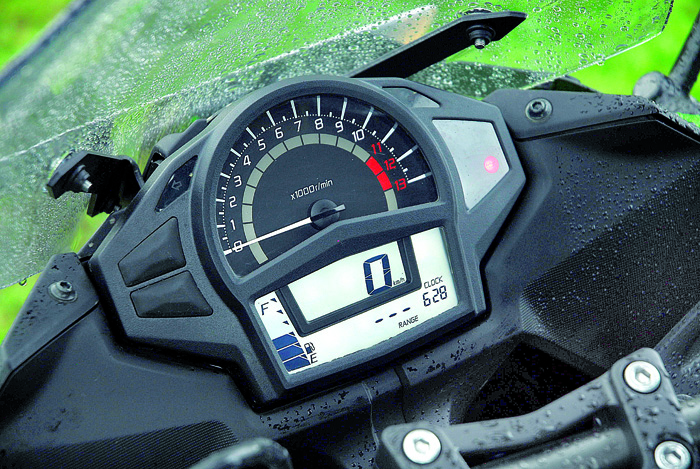
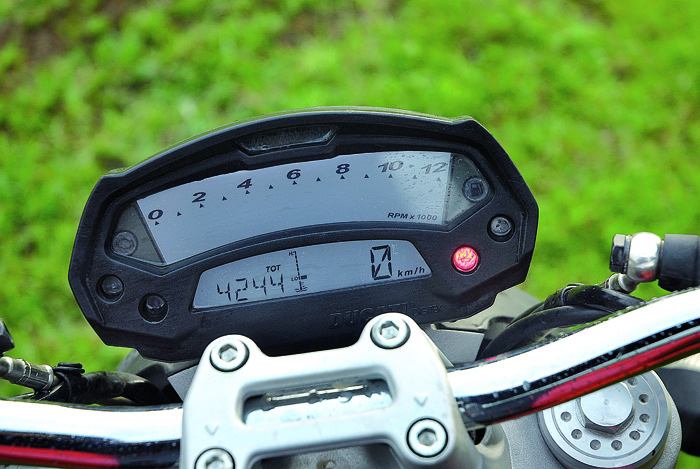
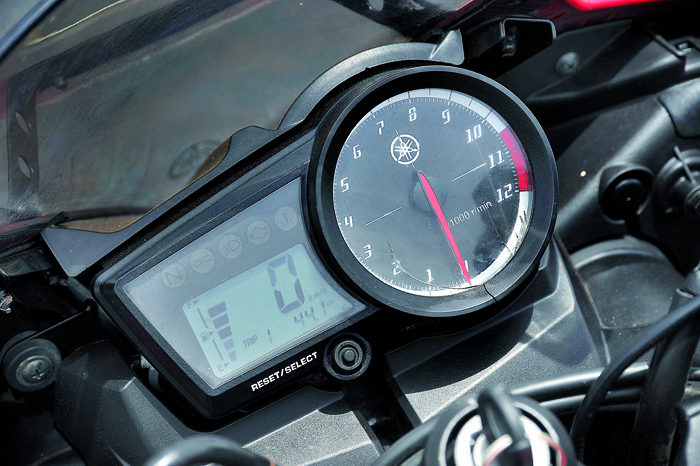
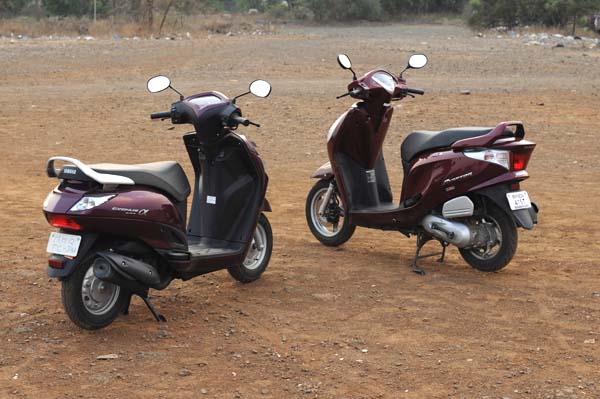
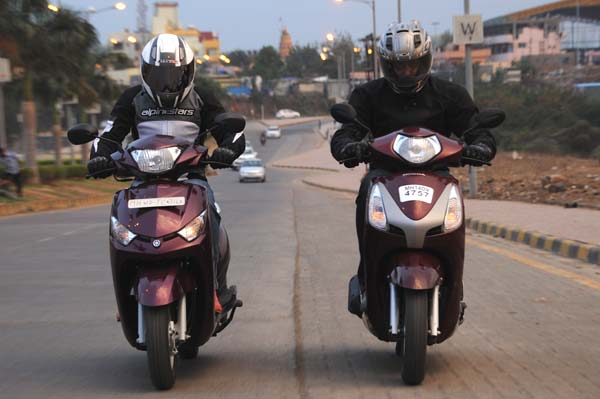
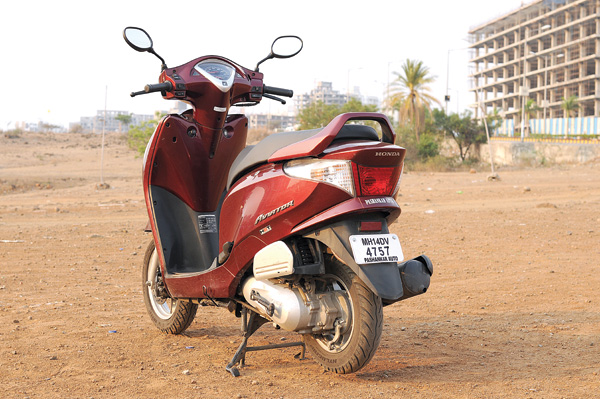
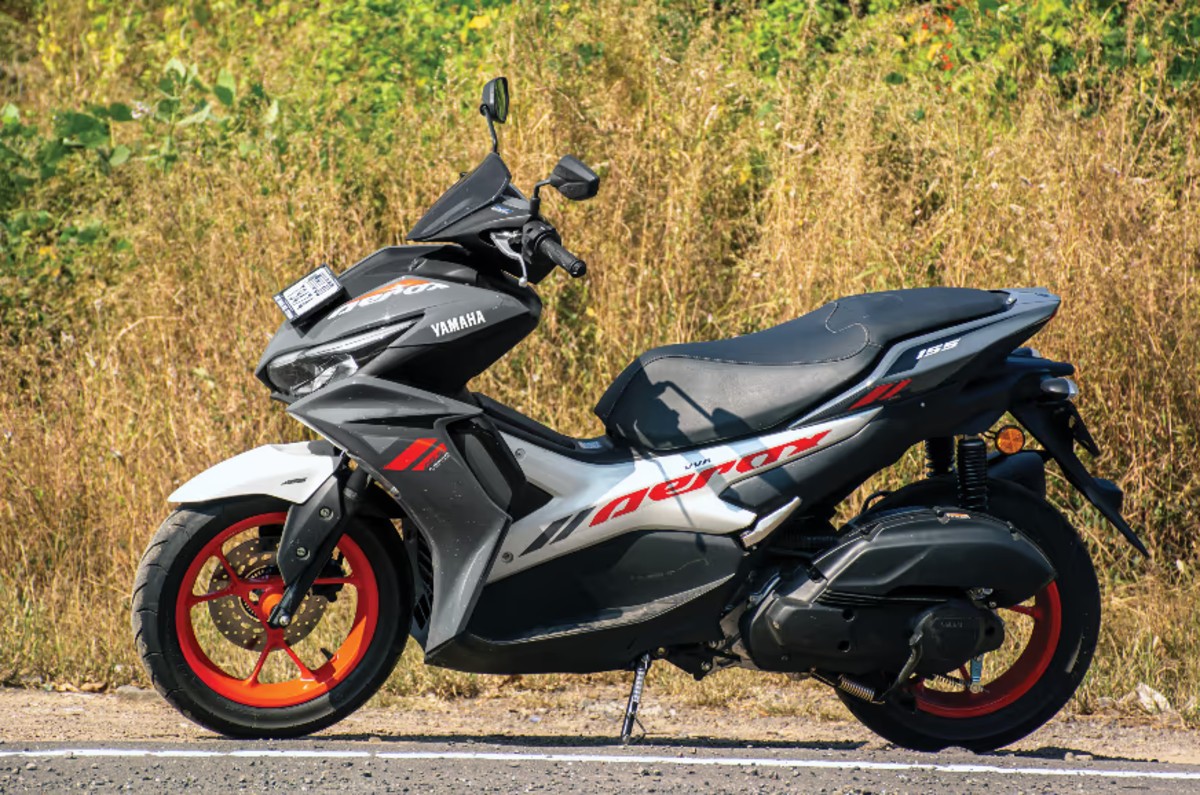
The Yamaha Alpha and Honda Aviator reflect mature character targeted at a more evolved audience. Firmly built on the Ray platform, the Alpha feels perceptibly larger and roomier, with subtle and soft curves, compared to the Ray’s sharp design lines. The Aviator looks classy with a rounded-off apron, smooth body lines, a dash of chrome and five spoke alloys. Yamaha engineers have taken the conventional path, positioning the Alpha’s headlight on the handlebar instead of the front apron like the Ray. Similarly, the Aviator’s headlight is placed within its handlebar shroud. The Alpha gets uniquely styled front indicators pressed flush into the puffed front apron, while the Aviator’s front uses vertical indicators set flush around the chrome grille. Both scooters showcase a neatly placed instrument cluster with essential information including a speedometer, odometer and fuel gauge, along with the standard set of warning indicators.
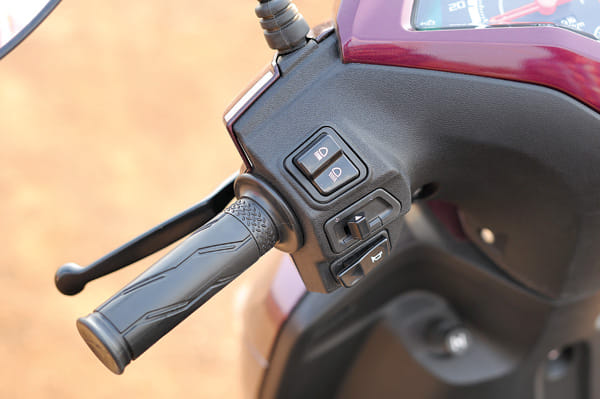
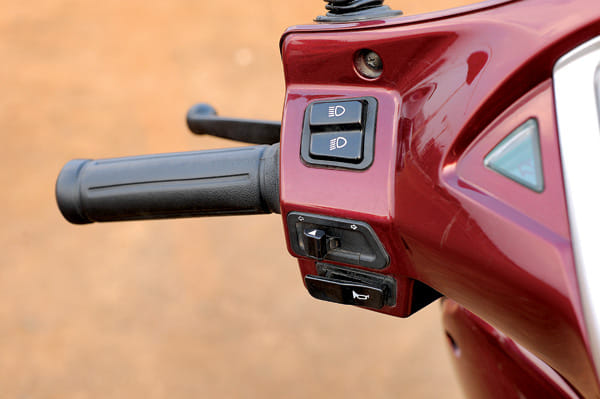
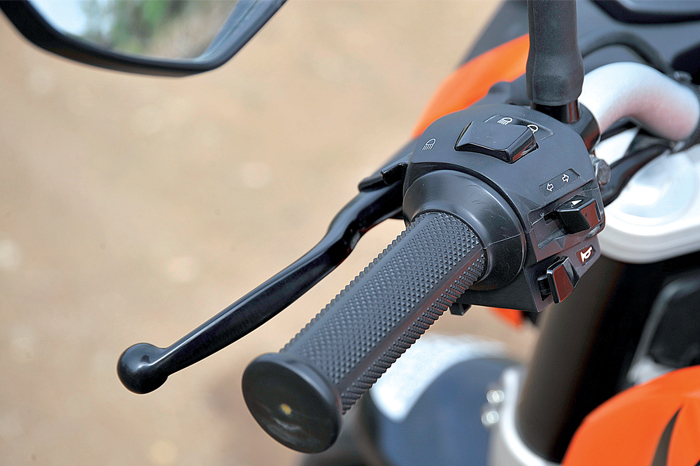
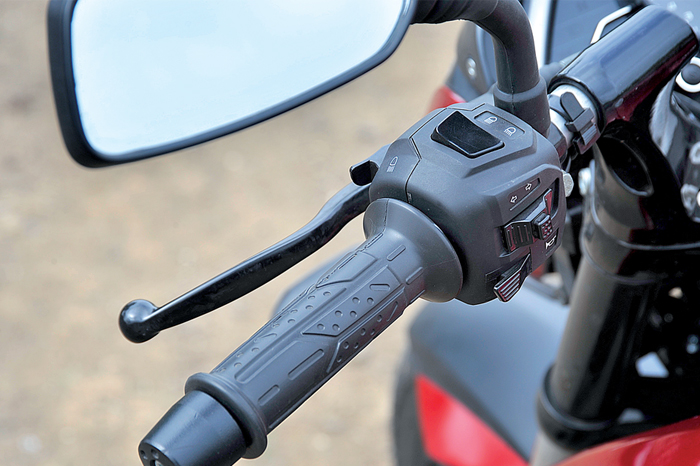
The palm grips, levers, mirrors and switchgear on the Honda impart good feel and are built to last, but the Alpha feels slightly better on this front. Moreover, both Yamaha and Honda have failed to provide a brake clamp, an important safety feature.
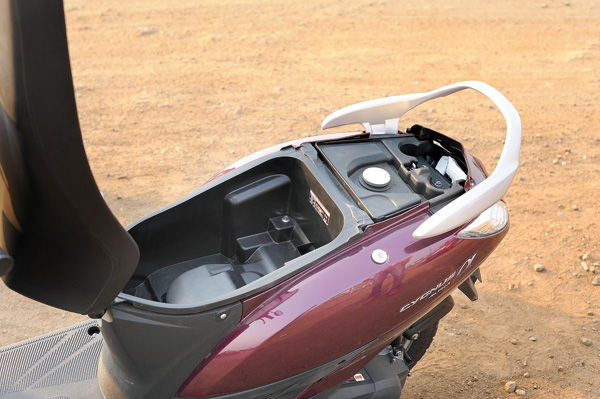
Storage space plays a vital role and the Alpha gets 21 litres of under-seat storage, while the Aviator offers 20 litres, both scooters’ bays opening and shutting with a nice click. For added convenience, a basic solitary bag hook finds its way under the saddle on both scooters.
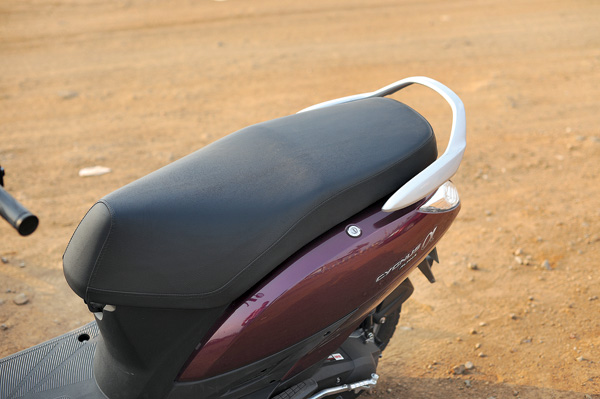
The Alpha gets sober-looking side panels with a uniquely designed tail and a silver-coloured alloy grab bar. On the other hand, the Aviator’s masculine yet sleek side panels merge smartly into the distinctive looking tail, with a body-coloured alloy grab rail sitting on top.
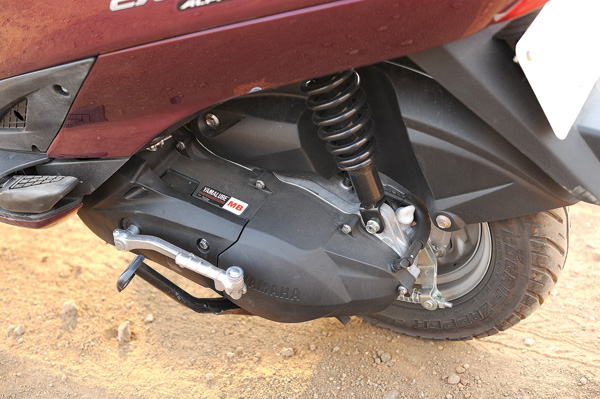
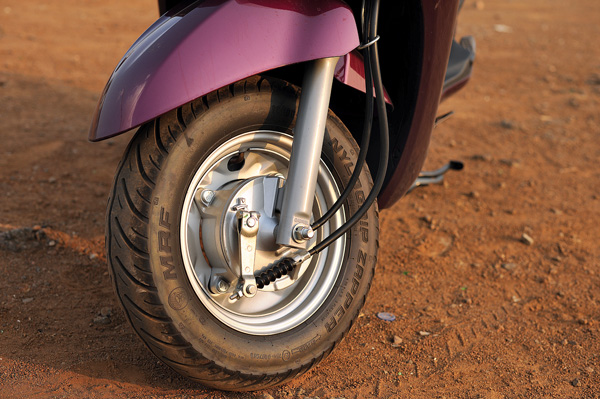
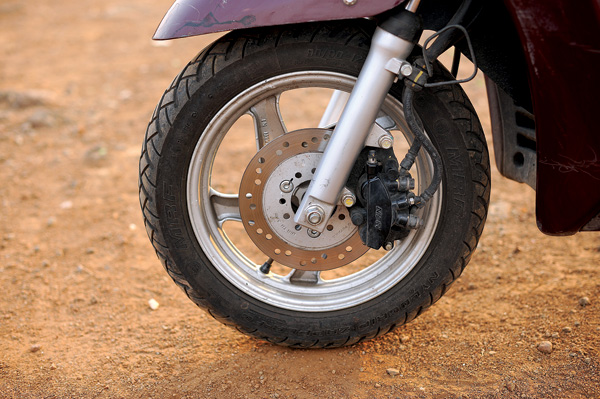
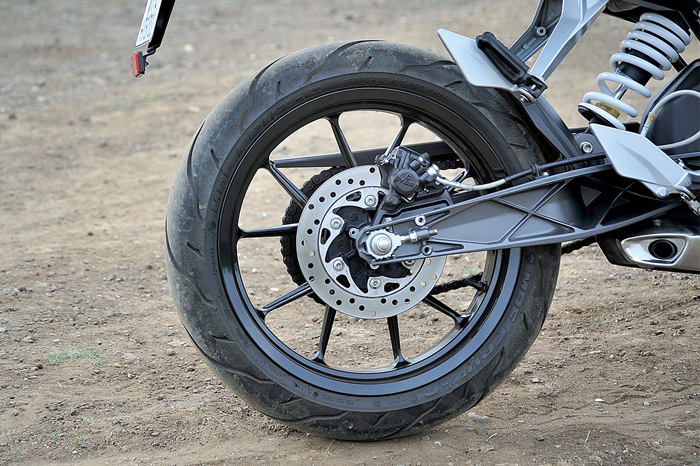
The Alpha runs on pressed-steel rims, while Honda has provided the Aviator with the option of both pressed steel rims (drum brake version) and alloy rims (disc brake version). Fit and finish and build quality on both scooters is as expected from Honda and Yamaha – on par with the best in the market.
.jpg?w=728&q=75)
.jpg?w=728&q=75)
.jpg?w=728&q=75)
.jpg?w=728&q=75)
.jpg?w=728&q=75)
.jpg?w=728&q=75)
.jpg?w=728&q=75)
.jpg?w=728&q=75)
.jpg?w=728&q=75)
.jpg?w=728&q=75)
.jpg?w=728&q=75)
.jpg?w=728&q=75)
.jpg?w=728&q=75)