
Latest questions answered by experts
NIPEN
•2dHello, I have a budget of around ₹18 lakh and am looking for a petrol car that will be used mostly for city driving (around 90%) and occasional highway trips (around 10%), usually once or twice a month. My approximate running is around 500 km per month. I am currently inclined towards the Kia Seltos HTX Automatic and the Toyota Hyryder NeoDrive V AT. I have two questions. Firstly, considering my usage and budget, which one would be better for long-term ownership and a comfortable driving experience? Secondly, which SUV is more reliable in terms of after-sales service and maintenance costs? Please advise.

Autocar India
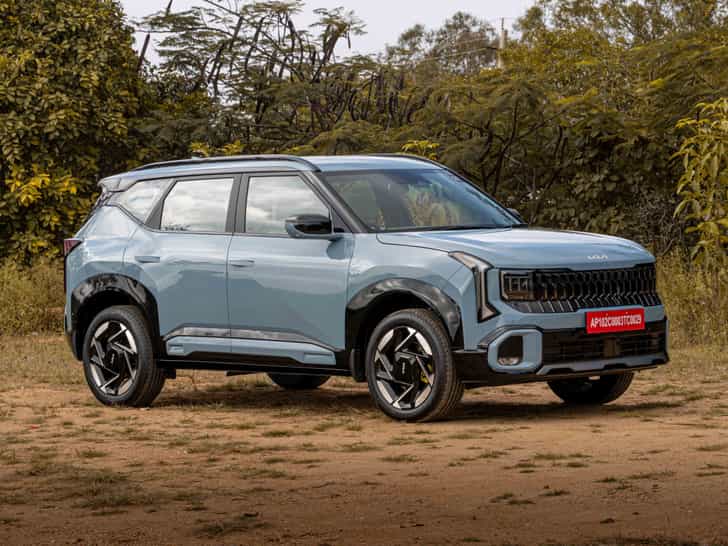
Both are excellent choices, but do bear in mind that the on-road prices of both SUVs would work out to over Rs 19 lakh. As for picking between the two, we would lean more towards the Kia Seltos HTX 1.5 IVT. It's the newer and more modern option with more advanced onboard tech, it is larger and has a far more spacious cabin with comfier seats and higher-quality materials, and its 1.5-litre petrol engine is more powerful than the Toyota's, which will come in handy both around town and on your occasional highway trips. Though the Hyryder is comfy enough, the new Seltos is comfier still and feels more stable at higher speeds too. In terms of long-term ownership, both SUVs should have good resale value, and Kia and Toyota offer a strong aftersales and service experience. What works in Urban Cruiser Hyryder's favour is, its slightly lower maintenance costs from the Maruti-sourced powertrain, and better fuel efficiency too. On balance, however, we feel the Kia Seltos is the better all rounder, and the one you should pick.

sudip
•2dI am planning to buy the Kia Seltos Petrol Automatic, most likely the HTX (A) variant considering the availability of the 360-degree camera. However, I am confused between the IVT and DCT engine options. I like the performance of the turbo engine, but I am unsure about the suitability of the DCT gearbox in Bangalore traffic. On the other hand, while the IVT may be better suited for crawling traffic conditions, most video reviews mention that it feels underpowered. Please suggest which option would be better for my usage.

Autocar India
Bengaluru’s slow, stop-start traffic and your need for the 360-degree camera point you to the Seltos HTX automatic with the IVT. It suits daily city use better because it moves off the line smoothly and crawls along without any fuss. You won’t feel that slight jerk or hesitation you can get with the Turbo DCT at very low speeds, and there’s less worry about heat and clutch wear when traffic barely moves. Power-wise, the 1.5 petrol with the IVT feels fine in the city and light highway runs; use the Sport mode when you need a quick overtake and it responds cleanly.The trade-off is clear: the Turbo-DCT is quicker and more fun on open roads, but in packed Bengaluru traffic it can feel a bit hesitant. If most of your driving shifts to highways with a full load, then the Turbo-DCT is worth it.Overall, for your usage, pick the HTX IVT.
Rahul Rajbhoj
•6dMy weekday driving is around 120 km in the city, with occasional highway trips of 20-50 km. My budget is ₹10-17 lakh. I do not like naturally aspirated engines and am worried about DPF-related issues if I go for a diesel, even though I liked the Seltos Diesel AT. The Kylaq and Duster felt a little cramped to me. My priorities are safety, good ergonomics, and a fun-to-drive experience. Please suggest a good car. I am 6 feet tall.

Autocar India
With a long city commute, some short highway runs, a Rs.10-17 lakh cap and a clear dislike for non‑turbo motors, the Kia Seltos 1.5 turbo petrol automatic suits you best. It gives you the strong low‑speed pull you want without any diesel DPF worries in stop‑go traffic. The front seats, steering reach and height make it easy for a 6‑foot driver to get comfy, and the cabin feels roomier than the Kylaq and Duster you found tight. It is also one of the nicer cars to drive in this price range, with direct steering and a calm, stable feel at speed, and it packs the safety features you’d expect.One thing to note: the DCT can hesitate a bit at slow speed. If that is an issue then consider the Sierra turbo petrol AT. It is also one of the roomiest in class so you should find it comfortable. Overall for your needs, the Seltos is a good fit.
Kumar
•8hI am looking to buy a new car. My yearly running is around 10,000-12,000 km. My priorities are high safety, comfortable driving with senior citizens and kids, and ease of driving for a 5-foot-tall driver. I plan to keep the car for the next 8-10 years. I live in a tier-3 city with no dedicated parking and do a fair amount of hill driving (20-25%). My usage is around 30% city and 70% highway driving.

Autocar India
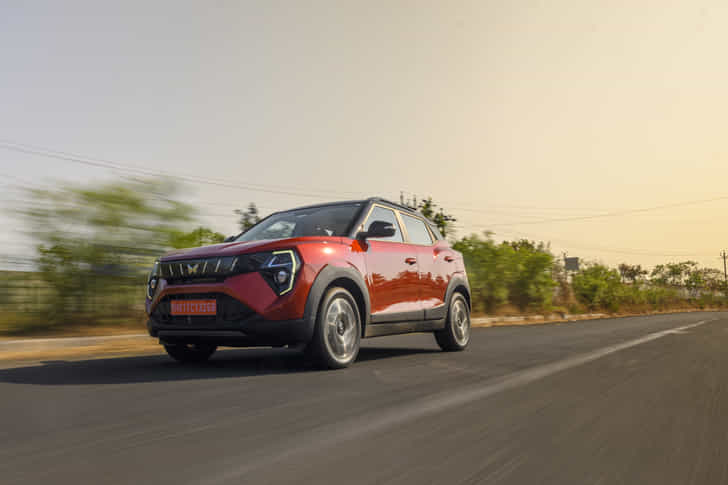
Given your 70% highway use, frequent hill drives, comfort and safety needs, and street parking in a tier-3 town, the Mahindra XUV 3XO petrol manual is the strongest fit for the next 8-10 years. It feels solid and safe and has a 5-star crash safety rating, stays steady at highway speeds, and its higher seat makes it easy for seniors to get in and out. The driver seat is height adjustable so you get a clear view out, so you won't have any trouble given your 5ft height. On climbs and descents the manual gives you good control, the engine pulls well from low speeds, and the ride stays comfy even over rough surfaces. The substantial ground clearance also helps on rough village roads and to clear tall speed breakers, and Mahindra’s service reach is fairly wide outside big cities.Do note though, the XUV 3XO has a small boot in comparison to rivals, so highway trips with your family will require some planning. If you want an easier ownership experience, the Maruti Suzuki Brezza manual is a fine alternative. It’s very easy to see out and park, rides comfortably, and service support is everywhere, though its engine isn't as punchy and it's not as feature-rich.
Sanjay Kumar
•7hI want a hybrid SUV under 4000 mm. My daily running is around 70 km. Please suggest the best option under ₹15 lakh.

Autocar India
We're assuming that by hybrid, you mean a strong hybrid wherein the electric motors also power the wheels. In that case, there are currently no models on sale in India that fall under 4 metres or your Rs 15 lakh budget. The most affordable strong hybrid on sale currently is the Maruti Suzuki Victoris VXI, which is priced at Rs 16.38 lakh (ex-showroom, India). However, if you mean a mild hybrid system where a small electric motor and battery merely assists the engine, you should go for the Maruti Suzuki Brezza. It measures under 4 metres, falls under your Rs 15 lakh budget, and its a very easy SUV to drive and live with. For your daily city run, its idle start-stop and energy assist help save fuel in slow traffic, and the restart is smooth so it feels easy. The size makes it simple to park, yet you sit high and the suspension handles broken roads well, which matters when you’re doing this distance every day. Maruti’s wide service reach also keeps upkeep simple when you’re clocking many kilometres.
Deepak
•1dI am confused between the Honda Elevate and the Tata Harrier Diesel base variant. My usage is around 60% city driving and 40% highway driving. At the same time, I also want a car that is enjoyable to drive and feels engaging behind the wheel. Could you please advise which one would be the better option considering driving experience, comfort, maintenance costs, long-term ownership, and overall value for money? Also, would it make sense to wait for any upcoming updates or facelifts before making a decision?

Autocar India
The Honda Elevate manual/CVT seems to be the better fit for you. It feels light and easy in traffic, the petrol motor is smooth, and the steering is quite light, so daily drives are calmer. It also costs less to buy, and its routine service is likely to be cheaper than a big diesel. On the highway, it stays steady and performance is strong, so it feels friendly and confident.The Tata Harrier diesel base is great if most of your use is on wide highways. But in the city, it feels big, the manual needs more clutch work, parking is harder, and overall, it isn't as easy to drive as the Honda.If you can wait, the Elevate facelift is expected in the second half of 2026. If not, pick the outgoing version.
Need expert advice?
Ask the Autocar community and experts.