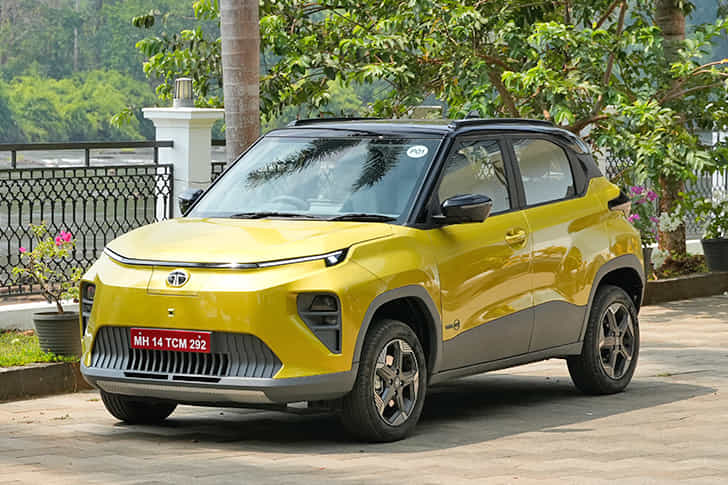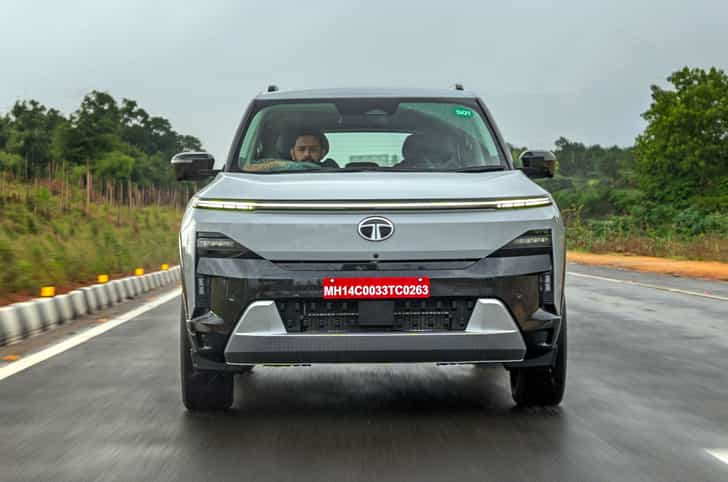
Hi, I'm planning for a reliable car for my family for long term ownership. Mostly, I drive within the city with monthly average of 300-500 km and take 2-3 long trips in a year. I had shortlisted Seltos HTX petrol. However, I'm getting recommendations to go with Harrier base under my budget. Should I opt with Seltos or Harrier?

 Kia SeltosTata Harrier
Hi, I want to purchase an automatic car under 12 lakh as my first car. My monthly running will be under 500 km which includes 20% running in the city and 80% running on the highway. My priority will be comfort and durability with less maintenance. I want to keep it for 8-10 years. My height is 5'10" and I am thinking of going for Amaze CVT. Are there any other options under my budget?
Honda AmazeMaruti Suzuki FronxUpcoming launch buzz
Community discussions on upcoming launches
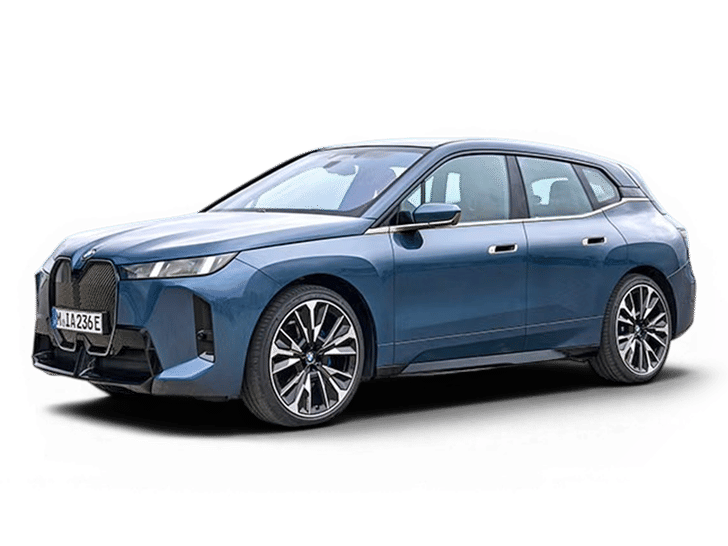
BMW
iX facelift
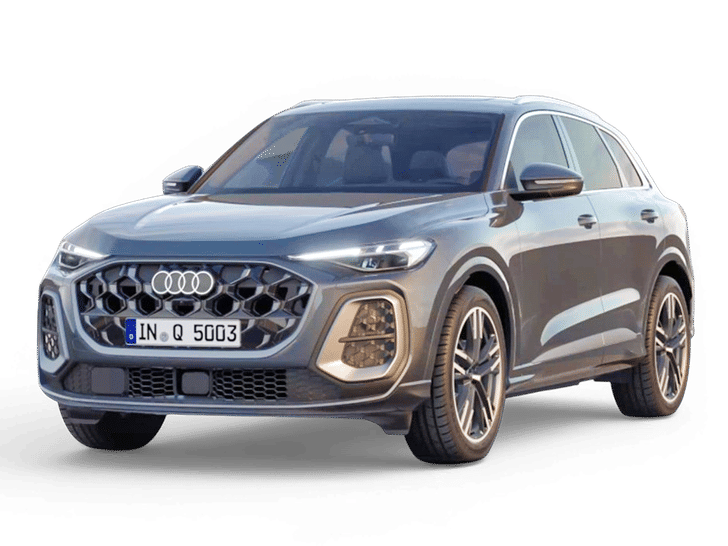
Audi
New Q5
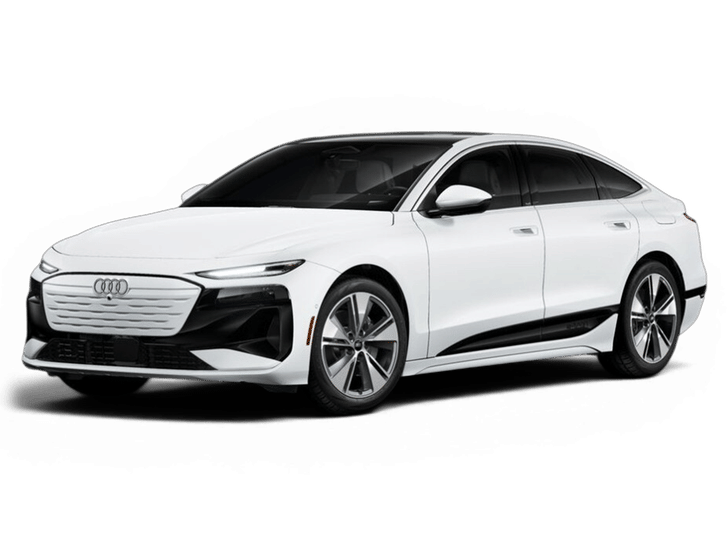
Audi
A6 e-tron

Audi
Q6 e-tron
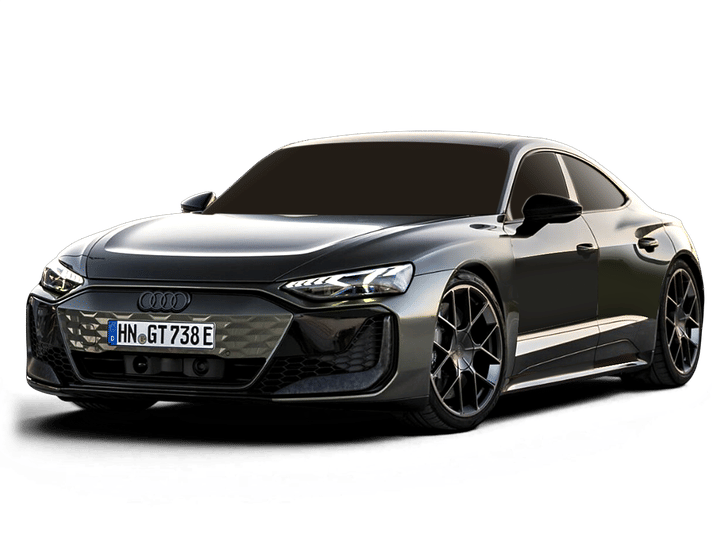
Audi
e-tron GT facelift

Volkswagen
Virtus facelift
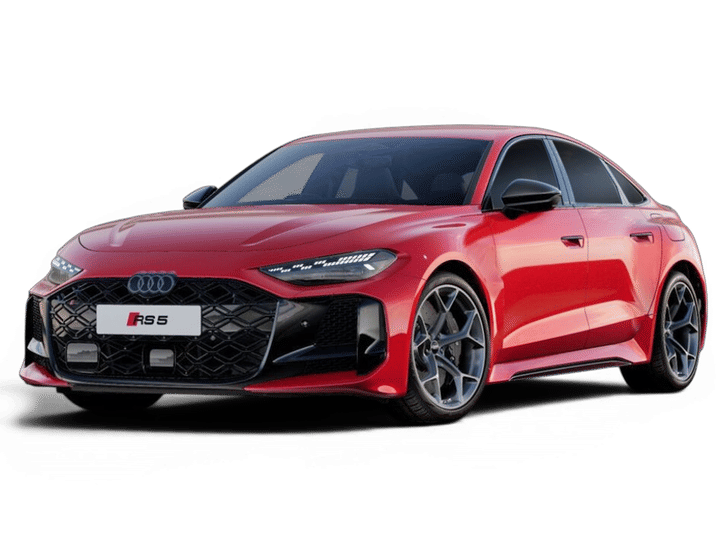
Audi
A5

Vinfast
VF5
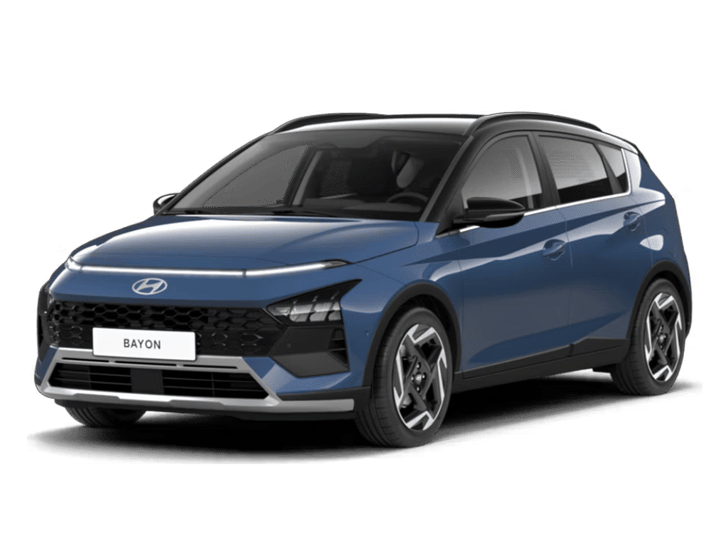
Hyundai
Bayon
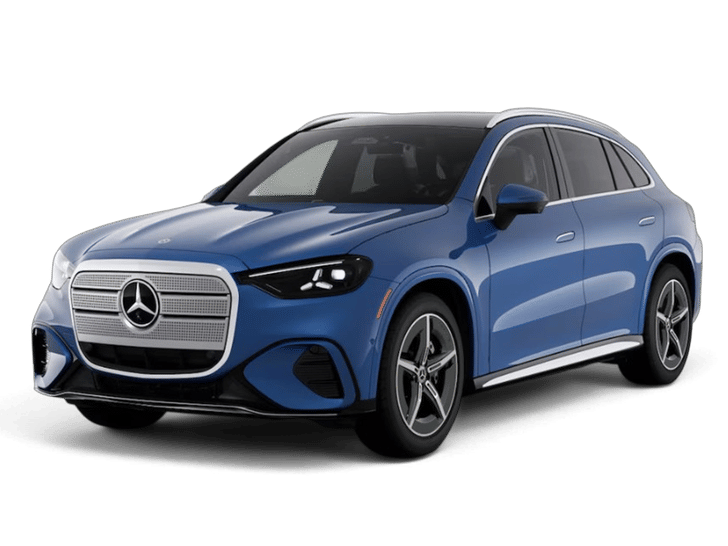
Mercedes-Benz GLC
Electric
The new Duster Hybrid looks like a really good deal. I currently own a 5th-gen Honda City and a Renault Pulse Diesel, and I’m considering replacing the Pulse with the new Duster Hybrid. Would you recommend going for the Duster Hybrid, or would I be better off with the Kia Seltos Diesel? Around 80-85% of my driving is in the city, with occasional highway trips and weekend outings. I am a bit worried about the service at Renault because the ones with pulse weren’t so good. Please suggest.
Renault DusterKia SeltosMaruti Suzuki Grand VitaraToyota Urban Cruiser Hyryder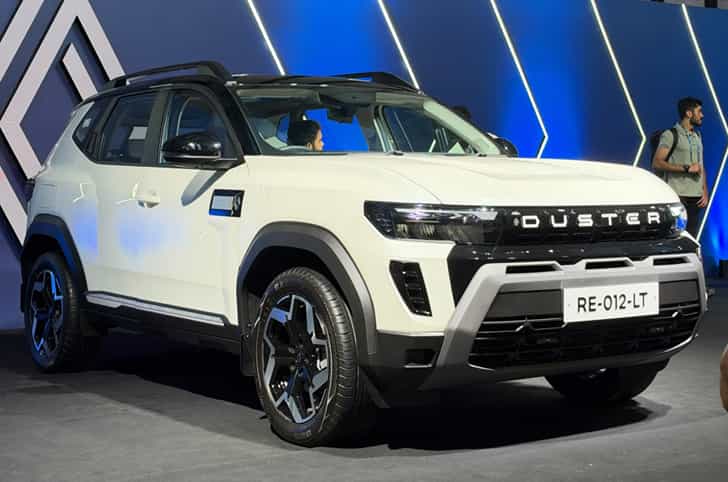
Which among plug-in hybrid or hybrid should I buy? What are the benefits of a plug in hybrid over a hybrid and vice versa? Right now, I am thinking of buying a second hand VW Taigun (about 2 years old ) with a 1.5 engine in automatic. Should I go for it? How should one pay for a 2-year old Taigun?
Volkswagen TaigunWe are a family of 4 and our usage is limited to 10-12,000 km annually which involves 60:40 city-highway usage. Our trips always have a couple of more members joining us. I like the XUV 7XO (diesel) automatic but I am not too sure about its longevity since I would like to own this car for 8-10 years. I considered the Alcazar but I felt the 2nd row is slightly narrow compared to the 7XO. Also, as a car that costs as much as the 7XO isn't nearly as powerful either. Are these my only options? I know my usage may not need a diesel but I would like to own one while these are still available, so I don't mind the delta in price. Also, with the E20 petrol, the performance and efficiency of my current S-Cross has seen drastic difference. I would like the car to be engaging to drive and also reliable with a fuss free ownership. Could you guide me on this please? Thank you.
Mahindra XUV 7XOTata SierraI am planning to buy my first car. I want to have a 7-seater and need it for long term ownership. I liked the Citroen Aircross X design for 5+2. I am planning to choose a car with automatic transmission. I have couple of major concerns for which I would like your advice. First one is Mileage, I heard Aircross has a mileage issue and its real-world city mileage is 8 kpl while on highway it is 14 kpl. Is it the same for X version also? Second advice is for its service network. I have heard from the people that its service is slow. Regular servicing also takes around 2 days of time. I have a service center within 10 km from my home. My budget is Rs. 20 Lakh and I need an automatic transmission with rear and front parking camera or 360-degree camera since I am a new driver. Are there any 7-seater alternatives within this budget?
Kia Carens ClavisCitroen Aircross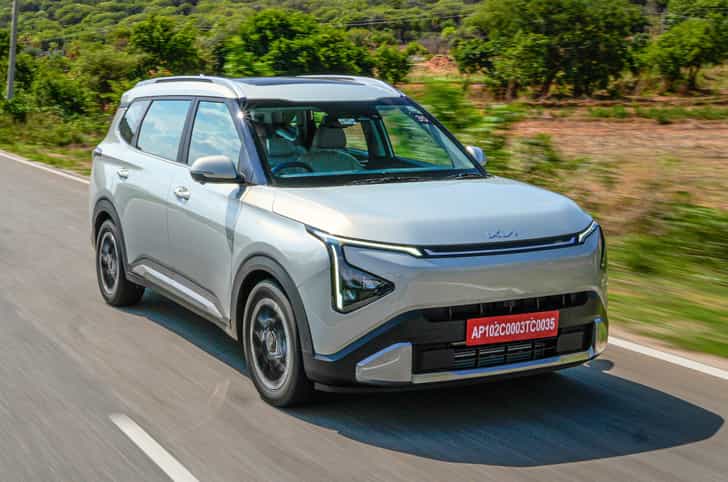
I’m looking for my first personal car, although I’m in no hurry to buy one. I recently drove a friend’s Kylaq Signature+ AT and genuinely loved it. It felt mature, eager, and somehow familiar, almost like home. Since I intend to keep my cars for a long time, I started exploring larger European cars. The Kushaq’s exterior is jaw-dropping, but something feels missing in its dashboard design. The Taigun’s interior looks premium, even if the materials aren’t particularly soft-touch. Then there’s the European Duster Adventure AT, which costs around Rs 4 lakh less than some of my other options, but I’m not particularly keen on its reflector headlights. Now I’m tempted to test-drive the Scorpio-N Z6 D AT and XUV 7XO AX3 D AT as well, since they fall within a similar price range. However, fuel efficiency, servicing and overall ownership costs seem excessive for someone who drives barely 5,000km a year, mostly for pleasure. I commute on my Jupiter. Here’s my dilemma. The Kylaq Sportline AT would cost around Rs 13 lakh with BH registration. I loved driving it, and its space should be sufficient even if kids enter the picture five years from now. The Duster Adventure AT costs around Rs 16 lakh and sits a segment above the Kylaq, with a more substantial mechanical package. My heart has wanted a VW or Skoda ever since we bought Dad’s Honda City, which is why the Kushaq and Taigun remain tempting options. Then there’s the XUV 7XO AX3 D AT at around Rs 20 lakh. It’s huge and tempting, but I’m unsure about its body roll. My friend’s 2019 XUV500 impressed me, although its body roll was noticeable. I don’t really need a big SUV, but if I’m buying a car to keep for the long term, should I stretch my budget or stick with the Kylaq, which I already love driving?
Skoda KylaqSkoda KushaqVolkswagen TaigunRenault DusterMahindra XUV 7XOPlease advise which car would be the best choice for long-term ownership: the Mahindra Scorpio, Tata Safari, Tata Harrier, Jeep Compass, Volkswagen SUV, or any other suitable option. My priority is reliability, long-term durability, and hassle-free ownership over the next 10 years or more. I would appreciate suggestions based on real-world ownership experience, maintenance costs, spare parts availability, and after-sales support.
Mahindra Scorpio NMahindra XUV 7XOTata HarrierTata SafariSkoda KushaqVolkswagen TaigunJeep CompassI am confused between the Hyundai Creta Electric and the Tata Sierra EV. I am a little hesitant about the Sierra because of the glitches being reported, whereas the Creta Electric seems to have been relatively problem-free based on what I have heard so far. I also feel that the Creta Electric's motor is better refined, as the motor noise in the Sierra seems to creep into the cabin at speeds above 50kmph. Kindly advise me on which one would be the better choice.
Hyundai Creta ElectricTata Sierra EV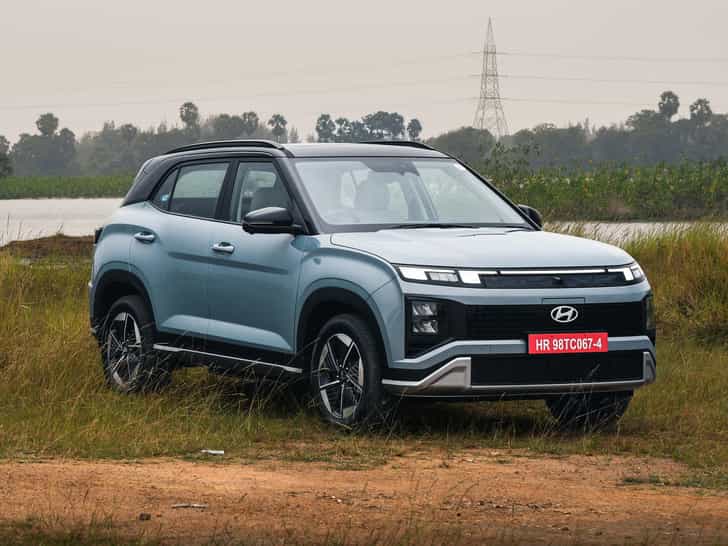
Hello Team, I am looking to upgrade my car and currently own a 2017 Volkswagen Ameo Highline. I have been a Volkswagen fan since then, and my budget is around Rs 35 lakh. The two options I am considering are the Volkswagen Tiguan R-Line and the Jeep Compass Model S. My preference is leaning towards the Volkswagen, but I would appreciate your suggestions if there are any better alternatives in this budget. Thanks in advance!
Volkswagen TiguanJeep CompassSkoda KodiaqHi, I am looking for a budget-friendly car for driving in the hills of Uttarakhand. My priorities are reliability, high ground clearance and the ability to handle hilly roads with ease. I am considering the Mahindra Bolero Classic. Would it be a suitable choice for my requirements? Thanks in advance.
Mahindra BoleroMahindra Scorpio ClassicHi team, I am planning to buy the Tata Altroz diesel, but I am confused between the Altroz and the Kia Sonet. Given that both options fall into different segments, I am unsure whether I should go for the Altroz or consider a sub-4-metre SUV like the Sonet. Could you please help me understand which would be the better choice? Thanks in advance.
Tata AltrozKia Sonet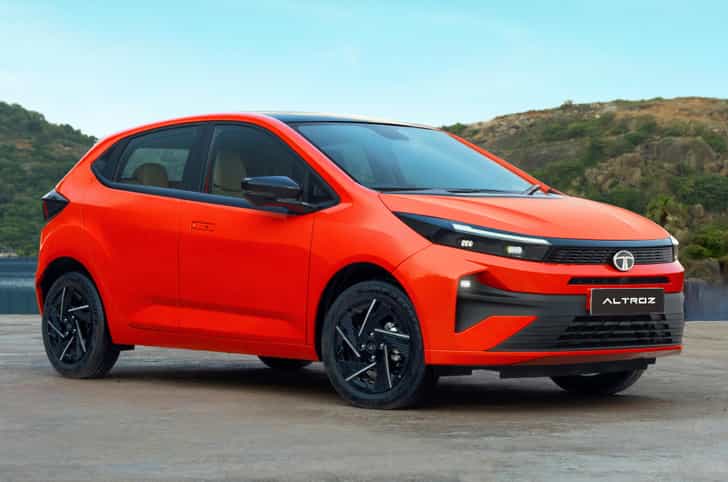
Hi, I am planning to buy an EV with an on-road price within ₹20 lakhs. Can I consider the ZS EV? My daily commute is around 50-60 km, including 30-35 km of highway driving, with the rest being city driving. I need a spacious car with a good interior. I don’t like the Curvv or Windsor designs. I currently use a Nexon petrol, which I like.
MG ZS EVMG WindsorTata CurvvTata NexonHello, I am planning to buy a car for my family, but I am confused about which one to choose. We are a family of seven, and our car usage is quite low. We mostly use it for long-distance family trips. Which car would you recommend for my family? Should I consider an SUV or a 7-seater MPV? I would appreciate your suggestions based on comfort, safety, mileage, and overall value for money.
Toyota Innova HyCrossKia Carens ClavisMaruti Suzuki Ertiga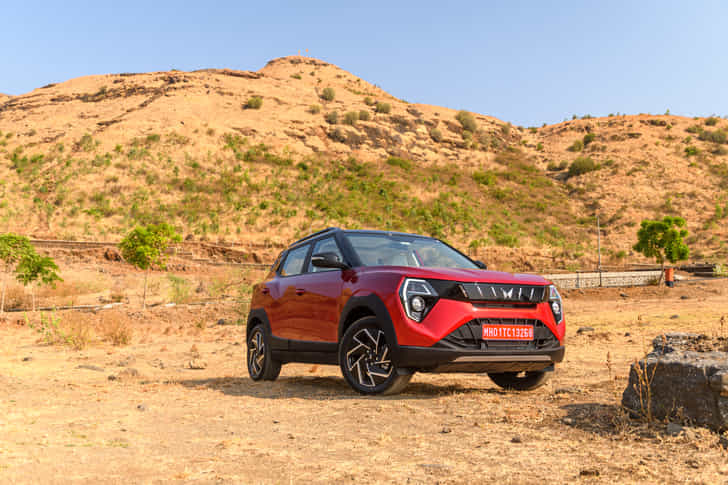
Hello Autocar Team, I’m planning to buy a Tata Sierra diesel and would really value your advice. I’ll be driving mostly in Hyderabad, with city traffic accounting for the majority of my usage and occasional highway trips. Could you please help me with a few questions? 1. Is the Tata Sierra a good buy right now? How is it performing in the market, and has it been a sales success or a flop? 2. What is its real-world diesel mileage in city traffic and on highways, based on your tests? 3. How are its build quality, reliability, and long-term ownership prospects? 4. How good are Tata’s service network, spare parts availability, and running costs, especially in Hyderabad? 5. Given my annual running of around 12,000-15,000km, is the diesel worth the premium, or would the petrol version make more sense? 6. How does it compare with rivals such as the Hyundai Creta, Kia Seltos, and Mahindra XUV700 for my usage? Thank you for your time. I look forward to your guidance.
Tata SierraTata TiagoHyundai CretaKia SeltosMahindra XUV 7XO