Latest questions answered by experts
Anil
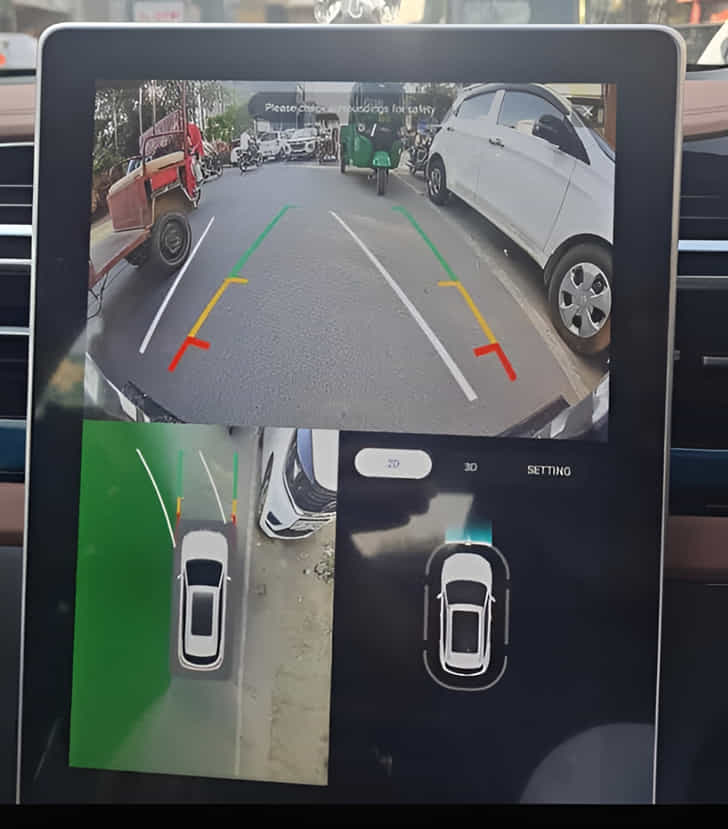
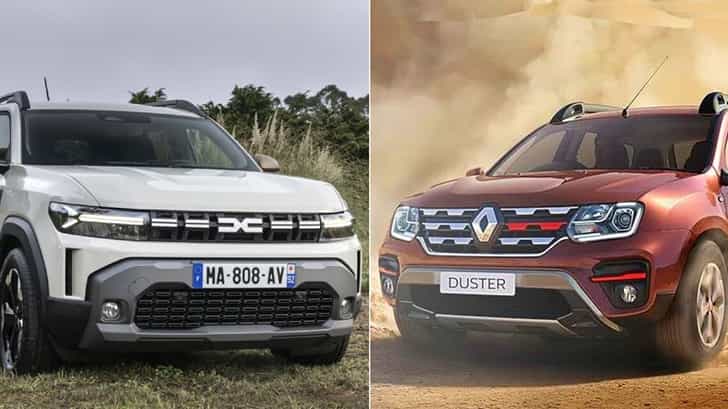
•22hI am planning to upgrade from my current Suzuki Baleno top-spec Alpha variant. I am looking for higher ground clearance, ventilated seats, a 360-degree camera, and a smoother transmission (unlike my current AMT). I am considering the Duster, Seltos, Victoris, and Creta. My annual driving is mostly in the city and under 10,000 km. Kindly suggest the best option.

Autocar India
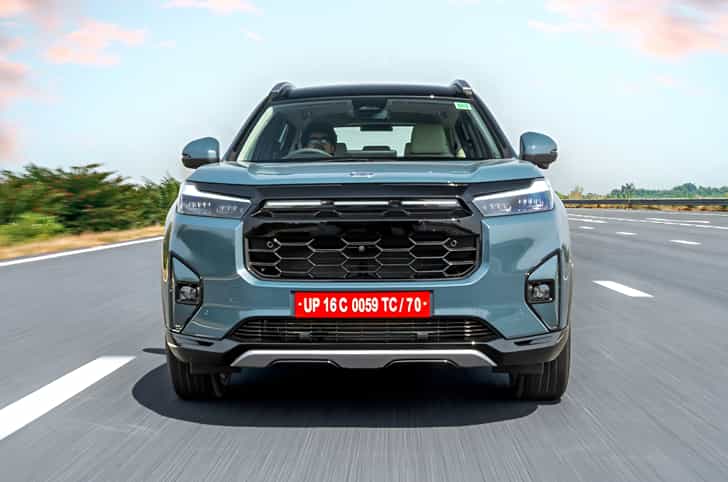
You are looking for higher ground clearance, smoother automatic, cooled seats and a more premium experience, and the Seltos delivers on all of these. The IVT gearbox is very smooth in city traffic, a clear step up from your current AMT, and the naturally aspirated petrol is refined and easy to drive for your low, city-heavy running. Being a newer generation car, it also feels more premium inside and out, offers better space and has a well-sorted ride that suits both city and occasional highway use.The Duster is a strong alternative if you prioritise driving feel. The turbo petrol with DCT is more engaging, but in daily city use it will not feel as smooth as the Seltos IVT, and fuel efficiency will also be lower. The Grand Vitara is efficient and easy to drive, but it does not feel as premium and the engine and gearbox combination is not as strong or responsive as the Seltos. It is also not as spacious. The Creta shares a similar powertrain, but being the older car, it does not feel as fresh or as premium inside, is slightly less spacious and costs similar money, which makes the Seltos the better pick.

Swapnil Mayuresh
•16hHi, will Mahindra upgrade its diesel mHawk engine with more power and torque in the future, or will it continue stretching the current tuning as much as possible before phasing it out due to emission norms? I believe Mahindra’s core DNA lies in diesel engines, and they should continue to develop and upgrade them.

Autocar India
Mahindra will continue updating the mHawk diesel, but don’t expect major gains in power or torque going forward. The engine is already highly optimised in its current form, delivering strong performance across models like the Scorpio N and XUV range, and it is close to its practical limits in terms of balancing performance, reliability and emissions. What will change is the focus. Future updates will be driven more by stricter emission norms and efficiency targets rather than outright performance, so expect refinements, cleaner running and possibly some level of electrification rather than big power jumps.At the same time, Mahindra is still deeply invested in diesel, and it remains a core part of their SUV lineup, so it is not going away anytime soon. They will continue to evolve the mHawk as long as regulations allow, especially because diesel still makes the most sense for torque-heavy SUVs. However, the long-term direction is clear. With tightening norms and the company’s strong push into EVs, diesel will gradually become a smaller part of the portfolio rather than being replaced overnight.
Zeeshan
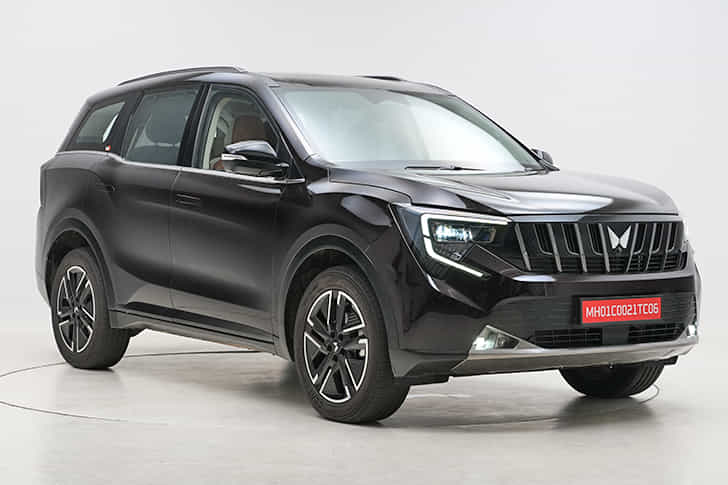
•9hCurrently an Exter owner looking to upgrade for a family of five. My budget is ₹15 lakh, strictly for a sub-4m petrol automatic (non-AMT) for better city traffic usability. I need maximum cabin space and a sportier driving experience, with daily city use and a highway trip of 700-1000 km once a quarter. Mandatory requirements: Non-AMT automatic, rear AC vents/armrest, and keyless start. Good-to-have features: ESC, hill hold, and an E-brake. Concerns: XUV 3XO (reliability), Sonet/Kylaq (rear seat space), Brezza (dated interior), Tata (avoiding due to service), Venue (too recent). I am highly confused. Please suggest the best two sub-4m petrol automatic models that balance space and reliability with a sporty drive (for example, XUV 3XO vs Brezza). Also, thanks in advance for the test drive recommendations. For context, in our family we already have a Honda City (9 years old), a Skoda Kushaq (2 years old), and a Honda CR-V (9 years old).

Autocar India
The XUV 3XO fits your brief better on key counts. It has a wider rear seat and better rear seat space than the Brezza, which makes it more comfortable for five occupants. It is also the more engaging car to drive, with a stronger, more responsive engine and a more modern overall feel. For your mix of city driving and occasional highway runs, it strikes a good balance between performance and usability, while also offering a richer feature set.The Brezza, however, still holds its ground on ease of ownership and reliability. Its torque converter automatic is smooth and predictable in traffic, and Maruti’s service network and long-term dependability remain a big advantage. It is also comfortable and easy to live with, but it does not feel as modern or as engaging as the 3XO.The difference is simple. The 3XO offers more space and better driving performance, while the Brezza offers greater peace of mind and a more proven ownership experience.
Peasant Sampan
•21hHello Autocar, I am planning to buy a sedan, with almost 90% city usage. Please suggest a suitable option. Also, is it true that for my usage, naturally aspirated (NA) engines are better suited than turbo-petrol engines?

Autocar India
For your usage, a naturally aspirated petrol with a CVT or IVT is the best fit. These setups are smoother, easier to drive in traffic and more predictable, which matters far more in city conditions than outright performance. So yes, in your case, NA engines are better suited than turbo petrol.The Hyundai Verna IVT stands out as the most well-rounded option for city driving. The engine is smooth, the IVT gearbox is very intuitive in stop-and-go traffic, and the overall driving experience is effortless. It feels refined and easy to live with daily.The Honda City Hybrid is worth considering if your running is high. It offers excellent fuel efficiency, strong performance and is very easy to drive in the city thanks to its hybrid system. However, it comes with a higher upfront cost, and the battery placement results in a higher boot floor, which slightly affects practicality.Compared to the Verna, the standard Honda City CVT is also an option, but the engine feels a bit noisier, and the gearbox is not as intuitive as the Verna’s IVT in everyday use.

Zorro
•1dAs a diesel enthusiast, I am now considering switching to an electric vehicle. My budget is around ₹30 lakh. I am currently confused between the BYD Atto 3 and Mahindra Electric offerings. I have also looked at Tata Motors EVs, but I have come across feedback suggesting a noticeable difference between claimed and real-world range.

Autocar India
You are coming from diesel, so your expectations are clear. Strong performance, long-range confidence and a solid feel. The Mahindra XEV 9e matches that better. It is a larger, more powerful car that offers significantly more space and boot capacity, and delivers stronger performance. It also has a bigger battery and higher claimed range, which makes it better suited for long-distance use.The BYD Atto 3, on the other hand, is a more mature and sorted EV. It feels very well put together, easy to drive and comfortable. It is slightly smaller, easier in the city and has a more proven track record as a product. If your usage is mostly urban and you value refinement over size and performance, it is a strong option.
Muhammed Hijas A M
•1dI am confused between the Hyundai Creta Electric and the Mahindra XEV 9e. Which one is the better car overall?

Autocar India
The difference is in character. The Hyundai Creta Electric is very well calibrated and easy to drive. It feels like a normal petrol car that happens to be electric. That makes it comfortable and predictable, especially in daily use. But that also works against it. It does not feel special or exciting, just very clinical.The Mahindra XEV 9e is the opposite. It is faster, more powerful and noticeably larger. You get more space, a bigger boot and significantly better range thanks to a larger battery. It also feels more futuristic inside and out, which adds to the overall experience.
Need expert advice?
Ask the Autocar community and experts.