Latest questions answered by experts
My city commute is in Pune or Hyderabad, with around 250 km of city driving and 800-1,000 km of highway driving per month. I have shortlisted the Tata Nexon CNG, Punch CNG, and Altroz diesel, but I’m not sure which one to choose. I am concerned about fuel economy, but I’m worried that I might face difficulties if CNG is not available. That is why I considered diesel, although I’m also unsure about its future. I enjoy driving, just FYI. Please let me know which car would be a better choice for my needs.
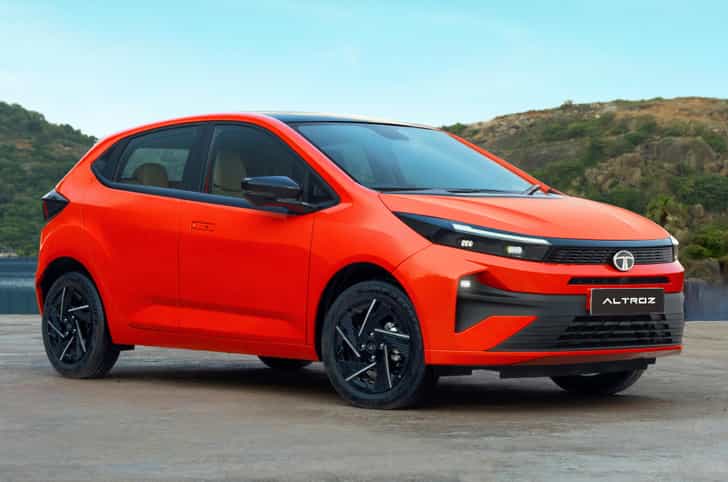
Go for the Tata Altroz diesel. Your running is high enough to justify a diesel, and the Altroz diesel is one of the few genuinely efficient and enjoyable small diesels left on the market. This Tata car delivers strong fuel economy on the highway, has a punchy mid-range for overtaking, and is genuinely enjoyable to drive on open roads. Diesel availability is not a concern, and with your kind of running, the fuel savings will add up quickly.CNG makes sense only if you have reliable access to filling stations along your regular routes. If you are already worried about availability, it is not worth the compromise. The Nexon and Punch CNG are both good cars, but the inconvenience of planning refuelling stops will quickly outweigh the savings.The Altroz diesel is also a well-rounded car with a comfortable ride, good safety credentials and a solid ownership experience. It is the most sensible and enjoyable choice for your usage pattern.

Upcoming launch buzz
Community discussions on upcoming launches
BMW
iX facelift

Audi
New Q5

Audi
A6 e-tron

Audi
Q6 e-tron

Audi
e-tron GT facelift

Volkswagen
Virtus facelift

Audi
A5

Vinfast
VF5

Toyota
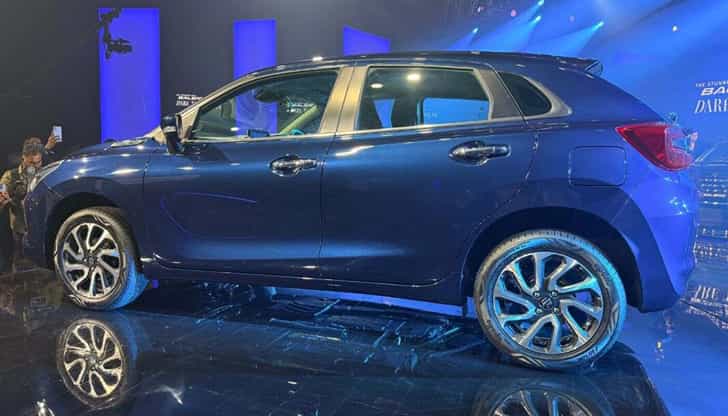
Glanza facelift

Audi
New Q3
I am 34 years old and I currently own a Honda Amaze. I am planning to get a new car. My annual running is around 7000 km and 85% of the running is out of Mumbai. I wanted a sedan but that is not mandatory. I want to buy a car that I plan to keep for the next 10 years. I need a safe automatic car that has front ventilated seats with good after sales support. I like Hyundai Verna and Creta but I do not want to go for a Maruti or Tata car. My budget is 15 lakh that can be extended up to 19 lakh if the car is value for money. Which car do you suggest?
Go for the Hyundai Verna 1.5 petrol IVT. It is the best fit for your requirements. You are coming from a Honda Amaze, so you already appreciate the comfort and ease of a sedan. The Verna is a significant step up in terms of refinement, space and features, and it offers a genuinely premium ownership experience. The IVT automatic is smooth and well suited to your driving pattern, especially with 85 percent of your running outside Mumbai. The Verna also offers front ventilated seats, strong safety credentials and a comfortable ride, making it a great long-term ownership proposition. Hyundai's aftersales support is strong, and the car is known for its reliability and low maintenance costs. Your annual running of 7,000 km does not justify a diesel, and the petrol IVT strikes the right balance between performance and efficiency. The Creta is a good alternative if you specifically want an SUV, but the Verna is the more value-for-money option and better suited to your preferences.
I am 36 years old and we are a family of 6 including 4 adults and 2 kids. I am looking for an automatic car under 25 lakh (on-road) that has low cost of ownership in the city of Ahmedabad. My yearly running is approximately 12000 km which includes 70% running in city and 30% running on highways. It should be fund to drive as I plan to own it for the next 8-10 years without worry. Please recommend me a car based on above criteria.
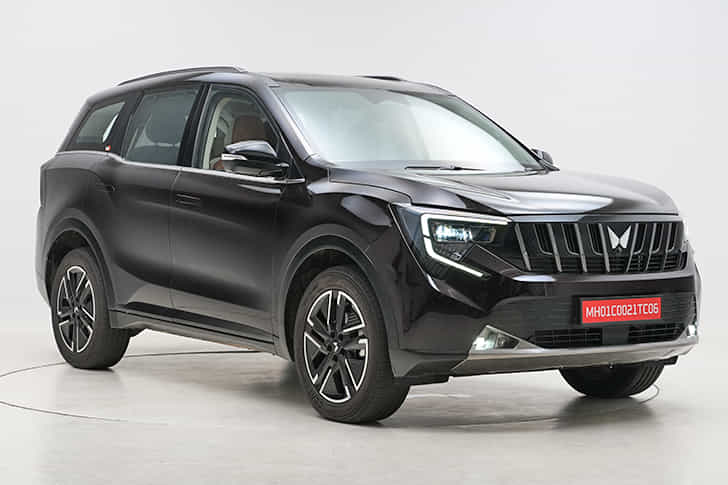
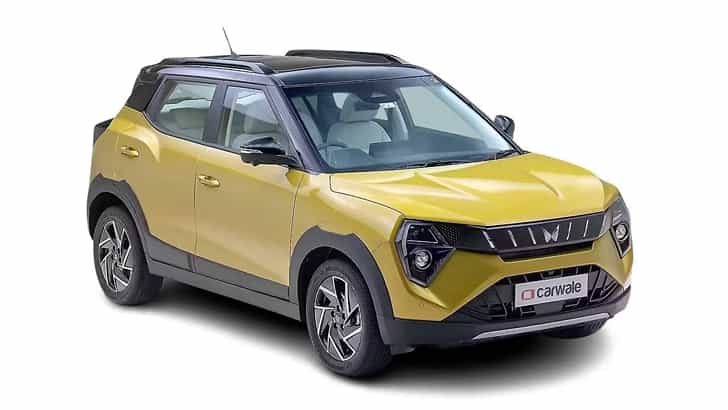
Go for the Mahindra XUV 7XO petrol automatic. It ticks the boxes that matter most to you. Its 5-star Bharat NCAP rating covers safety, and its 200hp turbo-petrol makes it properly quick, so it’s the most fun to drive in this space. With two kids in the family, the third row works well too. It’s tight for adults but perfect for children, so all six of you fit comfortably. The AX5 or AX7 automatic sits within your Rs 25 lakh budget, and the AX7 is the better buy if you can stretch to it.The trade-off is fuel. A big turbo-petrol SUV isn’t frugal, and in our test it averaged under 9kpl overall. At 12,000km a year, mostly in the city, you’ll spend noticeably more on fuel than in a smaller car.If running costs worry you more than driving fun, look at the Kia Carens Clavis turbo DCT. It’s cheaper, more efficient and has a roomier third row, but it hasn’t been crash-tested yet and it isn’t as engaging to drive. Take your family to drive both, with the kids in the back seats.
I own a Mahindra XUV 7XO petrol (6-seater) AX7T since last two months. It delivers a mileage of around 5.7 kpl in the city and got a 12.6 kpl in the highway at a speed of 100 kph. Do you think I should aspire for more?
Your fuel efficiency figures are broadly in line with what we would expect from the XUV 7XO petrol. The 5.7 kpl in the city is on the lower side, but it is not unusual for a large, heavy SUV with a turbocharged petrol engine, especially if your city driving involves heavy traffic, frequent stop-start conditions and short trips. The 12.6 kpl on the highway at 100 km/h is actually quite reasonable for this car, and suggests the engine is operating efficiently at a steady cruise.You can try a few things to improve city mileage: use the lightest possible throttle, anticipate traffic to minimise braking, and avoid idling with the air conditioning on for long periods. Also check tyre pressures regularly and keep the car well maintained. But fundamentally, this is a big, powerful petrol SUV and its fuel efficiency will never be its strongest suit. If your usage is predominantly city driving, this is simply the nature of the car rather than something to be overly concerned about.
I have to buy a new SUV under a budget of Rs. 25 lakh. My running is 2500 km per month in Delhi - NCR with occasional long drive. My family wants XUV 7XO diesel. However, I do like new Kia Seltos diesel. Please guide.
Go for the Mahindra XUV 7XO diesel. With 2,500 km a month and regular long drives, the diesel engine makes strong financial sense, and the 7XO is the better fit for your usage. It is a larger, more comfortable SUV with a stronger diesel engine, better highway stability and more space for family trips. The Seltos diesel is a very good car, but it is a smaller SUV and does not offer the same level of space or long-distance comfort. The 7XO also gives you the flexibility of a larger boot and occasional third-row use, which is useful for family outings. The only thing to keep in mind is that the 7XO is a bigger car to drive in the city, but overall it is the more complete package for your usage.
I want a foreign-made SUV. I currently own an Elevate and now, I want another one. Can you guide me whether I should go with Skoda Kushaq, Hyundai Creta or Volkswagen Taigun?
Since you already own a Honda Elevate and are looking for a foreign-made SUV, the decision really comes down to what you want from your second car. The Skoda Kushaq and Volkswagen Taigun are essentially the same car underneath, so the choice between them is more about brand preference and dealership experience. Both are excellent to drive, with strong turbo petrol engines and a more engaging driving experience than the Creta. The Kushaq tends to offer slightly better value for money, while the Taigun has a marginally more premium interior feel.The Hyundai Creta, on the other hand, is the safer, more rounded choice. It is more comfortable, has a wider service network and is generally easier to live with over the long term. It may not be as engaging to drive as the Skoda or Volkswagen, but it is the more sensible ownership proposition.If you are looking for a car that feels different from your Elevate and enjoy driving, go for the Skoda Kushaq. If you want a hassle-free ownership experience, the Hyundai Creta is the better choice.
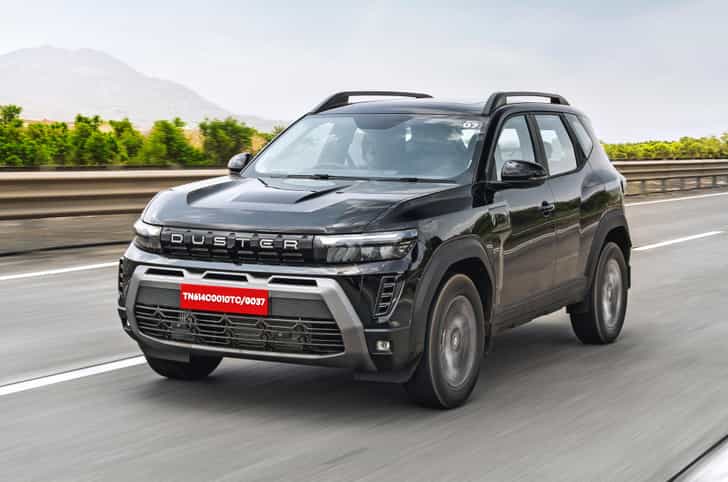
I am confused whether I should go with the Slavia 1.5 DSG facelift or the Duster 1.3 Turbo. Since 80% of my weekly driving (which is around 80 km) is in heavy Bengaluru city traffic. Will the Slavia's DSG clutch pose a reliability risk, or is the Duster a safer pick?
Both of these use dual-clutch automatics, but there’s an important difference for your driving. The Duster’s DCT uses wet clutches, which run in oil. The oil keeps them cool, so they cope much better with the constant creeping and slipping of stop-go traffic. The Slavia 1.5’s 7-speed DSG uses dry clutches, which have no oil cooling and can heat up in long, slow crawls. For Bengaluru traffic, that’s a real point in the Duster’s favour.The Duster is the better fit in other ways too. Renault has tuned its gearbox for smoothness rather than outright speed, and in our test it worked really well in city traffic. Its ride is one of the best in the segment, soaking up broken roads, and the higher seating position makes heavy traffic less stressful.Modern DSGs are far more dependable than the early ones that gave them a bad name, so the Slavia isn’t the risk it once was. But the 1.5 TSI is built for open roads, and at around 80km a week, mostly in traffic, you’d rarely enjoy what you’re paying extra for. If you still want the Slavia, look at the 1.0 TSI. It now comes with a new 8-speed torque-converter automatic, which takes the clutch question off the table entirely.

Hello Autocar Team, I need your unbiased expert opinion before buying a new car. I am confused between Tata Altroz Pure CNG AMT quoted for Rs. 9.41 lakh (on-road price) and Tata Altroz Creative CNG Manual of which I am waiting for the final quotation. My budget is Rs. 10.5 lakh. I have been driving manual cars for the last 10 years, and my running is mostly in the Mumbai city traffic and production-location travel. I want a CNG car with good features, safety, comfort and long-term value for money. I am considering spending around Rs. 50,000 extra on the automatic gearbox versus choosing the Creative manual for its additional factory-fitted features. Which variant would you recommend for my usage, and why? I would really appreciate your honest advice before finalising the purchase. Thank you.
Go for the Pure CNG AMT. In Mumbai traffic the automatic is the upgrade you’ll appreciate every single day, whereas extra features soon fade into the background. After 10 years of working a clutch in stop-go traffic, you’ll notice the difference within a week. On paper the Creative manual and the Pure AMT cost about the same, so you’re really choosing between convenience and kit, and for your driving convenience wins.There are two things to know before you go ahead. First, an AMT isn’t as smooth as a proper automatic. It pauses slightly between gears, so we would suggest you to take a test drive of Altroz AMT in traffic before you book. Second, the Pure misses out on rear AC vents, which the Creative gets. If you often carry people in the back in Mumbai’s heat, that’s worth weighing up.Both share the same 5-star Bharat NCAP-rated body and the twin-cylinder CNG setup, so you still get a usable boot. On long trips, expect the CNG to feel a bit strained at expressway speeds. That’s the same whichever variant you buy.
Need expert advice?
Ask the Autocar community and experts.