
Autocar India
16w

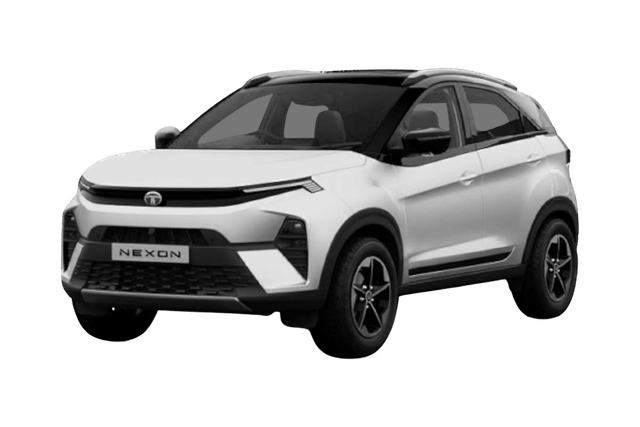
I am planning to buy a new car and am confused between two options: the Tata Nexon Creative Diesel MT and the Mahindra XUV 3XO AX5 Diesel MT. My budget is around ₹13.5 lakh on-road. Please suggest which car would be the better choice.

Verified
15w

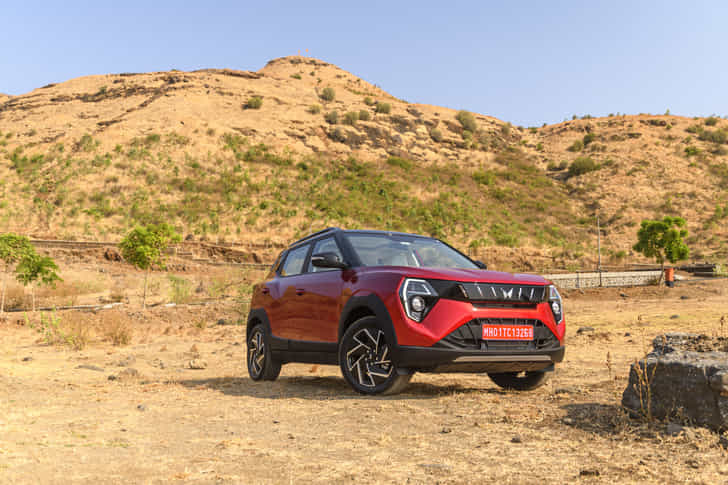
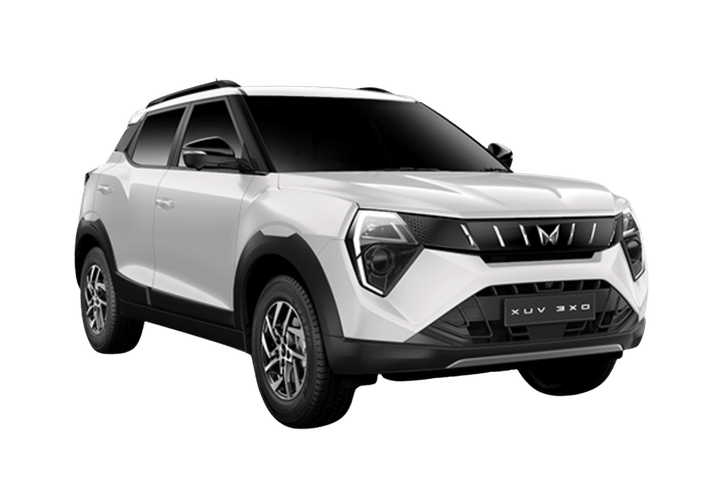
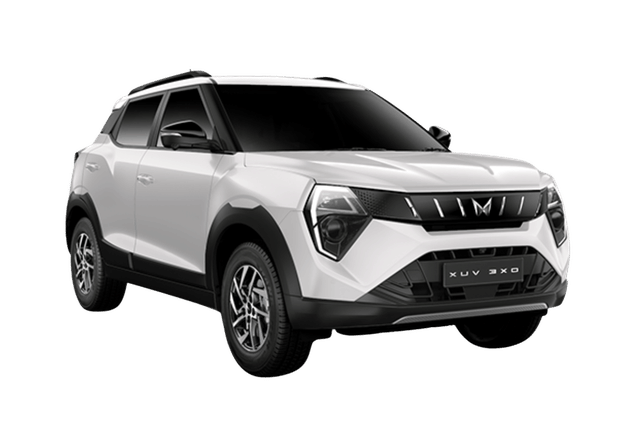
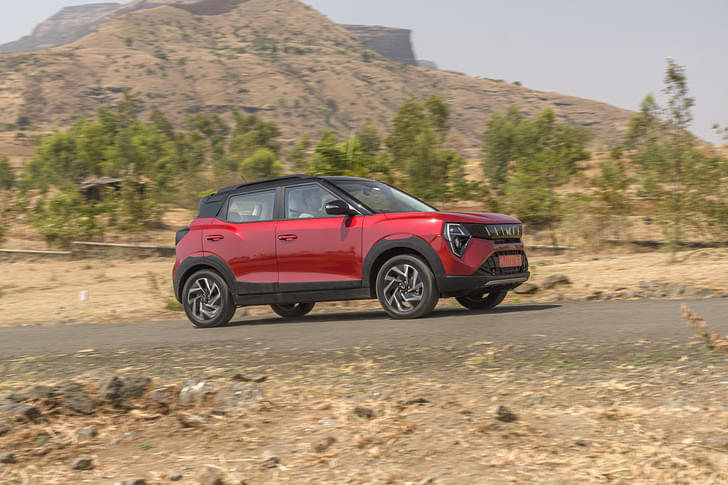
The Mahindra XUV 3XO feels more polished than the Tata Nexon in many ways. The Mahindra is a bit better to drive, thanks to a smoother engine and more absorbent suspension. It also has a roomier cabin, and luggage space isn't bad despite the significant difference in capacity.  

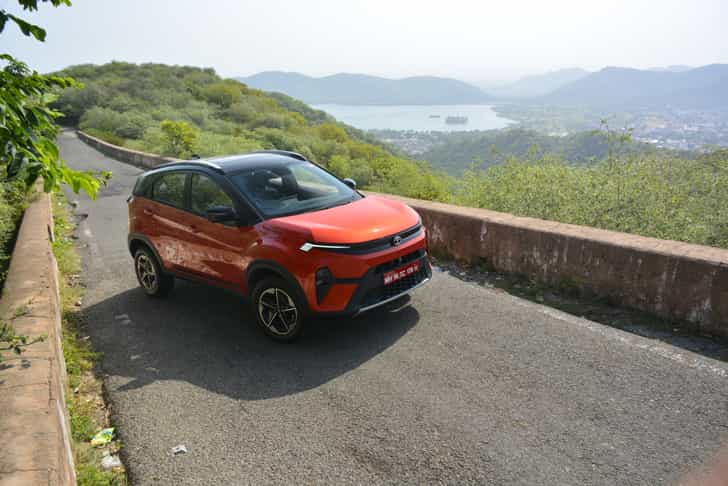
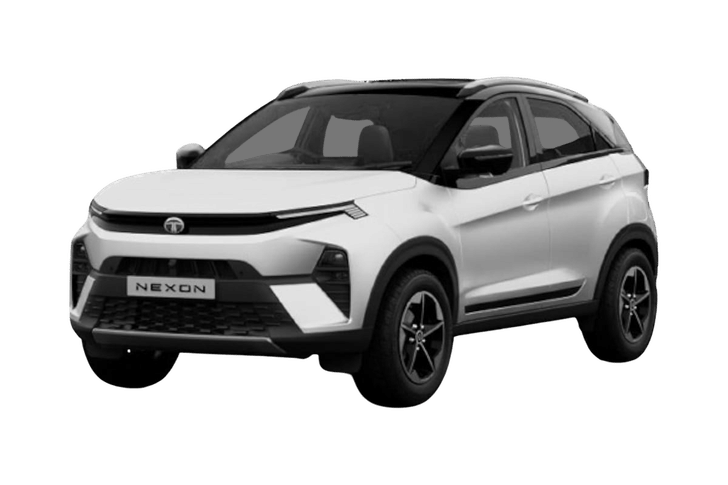
The Tata Nexon diesel has its share of highlights too. It has a more responsive engine as well as sportier handling.

The Nexon Creative and XUV 3XO AX5 are well equipped for the money, but there are feature differences. The 3XO AX5 packs in an electric sunroof while the Nexon Creative gets a crisp 360-degree camera.

All things considered, it's the Mahindra XUV 3XO diesel that we'd recommend. 


Mahindra XUV 3XO

Mahindra XUV 3XO

15w

I intend to buy Tata Nexon Petrol Pure+ at 10.30 lacs and seeking your opinion as it is my maximum budget

15w

Go for it.

15w

Try Skoda Kylaq it has a superb drivetrain

15w

I am planning to buy a new car and am confused between two options: the Tata Nexon fearless +ps petrol MT and the Mahindra XUV 3XO AX petrol MT. My budget is around ₹14.0 lakh on-road. Please suggest which car would be the better choice.

More questions on similar cars

5d

Hi, I am a resident of Bangalore and drive mainly in the city, with occasional highway drives. I am planning to buy a car that can handle both. Right now, my choices are the Honda Amaze IVT automatic and the Maruti Fronx CVT automatic. Please recommend the better of the two cars. Factors to be considered are mileage, service cost, spare part cost, driving comfort, and, of course, reliability. Also, please let me know if the Mahindra XUV 3XO torque converter automatic is a better choice compared to these two. I am looking for value for money, good mileage, longevity, and good performance.

Verified
3d

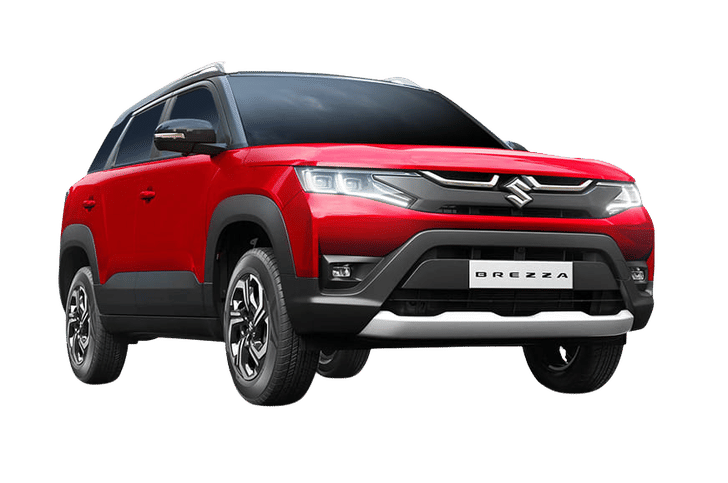
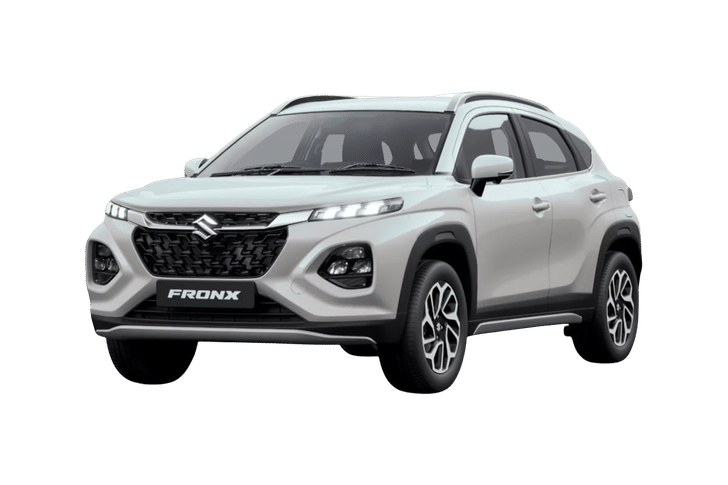
A correction, first. The Maruti Suzuki Fronx does not come with a CVT. The base 1.2-litre petrol engine is offered with an AMT, while the 1.0-litre turbo-petrol gets a torque-converter auto combination. Both versions are fuel-efficient for their respective engine type. However, given your priorities, the Fronx AMT makes more sense. It isn't the slickest gearbox, but it is smooth enough for everyday city driving. What really strengthens the Fronx AMT's case is its fuel economy, which is comparable to that of a manual car. You will not have any issues with spare parts or service costs. The Fronx Turbo AT offers a smoother, punchier experience, but fuel economy takes a hit. The Honda Amaze CVT is very smooth and refined, making for a practical package. However, mileage isn't as good as the Fronx AMT, and long-term ownership costs will be higher than those of a Maruti, too.The Mahindra XUV 3XO with the torque-converter automatic is an exciting option, but doesn't fit your key requirements. The turbo-petrol engine and torque converter auto combo isn't particularly efficient.

VehicleMaruti Suzuki Fronx
VehicleHonda Amaze
VehicleMahindra XUV 3XO
5d

I have a budget of Rs. 12 lakh and am currently driving a Tata Tiago, which I have owned for the past 10 years. I am now looking to upgrade and would appreciate suggestions in both the sedan and SUV segments. My biggest dilemma is deciding whether I should choose a sedan or an SUV. In the sedan category, I am considering the Volkswagen Virtus and Skoda Slavia. In the SUV segment, I am looking at the Tata Nexon. Please suggest if there are any better options than these as well. My driving is evenly split between city and highway usage, and I am a light user with an average monthly running of around 1,000 km. Considering my requirements, which type of vehicle would be the better choice, and which models should I shortlist?

Verified
4d

The first thing to note is that with a Rs. 12 lakh budget, the Volkswagen Virtus and Skoda Slavia may be difficult to fit in unless you're looking at entry-level variants or stretching your budget. The Tata Nexon, on the other hand, sits much more comfortably within your range.Between a sedan and an SUV, we'd lean towards a sedan for your usage pattern. With your driving split evenly between city and highway and a relatively modest monthly running of around 1,000km, a sedan generally offers better ride comfort, superior highway stability and a more engaging driving experience. Coming from a Tata Tiago, a Virtus or Slavia will feel like a substantial upgrade in terms of refinement, space and overall quality.If your budget is firm at Rs 12. lakh, we'd suggest looking at the Skoda Kylaq Automatic or Honda Amaze CVT as well. The Kylaq offers SUV practicality, strong safety credentials and a fun turbo-petrol engine, while the Amaze provides the smoothest automatic experience and excellent long-term ownership appeal.The Tata Nexon remains a good all-rounder with strong safety credentials and a practical cabin, but if your heart is set on a Virtus or Slavia and you can stretch the budget, they are the more rewarding cars to own and drive.

VehicleVolkswagen Virtus
VehicleSkoda Slavia
VehicleTata Nexon
VehicleTata Tiago
VehicleSkoda Kylaq
VehicleHonda Amaze

Popular discussions right now

2d

My annual running is below 7,000 km, and I plan to keep my next car for 12-15 years. I am confused between Grand Vitara, Hyryder, Elevate, Creta, Seltos and Victoris. My priorities are reliability, a good balance of power and fuel efficiency, family comfort, low maintenance and long-term ownership. I am also concerned about India's future ethanol-blending policy (E20 and higher blends). Which of these would be the best long-term choice and why?

Verified
1d

With an annual running of less than 7,000km, fuel efficiency should not be the deciding factor. Instead, you should focus on comfort, reliability, ownership experience and how well the car will age over the next 12-15 years. That's why we wouldn't prioritise the Grand Vitara, Hyryder or Victoris Hybrid. Their hybrid systems command a price premium that you'll struggle to recover with such low annual usage.Between the remaining options, the Kia Seltos strikes the best balance. It offers a refined and proven naturally aspirated petrol engine, a smooth IVT automatic, a spacious and premium cabin, excellent comfort and a strong ownership experience. It also feels newer and more upmarket than the Elevate, while the Creta is due for a generational update sooner.The Honda Elevate deserves a mention for its simplicity and reliability. If absolute mechanical simplicity is your priority, it is arguably the safest long-term bet. However, it doesn't feel as premium as the Seltos. The engine and CVT combination isn't quite as refined, and Honda's dealer network is smaller.As for ethanol blending, we wouldn't let it influence your purchase decision. While there is plenty of discussion around E25, E27 and E30 fuels, there is currently no confirmed roadmap for such a transition. More importantly, all of these cars are E20-compliant, and manufacturers have engineered a degree of tolerance beyond that. The most likely effect of higher ethanol blends would be a small reduction in fuel efficiency and slightly accelerated wear of certain fuel-system components over a very long period, not a major reliability issue.

VehicleKia Seltos
VehicleHonda Elevate
VehicleMaruti Suzuki Grand Vitara
VehicleMaruti Suzuki Victoris
VehicleToyota Urban Cruiser Hyryder

Posted on: 8 Mar 2026