Latest questions answered by experts
Please suggest a car under Rs. 11-12 lakh considering 2000-2500 km of monthly running.
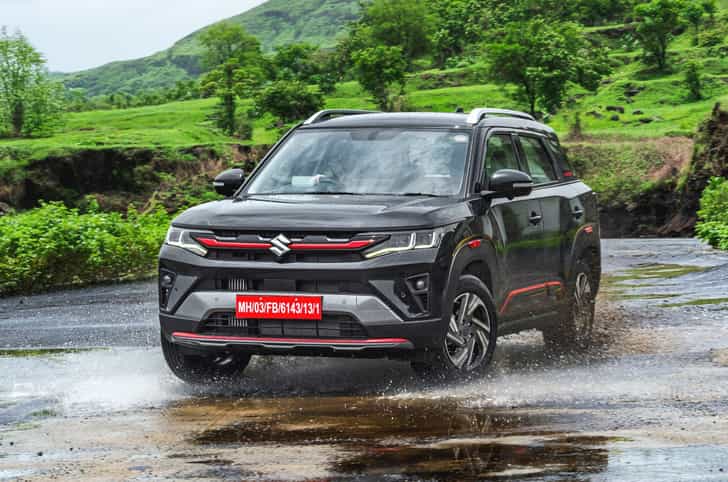
Since your monthly running is fairly high, a CNG or diesel vehicle could significantly reduce your running costs. If most of your driving is within the city, consider the Maruti Suzuki Brezza CNG. It gets a dual-cylinder tank setup that preserves much of the boot space while offering excellent fuel efficiency. Alternatively, consider the Tata Nexon iCNG or Mahindra XUV 3XO ZNG if you want better performance and are willing to sacrifice some fuel efficiency.If most of your driving is on the highway, then you should go with diesel. Consider the Kia Sonet or Hyundai Venue diesel. Both use refined powertrains that offer good fuel efficiency and strong highway performance.

Upcoming launch buzz
Community discussions on upcoming launches
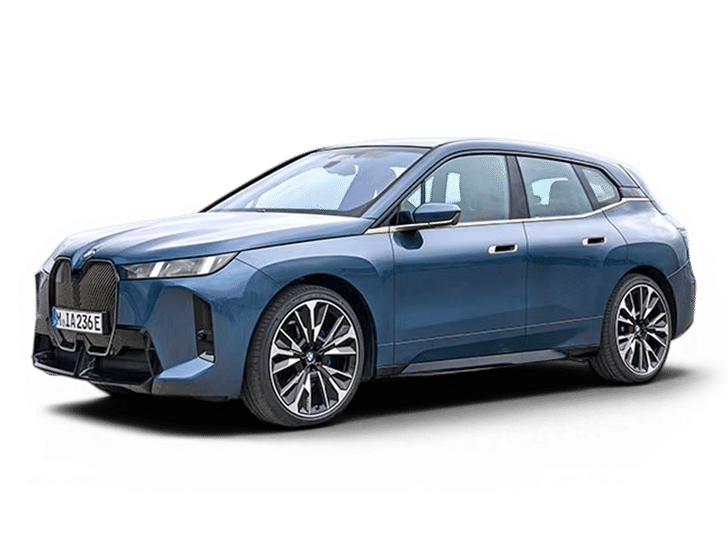
BMW
iX facelift
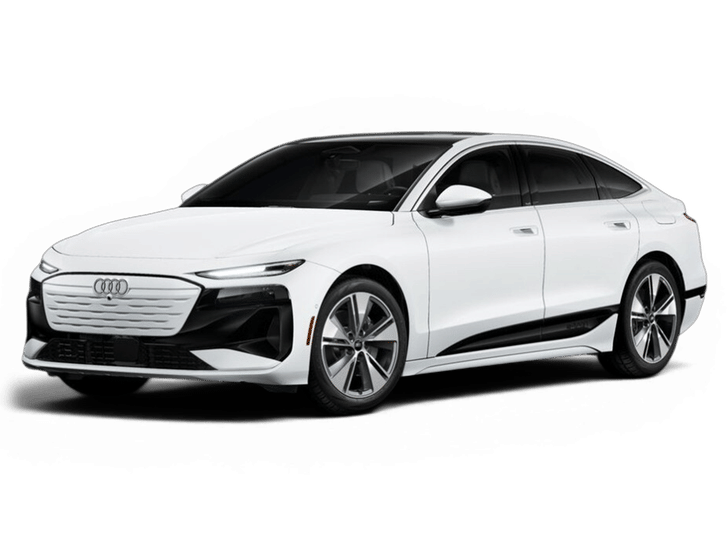
Audi
A6 e-tron
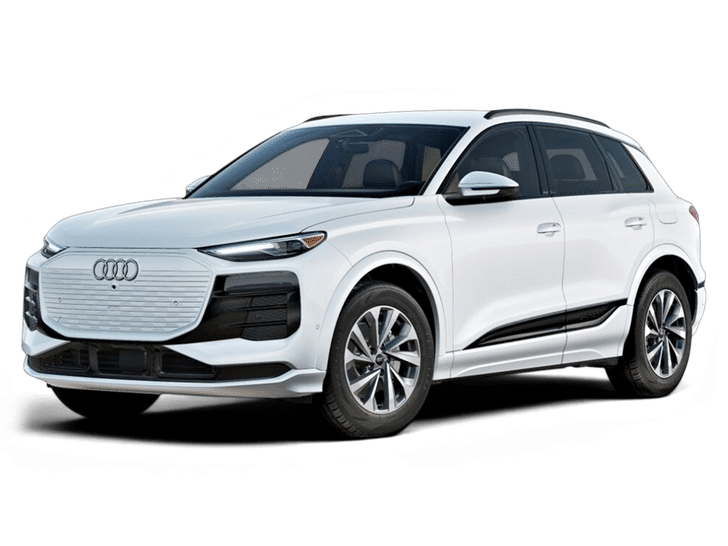
Audi
Q6 e-tron
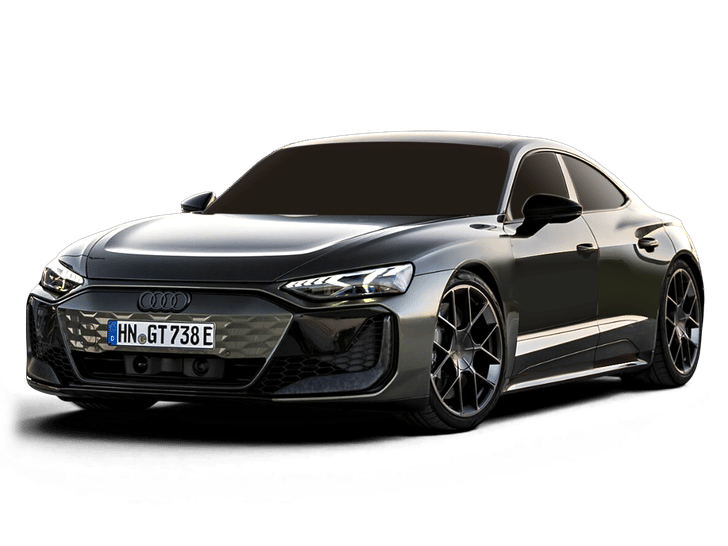
Audi
e-tron GT facelift

Vinfast
VF5
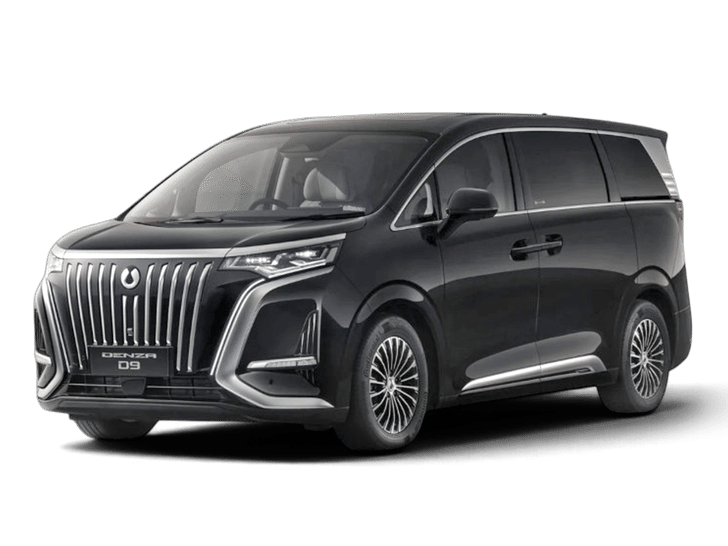
Denza
D9
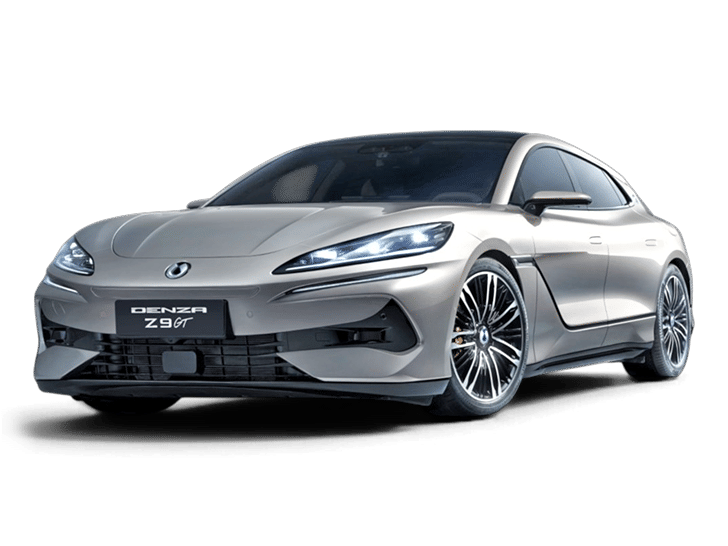
Denza
Z9 GT
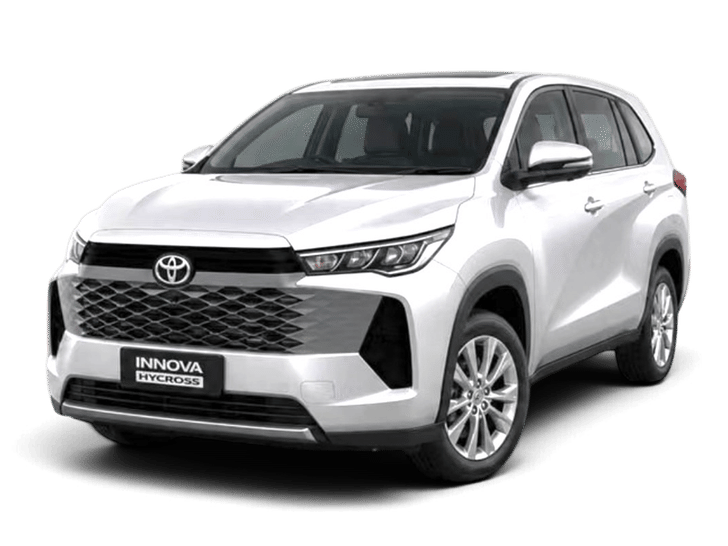
Toyota
Innova HyCross facelift

Mini
Cooper Electric
Volkswagen
Virtus facelift
I want to buy a compact SUV (petrol, automatic) under a budget of Rs. 12-13 lakh. Help me decide between Brezza, Venue, Kylaq, XUV 3XO and Amaze (since it is a compact Sedan) considering that the mileage within city should not be less than 13-14kpl.
Between your picks, the Maruti Suzuki Brezza 1.5-litre automatic is your best bet since city fuel efficiency is your main priority. The Hyundai Venue, Skoda Kylaq and Mahindra XUV 3XO all use turbo-petrol engines, which aren't particularly known for their fuel efficiency in the city. That said, achieving your target of 13-14kpl in city driving with any of these cars will require a very sedate driving style.The Brezza also comes with a smooth-shifting 6-speed torque converter automatic, which makes driving in the city very easy. One drawback is that, its interior won't feel as modern as the Hyundai Venue. The Honda Amaze is another good choice, but being a compact sedan, it won't feel as spacious as the Brezza.
I am confused between Brezza 1.5 NA Manual and Mahindra XUV 3XO 1.2L turbo-petrol Manual considering that my car will be ideal for 2 weeks and will cover upto 5000km yearly. Please suggest.
Given your usage pattern, the Maruti Suzuki Brezza 1.5 petrol makes more sense. Since your usage isn't a lot and the car will be idle for certain periods, you need something that's reliable, easy to maintain and stress free to own, all of which the Brezza is. The Brezza will also be more fuel efficient than the XUV 3XO turbo petrol and it has a bigger boot as well. The Maruti may not be as feature-rich as the Mahindra or have as punchy an engine, but the Brezza makes up for it by being comfortable, fuel efficient and easy to live with. If you do want the punch of a turbo petrol, consider the Brezza turbo which comes with a 1.0-litre engine and feels more peppy than the Brezza 1.5 and it will be more efficient than the XUV 3XO. To top it off, it will be more affordable the than the equivalent Brezza 1.5 version as well.
Hi team, I am planning to buy my first car and am looking forward to your recommendation. My budget is Rs. 20 lakh (on-road) that I can stretch slightly for clearly more value. I need a 5-seater that I can keep for more than 10 years. My running is around 8,000-10,000 km annually which is mostly within the city and I also travel occasionally on Ajmer-Noida highway (around 420 km one way). My hometown is Ajmer where I have my own parking and rooftop solar (6 kW sanctioned load). The car will stay there most of the time and will be registered in Rajasthan. But I have a doubt. I work in Noida where I have no parking or charging at home or at the office. I am not sure where my next job will be and I might have to take the car may move with me in a few years. My priorities are safety, reliability, low long-term ownership cost and good service support. Features come second in priority. I'm in no hurry to buy the car and can wait a few months. For this usage, which powertrain makes the most sense for an ownership of over 10 years among petrol, strong hybrid or EV? Which car and variant would you advise in this budget? Should I buy a car now, or is there an upcoming launch worth waiting for?
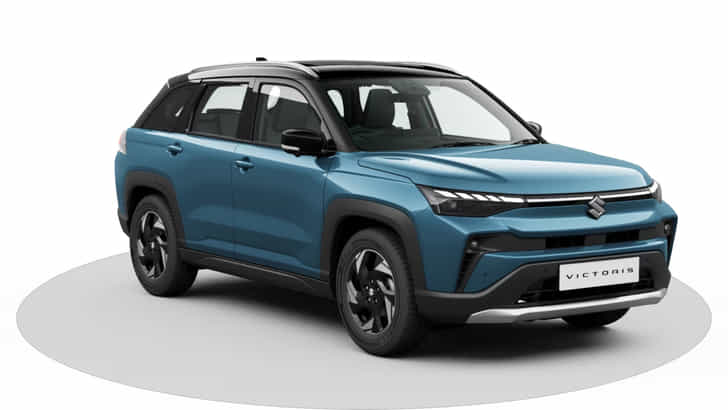
For your usage, a strong hybrid like the Maruti Suzuki Victoris makes a lot of sense. You won't have to worry about charging in Noida or during your long highway trips, while the hybrid system should help you save a considerable amount on fuel, given that most of your driving is within the city.Maruti has the widest service network in India, so no matter where your job takes you, a service centre shouldn't be too far away. Maruti also has a strong reputation for reliability, which is important since you plan to keep the car for a long time. The Renault Duster Hybrid is another excellent option. Although the brand's limited service reach could be an issue if you're transferred to a remote location.Among upcoming cars, the Kia Seltos Hybrid also fits your requirements, although it may stretch your budget. Overall, the Victoris is the best fit for your needs at this time.

I am currently using a 2024 Kia Seltos Diesel AT GT Line. My family is not feeling good on highway ride as its interior is completely black. Also, its suspension is hard. I am planning to change the car to a 7-seater that offers ride comfort and has enough space. In the past 2 years, I have driven 34,000 km on my Seltos. Should I continue with a diesel car or change? My budget is around Rs. 30 lakh. Please help me in finding a suitable car.
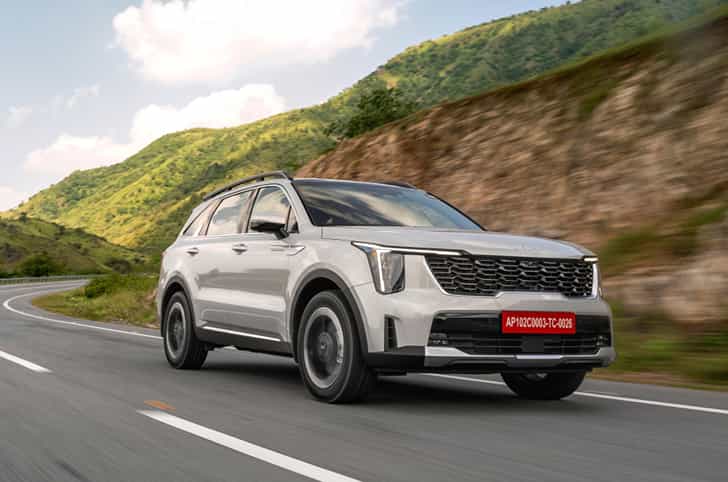
Given your needs, you should consider the Kia Sorento HTE diesel. Since your running is significant and you do highway trips, a diesel still makes sense for you. The Sorento's 2.2-litre diesel is refined and is very well-suited to highway duties and it has a brown interior upholstery which your family should appreciate. The Sorento is also a 7-seater car that offers a comfortable ride. Being a Kia owner, you'll also have a sense of familiarity to your Seltos. The only catch is its cost which is around Rs. 34 lakh (on-road). So you may need to stretch your budget a bit but the Sorento diesel fits your requirements perfectly.
I’m looking for a petrol automatic SUV under Rs 17 lakh that is safe, fun to drive and fuel-efficient. I’ve considered the Kia Seltos, the Hyundai Bayon and the Hyundai Creta (although the Creta hasn’t been crash-tested by Bharat NCAP). I could also step down to three-cylinder options like the Hyundai Venue or the Skoda Kylaq. German and Czech cars are really solid, but I don’t like their rear-view cameras. Most of my driving is in Gurgaon traffic, with occasional highway trips. Which car would you recommend?
Given your requirements, you should consider the Skoda Kylaq 1.0 TSI AT. It has a punchy 115 hp turbo petrol engine, a smooth 6-speed torque converter automatic and a sorted ride and handling balance, which makes it one of the most fun-to-drive SUVs in your budget. It is also safe as it has 6 airbags and has a 5-star crash safety rating from Bharat NCAP. However, it isn't the most economical and as you rightly pointed out, the camera quality isn't the best. Alternatively, you could also consider the Hyundai Bayon. It won't be as punchy or as fun to drive as the Kylaq but it will be more economical and have better camera quality.
Hi team, I’m confused between the Tata Punch Adventure AMT and the Accomplished manual. I’m a beginner driver, and this will be my first car. I take one trip of around 150 km a week. Which one is better for me?
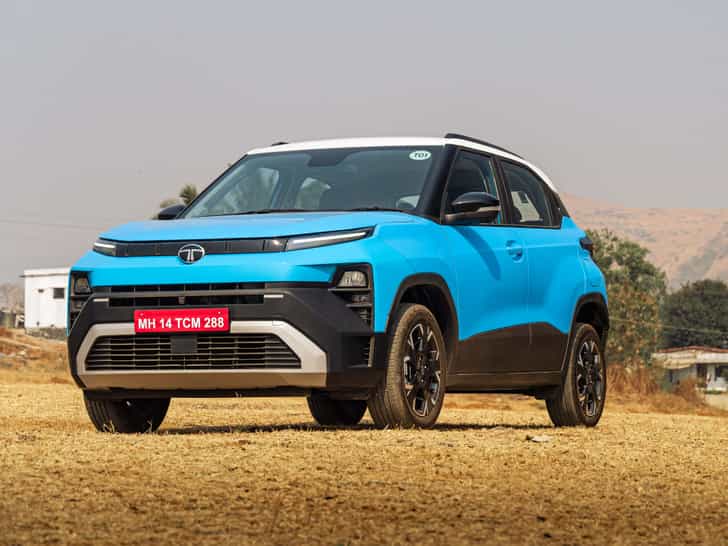
Since you're a beginner and this is your first car, the Tata Punch Adventure AMT would be a better fit. The automatic is not only more convenient but also more stress-free to drive, and it doesn't come at the cost of fuel efficiency. In our mileage tests, the Punch AMT managed a combined 13.8 kpl, which is slightly better than the MT's 13.2kpl combined figure. However, you'll have to sacrifice some features as you're looking at the lower Adventure variant for the AMT compared with the Accomplished variant for the MT. Feature differences include smaller 15-inch steel wheels with covers compared to 16-inch alloys, a smaller 8-inch touchscreen instead of a 10.25-inch unit, the absence of LED DRLs, ambient lighting, rear adjustable headrests and more.

I’m planning to buy a car with an on-road budget of around Rs 16 lakh. It will be on a corporate lease, so good fuel efficiency would help financially. We’ll drive 600-800 km a month. Would a diesel automatic Kia Sonet or Hyundai Venue be a good choice, or would a petrol suit my usage better? I’ve noticed that most petrol automatics in this range use a DCT. Is a DCT good for Bengaluru traffic, or is a torque converter better suited to stop-go driving? I’m really confused by the options in this budget, so please help. I currently drive a Ford Figo diesel manual.
With your monthly running of just 600- 800 km, we would recommend a petrol automatic over a diesel. The additional cost of buying a diesel is unlikely to be recovered through fuel savings at this level of usage. Also, with predominantly urban driving, a modern diesel's DPF can become a concern if the car does not regularly get sufficiently long runs to complete regeneration. Coming from your Ford Figo diesel, you may find the petrol's running costs higher, but the lower usage makes it the more sensible choice.For Bengaluru traffic, a torque converter automatic would be preferable to a DCT. DCTs are perfectly usable, but repeated crawling in heavy stop-start traffic can make them feel jerky at low speeds and less smooth than a torque converter.We would shortlist the Mahindra XUV 3XO petrol AT and Skoda Kylaq AT. Both get six-speed torque converter automatics. The 3XO has a stronger 1.2-litre turbo-petrol engine with 200Nm, a spacious cabin and a comfortable ride. The Kylaq is more compact, feels engaging to drive and is easier to manoeuvre and park in tight spaces.
Dear team, I want a petrol automatic car with a spacious cabin, a five-star safety rating, good rear-seat comfort, easy driving manners and a responsive service network. A sunroof isn’t necessary. I’ll opt for BH registration, as I’m eligible for it. I’m considering: Kia Seltos HTK IVT: It has manual AC instead of automatic climate control. Is that acceptable? I’m also eligible for a corporate discount and a loyalty bonus. Honda Elevate VX CVT: It has all the essential features, but reviews say its infotainment screen is small and its camera feed quality is poor. Tata Sierra Pure L(O) DCT: I’m sceptical about the quality of Tata’s service centres. Please help me choose one.
The Kia Seltos HTK IVT would be our first recommendation over the Honda Elevate VX CVT. The Seltos feels like the more premium product of the two, with a better-quality cabin, a more refined engine and transmission combination, and a more sophisticated overall driving experience. Its 1.5-litre naturally aspirated petrol engine paired with the IVT is particularly smooth and well suited to city driving. The manual air conditioning in the HTK is a compromise, but it shouldn't be a deal-breaker if you are comfortable with conventional AC controls.The Honda Elevate VX CVT is also a sensible choice, with a spacious cabin, good rear-seat comfort and Honda's reputation for reliability. However, the Seltos has an advantage in perceived cabin quality and refinement.
Hi, I want to buy a car within Rs 30 lakh that has space for five. I’ll use it mainly for a 30 km daily commute in Bengaluru traffic. I’m scared of EVs. I currently drive a Volkswagen Ameo 1.5 DSG and have loved it for ten years. My dilemma is that I want features like those on the Mahindra XUV 7XO, such as the automatic gearbox and the advanced suspension, but I can’t handle a vehicle that big. I’m also worried about E20 fuel. I’m a fan of Volkswagen and thought I’d go for the Taigun, but the lack of ADAS disappointed me. I compare power and torque curves, and I’m nervous that a new car will disappoint me compared with what I drive now. Which car would you recommend?
Given your experience with the Volkswagen Ameo 1.5 DSG and your preference for strong performance, good driving dynamics and a comfortable ride, the Renault Duster 1.3 Turbo DCT would be our recommendation. Its 163hp, 280Nm turbo-petrol engine offers strong performance, while the six-speed DCT provides quick shifts. The Duster's biggest strengths are its excellent ride comfort, high-speed stability and engaging handling. It should also be more manageable in Bengaluru traffic than a larger SUV such as the XUV 7XO.The Nissan Tekton T280 DCT is worth considering too. It shares the same engine and gearbox, but has a more contemporary cabin and a slightly different character. It feels more premium inside and offers good practicality, while the Duster has the edge in ride comfort and overall driving dynamics.Neither will match the fuel efficiency of your Ameo diesel, and both are turbo-petrol SUVs, so running costs will be higher.

I’m a first-time car buyer and I’m confused between the Maruti Suzuki Grand Vitara Delta (Rs 12.7 lakh on-road), the Brezza VXi automatic (Rs 11.4 lakh) and the Brezza ZXi manual (Rs 11.5 lakh). I’m not sure how much of my driving will be in the city and how much on the highway. If I choose the automatic, I’ll miss out on many features that come with the Brezza ZXi and the Grand Vitara Delta. Is it okay to give up those features and choose the VXi automatic?
It is a tricky choice, but we would lean towards the Maruti Suzuki Brezza VXi automatic. In today's increasingly congested traffic conditions, the convenience of an automatic transmission is something you will appreciate every day. The additional features on the Brezza ZXi manual or Grand Vitara Delta may seem attractive initially, but over the years, the ease of driving an automatic is likely to matter more.The Brezza VXi AT is not poorly equipped either. It gets a touchscreen infotainment system, automatic climate control, six airbags, ESP and hill-hold assist. You will miss out on features such as cruise control, a rear parking camera and a sunroof, but some convenience features can be added later through accessories.
Hi, I’m looking for a five- or seven-seater EV under Rs 20 lakh in Hyderabad, mainly for city driving with occasional outstation trips. Do you have any recommendations?
Both your options can come from the Kia stable. If you are looking for a value-for-money five-seater with good range, a spacious cabin and comfortable seating, the Kia Syros EV would be our recommendation. It offers 42kWh and 51.4kWh battery options, with claimed ranges of 443km and 526km, respectively. The larger battery version also gets a more powerful 171hp motor, making it better suited to occasional outstation trips. If you need a proper seven-seater, look at the Kia Carens Clavis EV. It has a comfortable and flexible middle row, a genuinely usable third row and enough performance even with all seven seats occupied. The Extended Range version has a claimed range of 490km, although our real-world test indicated around 320- 350 km. This is worth keeping in mind when planning longer trips.
While there’s a lot of talk about the new Renault Duster strong hybrid, which cars in the segment above it offer a similar or better driving experience, ride and handling? I drive about 50 km a day in smooth traffic, and good fuel efficiency is also on my list. I’m open to an EV, a hybrid or a diesel. My budget is between Rs 20 lakh and Rs 40 lakh, and I’ll be exchanging my Hyundai Creta diesel manual.
Considering your budget, we would suggest looking at the Kia Sorento and waiting for the upcoming JSW Combat (based on the Jetour T2). The Sorento is already an excellent option, offered with both a 1.6-litre turbo-petrol strong hybrid and a 2.2-litre diesel. Both powertrains offer strong performance, and the Sorento has a modern, premium cabin, a comfortable ride and a more substantial feel than the Duster. The hybrid should appeal if fuel efficiency is a priority, while the diesel is better suited to those who enjoy strong torque and regular highway driving.The JSW Combat is also worth waiting for. Based on the Jetour T2, it will come with a plug-in hybrid powertrain and promises strong performance, modern technology and a rugged SUV character. It is expected to be revealed on December 4, 2026, although pricing and the final India-spec configuration will be important. Do keep in mind that JSW is a new entrant, so its service network and long-term ownership experience are yet to be established.

I’ve written to you a couple of times before, but I’m still waiting for your advice. I’m not sure why no one has responded. Anyway, I’d like to ask my question again. I want to buy a seven-seater with a budget of about Rs 20-25 lakh. I’ll mainly drive in the city, with occasional outstation trips on hilly terrain. Which vehicles would you recommend?
Apologies for not getting back to you earlier. For your budget of Rs 20-25 lakh, we would suggest looking at two options depending on what you prioritise.If you want an SUV, the Mahindra XUV 7XO petrol is worth considering. It has a strong 2.0-litre turbo-petrol engine, a spacious and comfortable first two rows, a premium cabin and good highway performance. It is a particularly good choice if you will use the third row occasionally rather than regularly.However, if your priority is a genuinely comfortable seven-seater, the Kia Carens Clavis turbo-petrol DCT would be our recommendation. It offers better space utilisation, easier access to the third row and a more accommodating seating arrangement for all passengers. Its 160hp turbo-petrol engine also offers strong performance, while the DCT makes it convenient in everyday traffic.
I currently own a Nissan Kicks 1.5 petrol, and I’m very happy with its performance and comfort. Now I’m looking to add another car to my garage for my wife to drive. Preferably, it should be an AMT and give good fuel efficiency in the city, since mine returns only around 8 kmpl in city traffic. Which car would you recommend?
Within your budget, we would suggest looking at the Maruti Suzuki Swift AMT or the Baleno/Toyota Glanza AMT. All three offer good fuel efficiency, easy city driving and relatively low maintenance costs, making them suitable as a second car for your wife.The Swift is more compact, easier to manoeuvre and has a slightly sportier driving character. The Baleno and Glanza, on the other hand, share the same mechanicals but offer a larger, more spacious cabin and a more comfortable experience for passengers. Their 1.2-litre petrol engine is also well suited to everyday city use.
Hi team, I’m confused between the Maruti Suzuki Brezza VXi AT and ZXi MT. Both are within my budget and cost the same through the CSD (Canteen Stores Department). I drive around 700-1,000 km a month, mostly in the hills and on highways, with very little city driving. Which one should I choose?
Given your usage, we would recommend the Maruti Suzuki Brezza ZXi manual over the VXi automatic. The 1.5-litre naturally aspirated petrol engine is smooth, but it isn't particularly peppy. The six-speed manual makes better use of the engine's performance and gives you greater control on hilly roads, particularly when climbing or overtaking on steep gradients. The torque converter automatic is more convenient in city traffic and relaxed highway cruising, but the manual is better suited to your predominantly hilly usage.There is another option worth considering: the Brezza Turbo ZXi manual. Its 1.0-litre turbo-petrol engine produces 110hp and 170Nm, offering stronger mid-range performance and better flexibility on climbs and highway overtakes. Its low-speed response and clutch operation are also quite manageable. We would suggest test-driving both manual versions, but the Turbo would be our pick if performance is a priority.

My budget is under Rs 12 lakh, and I want a petrol manual car. I currently drive a 17-year-old Maruti Dzire diesel and am looking to replace it with a compact SUV. My priorities are good highway performance, safety, decent fuel efficiency and a spacious cabin. I will sometimes drive the car myself, but it will mostly be chauffeur-driven. I have shortlisted the Mahindra XUV 3XO MPFi, but some people have advised me against buying it, leaving me unsure about its reliability. Should I go ahead with it or consider other options? At this price, I can also get the Hyundai Venue HX5+ and Maruti Victoris LXi. What would you suggest?
The Mahindra XUV 3XO is a great choice for your needs. It has good performance on the highway, decent efficiency and a 5-star Bharat NCAP safety rating. If you are being chauffeured and spend time in the back seat, you'll find the seat is wide and comfortable, with good space too. Reliability is also quite good, though some owners report electronic glitches.Among your alternatives, the Maruti Victoris LXi is larger overall and therefore roomier, but being the base model, it will feel a bit bare-bones. The Hyundai Venue HX5+ is a better choice, offering a good balance of features and passenger comfort. However, if you want the most space in the sub-4-meter SUV segment, consider the Kia Syros. It has a very spacious and comfy back seat and a large boot. It is offered with the same 1.0-litre turbo petrol as the Venue, so highway performance is good too.Overall, the XUV 3XO is a solid choice, but if you are not convinced, then consider the Venue or the Syros.
Dear Sir, please suggest whether I should buy an electric car or an ICE car, and which make and model I should consider. I am a 62-year-old man and currently drive a 2012 Maruti Dzire Diesel VDi with a manual transmission. It has covered around 50,000km and still delivers over 23kpl on the highway and 19kpl in the city. Its suspension and overall condition are also good. However, I now want to replace it or buy a second car for my personal use. I will be the primary driver. My requirements are a small car with an automatic gearbox and a 360-degree camera. My annual running is up to 5,000km, comprising around 3,000km in the city and 2,000km on the highway. My budget is up to Rs 15 lakh. Thank you.
If you are going to buy an electric car, make sure you have charging at home, as relying only on public chargers is really not very feasible. As for the choice of car, we would suggest the Kia Syros EV, which is very comfortable to get in and out of, to sit inside and on the move. It is well equipped too, and the electric drivetrain and electronic systems are well designed and robust.At your budget, you would not get the variant with a 360-degree camera, but the car would have a reverse camera setup, which should help. If you must have this feature, consider the Tata Punch EV, which is also a good buy with a good ride and easy ingress / egress and a nice high driving position.
Need expert advice?
Ask the Autocar community and experts.