Autocar India
Introducing Badges

Every helpful action can earn a badge.

•17w

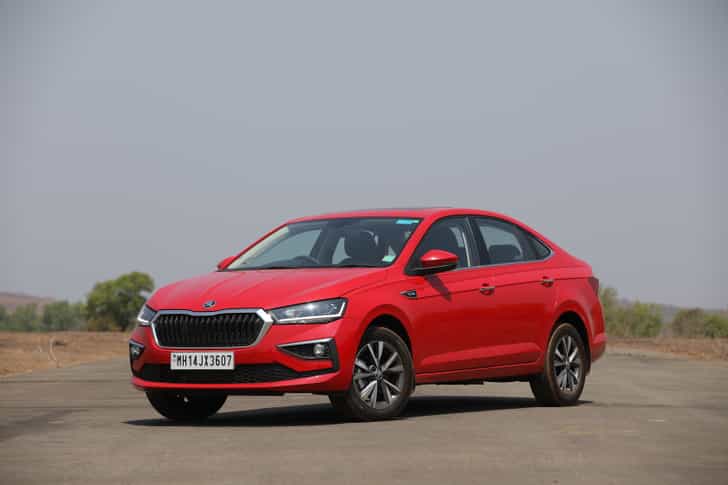
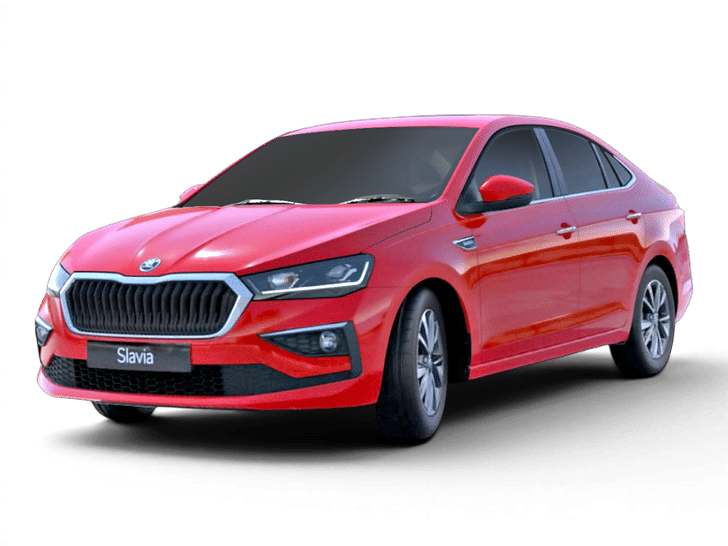
Hi. I have been driving an i20 diesel for the last 8 years, and it has covered 1.15 lakh km. The car has been maintained well. I recently moved to Bengaluru, and the urge to upgrade has come up. I looked at the Skoda Kylaq and even booked the Signature Plus Automatic, with my i20 valued at Rs. 4.6 lakh in exchange. However, after a test drive, my family now wants me to buy the Slavia 1.0 Automatic instead. I am also concerned about the ethanol-blending issue. Should I go ahead with the purchase or continue using the i20 for a few more years? I am getting the Slavia Prestige at Rs. 18 lakh on-road.

Verified
•17w
Go ahead with the Skoda Slavia 1.0 automatic. For Bengaluru traffic and family use, it will be nicer daily, and the current car is E20-compliant too.
The Slavia’s 6‑speed automatic is smooth in stop‑go, the cabin and boot are a clear step up from your i20, and its high ground clearance for a sedan handles bad roads and speed humps without drama. Skoda’s 1.0 TSI  is built to run on E20, so you won’t harm the engine or void the warranty. You may see a small dip in mileage with higher ethanol and, versus your diesel, expect higher fuel bills.
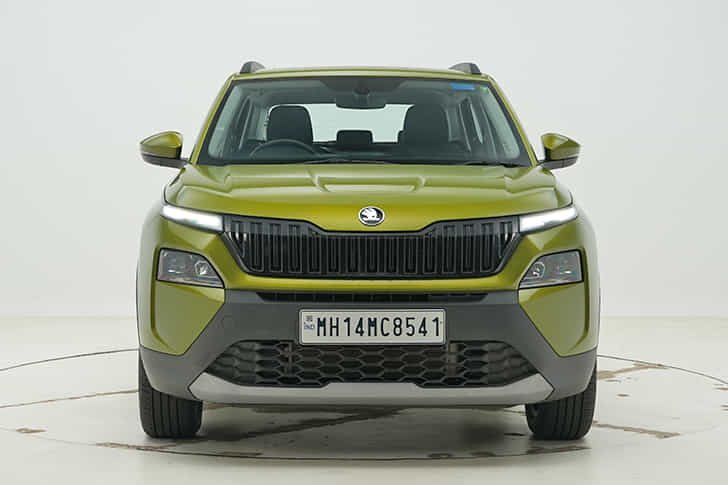
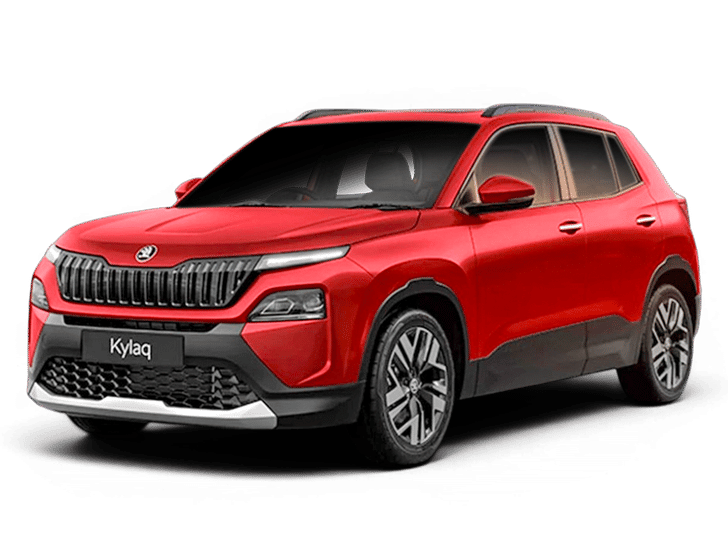
Since you’d booked the Kylaq, know this: it drives almost similarly to the Slavia with the 1.0 automatic. Pick it only if you really want the higher seating and compact dimensions. If your running is mostly in the city and if your family prefers a sedan, the Slavia makes sense.
Rs. 18 lakh on road for Prestige is fair in Bengaluru, and Rs. 4.6 lakh for your i20 diesel at 1.15 lakh km is about par. Unless you’re happy to keep the i20 another year just to save cash, there’s no strong reason to wait.

More posts on similar cars

•1d

Hi, I am Shailesh. I am a first time owner and comfortable with a budget of Rs. 10.50 lakh (on-road). I have compared it across segments like Dzire VXi AGS, Honda Amaze V CVT, Skoda Kylaq Classic Plus Automatic and Fronx Delta Plus AGS. I want to buy it for my 65 year old mother as well as for my daily commute to office in Pune traffic. I prefer an automatic and safe car with highly comfortable back seat, but the variants should have most of the essential features such as seat height adjustment, rear AC vents. The car should be low maintenance and offer hassle free service experience. I want a car that delivers decent mileage and no sunroof would be great. I would like to keep the car for the next 5 to 7 years without any issues (possibly for 10 years). I want it to be compliant with future ethanol blends such as E25 or E27 and that is why Brezza NA VXi TC came into my mind and it is available for Rs. 12.50 lakh. My monthly running would be around 600 to 800km. Which car makes sense for me considering my driving would include 72% running in the city and 28% on highway. I am planning to get Brezza VXi NA Manual at Rs. 10.50 lakh but I would like your opinion.

Verified
•22h

Given your requirements, the Maruti Suzuki Dzire VXI AGS comes across as your best option. It is a proven product that is spacious, easy-to-drive and very comfortable car, and it's backed by Maruti's strong support network. Thanks to its three-cylinder petrol engine, fuel efficiency will also be better than all other options listed. Sure, its 5-speed AMT is not feel as seamless and smooth as that of the Amaze or Kylaq, which offer more sophisticated automatic transmissions, however going by AMT standards, it is still reasonably jerk-free. Furthermore, the VXI AGS variant has a driver's seat height adjustment and rear AC vents, which you're looking for; ride comfort is terrific and its back seat is spacious and more comfortable than most options listed.The Brezza 1.5 AT has a more sophisticated powertrain compared to the Dzire, but it is also more expensive. Hence as far as value goes, the Dzire VXI AGS is better and seems like the more sensible choice.

VehicleMaruti Suzuki Dzire
VehicleHonda Amaze
VehicleSkoda Kylaq
VehicleMaruti Suzuki Brezza
•1d

Hi Autocar Team, I am planning to buy a seven-seater car. I have test-driven the Renault Triber Turbo and Citroen Aircross X and was impressed by what both offer at their price points. However, the Aircross put a wide smile on my face. As a current Maruti Suzuki user, I did not consider the Ertiga because it feels similar to our Swift. I liked the Aircross X but am sceptical about Citroen's service network and spare parts availability. However, there are three Citroen showrooms within 45 km of my place. Please suggest which car I should choose. My budget: Rs. 15 lakh Current vehicle: Second-generation Maruti Suzuki Swift petrol (2017) Annual usage: Around 10,000 km, with a 50:30:20 split between town, highway and city driving Requirement: A seven-seater car

Verified
•18h

The Citroen's interiors feel more special, its engine is more powerful, and its ride-handling balance is outstanding; however, for seven adults, it won't be as comfortable as the Triber.In fact, the Triber's superb packaging makes it genuinely comfortable for passengers in all three rows, despite its compact sub-4-meter dimensions. The new turbo-petrol engine makes it an effortless performer, and its ride quality feels very mature too. Moreover, the Triber Turbo is also much more affordable in comparison, making it outstanding value for money. Yes, the Aircross X will appeal to your heart, but given Citroen's limited service network and cramped third row, the Triber Turbo is the more sensible choice.

VehicleRenault Triber
VehicleCitroen Aircross

Has E20 fuel affected your mileage?

Is ADAS worth paying extra for in a car?

Popular discussions right now

•1w

I currently own a Jeep Compass and want to get an additional car for my father, with good reliability, unlike the Jeep. My father still drives a 2008 Honda City, and I am torn between a few choices: the Honda City, Skoda Slavia, Nissan Tekton and Toyota Hyryder. Or should I wait for the Virtus facelift or the new-generation Creta? His usage is low, at almost 500 km per month. Please suggest.

Verified
•4d

With just 500km a month, petrol is the clear choice, and reliability and ease of ownership become the most important factors. The Honda City is the safest recommendation here. It is a proven product with a strong reliability record, a comfortable ride and a familiar ownership experience that your father will appreciate, especially coming from a 2008 City. The Skoda Slavia and Volkswagen Virtus are both excellent to drive, but the 1.0 TSI engine can feel a bit laggy at low speeds, and the 1.5 TSI is overkill for this kind of usage. The Nissan Tekton is a good value proposition, but engines are not responsive at low speeds and Nissan's service network is not as strong as Honda's, which matters more for a low-running, long-term ownership scenario. The Toyota Urban Cruiser Hyryder is a solid option if you specifically want an SUV, but the hybrid premium does not make financial sense at this running, and the naturally aspirated petrol is not as refined as the City's engine. The new-generation Hyundai Creta is worth waiting for only if your father specifically wants an SUV; otherwise, the City remains the more sensible choice. Overall, the Honda City is the most reliable, comfortable and hassle-free option for your father's usage.

VehicleHonda City
VehicleSkoda Slavia
VehicleVolkswagen Virtus
VehicleToyota Urban Cruiser Hyryder
VehicleNissan Tekton
•1w

I’ve almost finalised the Skoda Kylaq Signature Automatic, and I really like the car. However, I’m a little worried about Skoda’s long-term service and maintenance costs, especially after the warranty period. I’m planning to keep the car for around 7–8 years. Would you recommend taking the Service Maintenance Package (SMP) along with the car? Is it worth the additional cost considering regular servicing and potential maintenance expenses? Also, compared with the Brezza and Nexon, how is the Kylaq Signature Automatic in terms of long-term reliability, service costs and parts replacement? Would really appreciate your advice before I make the final purchase decision.

Verified
•4d

If you like the Skoda Kylaq Signature Automatic, go ahead and buy it. It is a genuinely good car and one of the best driver’s cars in the segment. The 1.0 TSI engine paired with the 6-speed torque converter automatic is a proven combination, and Skoda’s reliability has improved significantly in recent years. The bigger concern is not reliability but long-term maintenance costs, which can be higher than Maruti or Tata once the car is out of warranty.This is where the Service Maintenance Package (SMP) makes sense. It locks in your service costs for the first 4-5 years, covers all scheduled maintenance and gives you peace of mind during the most expensive ownership period. If you are planning to keep the car for 7-8 years, it is worth the additional cost because it protects you from unexpected bills and helps you budget ownership costs more accurately.Compared to the Brezza and Nexon, the Kylaq is the better driver’s car with a more engaging driving experience and a stronger engine. The Brezza is the benchmark for long-term reliability and low maintenance costs, while the Nexon sits somewhere in between. The Kylaq is not unreliable, but parts and service can be more expensive once you are out of warranty.If you are buying the Kylaq, take the SMP and enjoy the car. If long-term ownership costs are your absolute priority, the Brezza is the safer financial choice.

VehicleSkoda Kylaq
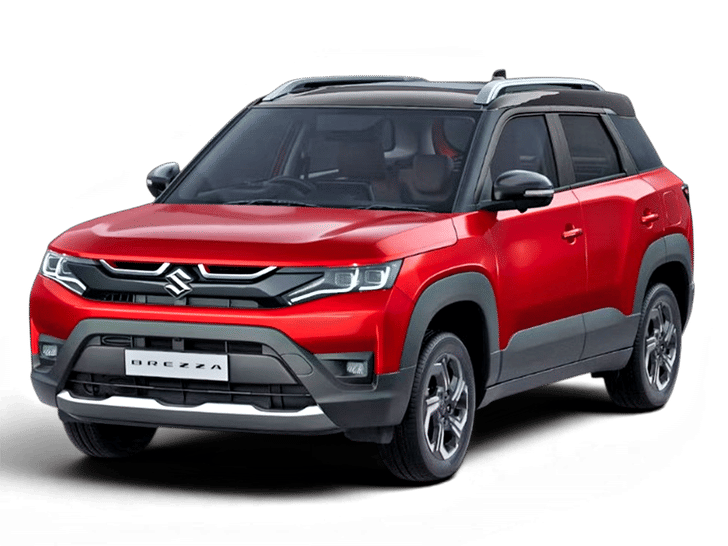
VehicleMaruti Suzuki Brezza
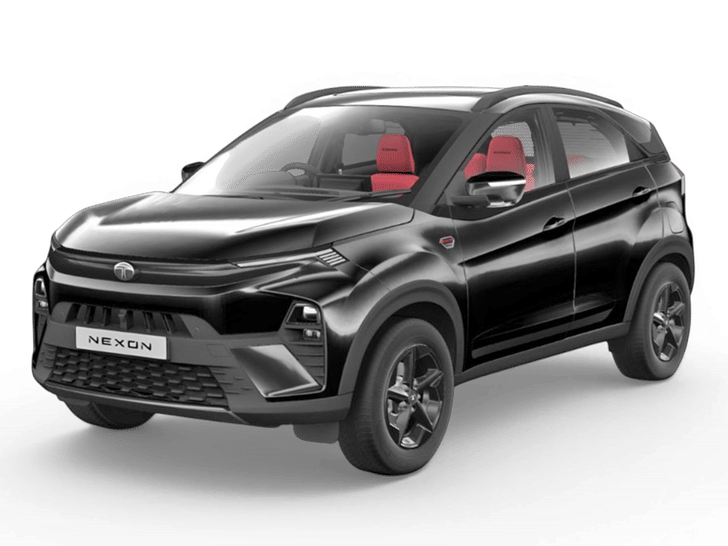
VehicleTata Nexon

Upcoming launch buzz

Community discussions on upcoming launches
Want to sell your car?

Sell your car at the right price, without the stress.

Add a photo of your Slavia (2022-2026)

First sightings, real road conditions, delivery buzz

Posted on: 19 Jun 2026