Latest questions answered by experts
Is the Creta available with a torque converter automatic and an NA engine?
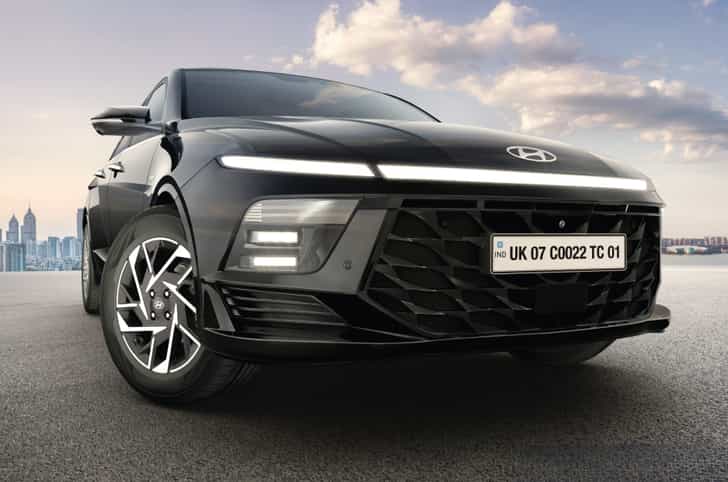
No, the Hyundai Creta with a naturally aspirated petrol engine is not paired to a torque converter automatic. The Creta's naturally aspirated petrol engine is offered only with a manual gearbox or a CVT (Hyundai calls it IVT). The only Creta variant with a torque converter automatic is the diesel, which uses a 6-speed torque converter automatic. If you specifically want a naturally aspirated petrol engine with a torque converter automatic, the Maruti Suzuki Victoris, Maruti Suzuki Grand Vitara and Toyota Urban Cruiser Hyryder are the only options in the mid-size SUV segment.
Please suggest a car under a budget of Rs. 10 lakh with 20km approximate daily running and one vacation trip quarterly.
With a budget of Rs. 10 lakh, daily running of 20 km and quarterly vacation trips, the Maruti Suzuki Brezza is the most sensible recommendation. Your daily running is not high enough to justify the premium of a diesel or hybrid, and both the Brezza's petrol engines are reliable, relatively efficient and well suited to both city driving and occasional highway runs. This Maruti Suzuki car also offers a comfortable ride, good ground clearance and a spacious cabin, making it a practical choice for family trips. Maruti's service network and low maintenance costs further strengthen the ownership proposition. Opt for the 1.0 turbo petrol if you want a bit more performance or go for the 1.5 naturally aspirated petrol if you want a more refined experience.
Hi, I am a first time buyer and live in Mumbai. I am confused whether I should buy Maruti Suzuki Fronx Amt or Maruti Suzuki Brezza Turbo. My usage is daily office commute which is approximately 40km and one trip in 2-3 months. Please suggest if any other option in automatic or manual are available.
With a daily commute of around 40km in Mumbai traffic and only occasional highway trips, an automatic would be much better to have. Between the two, the Fronx would thus be the one to go for as the Brezza Turbo comes with a manual only. The Fronx AMT also keeps costs down while still giving you the convenience of an automatic, though the shifts will not be as smooth as a torque convertor (TC) automatic which is what the Fronx Turbo comes with. Thus if your traffic conditions are constant start stop, you would be better off with the TC auto. Besides the two options you could also consider the Brezza with the 1.5 litre engine as this comes with a TC auto and being naturally aspirated makes for a straightforward drive experience in the city.
Hello everyone, I would like to know which would be the better car for highway driving. My average monthly running is around 3,000 km. I am considering the Kia Sonet 1.0-litre Turbo Petrol DCT and the Skoda Kylaq Automatic. My main priority is highway comfort, especially for driving 5-6 hours in a single day. Which one would you recommend for my requirements?
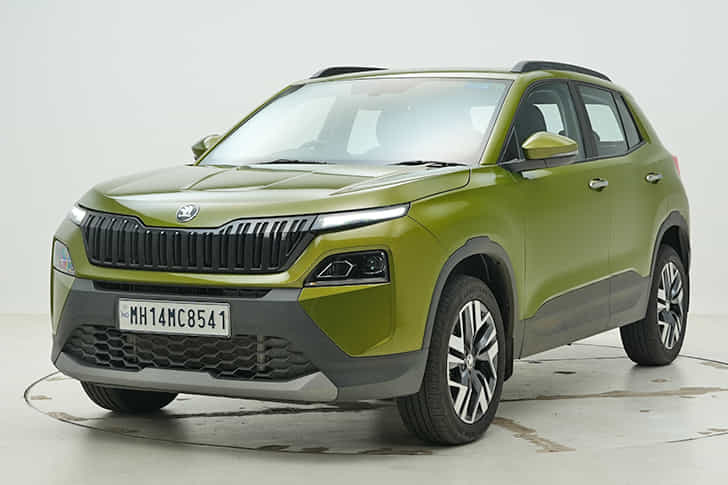
With 3,000km a month and regular 5-6 hour highway runs, the Skoda Kylaq automatic is the better fit for you. The Kylaq’s 1.0 TSI engine paired with the 6-speed torque converter automatic is a proven and reliable combination that delivers strong mid-range performance, making overtaking effortless on highways. The Kylaq also has a more planted and stable feel at speed, and the ride quality is well judged for Indian highways.The Sonet DCT is a good car, but the 1.0 turbo petrol paired with a dual-clutch transmission is not the ideal setup for high-mileage highway use. The DCT can feel a bit jerky at low speeds and is not as stress-free as a torque converter over long distances. The Kylaq’s automatic is smoother, more robust and better suited to sustained highway driving.The Kylaq also offers good value for money and is one of the best driver’s cars in the segment. It may not have the same feature count as the Sonet, but it delivers where it matters most for your usage. Go for the Kylaq automatic, and you will have a more comfortable and enjoyable ownership experience over the long term.
Hi everyone, I'm confused between the Kiger Emotion Turbo CVT (~Rs 12.7 lakh on-road) and the Nexon Creative+ S DCA (~Rs 15.5 lakh on-road). My priorities are safety, a smooth automatic for 90-minute Bangalore traffic, rear-seat comfort, good ground clearance, and occasional ghat/highway trips. Roads are mostly okay but sometimes rough. Is the extra Rs 2.8 lakh for the Nexon DCA justified over the Kiger CVT? I’m particularly interested in owner experiences regarding traffic smoothness, safety/build quality, reliability, service, and ghat performance. Which would you pick and why?
The Renault Kiger Turbo CVT is the better choice given your priorities of a smooth automatic for Bangalore traffic, good ground clearance, rear-seat comfort and occasional ghat/highway trips. The Tata Nexon DCA is a more premium car with a lengthier features list; however, the Rs 2.8 lakh price difference is significant, making the Renault car feel far better value for money.Alternatively, you could consider the entry-level automatic variants of the Skoda Kylaq and Mahindra XUV 3XO, both of which feel better built, are more refined, and deliver stronger performance than the Kiger Turbo CVT.
Hi! My wife is a dentist and currently drives a Dzire. Her hospital is nearby, and her average monthly running is less than 500km. We are planning a new car. We are considering the new 1.0 Brezza, the Punch EV, or even the Tiago EV because of uncertainty around petrol in the future. Our son wants a Creta or Seltos base model. I have a Hyryder base model. We are really confused about what to do.
Given your wife's usage of less than 500km a month and mostly short city runs, the Tata Punch EV is the more sensible choice here. It is a proven electric car with a compact footprint that's well-suited to the city, and the powertrain is smooth and refined. The Tiago EV is a good option too, but the Punch EV offers more space, comfort, features, range and ground clearance. And that too, for not a huge premium, and since it's in your budget, you should choose it. Plus, being an EV, running and maintenance costs are very low. Tata is the market leader in EVs, and its service stations are well geared to handle electric cars.The Brezza Turbo is a good option too, but feels unnecessary for your wife's intended usage. It's larger and not as easy to manoeuvre, and it's only available with a manual gearbox, which for short urban driving spells is not as easy as an automatic, which the EV is.It's for these same reasons the Kia Seltos and Hyundai Creta don't make sense here. Overall, since you have a larger car in the Toyota Urban Cruiser Hyryder, a compact EV like the Punch makes most sense. Just make sure you can have a wallbox charger installed at your home, as that is crucial to EV ownership in India.
I need to buy a new car. Please suggest one. My driving is 80% city use.
Since you're already using a Hyundai i20, and you want a car in the 15-20 lakh price range, you could consider a Hyundai Verna 1.5 petrol IVT. It is a smooth, easy-to-drive and feature-packed sedan. If you want to look for a vehicle outside the Hyundai brand, you could consider a Kia Seltos 1.5 IVT for a similar ownership experience.

For ladies, which car is best for 70km daily running? Petrol or CNG with automatic transmission? Please suggest which car to buy.
Since your running is a fair bit, consider the Tata Tiago iCNG AMT. It is a compact, well-equipped and easy-to-drive car, which is economical and also comes with the convenience of clutch-free driving. The only downside is that you will have to be prepared to wait in long queues at CNG filling stations.But if you want a hassle-free, smooth and efficient petrol-automatic compact hatchback, we'd strongly recommend the Hyundai Grand i10 Nios. It is reliable and easy-to-drive, and is also backed by Hyundai's widespread support network.Both these cars should fall within your Rs 5-10 lakh budget.
With approximately 1,000-1,500 km per month and some highway trips, which EV should I choose: Kia Syros EV or E Vitara?
With 1,000-1,500 km a month and some highway trips, the Kia Syros EV is the better fit. It has a larger battery and a longer real-world range than the Maruti E Vitara EV, which makes a noticeable difference on highway runs.The Syros EV also feels more premium inside and offers a more comfortable cabin and far more usable boot, which matters on longer journeys. The e Vitara EV is still a good product, but its smaller battery and shorter range make it less suited to regular highway use at this kind of monthly running. The Syros EV is simply the more complete electric car for your usage pattern.
Hey, We are planning to buy a sub-4-metre SUV, and our main requirement is good suspension for Bengaluru’s pothole-filled roads, especially as my wife is pregnant. We have shortlisted the Maruti Suzuki Brezza, Mahindra XUV 3XO, and Tata Nexon. Which one would you recommend for our requirements? I was also considering a larger SUV like the Honda Elevate, but a well-equipped variant costs around Rs. 18 lakh on-road, which is beyond my budget. Could you suggest some good options in both categories? I can stretch my budget up to around Rs. 15 lakh on-road if required.
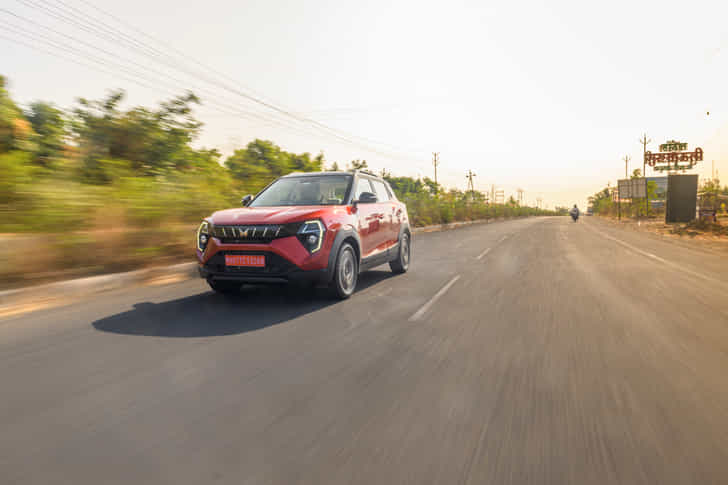
Given your priorities, the Mahindra XUV 3XO is the best fit. It has the most comfortable ride in the segment, with a suspension that deals with broken roads and potholes better than the Brezza or Nexon. The wide rear seat and good cabin space will also make a difference for your wife and family. The Brezza is the more reliable long-term ownership proposition, but its ride is not as plush as the 3XO. The Nexon is a good all-rounder, but the 3XO has the edge on ride comfort and rear seat space.On the Honda Elevate, it is a solid, reliable SUV with a comfortable ride, but at Rs 18 lakh on-road for the well-equipped variants, it is not worth stretching your budget for. The 3XO gives you a better ride and more features for less money.Overall, the 3XO is the best balance of ride comfort, space and value for your requirements. Go for the petrol automatic variant for the smoothest city driving experience.
I am currently confused between the Hyundai Creta King Diesel AT and the new Kia Seltos Diesel AT. After discounts, the Creta King Diesel AT costs around Rs. 21.6 lakh, while a similarly specced Seltos Diesel AT is around Rs. 25 lakh. I may also be able to negotiate a further discount on the Creta, whereas Kia is not offering any discount as the Seltos has been newly launched. The Seltos is based on the K3 platform and has a 5-star safety rating, while I am not clear about where the current Creta stands from a global safety perspective. I have also heard that a new Creta based on the same K3 platform as the Seltos could arrive within the next 12 months. I am unsure how that might affect its pricing, features, and discounts. Considering the Rs. 3.4 lakh price difference, safety, long-term ownership, resale value, and the possibility of a new Creta arriving soon, which one would make more sense? I am confused about whether I should take the heavily discounted Creta now or spend more on the newer Seltos.
Go for the Hyundai Creta Diesel AT at Rs 21.6 lakh - and potentially less after further discounts. The Kia Seltos Diesel AT at Rs 25 lakh is simply too much more expensive for what is essentially a very similar car underneath. Both cars use the same diesel engine and the same 6-speed torque converter automatic gearbox. The new-gen Seltos does have a 5-star Bharat NCAP rating, while the outgoing-gen Creta has not been tested by BNCAP yet, but is not an unsafe car by any means. Hyundai has a strong global safety record, and the Creta is a well-engineered product. The next-gen Creta, built on the same K3 platform as the Seltos, is at least a year away from going on sale, and will see a similar - if not greater - price jump as seen on the Seltos. Similarly, these discounts you're getting on the current model will disappear, and frankly the benefits you're getting today are too good to ignore. If you simply must have the latest tech and a bit more space, get the Seltos, but the Creta with the same features at a far discounted price gives you far more bang for your buck.
I live in Pune and am planning to change my car due to a heavy clutch. I currently own a 2020 Creta Diesel E. I am looking for a reliable automatic car with good mileage and decent features, such as a 360-degree camera. I also want decent performance and a car that I can keep for the next 10 years. My budget is around Rs. 20-22 lakh.
Given your priorities of reliability, good mileage, decent features and long-term ownership, the Kia Seltos IVT would be our recommendation. The automatic version will be better suited, as you are struggling with the heavy clutch. More specifically, the HTX(A) trim will get you everything you would want. The CVT gearbox is smooth and effortless in the city, and the naturally aspirated engine has good performance without sacrificing too much efficiency. The cabin space and quality are excellent, and the Kia cars are very reliable too. Safety is another aspect in which it scores a perfect 5-star rating in the Bharat NCAP tests. Overall, it is a very strong package and one that will suffice your needs the best.
Hi Autocar Team, I am planning to buy my first car and am still learning to drive. My expected running will be around 1,000 km per month, and my budget is Rs. 10-15 lakh on-road. Could you please suggest some good options for a first-time buyer in this budget, considering ease of driving, safety, comfort, and running costs?
For a first-time buyer with around 1,000km a month and a Rs 10-15 lakh on-road budget, the Skoda Kylaq is a good option to consider. This Skoda car is compact, easy to drive, and has a high seating position and compact dimensions, making it ideal for learning and daily use. The 1.0-litre TSI petrol engine is smooth and low maintenance, and the 6-speed automatic is one of the smoothest in the segment. The interior quality is very good, the feature set is strong, and the Prestige trim, which is second from top, will fit in your budget and offer a good amount of kit. Moreover, the Kylaq has also been rated 5-star in Bharat NCAP's crash test ratings, which adds another layer of assurance.
Hi Autocar Team, I currently own a 2017 Maruti Suzuki Dzire ZDi+ Diesel. Since the car is now almost 10 years old, I am planning to replace it with a new car. I am looking for an SUV with good mileage, comfortable interiors, and strong safety features. My budget is around Rs. 20 lakh, and my monthly running is approximately 350 km. Could you please suggest some good SUV options that would be suitable for my requirements?
With a monthly running of just 350km, diesel is not financially justified, so you should focus on petrol or hybrid options. The Maruti Suzuki Victoris Hybrid is the most sensible recommendation here. This Maruti Suzuki car offers excellent fuel efficiency, a comfortable ride and a proven ownership experience, making it a very easy car to live with over the long term. The hybrid system works seamlessly in city traffic and keeps running costs low, which is exactly what you want with your usage pattern.If you want something with a more premium feel and a stronger safety package, the Kia Seltos is the alternative to consider. It has a more upmarket cabin, a wider range of features and a more substantial feel on the road. The only trade-off is that it will not be as efficient as the Victoris Hybrid in city driving.Overall, the Victoris Hybrid in its ZXI trim will cost around your budget and is the most balanced recommendation for your requirements. It is efficient, comfortable and easy to own, which is exactly what you need coming from a Dzire diesel.
I currently own a 2018 Honda City SV Edge Edition 1.5 i-VTEC Petrol Manual and am looking to switch to a CNG car. My priorities are value for money, a refined engine, low running costs, and low maintenance. I initially considered the Tata Nexon Smart Plus S CNG, but I have ruled it out due to my poor experience with Tata's service and showroom experience. I have now shortlisted the Toyota Urban Cruiser Hyryder S CNG and Maruti Suzuki Victoris LXI CNG. Which of these two would be the better choice for my requirements?
Go for the Maruti Suzuki Victoris CNG. Both the Victoris and the Urban Cruiser Hyryder are essentially the same car underneath, sharing the same engine, platform and CNG system. The key difference is that the Victoris is priced more competitively, which makes it the better value proposition. Also, the Victoris features an underbody CNG tank, giving it a much larger boot space, adding to the practicality. However, you don't get a spare wheel in the Victoris. In terms of refinement, running costs and maintenance, there is no meaningful difference between the two. Toyota’s service network is strong, but Maruti’s is even wider and more accessible, which further strengthens the ownership case. Since you are coming from a Honda City and prioritising low running costs and reliability, the Victoris CNG is the more sensible and value-driven choice. The only reason to pick the Hyryder would be a strong preference for the Toyota badge or a particularly good local dealer relationship. Otherwise, the Victoris CNG is the smarter buy.
Hi, my daily usage is 40 km within the city, and I drive around 1,000 km on the highway. I currently have a Dzire petrol. I want a fuel-efficient SUV with a budget of approximately Rs. 20-25 lakh. What would be a better option among an EV, hybrid, or diesel?
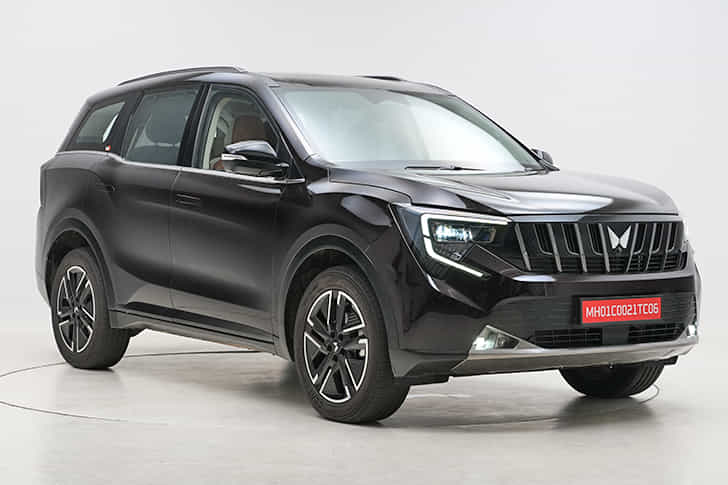
With a daily city run of 40km and an additional 1,000km of highway driving each month, your usage pattern is actually quite balanced between city and highway. In this scenario, a diesel SUV is the most sensible choice. A hybrid would make sense if your usage was predominantly city-based, as the fuel savings are most significant in stop-start traffic. An EV, on the other hand, would require a much higher daily running to justify the premium, and long highway trips would introduce range planning and charging considerations that you simply do not have with a diesel.Within your budget, the Mahindra XUV 7XO diesel is the most complete package. It offers a strong diesel engine, a comfortable ride, a spacious cabin and a good feature set. If you don't need three rows, then the Kia Seltos diesel is worth a look too, offering a more premium cabin and a very refined diesel engine.The key point is that your usage pattern is perfectly suited to a diesel SUV, and you will see the benefits both in terms of fuel efficiency and ease of ownership over the long term.
I want to buy my first car within a budget of Rs. 15 lakh. I am confused between the Brezza ZXi (P), Victoris VXi (P), and Creta EX (P). Which would be the best value-for-money, reliable, and long-term ownership car? Please suggest.
Go for the Maruti Suzuki Brezza ZXi petrol. It is the most sensible first car in this shortlist. The Brezza is a proven, reliable and low-maintenance SUV with Maruti’s unmatched service network, which is exactly what you want for long-term ownership. The ZXi variant is well equipped, the naturally aspirated petrol engine is smooth and dependable, and the car is easy to drive in the city while still being comfortable on highways. The Maruti Suzuki Victoris VXi is also a good option, but the Brezza feels like a more complete package with a stronger ownership track record. The Hyundai Creta EX is a good car, but at this price point you are getting a lower variant with fewer features, and the Brezza ZXi offers better value for money. Overall, the Brezza ZXi strikes the best balance between reliability, running costs, features and long-term peace of mind.
Need expert advice?
Ask the Autocar community and experts.