Hello Autocar Team, I’m planning to buy a Tata Sierra diesel and would really value your advice. I’ll be driving mostly in Hyderabad, with city traffic accounting for the majority of my usage and occasional highway trips. Could you please help me with a few questions? 1. Is the Tata Sierra a good buy right now? How is it performing in the market, and has it been a sales success or a flop? 2. What is its real-world diesel mileage in city traffic and on highways, based on your tests? 3. How are its build quality, reliability, and long-term ownership prospects? 4. How good are Tata’s service network, spare parts availability, and running costs, especially in Hyderabad? 5. Given my annual running of around 12,000-15,000km, is the diesel worth the premium, or would the petrol version make more sense? 6. How does it compare with rivals such as the Hyundai Creta, Kia Seltos, and Mahindra XUV700 for my usage? Thank you for your time. I look forward to your guidance.

 Tata SierraTata TiagoHyundai CretaKia SeltosMahindra XUV 7XO
Upcoming launch buzz
Community discussions on upcoming launches
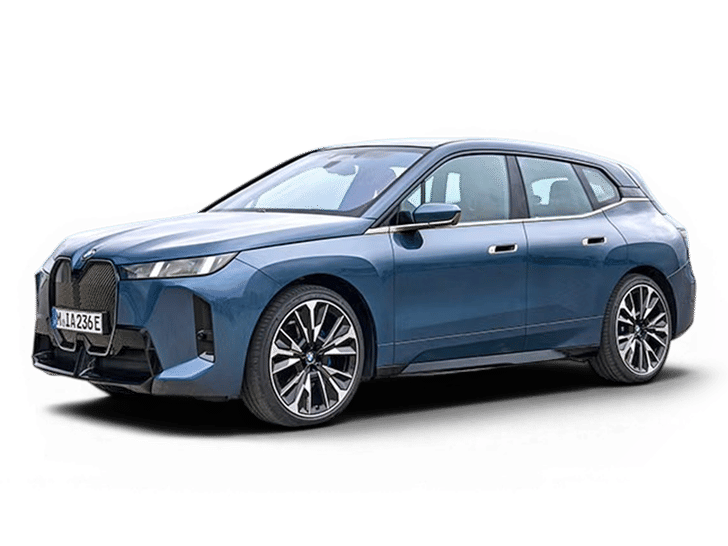
BMW
iX facelift
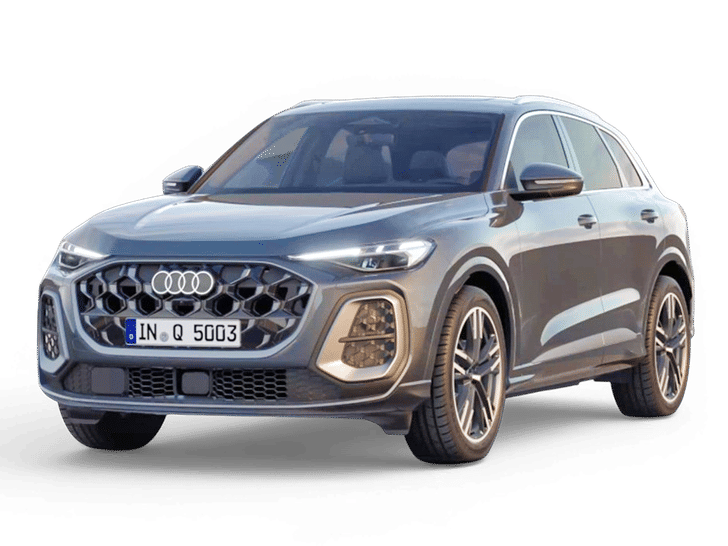
Audi
New Q5
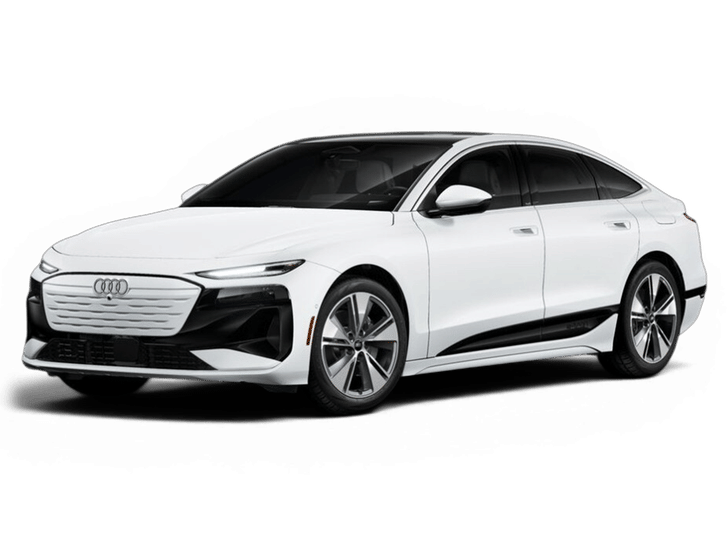
Audi
A6 e-tron

Audi
Q6 e-tron
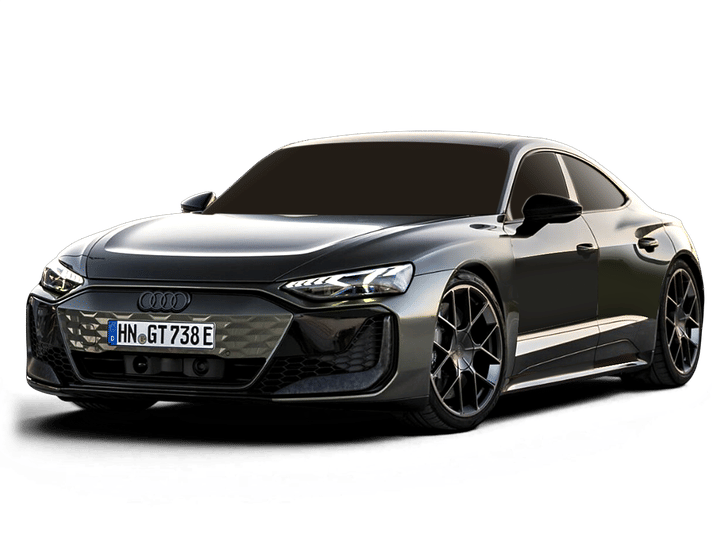
Audi
e-tron GT facelift
Volkswagen
Virtus facelift
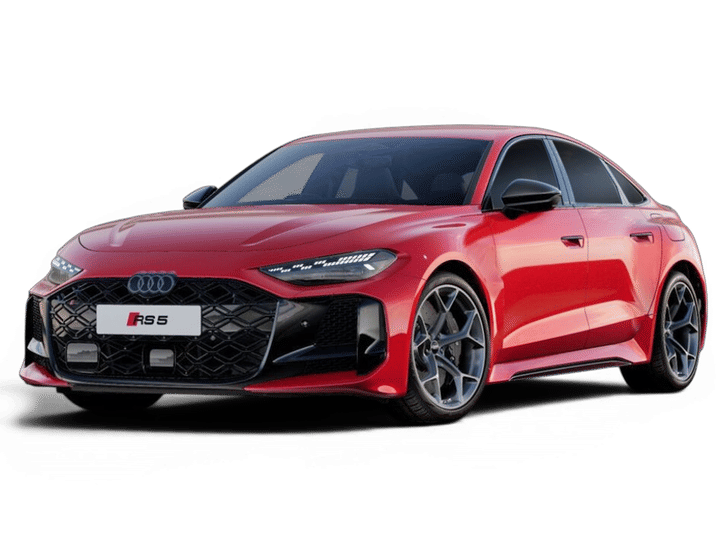
Audi
A5

Vinfast
VF5
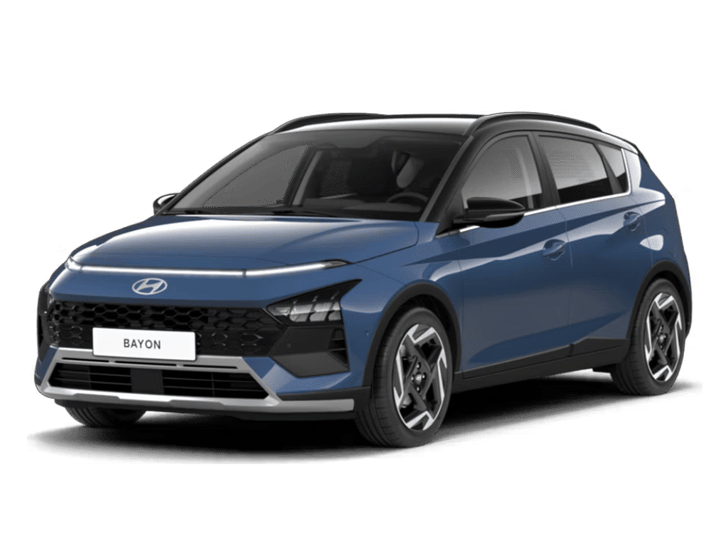
Hyundai
Bayon
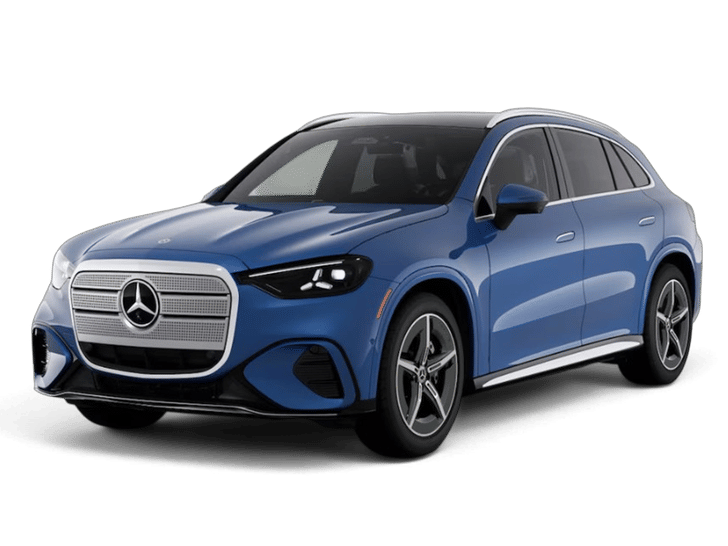
Mercedes-Benz GLC
Electric
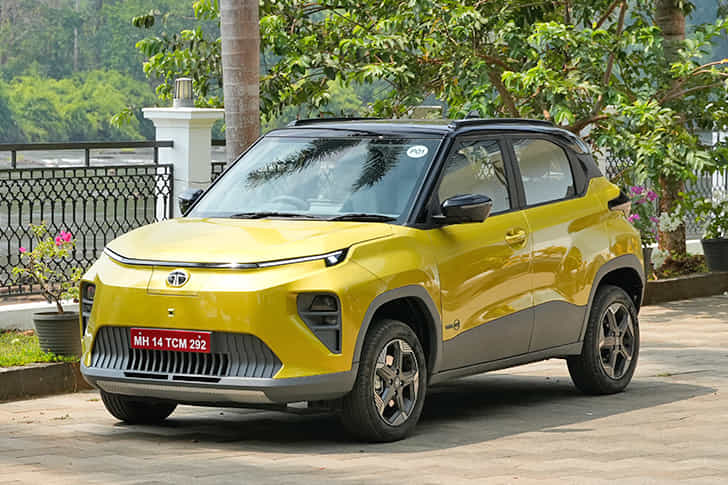
Hi, The Kia Seltos hybrid's price has reportedly been leaked. I am wondering whether I should wait and pay a premium for the hybrid version. My monthly running is around 500 km. Earlier, I was planning to buy the GTX (A) variant at an on-road price of Rs. 23.5 lakh. Would it make sense to wait for the hybrid, considering my usage?
Kia Seltos Grand Vitara owner · 45,000 km
Hi Autocar Team, I own a Maruti Suzuki Grand Vitara AT (non-hybrid) and spend around Rs. 12,000-14,000 per month on petrol. Its city mileage has dropped from around 13 kmpl to 10 kmpl. I also have solar panels at home, so EV charging would be almost free or cost a maximum of Rs. 3-4 per unit. I am confused about whether I should replace the Grand Vitara with an EV or keep it and buy a Tata Tiago EV for daily city use. Am I thinking too much about fuel savings? Should I simply keep the Grand Vitara and avoid buying a second car altogether? I would like to hear from people who have been in a similar situation. What makes more financial sense in the long run?
Maruti Suzuki Grand VitaraTata Tiago EVKia Syros EVHyundai Creta ElectricKia Carens Clavis EVMG Hector Tomahawk EVHi Autocar Team, I am currently driving a Hyundai Elite i20 Asta petrol manual. So far, I feel it is the best-designed car in its segment, offering great comfort and mileage that varies depending on traffic conditions. I was wondering if I could give it a facelift by replacing the front section with that of the new-generation i20. My second thought is whether I should wait for the new Hyundai Bayon or if a facelifted Hyundai i20 or Hyundai Verna is expected. I find the rear design of the new-generation i20 disappointing, and I still feel that the Elite i20 I currently own is the best-looking version. What are your thoughts?
Hyundai i20Hyundai BayonHyundai Venue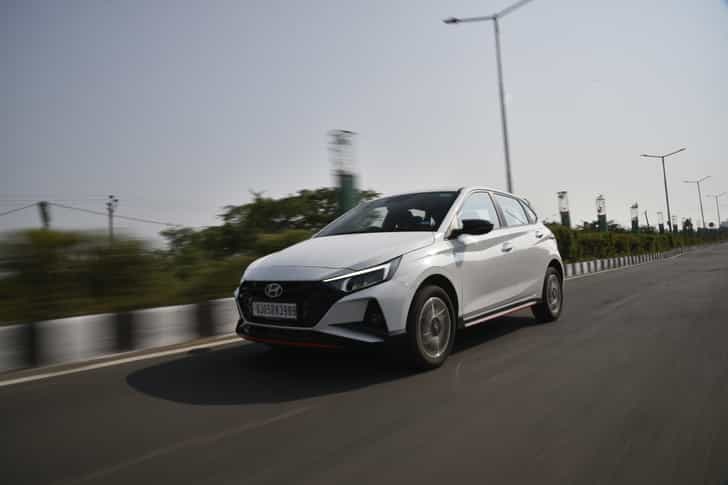
Namaste Autocar Team, I am from Kolkata and am considering two cars within a budget of Rs. 15 lakh on-road: the Hyundai Venue HX7 diesel manual and the Kia Syros HTK+ (O) diesel manual. My monthly running is around 1,500-1,750 km, with a 90:10 split between city and highway driving. I mostly drive in the city, and my 2017 petrol Hyundai i20 is becoming expensive to run. Hence, I am considering a diesel car, although I am not interested in an EV at the moment. Which of these two cars would be a more practical and reliable choice for long-term ownership, considering a 10-year ownership period, service costs, comfort and mileage? I am tempted by the new Venue, but the Syros offers slightly more rear-seat and boot space, which is important for my family of four. I would appreciate your honest opinion and observations.
Kia SyrosHyundai VenueHi Autocar Team, I am planning to buy the Tata Harrier by selling my 2021 Tata Nexon petrol XZ+ (O) Dark Edition, which has covered 30,000 km. I am confused about whether to choose the Harrier petrol or diesel. With the government introducing stricter emission norms, will buying a diesel car be a viable option in the long run? If I choose diesel, should I go for the manual or automatic transmission? Which gearbox is more durable? If I choose petrol, can I expect decent mileage from such a heavy car? Please advise.
Tata HarrierHi Autocar India Team, I am planning to buy an EV and would appreciate your help in finalising my choice. I am confused between the Mercedes-Benz CLA EV 250+ and the Tesla Model Y RWD. Which would be the better choice? It would also be helpful if you could explain the long-term reliability of EVs in Indian conditions, along with the differences between LFP and NMC battery technologies and which is better for long-term use.
Tesla Model YMercedes-Benz CLA Electric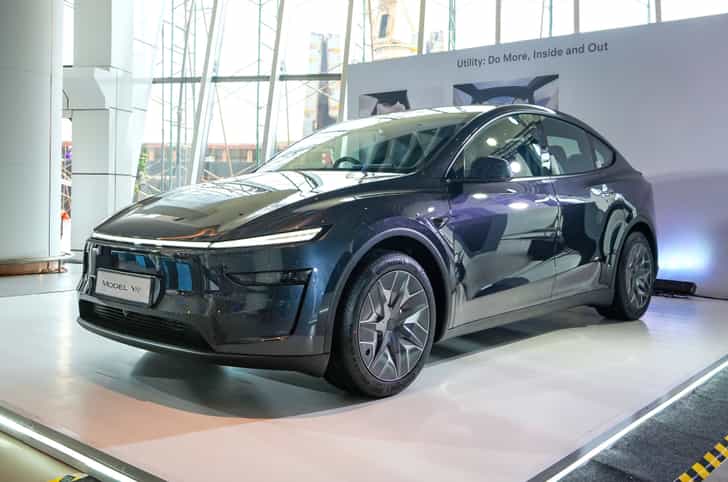
Hi, I am thinking of replacing Toyota Corolla (2006 model) with a car under the budget of Rs. 20 - 22 lakh. Which car do you suggest replacing the trustworthy Corolla with as it has served me very well. I am considering the VW Virtus/ Skoda Slavia, VW Taigun /Skoda Kushaq and Honda City Hybrid.
Honda CitySkoda SlaviaVolkswagen VirtusVolkswagen TaigunSkoda KushaqToyota Urban Cruiser HyryderJazz owner · 130,000 kmHi, I wanted to upgrade from Honda Jazz. I am looking for an automatic car that I could hold on for at least 10 years. My budget is Rs. 12 to 18 lakh. My monthly commute is 1200 km. Should I go for a petrol or an EV. I am considering an EV over 10 years that could be financially beneficial? But on the contrary, I'm concerned about the reliability of EV since there is no mass market which has held EV for 10 years as of now. (except for Reva or Logan EV).
Honda ElevateToyota Urban Cruiser Hyryder