Autocar India
3w

I am confused between the Mahindra XUV 7XO AX7 petrol automatic and the Mahindra Scorpio N Z8S petrol automatic. I am based in Bangalore and would mainly use the car on weekends, covering around 20km per outing, which works out to roughly 100km a month. I would also take occasional long trips, bringing the estimated annual usage to around 3,000km. We are a family of five, but our extended family occasionally joins us, taking the total to seven people. That is why I am looking for a seven-seater. I really like the Scorpio N for its looks and legacy, while the XUV 7XO appeals to me for its technology and features. Given my usage and requirements, which one would be the better choice?

Verified
2w

Though both are Mahindra cars, they are quite different in character. The Scorpio N Z8S Petrol AT has undeniable road presence and a legacy that goes back over two decades, so it is easy to understand why it appeals to you. Its body-on-frame construction also makes it the tougher, more rugged choice, especially if your regular driving involves poor roads or occasional off-road use.

However, for the usage you have described, the XUV 7XO AX7 Petrol AT would be the better fit. With only around 3,000km a year, mostly short weekend trips in Bengaluru and a few longer family journeys, you are likely to appreciate its more modern, car-like driving manners and greater everyday comfort. It feels easier to drive, more stable at highway speeds and less cumbersome in the city than the Scorpio N.

The XUV 7XO also has the advantage on technology, cabin ambience and overall refinement. Its ride is more composed and its handling feels more predictable, while the Scorpio N can feel bouncier and more top-heavy, particularly when driven briskly or with a full load. For a family of five, both will work well, but the XUV’s cabin feels more premium and the third row though best kept for occasional use is better in the XUV 7XO as well.

Choose the Scorpio N if its design, image and rugged character genuinely matter more to you, or if your long trips often involve badly broken roads. But if you want the more rounded family SUV, with better comfort, technology and on-road behaviour, the XUV 7XO is the one to go for.
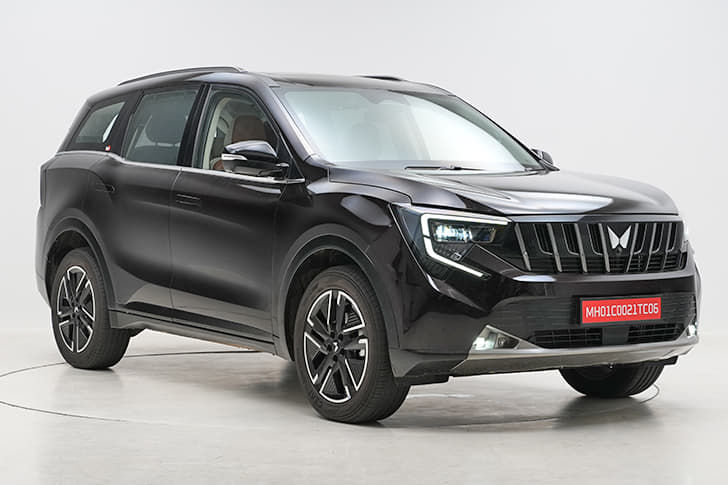
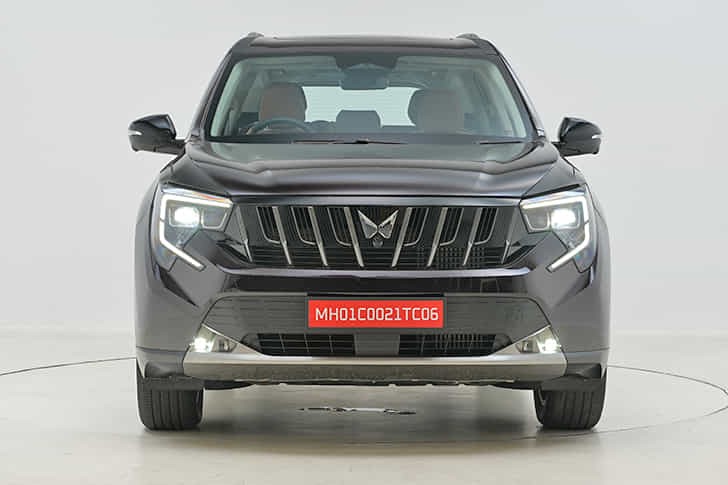
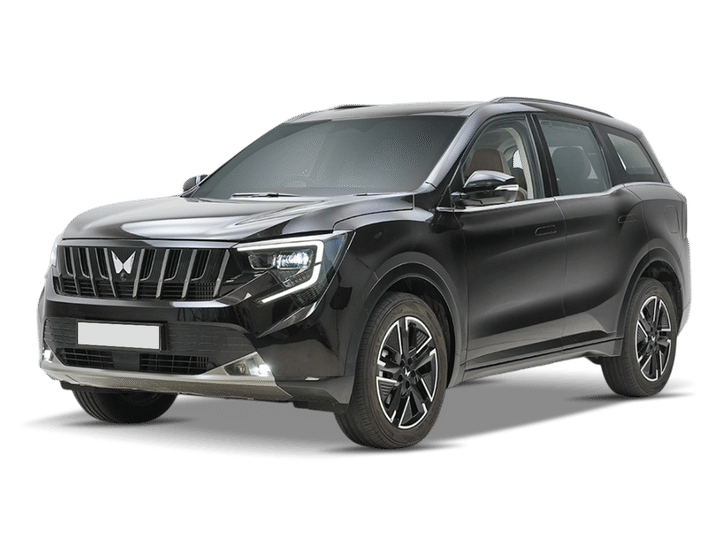
Mahindra XUV 7XO

Mahindra XUV 7XO

More posts on similar cars

4d

My requirement is for a reasonably large 7-seater vehicle because I frequently go on very long drives. Sometimes, I even drive 1,200 km in a single stretch. I have been driving a Toyota Etios Liva for almost 15 years, and the car has given me virtually zero problems. So, I have firsthand experience of Toyota reliability. My budget is around Rs. 24 lakh, and reliability is my number-one priority. I love diesel cars, although I understand that diesel options are fewer. At the moment, I am mainly considering the non-hybrid Toyota Innova HyCross ZX(O) petrol. Within my budget, I mayconsider Innova Crysta, depending on the variant and on-road price. I am also considering Honda City Hybrid, but my concern is the reduced boot space in the hybrid version, and of course, it isn’t a 7-seater. I’m not really looking at too many other brands, although I’m also wondering about the Mahindra XUV 7XO. I haven’t driven it yet, so I’m not sure whether I should seriously consider it. When I compare Mahindra with Toyota, I personally don’t feel that Toyota-level reliability is there and reliability is important to me because I plan to keep the vehicle for many years. I also like some of the newer brands and products such as Citroen but I am concerned whether manufacturers will continue operating in India in the long term. I don’t want to buy a vehicle from a brand that may disappear. So, given my requirements including a 7-seater car for long-distance driving, excellent reliability, comfortable highway cruising, reasonable boot space, and a budget of around Rs. 24 lakh, which car would you recommend? Should I go for the Innova HyCross ZX(O) non-hybrid, Innova Crysta, or take a chance on something like the Mahindra XUV 7XO? I’m particularly interested in your recommendation from a long-term ownership and reliability, comfort perspective, because after owning a Toyota for 15 years, I know what genuine reliability feels like.

Verified
1d

Given your priorities, the Innova Crysta makes the most sense. You have already experienced Toyota reliability over 15 years, frequently undertake extremely long highway drives and specifically prefer diesel. The Crysta matches that brief better than the HyCross or XUV 7XO.The 2.4-litre diesel is well suited to long-distance touring, with strong low-end torque and a relaxed character on the highway. It also offers a genuinely usable seven-seat cabin and good luggage space. Most importantly, its long-established powertrain and Toyota's service support make it the safer choice if you intend to keep the car for many years.The HyCross is more modern and more efficient, but there is an important point about the variant you mentioned: the ZX(O) is hybrid-only. If you want the naturally aspirated petrol, the top grade is the GX(O), which is available with seven or eight seats. The hybrid ZX(O) is also considerably beyond your Rs. 24 lakh budget.The XUV 7XO is worth a test drive, but if reliability is genuinely your number-one priority, the Toyota is the more reassuring long-term choice.

VehicleToyota Innova Crysta
VehicleToyota Innova HyCross
VehicleMahindra XUV 7XO

Popular discussions right now

6d

I am planning to buy a new car under 20-25 lakh for the next ten years. I have considered two cars Seltos DCT GTX(A) and Kushaq 1.5 Monte Carlo DSG but am afraid of the mileage and if I go with an EV, I am afraid that infrastructure will not be that good. I drive daily for 10-15 km and take 2-3 trips in a year on highway. Should I buy the car now or wait for Seltos Hybrid? Will it cost an additional 2-3 lakh or will it be value for money for my driving. Should I consider another car?

Verified
6d

With a daily running of just 10-15 km and only a few highway trips a year, fuel efficiency and long-term reliability should be your top priorities. The Seltos DCT GTX+ and Kushaq 1.5 DSG Monte Carlo are both excellent cars, but their turbo-petrol engines and dual-clutch gearboxes are not the most efficient or the most stress-free choices for predominantly short city runs. The DCT/DSG gearboxes are at their best on open roads, and in stop-start city traffic they can feel a bit jerky and are not as smooth or as durable as a torque converter automatic over the long term.The Seltos hybrid is worth waiting for if you are not in a hurry. It is expected to be priced roughly Rs. 2-3 lakh above the equivalent petrol variant, and for your usage pattern it will make more sense than the turbo-petrol DCT. Hybrids deliver their biggest efficiency gains in city driving, and over a 10-year ownership period the fuel savings and smoother driving experience will more than justify the premium.If you want to buy now, the Kia Seltos IVT (naturally aspirated petrol with CVT) is the better choice for your usage. It is smooth, reliable and well suited to city driving, and you will not be paying a premium for performance you will rarely use. The Skoda Kushaq 1.0 TSI with the torque converter automatic is another good option if you prefer a more engaging driving experience, but the Seltos IVT is the more refined and hassle-free choice.EVs are not the right fit for you at the moment given your concerns about charging infrastructure and your low daily running. The savings are not significant enough to justify the compromises.

VehicleKia Seltos
VehicleSkoda Kushaq

Curated collections

Posted on: 16 Aug 2026