Autocar India
NJ

Nayan Jain

8w

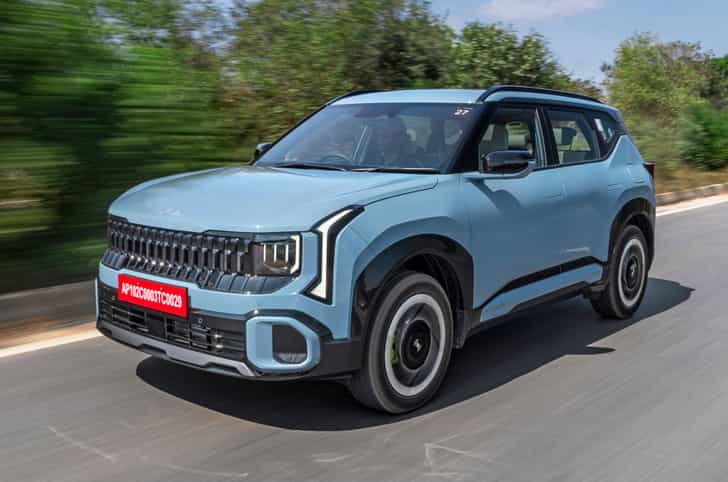
I am planning to buy a Kia Seltos automatic, primarily for city use (around 80%) with occasional highway drives. However, I am confused between the 1.5-litre naturally aspirated petrol with IVT (CVT) and the 1.5-litre turbo petrol with DCT.

Autocar India team

Autocar India

Verified
8w

With 80% city use and only some highway runs, the Kia Seltos 1.5 petrol CVT (Kia calls it IVT) is the better fit for you. The CVT is an automatic that varies the gear ratio steplessy and smoothly, so it feels calm and easy in stop-and-go traffic. It moves off the line gently; there is no shift shock, and it is usually a bit easier on fuel in the city. It is also simpler to live with day to day. 

The 1.5 turbo petrol DCT is the one to pick only if you really value strong speed and quick overtakes. A DCT is an automatic with two clutches that shifts very fast, so it feels much quicker on an open road and with a full load. But in crawling traffic, it can feel a touch hesitant and jerky when you get on and off the throttle. 

Two trade-offs to note with the CVT: if you often drive with five people and luggage, or if you like sudden highway bursts, the turbo DCT will feel stronger. And the 'rubber-band effect' of the CVT can make the engine sound noisy, though it settles once you’re cruising.

Given your mostly city pattern with only occasional highway trips, the 1.5 petrol CVT lines up best with what you need and will feel easier and calmer to use every day.
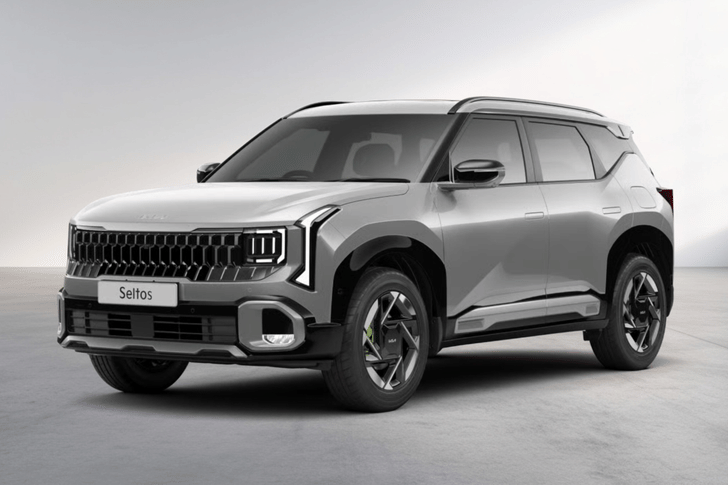
Kia Seltos

Kia Seltos

Explore cars mentioned

SH

Shaurya

7w

I am planning to buy a car around 20 lakhs. My usage is mostly within city but I like long drives so once in a month we travel to different cities or near by states. My average driving would be 4000-5000 km per month. Can you suggest which car is good to go for in terms of mileage and reliability?

PR

Prashant

7w

Take any hybrid vehicle ,if your running is more

More questions on similar cars

Expert reviews worth reading
Popular discussions right now

AD

Abhishek Das

1w

I am planning to purchase a new automatic car and am confused between the Honda Amaze ZX CVT and the Skoda Kylaq Signature Plus AT. My usage will be around 90% city driving, primarily for office commuting between Dwarka, Delhi and my office near IFFCO Chowk, Gurugram (approximately 25 km one way). However, I will not be driving daily, as I often use the Metro as well. The car will also be driven by my 69-year-old father, so ease of driving, comfort, visibility, ingress/egress, and reliability are important considerations. Our previous car was an Alto K10 Manual, so this will be our first automatic car and a significant upgrade. Considering my usage pattern, family profile and the fact that we intend to keep the car for a long period for around 10 years, which of these two would you recommend?

Autocar India team

Autocar India

Verified
5d

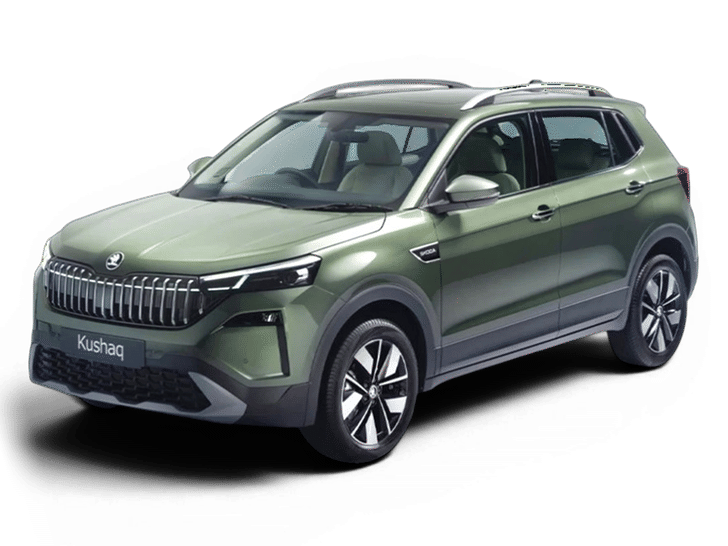
Based on your requirement, we would recommend the Honda Amaze ZX CVT over the Skoda Kylaq Signature+ AT. The reason is that your priorities are not outright performance or driving excitement. You are looking for a car that will spend 90% of its life in city traffic, will also be driven by your 69-year-old father, and is expected to stay with the family for around 10 years. In that context, Amaze's strengths line up perfectly with your requirements. The CVT is smoother than the Kylaq's torque converter automatic in stop-and-go traffic, visibility is excellent, the car is easy to place on the road, ingress and egress are straightforward, and Honda's long-term reliability record is hard to fault. Coming from an Alto K10, it will already feel like a substantial upgrade in comfort, refinement and features.The Kylaq Signature Plus AT is the more desirable car from an enthusiast's perspective. The 1.0 TSI turbo petrol has more punch, the higher seating position is nice, and the overall package feels more substantial. However, it is also a larger vehicle to manoeuvre, and while the automatic is good, it is not quite as seamless in everyday traffic as Honda's CVT.Another point in Amaze's favour is that the ZX variant gets Honda Sensing ADAS, which adds useful safety features without making the car complicated to operate. Since your father will also be driving it, that extra layer of safety is a nice bonus.

VehicleHonda Amaze
VehicleSkoda Kylaq
SP

Saransh Parnami

1w

I am confused between the Nexon, XUV 3XO, and Venue as my first car. My running is expected to be 1,000-1,200 km per month. My priorities are: 1) Performance, 2) Mileage and ownership cost, 3) Features, and 4) Rear-seat and boot space. Please advise and suggest the best-value variant as well. I am inclined towards a manual.

Autocar India team

Autocar India

Verified
5d

Our first recommendation would be the new Venue Turbo Petrol Manual. It strikes the best balance for your priorities. The turbo petrol engine is punchy and enjoyable to drive, fuel efficiency is respectable, and Hyundai's ownership experience is generally hassle-free. The latest Hyundai Venue is also more spacious than before, particularly in the rear seat, and feels like a very well-rounded first car. For value, we would look at the SX Turbo Manual, which gets a good mix of features without stretching the budget too much.Our second choice would be the Mahindra XUV 3XO. If outright performance and rear seat space are your priorities, it is arguably the strongest car here. The turbo petrol engine is lively, the rear bench is among the widest in the segment, and it feels more substantial than the Venue. The downside is that fuel efficiency is not as strong, and the boot is one of the smallest in the class. The MX2 Pro or AX5 Manual would be the variants to consider, depending on your budget.The Tata Nexon would be our third choice. It remains a good all-round package with decent space, a strong feature list and good road presence. However, compared to the newer Venue and 3XO, it does not feel quite as polished, and neither the driving experience nor the ownership proposition is as compelling.

VehicleHyundai Venue
VehicleMahindra XUV 3XO
VehicleTata Nexon

Posted on: 16 Apr 2026