Latest questions answered by experts
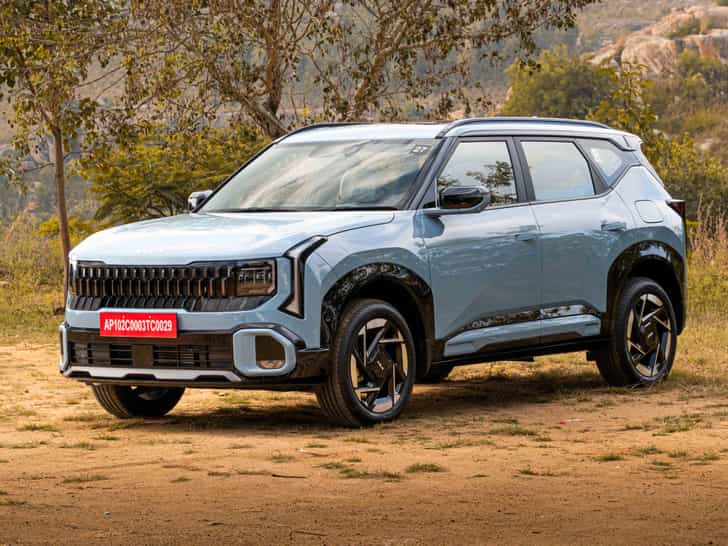
Kia Sonet or Hyundai Venue: automatic required. Which one is the best option for Delhi NCR?
Between these two compact SUVs, go for the Hyundai Venue. Though the Kia Sonet and Venue seem quite similar in size and proposition, sharing the same engines and gearboxes, they are actually a generation apart, and there are some differences. The new-gen Venue is based on Hyundai-Kia's K2 platform and as such is wider and more spacious than this Kia car. Crucially they've addressed two major weaknesses of the Sonet and old Venue, namely rear-seat space and ride comfort, which are now far improved. The other big advantage of the new platform is the shift to a new-gen electronic architecture, which means better screens, NVidia-powered graphics and more advanced connected car tech. The only advantage the Sonet still has is that, depending on the variant, it can be slightly more affordable. Overall, however, we feel the Venue offers more value with its new-gen benefits.
My mom is looking for a car to replace our Ignis AMT. Although the main use is a daily commute of 15km in town, we need a car that provides good comfort for four people on trips of up to 250km. We looked at the Tata Punch and Nexon EV, but the general service issues with Tata are concerning. The budget is around Rs 16-17 lakh on-road. Is it worth waiting for the upcoming Bayon? Is the 1.5-litre + IVT combination known to be fuel-efficient in the city?
The Tata Punch and Tata Nexon EV are both good products, but your concern about service is valid. Tata’s service experience can still be inconsistent depending on the city and dealership, and for a family car that will be used on longer trips, that peace of mind matters. The Punch might be too cramped for four to use regularly, so the Nexon is the better bet here. Furthermore, an electric car only makes sense if you have home charging, and though your occasional 250km road trip is within the car's real-world range, a seamless road trip is highly dependent on the availability and reliability of public charging, which varies.The upcoming Hyundai Bayon is certainly worth waiting for if you are not in a hurry. It is expected to be positioned between the Hyundai Venue and Hyundai Creta, and the 1.5 petrol with IVT is a proven and reliable combination. It is is both smooth and fuel-efficient in stop-go city traffic, and is the most popular - and frankly best - powertrain on offer in the ICE Creta. It should offer the best of both worlds - space closer to a Creta with price and running costs closer to a Venue. The only question mark is the price, as it remains to be seen if Hyundai can price the 1.5 IVT variant within your Rs 16-17 lakh OTR budget.
Which technology would be best for travelling in Mumbai with a monthly usage of less than 1,000km: electric, hybrid, petrol, or diesel?
There are a few more criteria to clarify, but all things equal, for Mumbai city driving with less than 1,000km per month, an electric car is the most sensible choice. Diesel and hybrid cars ask you to spend more than what your usage justifies, and are available in very few vehicles today at the upper end of the spectrum. Modern diesel cars also require regular highway runs to regenerate the DPF, and assuming your Mumbai drive is purely urban, that will require extra effort. A Petrol car is not without its problems, chiefly that it is the most expensive fuel per unit, and its vehicles are the least efficient, so while the purchase price may be the lowest and the choice in vehicles the widest, in terms of pure running costs, it could end up the highest. EVs aren't without their shortcomings, chief of which is the dependence on a home charger, so make sure that is possible at your home. Outstation trips, should you need to do them, become limited by infrastructure and the vehicle's range, but again assuming you mean urban Mumbai driving only, the fact that they offer minimal running costs and the lowest maintenance, makes them best suited for your use. And while they may be expensive to purchase compared to their ICE equivalents, they're available in many shapes, sizes and price points today, so it's quite easy to find something that fits your needs. What's more, an EV remains the smoothest and most refined driving experience money can buy, which is ideal for an urban environment like Mumbai.
Upcoming launch buzz
Community discussions on upcoming launches
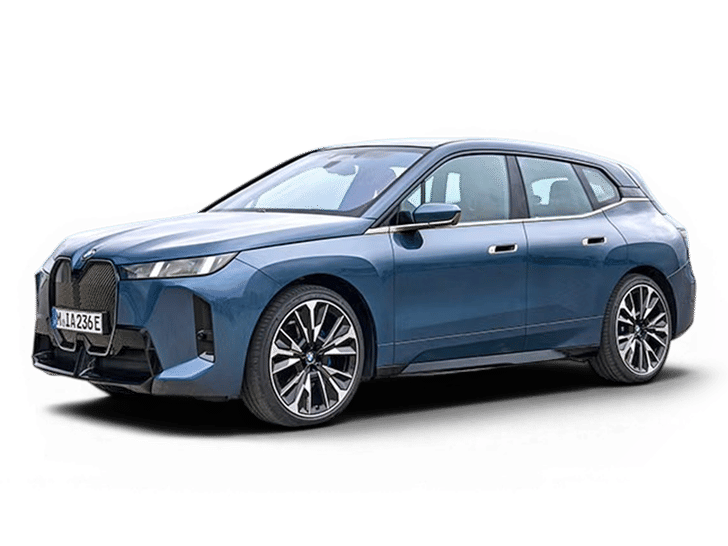
BMW
iX facelift
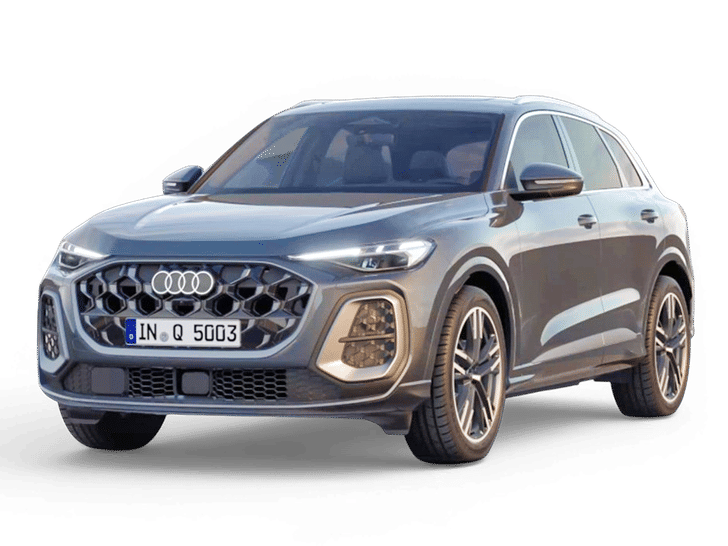
Audi
New Q5
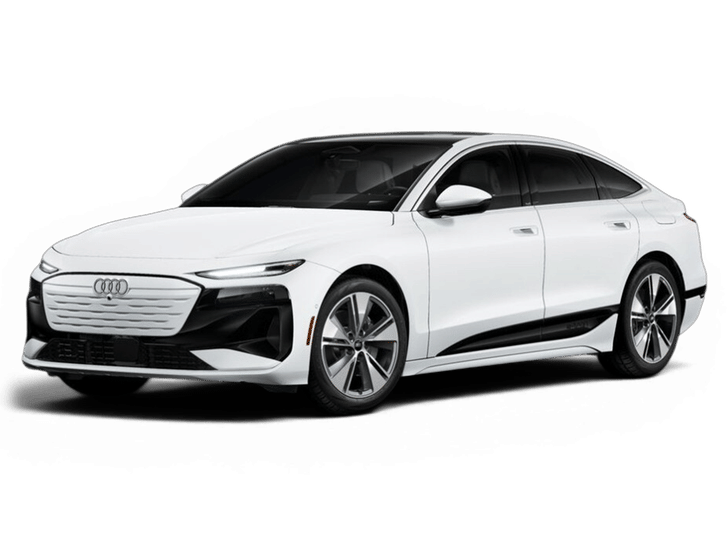
Audi
A6 e-tron

Audi
Q6 e-tron
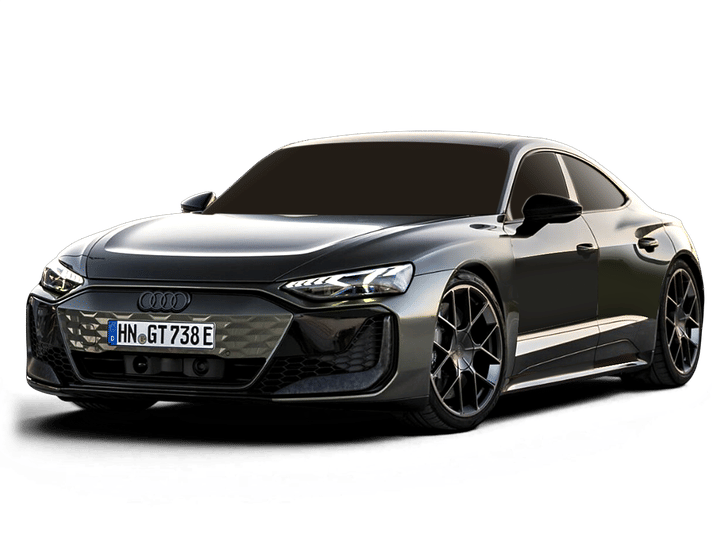
Audi
e-tron GT facelift

Volkswagen
Virtus facelift
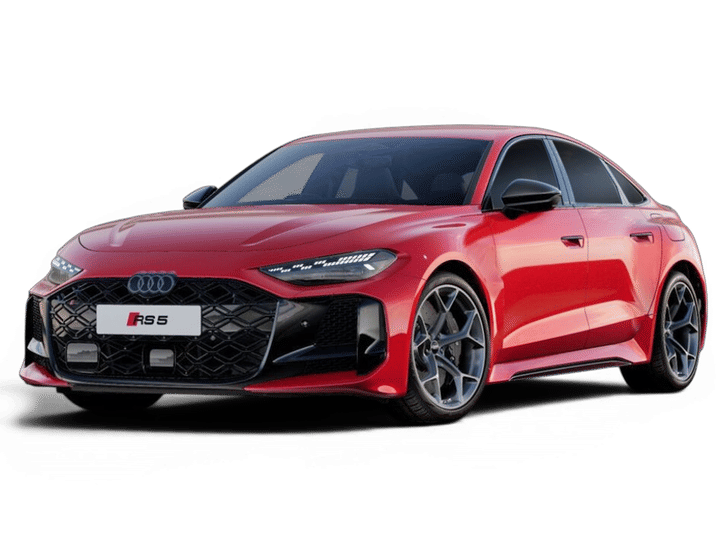
Audi
A5

Vinfast
VF5
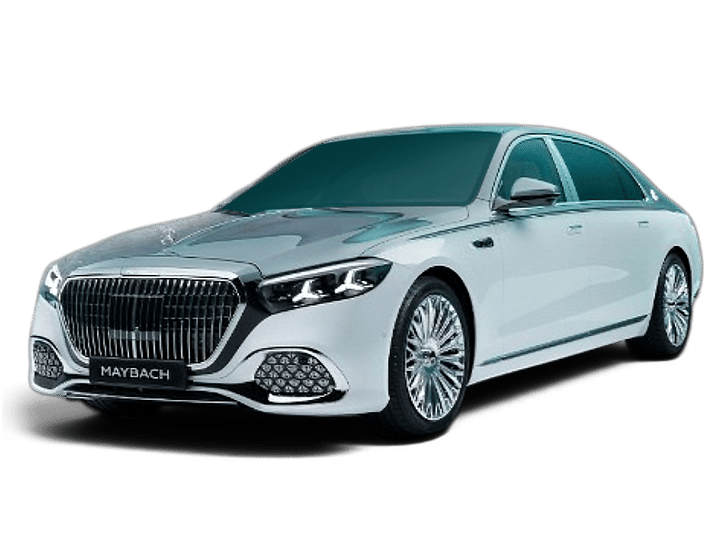
Mercedes-Benz Maybach
S-Class facelift
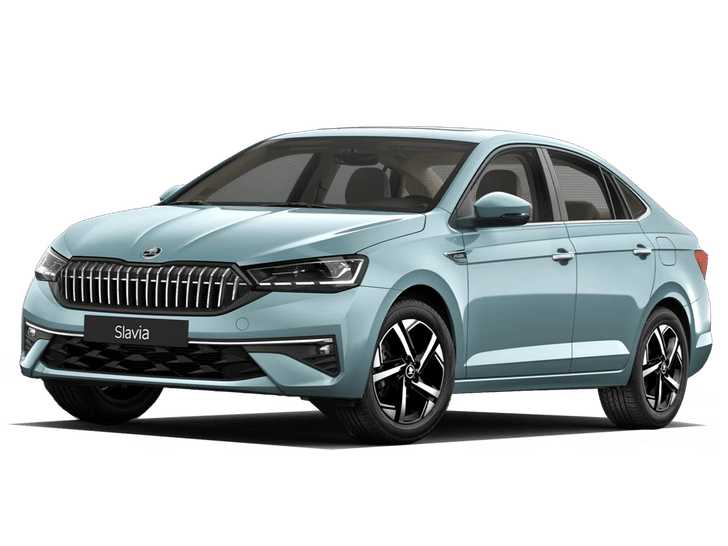
Skoda
Slavia facelift
I am looking for a safe and fuel-efficient diesel or petrol car, and my daily travel is around 50km. I am looking for a car that will suit my needs for the next 7-8 years. Which would be the best car to purchase within my maximum budget of Rs 20 lakh?
With a daily running of 50km, you are looking at around 18,000km a year, which is right in the sweet spot where a diesel starts to make financial sense, especially if a significant portion of your driving is on highways. At the same time, you are also looking for a car that is safe, fuel-efficient, and reliable over a 7-8 year ownership period, all within a budget of Rs 20 lakh.The Kia Seltos diesel is the recommendation here. It has a 5-star Bharat NCAP rating, and the diesel engine is both efficient and well-suited to your kind of running. This Kia car is also spacious, comfortable, and well-equipped, making it a strong long-term ownership proposition. You should also get a reasonably high-spec variant within your budget of Rs 20 lakh.If you are open to petrol, the Maruti Suzuki Victoris Hybrid is worth considering. It, too, has a 5-star Bharat NCAP rating; the hybrid system delivers excellent fuel efficiency, especially in city driving, and Maruti's service network and reliability are big advantages over a long ownership period. However, given your running, the diesel Seltos still makes more financial sense.

Hi Autocar Team, I’m looking to replace my current Tata Punch Accomplished Dazzle Sunroof AMT. I’m not very happy with the AMT gearbox and specifically want to move to a smoother automatic for Hyderabad traffic. My hard on-road budget is Rs 15 lakh. The car will mainly be used by my wife and me, along with our kid, so I’m looking for something that offers good safety, comfort, an automatic transmission, and a sunroof. My biggest priority is long-term ownership and reliability. I plan to keep the car for at least 6-8 years, so it should be reasonably easy and affordable to maintain, with good parts availability and decent resale value. Could you please suggest which car and variant you would personally recommend within a Rs 15 lakh on-road budget in Hyderabad? I’m currently considering cars such as the Maruti Brezza, Kia Sonet, Škoda Kylaq, and other compact/mid-size SUVs, but I’m open to better options. If you had Rs 15 lakh as a hard maximum budget and were replacing a Punch AMT, which car would you shortlist and why?
Go for the Maruti Suzuki Brezza ZXi AT. It is the most sensible upgrade from the Tata Punch AMT and fits your priorities perfectly. The Brezza uses a 6-speed torque converter automatic, which is significantly smoother and more refined than the AMT in the Punch, especially in stop-start Hyderabad traffic. It is also one of the most reliable and easy-to-maintain cars in the segment, with excellent parts availability and a strong service network, which is important for a 6-8 year ownership plan.The ZXi variant sits in the sweet spot of the range, offering good safety equipment, a comfortable cabin and the features you are looking for, including a sunroof, without stretching your budget. You could stretch for the ZXi+, which costs about Rs 2 lakh more, but that pushes it outside your Rs 15 lakh budget and we feel the additions aren't worth the extra outlay. This Maruti Suzuki car is also a genuinely comfortable 5-seater with a well-sorted ride and a proven ownership track record.The Skoda Kylaq is a good driver's car, but fuel efficiency can take a huge nosedive if you're not careful; the Kia Sonet is feature-rich, but cramped on space and with a firm ride. The Brezza is not the most exciting car in the segment, but it is the one you are most likely to be happy with after 6-8 years of ownership.
I have booked Duster hybrid but right now, I am thinking about purchasing an EV for approximately 1500 km of monthly running that includes 1000 km on highway and 500 km in the city with approximately 1500 km of road trip twice annually. Please suggest.
With 1,500km a month, mostly highway, and two 1,500km road trips a year, the Renault Duster Hybrid is the right choice. The hybrid system will help in the city, but the real advantage is on the highway, where you get consistent range, quick refueling and no need to plan charging stops. Your long road trips are the key factor here - an EV would require careful planning around charging infrastructure, and even with a long-range EV, you would be stopping for 30-60 minutes at a time. The Duster Hybrid gives you the flexibility to just keep going.If you were doing mostly city driving, an EV would make more sense. But with your usage pattern, the hybrid is the more practical and stress-free option. The Duster Hybrid promises to be a genuinely enjoyable car to drive, with a good balance of ride comfort and handling, and a sophisticated hybrid system adds efficiency without complicating the ownership experience. Stick with the Duster Hybrid as it is the right car for your needs.
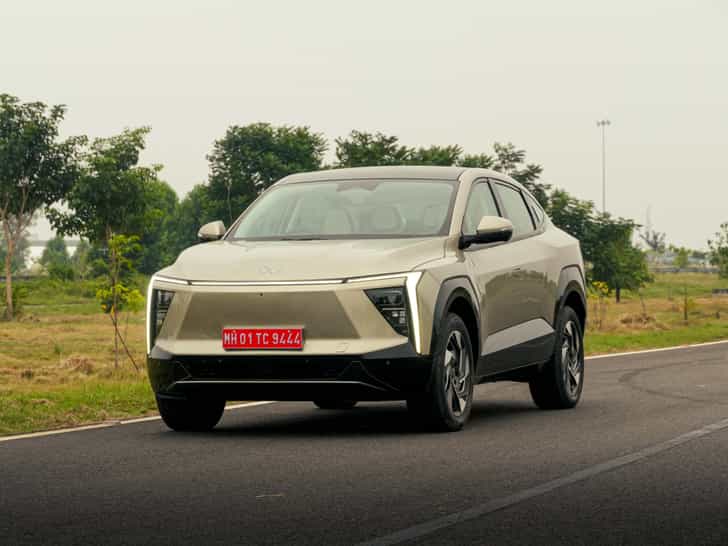
Is the ride comfort of rear seat passengers of VF7 70.8 kWh 2WD better than that of 9e? Which of these two are better suited for 3 rear seat passengers? Which of these two have lesser software and hardware reliability issues? I am inclined towards the VF7 subject to clarity on the above 3 queries. Early adopters of VF7 have reported quite a few issues. Should I skip VF7 altogether or worth taking a plunge?
The Mahindra XEV 9e is the safer recommendation here. It is the more mature product with a proven track record, and Mahindra's service network and support are well established. The rear seat is genuinely wide and comfortable for three passengers, and the overall ownership experience is likely to be more predictable. The Vinfast VF7 is an interesting product, but as you have already noted, early adopters have reported a number of issues, and as a new entrant, Vinfast does not yet have the same level of service reach or long-term reliability data in India. Unless you are specifically drawn to the VF7's design or feature set, the XEV 9e is the more sensible choice.

Hi, I want to buy a car under a budget of Rs. 4 lakh. Should I go for pre-owned car or increase my budget to get a new one after some time? In case of pre owned car, which car should I buy? My monthly running is around 800 km mostly in city areas.
With a budget of Rs. 4 lakh and 800 km a month of mostly city driving, a well-chosen pre-owned car is the smarter move. Look for a 3-5 year old Maruti Suzuki Swift, Wagon R or Celerio in good condition. These cars are reliable, easy to drive in the city, cheap to maintain and have excellent service reach. If you want something a bit more premium, a well-kept Honda Amaze or Hyundai Grand i10 is also worth considering. The key is to buy from a trusted source, check service history and get the car inspected. With your running, a petrol car makes the most sense. If you can stretch your budget by Rs 1-2 lakh, you could consider a new Maruti Alto K10 or Renault Kwid, but at Rs. 4 lakh, a good used car will give you a far better ownership experience.
I am looking to upgrade from Venue SX(O) 1.0 Turbo with IMT (2021) to a car with a Torque Converter. I am confused between Skoda Kylaq Prestige Plus and XUV 3XO AX7 1.2 TGDi AT.
Since you're coming from a Venue Turbo IMT and looking for a proper torque converter automatic, the Skoda Kylaq Prestige Plus is the better fit. The Kylaq’s 1.0 TSI paired with the 6-speed torque converter automatic is a proven and reliable combination that delivers a smooth and responsive driving experience, especially in city conditions. The Kylaq also has a more engaging driving character, with a well-balanced chassis and mature road manners.The XUV 3XO AX7 1.2 TGDI AT is a strong alternative, offering a more spacious and premium cabin and a richer feature list at a similar price point. However, the Kylaq’s driving dynamics and the punchy 1.0 TSI engine and torque converter automatic make it the better upgrade from your Venue. The Kylaq also feels like a more natural step up in terms of driving experience, refinement and overall ownership satisfaction.
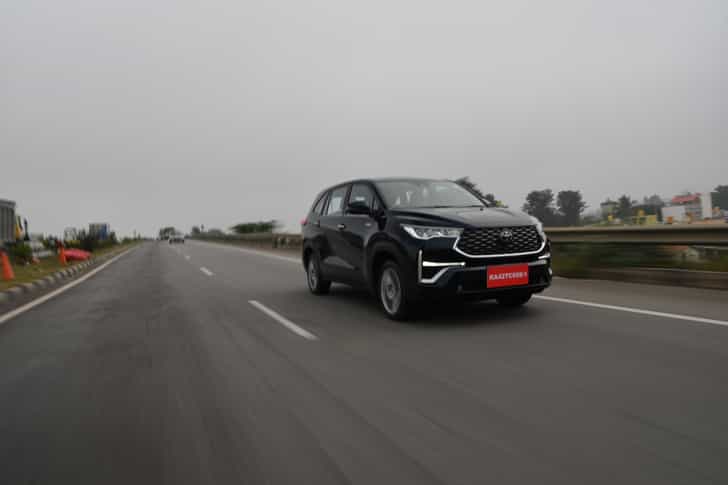
Hello. I own a Toyota Innova Crysta diesel automatic (2022 model). I replaced the DPF filter in 2024 under warranty. Currently, it has completed 62,000 km and my current monthly driving is around 1500 km. I want to a buy a new car. Which one should I buy? I started buying vehicles since 2010, starting with a Maruti Wagon R, Vento, Creta and now Crysta. I am afraid that I will have to do DPF filter replacement again in the future, if the issue reoccurs, as it is too costly and my car is out of warranty. So I want to change my vehicle because otherwise I don't have a reason to change the vehicle.
Given your ownership history and usage, the Toyota Innova HyCross hybrid is the most sensible upgrade. Your 1,500 km a month is a mix where diesel makes sense, but your concern about DPF is valid. The HyCross hybrid eliminates that worry entirely while still delivering excellent efficiency and long-distance capability. It is also a genuinely comfortable long-distance car with Toyota's proven reliability and a strong ownership experience.The only reason to consider something else would be if you specifically want a more premium or more feature-rich experience, in which case the Kia Carnival is worth a look. However, the Carnival is significantly more expensive and does not offer the same hybrid efficiency advantage.If you are happy with your Crysta apart from the DPF concern, the HyCross is the natural next step. It gives you the same Toyota ownership confidence with a more modern, worry-free powertrain.
Is an EV a safe bet as a primary car now as I am considering MG Tomahawk EV. My daily running in city will be around 45 km and will also include quarterly long drive around 600 km. Currently, I am staying in Thane.
With a daily city run of 45 km and a 600 km trip once a quarter, an EV is a perfectly viable primary car today, provided you have access to home charging in Thane.The MG Hector Tomahawk EV looks well suited to your routine. Its 69.2 kWh battery has a claimed range of 517 km, though real-world range will be lower, so plan on at least one charging stop on a 600 km tripThat’s less convenient than filling up with petrol or diesel, but for a trip you make only once a quarter, it may be a reasonable trade-off for the lower running costs and relaxed everyday driving.
Can I keep an EV as my primary car currently?
An EV can certainly be your primary car, but it depends on a few things. Ideally, you should be able to install a home or workplace charger, because public charging can still be inconvenient and unpredictable.Your usage matters, too. If you mainly drive in the city, an EV can be an excellent daily driver and a perfectly practical primary car. For longer trips, it depends on the distance and whether you can charge easily at your destination. If your budget is over Rs. 20 lakh, several EVs offer a real-world range of around 400 km. If your typical drives fall within that, range shouldn’t be a problem.The deal-breaker is having to rely on public charging, especially on highways. It’s still nowhere near as quick or stress-free as filling up with petrol or diesel.
I am looking for an SUV for my family. I can get the Maruti Suzuki Brezza ZXi+ AT and Victoris ZXi AT at nearly the same price because of the heavy discounts offered on the Victoris by the dealership. Which one should I go for? I don't drive a lot, with one or two 80-100 km trips a month and the rest of my driving in the city. My budget is around Rs 15 lakh.
Go for the Maruti Suzuki Victoris ZXi AT. With the heavy discounts, it is a much better value proposition than the Brezza ZXi+ AT at a similar price. The Victoris is a larger car with a more spacious cabin and a bigger boot, making it a better family car overall. It also feels more premium inside and offers a more comfortable ride, especially on longer trips. The naturally aspirated petrol engine is smooth, refined and well-suited to your usage pattern of mostly city driving.The Brezza is a solid, reliable and easy-to-drive compact SUV, but at the same price as the Victoris, it simply does not offer the same level of space, comfort or overall value. Both cars share the same powertrain and Maruti's strong reliability and low running costs, so the Victoris is the clear choice here.

I’m confused between the Kia Seltos HTX G1.5 NA petrol IVT and the G1.5 T-GDi turbo-petrol 7DCT. My usage will be primarily in the city, with occasional family road trips, probably once every three months. I plan to keep the car for more than 10 years. Is the G1.5 NA IVT sufficiently powerful and safe for driving hill stations like Munnar and Ooty with family on board when cruising through steep climbs & ghat roads ? Will it struggle with five people and luggage?
Go for the Kia Seltos HTX 1.5 NA petrol IVT. For your usage pattern, predominantly city driving with occasional family road trips and a planned ownership period of over 10 years, the naturally aspirated petrol paired with the CVT automatic is the more sensible choice. It is smooth, reliable and well-suited to stop-and-go traffic, and the CVT gearbox is seamless in the city and easy to live with over the long term.On hill station drives, the 1.5 NA engine will not struggle as long as you drive sensibly. It may not feel as effortless as the turbo, especially with five people and luggage on steep climbs, but it will get the job done without drama. You may need to plan overtakes and use the manual mode on the CVT on steep sections, but it is perfectly capable for family touring.The turbo-petrol DCT is the more powerful and exciting option, but the DCT gearbox is not as well-suited to predominantly city usage. The naturally aspirated Seltos IVT is the safer, more reliable and more stress-free choice.
Hi, I want to buy a car. My monthly running is around 800km, mostly in the city. I am considering a pre-owned vehicle for around Rs 4 lakh because I am a bit conservative about taking EMIs for a longer duration. I have two questions: should I go for a pre-owned car, and if so, which would be ideal? Or should I consider buying a brand-new car?
With a monthly running of 800 km, mostly in the city, a petrol car is the right choice. At around Rs 4 lakh, a well-maintained pre-owned Maruti Suzuki Swift or a Hyundai i20 would be the ideal recommendation. Both are reliable, easy to maintain and have excellent service reach, which is important for long-term ownership. You could even get a larger car like a VW Vento at the same budget, although a bit older; however, we would advice against this as maintenance costs can be higher and you are on a budget and would like to keep your expenses low. It would be better to purchase from Maruti and Hyundai's approved used car programs or from reputed pre-owned sellers like Spinny. Buying from these outlets gives you a lot of peace of mind in terms of paperwork, and often the cars will have some level of a warranty too.
Need expert advice?
Ask the Autocar community and experts.