Latest questions answered by experts
I am considering the Hyundai i20 Sportz CVT and Maruti Suzuki Baleno Zeta AMT for city driving in heavy traffic. My monthly running will be around 1,500-1,600 km, and this will be my first car. I want a car with decent mileage and a smooth driving experience. Which one should I prefer?
Go for the Hyundai i20 Sportz CVT. For your usage of 1,500-1,600 km a month in heavy city traffic, the CVT automatic is the key advantage. It delivers a much smoother, more seamless driving experience in stop-and-go conditions than the Baleno's AMT, which can feel jerky during gear changes. The i20 also feels more premium inside and offers a more refined overall package. The Baleno Zeta AMT is the more fuel-efficient option and a solid, reliable first car, but the mileage difference isn't significant enough to outweigh the comfort and smoothness of the i20 CVT for your usage. For a first car focused on city driving, the Hyundai car mentioned above is the better choice.
I’m looking to buy the Citroen Aircross X 5-seater automatic, but I’m not completely convinced because of Citroen’s after-sales service and parts availability. If I don’t go for the Aircross, I will have to consider smaller cars such as the Kylaq or Venue, as my budget is Rs. 16 lakh at most. The extra space, ride comfort, and good discounts on the Citroen are tempting compared to the other two. Which one should I choose? My usage will be around 60% highway and 40% city.
Go for the Citroen Aircross X 5-seater automatic. This Citroen car is a genuinely comfortable long-distance car with a spacious cabin and a very absorbent ride. The discounts make it excellent value, and you are getting a larger, more comfortable car for the same money as a smaller SUV like the Kylaq or Venue. Citroen's service network is not as extensive as Maruti, Hyundai or Kia, but it is improving, and the Aircross X is not a complex car. If you are in a major city, service and parts availability should not be a deal-breaker. The Kylaq and Venue are both good cars, but they are smaller and less comfortable on long highway runs. The Aircross X is the better fit for your usage and budget.
Please suggest an SUV for me with an annual running of around 8,000- 10,000 km, mostly on highways and mountain terrain such as Ladakh, Jammu and Kashmir. A manual diesel is my priority, along with safety. I have a family of two, and my budget is Rs. 10-15 lakh.
For your 8,000- 10,000 km annual running and frequent highway and mountain trips, the XUV 3XO diesel manual remains the first choice. This Mahindra car has compact dimensions that are useful on narrow mountain roads, while the diesel has plenty of low-end torque for climbs and rough terrain. It also offers strong safety credentials and is much easier to live with as an everyday car.If your Ladakh and Jammu & Kashmir trips involve genuinely challenging terrain and you want a more capable off-roader, the Thar 3-door is the more specialised choice. The 2.2-litre diesel with 4WD offers a proper low-range transfer case, making it far more capable off-road than the 3XO.However, the Thar is less practical for everyday use. It is a four-seater, has limited boot space, and the rear seats are less convenient to access. The 3XO is therefore the better all-rounder, while the Thar makes sense if off-road capability is a major priority.
We currently have a 2012 Toyota Etios Liva diesel manual, but we are planning to buy a new car because Delhi's 15-year diesel rule does not allow us to continue using it. We want to switch to a petrol automatic. There are three people in our family. Our usual running includes a 5- 7 km trip to the temple every Monday, along with another 500-600 km of monthly running. Our old car covered around 1,10,000km over the last 14 years. We have Rs 9 lakh in cash and are willing to take a loan. Earlier, we were considering the Kia Seltos HTK(O) petrol DCT, which costs around Rs 18.5 lakh. However, we are now considering the Maruti Suzuki Baleno Alpha O AMT, which costs around Rs 11.5 lakh. The features I specifically want are an auto-dimming IRVM, auto-folding ORVMs and ventilated seats. Everything else is an added bonus, and I do not necessarily require it. The Seltos feels more premium and has a larger engine, but the Baleno makes more practical sense for our usage. What do you think?
Go for the Maruti Suzuki Baleno Alpha AMT (AGS). It’s compact, easy to drive in Delhi traffic, reliable and very efficient. The 1.2 petrol is smooth, and the AMT is simple and dependable. It also keeps your budget in check and leaves you with a smaller loan.The 2026 Baleno Alpha gets auto-dimming IRVM, auto-folding ORVMs and ventilated seats, all the features that you're looking for. The Alpha O gets you the addition of Level 2 ADAS at a premium of Rs 40,000, which you may or may not want to opt for. Overall, this Maruti car is the more practical, sensible and cost-effective choice for your usage.

I am looking to buy a car for my family of 5 and live in a Tier-3 city. My usage is quite low, at a maximum of around 500 km per month. I am currently confused between the Tata Punch and Tata Altroz. I am also unsure whether to choose petrol or CNG, especially with the ongoing discussions around ethanol blending and the possibility of E25 and E30 petrol in the future. Given my low usage, which car and fuel option would you recommend for long-term ownership? Also, should I go ahead with the purchase now or wait for further developments regarding ethanol-blended petrol? Please consider comfort, practicality for a family of five, reliability, running costs, maintenance, and long-term ownership while suggesting the best option.
Between the Tata Punch and Tata Altroz, the Altroz petrol is the better fit for your needs. With a family of five and very low monthly running, a petrol car is the right choice - CNG cars only make sense when running is high to justify the extra cost. The Altroz is the better family car here: it offers a more comfortable ride, a wider rear seat and a more spacious cabin than the Punch, which matters on longer journeys with three at the back. On ethanol blending, there is no need to worry. Modern petrol cars are engineered to handle E20, and there is no official roadmap for E25 or E30 in the near future. Go ahead with the Altroz petrol.
I am planning to buy an SUV, and my annual running is quite low, around 4,000-5,000 km. Most of my driving will be in the city, with occasional highway trips of around 2,000 km annually. My budget is Rs. 10-12 lakh, and the car will be used by my family of four, including me. Please suggest the best SUV options for my requirements, considering comfort, reliability, safety, performance, mileage, maintenance, and overall long-term ownership.
With your low annual running of 4,000-5,000 km and a budget of Rs 10-12 lakh, a petrol compact SUV is the most sensible choice. The Mahindra XUV 3XO is the strongest recommendation here. It offers the most spacious cabin in the segment, making it a genuinely comfortable 5-seater for a family of four, and the turbo petrol engine is punchy enough for occasional highway runs while remaining efficient in the city. This Mahindra car also comes well equipped and offers excellent value for money.The Maruti Suzuki Brezza Turbo is the alternative if you prioritise long-term reliability and low maintenance costs above all else. It is a proven, dependable product with Maruti's extensive service network, and it is also a comfortable 5-seater. The 1.2 petrol versions of the Hyundai Venue and Kia Sonet are also worth considering if you want a more premium-feeling cabin and a wider feature list. They might not have the same performance as the turbo-petrol versions, but their engine is responsive and both are very user-friendly with light controls and good visibility.
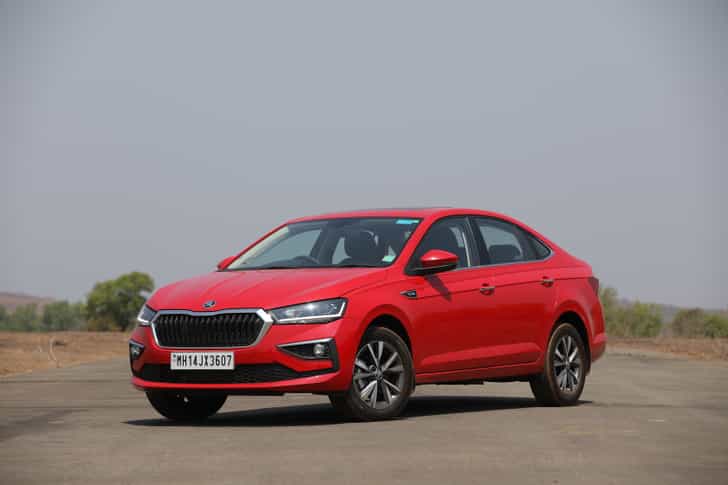
I have loved manual-transmission cars since childhood. I grew up watching people drive manual cars, and my love for cars and driving has only grown over the years. However, people keep telling me that driving a manual car in heavy city traffic can be difficult and tiring. I genuinely enjoy driving and feel that a manual car gives me a more engaging driving experience. So, what should I do? Should I accept the realities of heavy city traffic and buy an automatic, or should I follow my heart, buy a manual sedan and accept the inconvenience of driving a manual in heavy traffic? I am currently considering the Skoda Slavia 1.0 MT. Does it make sense to choose the manual given my love for driving, or would an automatic be more practical for city use?
Have you been driving regularly or are you simply fascinated by the concept of owning a manual sedan? If it is the latter, we'll recommend you to rent any self-driven manual car for a week, and replicate your daily usage with. If you're comfortable driving the manual car in traffic, then go ahead and get the car you've been longing for. A self-drive rental might seem a bit expensive but it'll help you get clarity of which transmission you should pick for the long term.The Skoda Slavia 1.0 TSI MT is a good choice, but since you have a Rs 20-30 lakh budget for a sedan, we'd suggest you consider the Hyundai Verna 1.5 Turbo 6MT instead. The Verna's 1.5 Turbo engine is much more powerful, gearbox is smoother, and clutch is lighter than the Skoda's.
Hi, I’m confused between the Skoda Slavia 1.5 TSI DSG and Volkswagen Virtus 1.5 TSI DSG. My usage is mainly highway driving, including around 350 km non-stop from Chennai to Salem, with very little city driving. The car will primarily be used by my family, and I want an automatic only. For this kind of long-distance highway usage, which one would you suggest between the Slavia and Virtus? My main priorities are highway stability, comfortable long-distance driving, engine and gearbox reliability, ride comfort and overall suitability for my usage. Please advise which one would be better suited to my requirements.
Both the Skoda Slavia and Volkswagen Virtus are mechanically identical, so you get the same strong 1.5 TSI engine, the same DSG gearbox and the same excellent highway stability. The differences are purely cosmetic. The 2026 Slavia will be launched soon, and we'd recommend you to consider it simply because it comes with an upgraded air-con unit which is more powerful and more effective than the outgoing unit - something you will appreciate in the summer. The Virtus with the same updates will follow a few months later.
Looking to buy a new car and am currently confused between the Hyundai Creta 1.5 Petrol Automatic and the Maruti Suzuki Grand Vitara Zeta AT Mild-Hybrid. The car will be driven around 1,000 km per month, mostly in city traffic, with occasional highway trips. My main priorities are real-world city and highway mileage, long-term reliability, maintenance costs, comfort, performance, and overall ownership experience over 8-10+ years. I would really appreciate opinions from owners/users of either car, especially regarding actual city mileage in traffic, maintenance costs, and any issues experienced during long-term ownership.
Based on your requirements our suggestion would be the Maruti Suzuki Grand Vitara in its Zeta Automatic Mild Hybrid, guys. Since the car will not be driven a lot, it is a good option to consider. Given your preference for mileage, reliability, and maintenance costs, a Maruti is always better.The real-world efficiency of both these cars is not too different. The Maruti gives you an average of 13.4 km/L. The Hyundai Creta is slightly less at 13.1 but maintenance costs and service, on the whole, are going to be slightly cheaper with Maruti. In terms of performance, this Hyundai car is definitely better; however, you will not really experience a lot of difference driving in everyday city traffic. Even on the highway the Grand Vitara has enough grunt to overtake so it is not an absolute dealbreaker. The gearbox on the Grand Vitara is a torque converter automatic, which is a bit smoother and offers better highway performance. The Creta comes mated with a CVT, which is good in the city (it is nice and smooth) but not exactly perfect on the highway. If you do a lot of occasional highway trips, then the Maruti will be better there as well. My overall recommendation would be the Grand Vitara, given your preferences.
Hi, I am looking for a new car for my father (54 years old, 6 feet tall), who is currently using a second-hand Maruti 800. He works as a Police Inspector in Mathura, UP, and needs a comfortable and reliable upgrade for long-term use. Here are our exact requirements: Usage: Diverse daily duties, including jurisdiction commutes, court visits, police line visits and VIP duties Monthly running: 1,800-2,000 km, although this can vary slightly depending on his duties Driving mix: 50% city / 50% highway Key requirements: High comfort (essential given his height and daily travel), good mileage and reliability Transmission: Manual (MT) only Fuel dilemma: Given the high monthly running, we are confused between choosing a diesel or a petrol + CNG option Budget: Strictly capped at ₹16 lakh on-road in Mathura Could you please suggest the best long-term options that would suit his requirements and usage?
With 1,800- 2,000 km of monthly running, CNG cars make more financial sense than a petrol car or diesel option, especially with 50 percent of the usage being in the city. The Maruti Suzuki Victoris CNG would be the recommendation as it combines good fuel efficiency with a comfortable cabin, sufficient space for a 6ft driver and Maruti’s wide service network, making it well suited to long term ownership.The CNG system is also factory fitted, so there is no need to compromise on reliability by adding an aftermarket kit. Its naturally aspirated engine is not particularly powerful, but for regular commuting and highway speeds it is adequate. The large CNG tank does reduce boot space, which is the main compromise.A diesel car could make sense at this running, particularly for frequent highway use, but the additional cost and complexity of a modern diesel make CNG more attractive when half the driving is in town. The running cost saving over 18,000- 24,000 km a year will also be significant.

Hi, Between the Tata Harrier Petrol MT Smart and Pure X variants, which one is better if I leave out the sunroof option? My usage is only around 200-400 km per month, but I want to have a bigger vehicle.
Even though the Harrier's turbo-petrol engine isn't very efficient, it is still the right choice for you, given your low running of 200-400 km a month. There is a significant price difference between the two cars, with the Smart variant being more affordable. However, the Smart lacks several features (which the Pure X gets) that make day-to-day usage much more comfortable and convenient. Besides the sunroof, the Pure X gets electrically adjustable and foldable outside mirrors, auto headlamps and wipers, a reversing camera, an infotainment screen with steering controls, among others. So yes, if it falls within your budget, it is worth stretching for the Pure X.
I have been using a Swift Dzire diesel for the last 11 years and now want to change to a new car. I am about to retire in a couple of years. My current car has covered around 1,50,000 km in the last 11 years, and I expect my usage to increase by around 10%. We are a family of five, but we rarely travel together. I love the driving power of the Dzire diesel, along with its fuel efficiency and low maintenance costs. Which car should I choose now? There is no budget constraint.
With around 15,000 km a year and a 10% expected increase, you are still a high-mileage user, but your usage is not extreme. Since you rarely travel as a family of five, a midsize SUV would be the right segment.The key is to find a car that offers a similar sense of torque and effortless performance while keeping running costs reasonable. In your Rs 20-30 lakh price budget, you have quite a few diesel options to consider. Our top recommendation would be the Kia Seltos. The GTX (O) variant will fit your budget and comes with a proven 1.5-litre diesel engine that is reliable, efficient and torquey. This Kia car also comes paired with a 6-speed torque converter automatic gearbox that is smooth to shift and offers a seamless and hassle-free drive in the city. The GTX (O) is also the top-spec model that comes extremely well-equipped with the likes of ADAS, LED headlamps, wireless connectivity, panoramic sunroof and a lot more. If you want to stray away from a diesel but still want the peace of mind of a Maruti, then a strong hybrid is also worth consideration. The Victoris, in its top spec, ZXi Plus (O), will get you a strong hybrid with an automatic gearbox and along with that you will get a decent amount of equipment as well. The strong hybrid means you have electric assist and that gives you good low-end performance in the city. Off-the-line response is a lot better and a lot like diesel, but then you get the convenience of an automatic, offering a nice smooth drive in the city. So overall it comes down to you. If you want to stick to a diesel, the Seltos is our top choice. If you want to move away, given the uncertainty of diesel, then a strong hybrid in the form of the Victoris will be a good choice to consider and will keep you in the Maruti family, which you are familiar with.
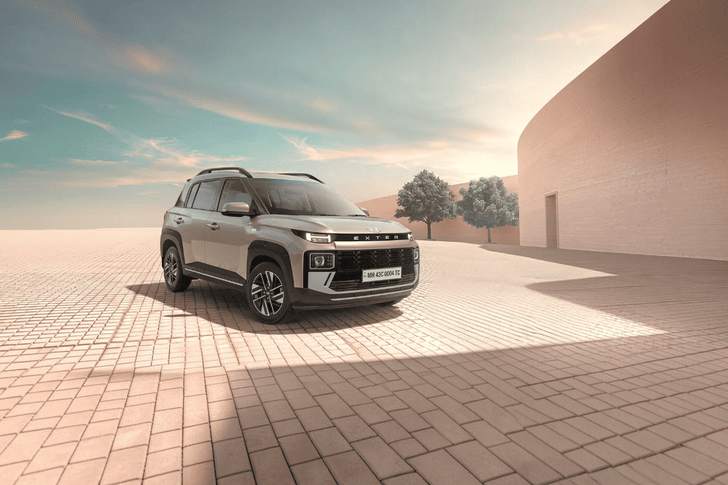
I am planning to buy an Exter H8. I am new to driving, and this would be my first car. Any reviews or suggestions?
The Hyundai Exter is a very sensible first car, especially for a new driver. This Hyundai car is compact and easy to manoeuvre, which makes city driving and parking far less intimidating. The H8 variant is well-equipped with essential features, so you are not missing out on anything important. Hyundai’s service network is extensive, and ownership costs are generally reasonable, which is reassuring for a first-time buyer.The Exter’s naturally aspirated petrol engine is smooth and predictable, making it easy to drive in traffic and forgiving for someone still building confidence behind the wheel. The ride quality is comfortable for a car of this size, and the cabin feels well put together. It also offers a decent amount of space for a small family, so it can comfortably serve as your primary car for several years.

Need expert advice?
Ask the Autocar community and experts.