I am planning to buy a sub-4m SUV and have shortlisted the Skoda Kylaq Signature Plus Automatic and Hyundai Venue HX5 Diesel Automatic. My annual running is expected to be around 16,000 to 18,000 km, including approximately 12,000 km of highway driving. From an economic point of view, I am slightly concerned about the Kylaq’s real-world petrol mileage, especially given the high amount of highway running. I am also concerned about the long-term implications of E20 petrol and whether it could lead to any issues in the future. On the other hand, I have concerns about buying a diesel due to the possibility of future government restrictions and the uncertainty around long-term diesel ownership. Considering these factors, I would appreciate your advice on which of the two would be the better choice for at least eight years of ownership.

 Hyundai VenueKia SeltosSkoda Kylaq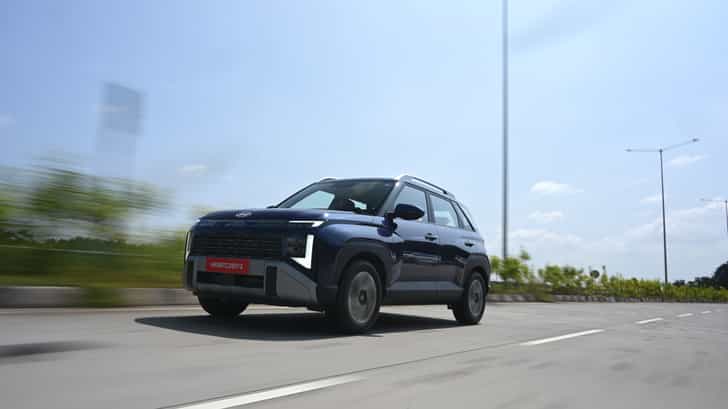
I'm considering buying the Hyundai i20 N Line N8 MT. I've driven other cars, including the new Venue DCT and XUV300 MT, but this will be my first car. Is the i20 N Line a good choice for me? My annual running will be low, and I'll mostly be driving on highways. Also, should I consider going for the DCT instead of the manual?
Hyundai i20Hyundai VenueI’m planning to buy a sub-compact SUV with a budget of around Rs 12 lakh. I prefer a manual transmission and am looking for a car that offers a smooth and comfortable driving experience in both the city and on highways. I also travel to hill areas about twice a year, so I’m unsure whether a turbocharged or naturally aspirated (NA) engine would be better suited to my requirements. The two cars I’m currently considering are the Maruti Suzuki Brezza with its 1.5-litre naturally aspirated engine and the Hyundai Venue with its 1.0-litre turbo-petrol engine. I’d like to understand which engine would be better suited to my usage, how the two compare in city traffic, highway driving and hill roads, and which would offer better long-term reliability and ease of maintenance. I’d also like to know the expected difference in real-world mileage between the two and, considering my overall requirements and budget, which of the two would be the better choice.
Maruti Suzuki BrezzaHyundai Venue EcoSport owner · 130,000 km
Hello, I own a Ford EcoSport 1.5 TDCi Titanium, and as per the new NCR norms, I will have to retire the car after it completes 10 years, which is next year. I am looking for the best replacement. I drive to Gurgaon on a weekly basis, along with regular city driving and occasional long trips to the hills. I am considering a petrol automatic as an upgrade from my current manual. Which car should I go for? I am looking for a car that offers a similar or better driving experience than my EcoSport, along with a slightly larger boot space.
Skoda Kylaq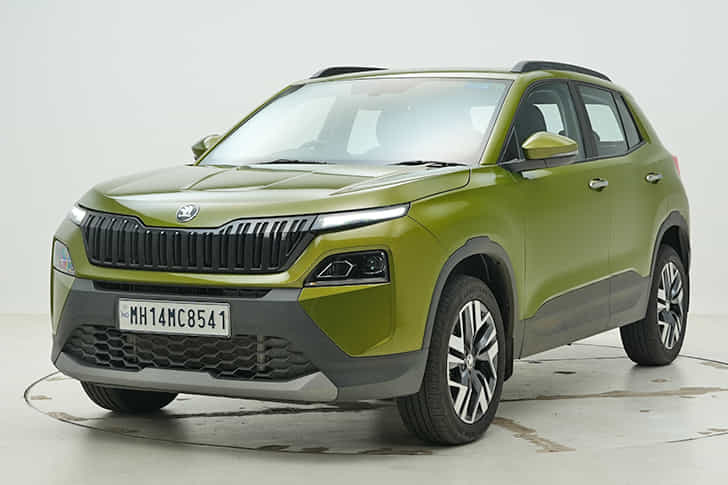
Hello Team, I currently own a 2013 Hyundai i20 Sportz CRDi and am planning to upgrade to a mid-size SUV. My budget is around Rs 20 lakh on-road in Kerala. My monthly running is approximately 700-800km, with occasional long drives, and I plan to keep the car for at least 10 years. I recently test drove the Duster 1.3-litre DCT automatic and was quite impressed with its driving dynamics and comfort. I really enjoyed the overall driving experience. Could you please share your insights on whether the Duster would be a good choice for long-term ownership, considering my usage and the fact that I plan to keep the car for 10 years? Also, are there any other alternatives in this budget that I should consider?
Renault DusterKia SeltosSkoda KushaqI am very confused between the Honda City V MT and Skoda Slavia Signature 1.0 MT. I have driven both and really liked the City's smooth engine. However, I feel the Slavia is better built. I also plan to travel to various places over the next five years, so I am inclined towards the Slavia because of its better build, driving feel and higher ground clearance. Please advise which one I should choose.
Skoda SlaviaHonda City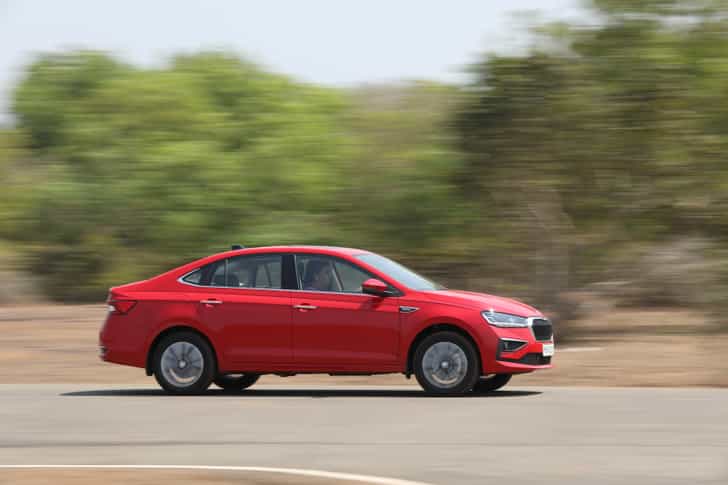
Hi, I am looking to purchase a petrol/AMT car with a budget of Rs 9-12 lakh. My requirements are primarily city usage with monthly long drives, good safety, a spacious rear seat and boot, a smooth ride and strong after-sales service support. Kindly suggest a suitable car.
Maruti Suzuki BrezzaMaruti Suzuki FronxThe parking space in my apartment is very small. I can park a car similar in size to a Wagon R, but anything larger will be tight. I am planning to buy a small car by 2028. My budget is up to Rs 13 lakh, and I want a car with cruise control. As far as I have seen, only Maruti makes small cars, but none of its current models appeals to me because they feel too basic and do not offer cruise control. I have heard that Maruti is planning to launch small cars such as the Suzuki Hustler and a new small EV similar to the eWX. Is it wise to wait for these models? Are they likely to be available by 2028?
Tata Nexon EVTata Punch EV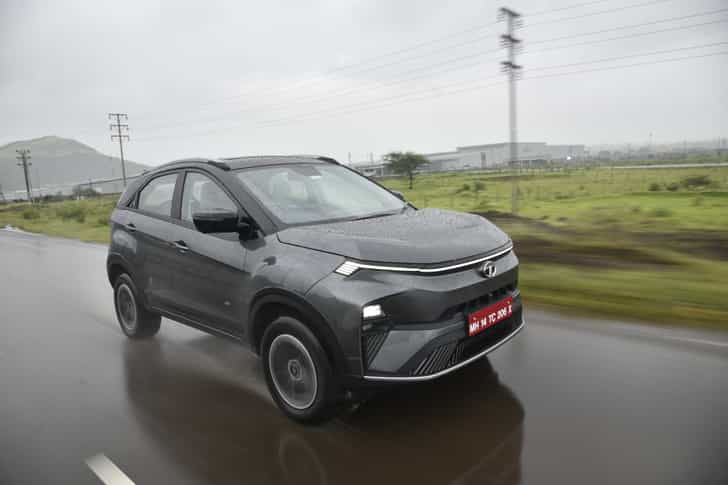
I am planning to buy a new crossover within a month and want to keep it for four to five years. My priorities are good resale value, decent highway acceleration and mileage. My budget is Rs 15-17.5 lakh, and I am considering only cars with a DCT, torque-converter, CVT or IVT automatic. I have shortlisted the Skoda Kushaq Signature, Hyundai Creta S(O), Kia Seltos HTK and Honda Elevate VX. I am also considering waiting for the new Elevate facelift in October. I was thinking of waiting for the Creta facelift as well, but it will take a few more months. I expect to drive 60% in the city, with occasional highway trips. I want a car that performs well on the highway, offers good overtaking ability and delivers decent mileage. I have driven Honda and Volkswagen sedans abroad. Which car would be the better fit for my needs?
Skoda KushaqHyundai CretaKia SeltosHonda ElevateI am planning to buy a sub-4-metre SUV and have shortlisted the Mahindra XUV 3XO and Hyundai Venue. My main requirement is good rear-seat space along with decent performance. Should I go for the diesel or petrol variant? I am concerned about the poor mileage of the turbo-petrol engines in both cars.
Mahindra XUV 3XOHyundai VenueHi experts, I’m asking the same question from a different perspective. Since most of my driving is in Bangalore traffic, with a 70:30 city-to-highway usage pattern, does it make more sense to settle for the 1.0-litre engine with the 8-speed AT in the VAG group, or should I take the risk and go for the 1.5-litre DSG? I’m honestly more concerned about the possibility of DSG failure, especially with regular use in heavy traffic.
Skoda KushaqVolkswagen Taigun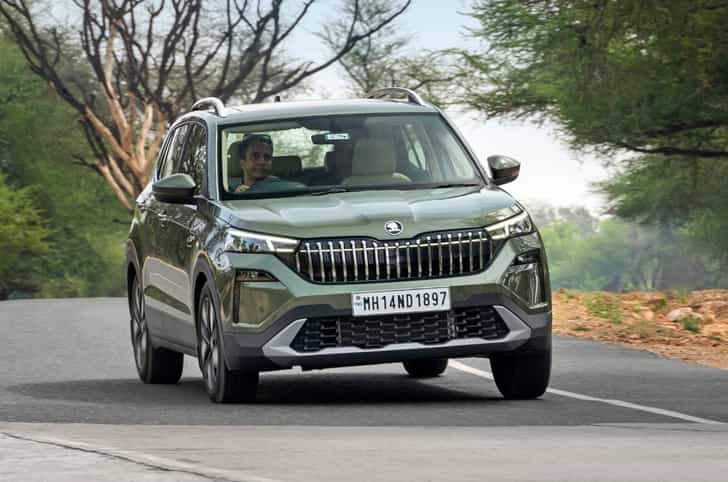
I own a 2015 Maruti Ciaz petrol MT, which I bought as a used car in 2019. As of today, it has clocked over 1,85,000km. Since most of my driving is in the city, parking can sometimes be difficult. I also undertake occasional long drives of around 1,000 - 2,000km round trip. I have not experienced any major issues with the car so far. The clutch assembly has been changed twice in the seven years of my ownership. Should I opt for a new car or continue maintaining and using my current Ciaz?
Hyundai i20Maruti Suzuki FronxDear Experts, I am planning to purchase a Mahindra XUV 7XO AX7 and would like to know whether Bharat (BH) Series registration is currently available in Tamil Nadu/Chennai. I am an employee of a leading PSU, hold an interstate-transferable post, and am eligible for BH Series registration under the applicable BH guidelines. I can provide the required Service/Eligibility Certificate, Employee ID, and other supporting documents. Kindly confirm whether BH Series registration is available in Chennai, Tamil Nadu.
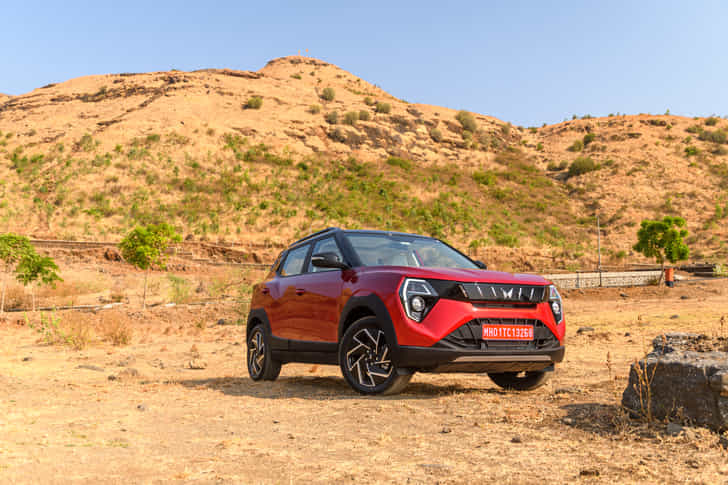
Hi team, I booked a Tata Punch Empowered+ EV in late June in Goa and was initially told that I might get it by September. However, the dealer now says that due to high demand, the delivery could be delayed until November - December. Since I made the booking, the Punch EV’s price is now quite close to that of the base Kia Syros EV. Concerns around after-sales service and the delivery delay are also making me a bit hesitant. I was therefore considering the Kia Syros EV HTK, the base variant. Is there any way to get a 360-degree camera fitted without voiding the warranty? Alternatively, can I install a dashcam that provides at least front and rear feeds on the car’s main screen, again without affecting the warranty? If this is feasible, I feel the Syros EV base variant could be a compelling option. Could you please suggest whether I should make the switch or stick with my existing Punch EV booking?
Tata Punch EVKia Syros EVI am new to driving and am looking for a sub-4-metre petrol SUV with a torque converter automatic gearbox. My budget is around Rs 12-13 lakh on-road. I have shortlisted two options: the Skoda Kylaq Signature automatic and the Mahindra XUV 3XO MX2 Pro automatic. We are a family of five. My current usage is mostly within the city, but based on my future work requirements, it could shift to an 80:20 mix of city and highway driving.
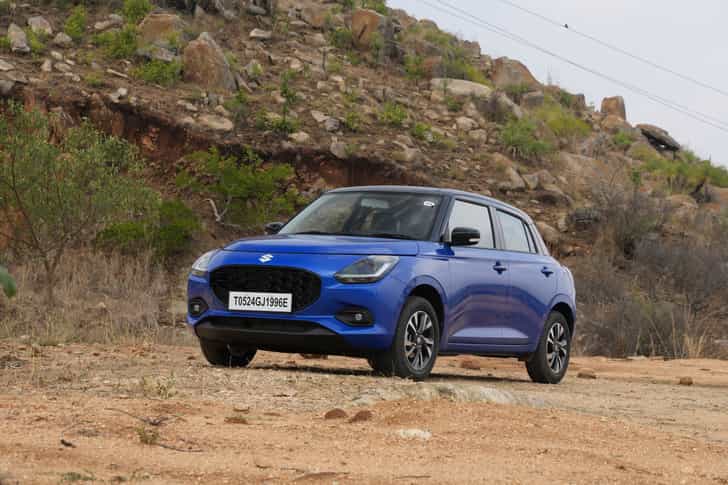
Skoda KylaqMahindra XUV 3XOThis will be my first car purchase in Hyderabad, and I’m new to driving. I’m planning to buy an AMT car with a budget of around Rs 10 lakh. About 75 percent of my usage will be within the city, with occasional trips to the outskirts within a 100- 150 km range. Please suggest the best cars I should consider. Also, if I buy a petrol car now, will I face any issues with E20 fuel and rising petrol prices?
Maruti Suzuki SwiftTata Punch