
Every helpful action can earn a badge.
I am considering buying the BMW M340i and have heard from a few sources, including a BMW service technician, that it may be prone to frequent tyre punctures or sidewall damage due to its low-profile run-flat tyres and minimal sidewall height. Could you please clarify whether this is a common issue in real-world Indian driving conditions, especially on highways and roads with occasional rough patches? Also, would switching to non-run-flat tyres or opting for a higher sidewall setup significantly reduce this problem?

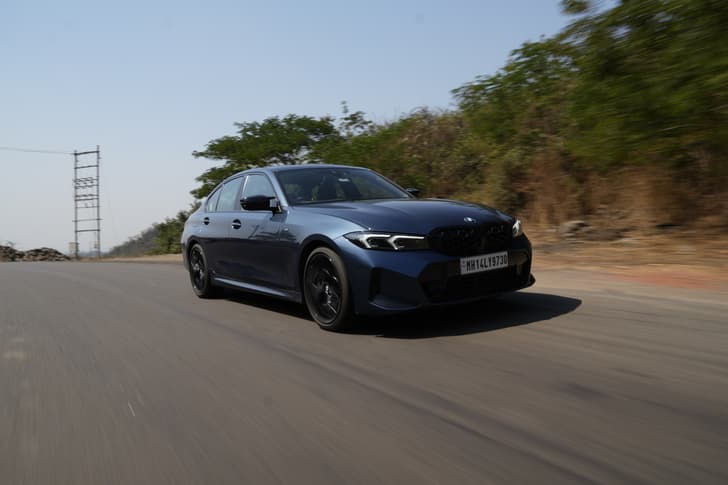
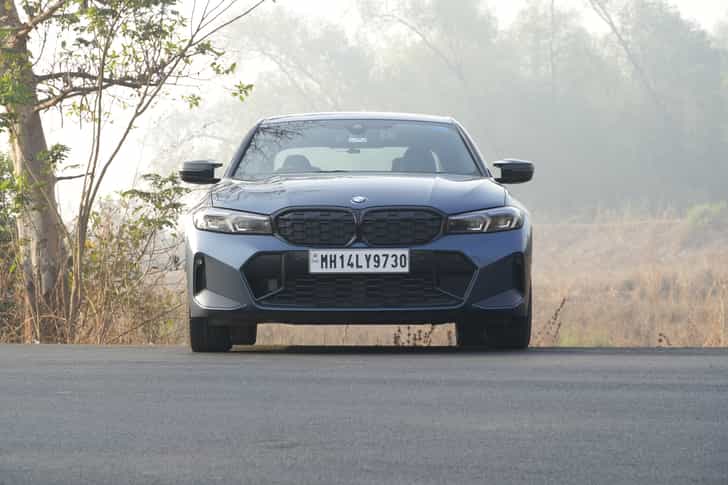
On the BMW M340i, what you’ve heard is largely true in Indian conditions. The car comes with low-profile run-flat tyres that have stiff, reinforced sidewalls. This helps you continue driving after a puncture, but it also means there is very little cushioning. On rough roads or sharp potholes, the impact is transferred more directly to the tyre and wheel, increasing the chances of sidewall damage or bulges. This is not a constant issue, but it is something owners do experience on broken roads or bad patches, especially at speed.BMW M340i
Switching to non-run-flat tyres does help. They offer more sidewall flex, which improves ride comfort and reduces the likelihood of damage. Moving to a slightly higher sidewall setup will help, too, but to maintain the overall diameter, you would need to switch to smaller wheels, which adds to the cost.
Since the M340i already comes with a space saver spare, switching away from run-flats is much easier and more practical, as you still have a backup in case of a puncture.
It is also worth noting that this is not unique to the M340i. Cars like the Mercedes AMG C43, which are sportier versions of the standard model with larger wheels and lower-profile tyres, face a similar risk on poor roads.
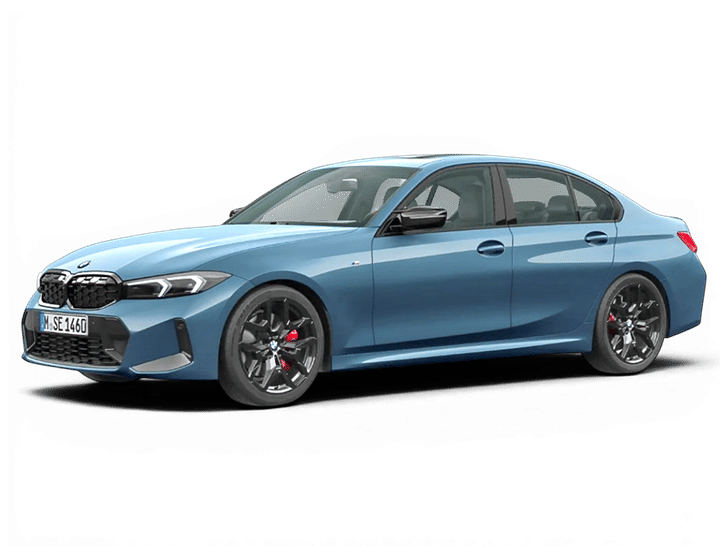
BMW 3 Series
Explore cars mentioned
More posts on similar cars

Has E20 fuel affected your mileage?

Expert reviews worth reading
Is ADAS worth paying extra for in a car?
Popular discussions right now
Upcoming launch buzz
Community discussions on upcoming launches
BMW
iX facelift

Audi
New Q5
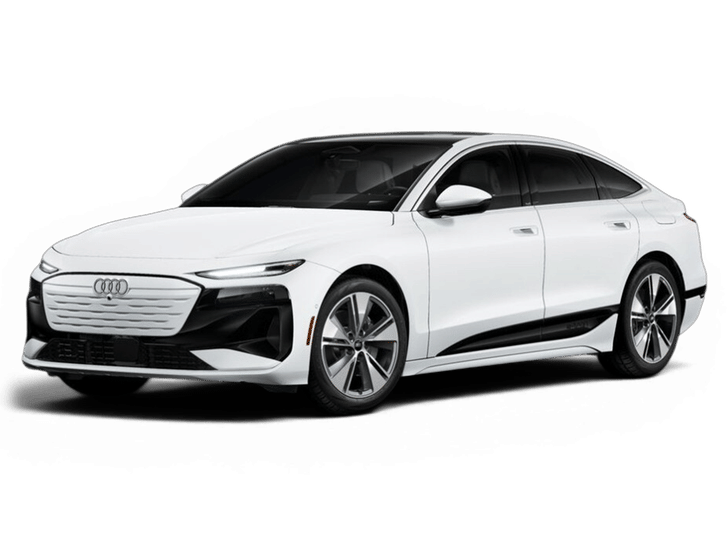
Audi
A6 e-tron

Audi
Q6 e-tron
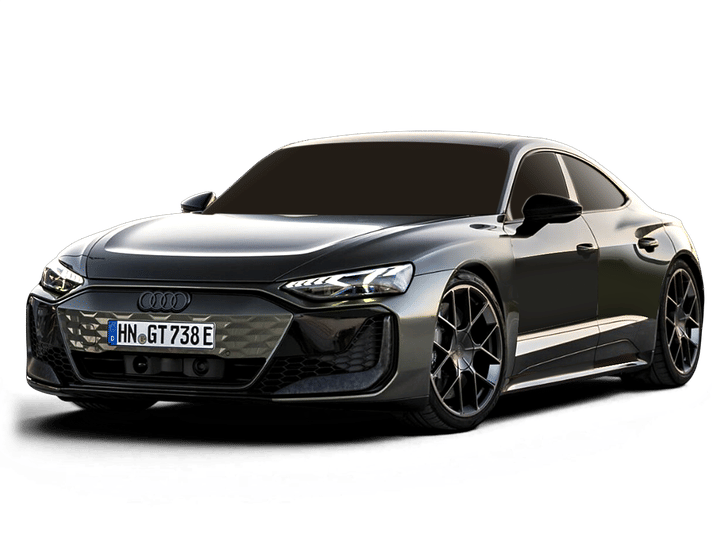
Audi
e-tron GT facelift
Volkswagen
Virtus facelift
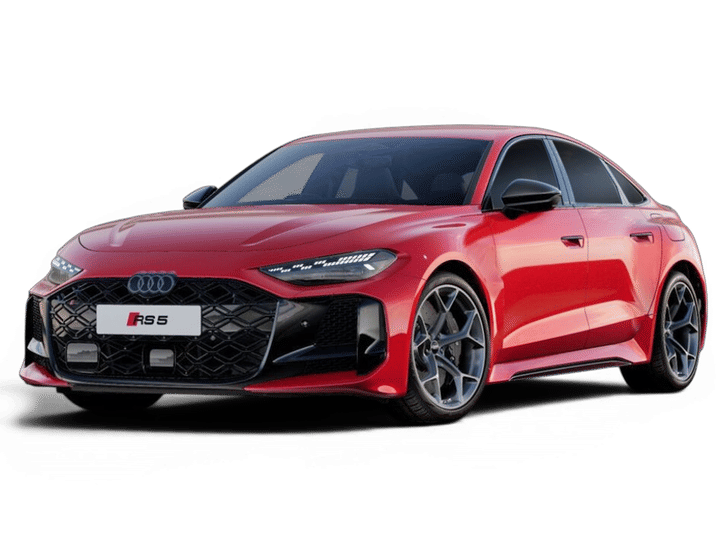
Audi
A5

Vinfast
VF5
Toyota
Glanza facelift

Audi
New Q3

Want to sell your car?
Sell your car at the right price, without the stress.



Posted on: 5 Apr 2026