


Latest questions answered by experts
Upgrading From Wagon R: Best New Car Under Rs 11 Lakh With Good Mileage

With a budget of Rs 11 lakh, a monthly running of 700-750 km split between city and highway, and a priority on refinement and ease of use, the Maruti Suzuki Baleno petrol automatic is the most sensible upgrade from your Wagon R. The Baleno offers a smooth and refined four cylinder petrol engine, a comfortable ride and a spacious cabin, making it easy to drive in the city while remaining stable and relaxed on the highway. It is also one of the most fuel-efficient petrol cars in its segment, which will help keep running costs in check. The automatic gearbox is reliable, making it particularly well-suited for your usage pattern. Maruti's wide service network and low maintenance costs further add to the ownership peace of mind. If you prefer a slightly higher seating position, the Maruti Suzuki Fronx petrol automatic is a good alternative, offering a similar experience with better visibility and a more SUV-like stance, though it will be slightly less fuel-efficient than the Baleno. Overall, the Baleno strikes the best balance between refinement, efficiency and ease of ownership for your requirements.
 Maruti Suzuki BalenoMaruti Suzuki Wagon RMaruti Suzuki Fronx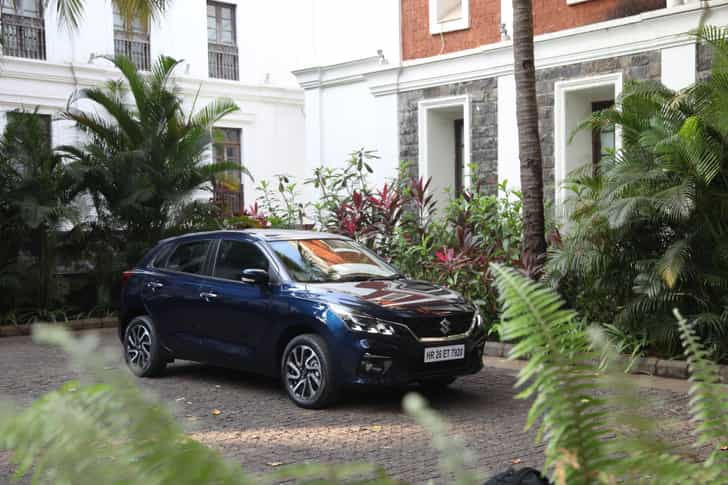
Best Auto Gear Cars Under 12 Lakh for a Family of 2
With your low daily running and a budget of Rs 12 lakh on-road, the Maruti Suzuki Baleno automatic is the most sensible recommendation. Your usage pattern does not justify a diesel and the Baleno’s petrol engine paired with the AMT is simple and reliable. It is also a very easy car to drive in the city, offers good fuel efficiency, and Maruti’s service network is a big advantage for long-term ownership. The Baleno also offers a comfortable ride, a spacious cabin for a family of two and enough boot space for occasional trips. If you prefer a slightly higher seating position, the Maruti Suzuki Fronx automatic is worth considering as well. It uses the same engine and gearbox combination but offers a more SUV-like stance and better ground clearance for rough roads. Both cars are well within your budget and prioritise reliability and low running costs, which should help avoid the kind of ownership issues you faced with the TUV300.
Maruti Suzuki BalenoMaruti Suzuki FronxChoosing Between Renault Duster, Kia Seltos, and Hyundai Creta for Comfortable Ride Quality
Go for the Renault Duster 1.3 DCT. You have already identified the key point: you will enjoy driving the Duster, and that matters a lot when you are planning to do more long trips. The Duster also has an exceptionally comfortable ride, and the 1.3 turbo petrol paired with the DCT is a strong, enjoyable combination on highways. It is also a proven package, so reliability is not a major concern.The Seltos and Creta are both excellent cars, and from a purely practical standpoint, they are very strong options. The Seltos feels slightly more premium inside, while the Creta prioritises comfort and refinement. However, neither car offers the same level of driving engagement or ride comfort as the Duster.The only real drawback with the Duster is that the rear seat is not the most spacious in the segment, but for a family of 3-4 with average builds, it is perfectly adequate. Overall, the Duster strikes the best balance between comfort, driving enjoyment and long-term ownership satisfaction.
Renault DusterKia SeltosHyundai CretaHello, I’m at a crossroads about whether to go with the Bear 650, Tuono 457, or…
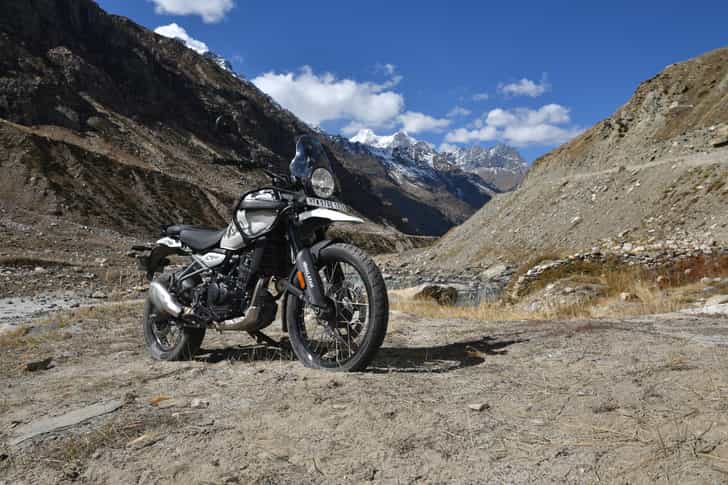
Since you have listed long-distance capability and off-road fun as some of your priorities, that in itself rules out the sporty Aprilia Tuono 457 and the heavy Royal Enfield Bear 650 (at least to some extent). The 349cc/398cc KTM Adventure models are a better fit for your brief, and we'd wholeheartedly recommend spending the extra cash and going for whichever 398cc variant you like because the 349cc version just feels a little too boring to ride and has quite a bit of vibration too. Honestly, we'd recommend you also consider the Royal Enfield Himalayan 450 because, while the Himalayan isn't the best at any particular aspect, the way it comes together as a package is quite commendable, and if you don't mind its extra weight, it can make for a wonderful companion. Take test rides of both the Himalayan and 390 Adventure before you make up your mind.
Hi, I am currently driving a Maruti Dzire VXi and am looking to upgrade. After r…
Go for the Mahindra XUV 7XO AX7 petrol. Your usage pattern involves low running with a 60:40 city-highway mix, and you enjoy mountain drives with your family and dog. The XUV 7XO is the better fit here. This Mahindra car offers a more spacious cabin, a larger boot and a more comfortable ride, which will make long drives and mountain trips more enjoyable. It also has a more powerful engine, which will be an advantage on hilly roads. It will feel more substantial than the Seltos, although this does come with a few drawbacks.The Seltos' smaller footprint makes it a bit easier to drive in the city, and it is also more fuel-efficient. However, the DCT can feel a little hesitant at low speeds, and highway performance won't feel as effortless as it does in the XUV 7XO. Overall, the XUV 7XO is the better fit for your use case.
Mahindra XUV 7XOKia SeltosI have a pre-owned 2020 Kia Seltos GTX+ AT 1.4 Turbo as my 2nd car. One issue I…
Yes, what you are experiencing is a known characteristic of the 1.4 turbo petrol DCT combination in the Seltos. Being a turbo-petrol engine, you need to rev the engine a bit for the turbos to spool, and that combined with a DCT that's tuned for efficiency rather than aggressive low-speed response, can make it feel a bit laggy at low revs. In stop-start traffic on inclines, the gearbox could feel slow to engage and hesitant. This is not a sign of a faulty gearbox, but rather a limitation of the DCT calibration in this application.The best way to manage this is to use the manual mode on the gearbox when you are in slow-moving traffic on an incline. By holding the car in a lower gear, you can keep the engine in its torque band and avoid the hesitation you are experiencing. You can also use the hill hold function and the brakes to control the car rather than relying on the throttle alone.If this is a major concern for you, the only real solution is to switch to a car with a torque converter or CVT gearbox, which are much smoother at low speeds. But if you are otherwise happy with the car, this is something you can manage with driving technique.
Kia SeltosShould I Choose an Electric Car or Virtus GT Sedan Under 30 Lakh in Karnataka?
Given your requirements, the Volkswagen Virtus GT is the most sensible choice. You already enjoy your Polo GT TSI, and the Virtus GT builds on that formula with a more powerful 1.5 TSI engine, a larger and more comfortable cabin, and a genuinely enjoyable driving experience. It is one of the best driver's cars in the segment, and it is also well suited to long expressway runs.The back seat is a significant step up from the Polo, with good legroom and a comfortable seating position for your parents. The ride is on the firmer side, but it is well controlled at highway speeds, and the car feels stable and confidence-inspiring on long journeys.On the EV question, a 300km round trip once or twice a week is right on the edge of what most mainstream EVs can comfortably manage without charging stops in the real world. While cars like the Tata Harrier EV and XEV 9S can technically do it, you would be running the battery down to low levels, and charging infrastructure is still not consistent enough to make this a stress-free experience. The Virtus GT, on the other hand, is completely hassle-free on long highway runs.Overall, the Virtus GT strikes the best balance between driving enjoyment, rear seat comfort and long-distance usability. It is the car you are most likely to still enjoy owning after five years. If you can wait a few months, however, Volkswagen is launching a facelifted version that should get a few more features.
Volkswagen VirtusTata Harrier EVMahindra XEV 9SBest 7-Seater Car Options: Ertiga, XL6, or Kia Carens Under 16 Lakh?
Go for the Maruti Suzuki Ertiga. It is the most sensible and reliable choice for your requirement. The Ertiga is a proven 7-seater with a comfortable third row, low running costs and Maruti's strong service network, which is important coming from a Hyundai Eon.The Maruti XL6 is essentially the same car with a more premium interior and captain seats in the middle row, but that reduces seating capacity to six, which does not suit your need for seven people.The Kia Carens Clavis is a good alternative with a more premium feel, but is positioned slightly higher, and on your budget of Rs 16 lakh, you will only get a low-spec model with fewer features. Between turbo and naturally aspirated petrol engines, the naturally aspirated engine is generally more fuel-efficient in real-world conditions, especially with a manual transmission.The Maruti Ertiga also fits comfortably within your Rs 16 lakh budget, letting you get the fully-loaded variant with more features. Overall, the Ertiga is the most practical and hassle-free 7-seater for family use.
Maruti Suzuki ErtigaMaruti Suzuki XL6Kia Carens ClavisMy current vehicle is a 2018 Swift VXi hatchback. I drive around 22km daily, abo…
Go for the Maruti Suzuki Brezza ZXi. With your daily running of around 22km and a monthly long drive, a petrol compact SUV is the right choice, and the Brezza is the most sensible upgrade from your Swift. It offers a comfortable ride, good ground clearance for bad roads, a reliable and efficient petrol engine, and Maruti’s strong service network, which keeps ownership simple and affordable.This Maruti Suzuki car also now gets the Boosterjet engine, though it is only paired with the manual. The ZXi variant is well equipped and fits your budget comfortably.The Hyundai Venue is a good alternative with a more premium cabin feel, but the Brezza is the more practical and dependable long-term choice. The Tata Nexon is also a strong contender, but Maruti’s ownership experience edges it out for your usage.
Maruti Suzuki BrezzaHyundai VenueTata Nexon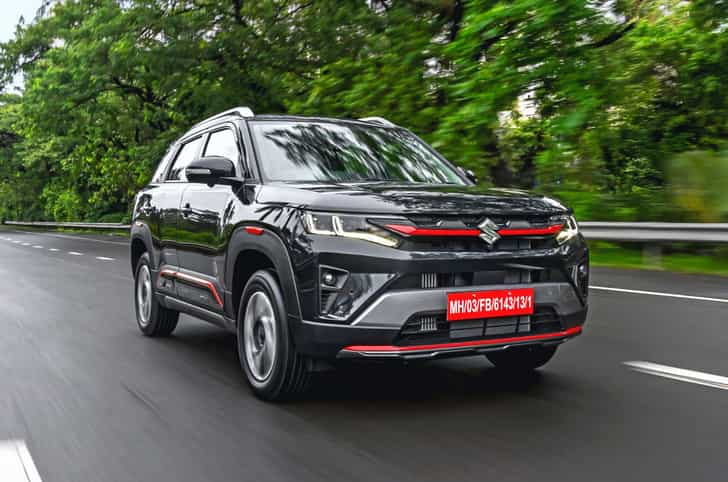
I currently drive a Suzuki Dzire diesel, and it gives good mileage. My daily dri…
With your current Dzire diesel returning good mileage and a monthly running of 2,000-2,500 km, a diesel SUV like the Mahindra XUV 7XO is a sensible upgrade. The 7XO diesel is a strong highway performer with a comfortable ride and a spacious cabin, making it well suited to your high-mileage usage.In terms of fuel efficiency, you can realistically expect around 14-15kpl on the highway and 10-11kpl in the city, depending on driving style and traffic conditions. This is a significant step up in fuel consumption compared to your Dzire, but it is offset by the added space, comfort and performance.Overall, the 7XO diesel is a good deal for your usage pattern, provided you are comfortable with the higher fuel costs that come with a larger, more powerful SUV.
Mahindra XUV 7XOWhich car is better for city and highway driving: the Tata Sierra or the Mahindr…
The Tata Sierra and Mahindra Thar Roxx are fundamentally different cars aimed at very different buyers. The Sierra is a family-friendly SUV with a focus on comfort, space and refinement, while the Thar Roxx is a lifestyle off-roader with a rugged, go-anywhere character.For a mix of city and highway driving, the Sierra is the better choice. It offers a far more comfortable ride, a spacious and practical cabin, better refinement and a more relaxed driving experience.The Thar Roxx is great fun off-road and has a strong personality, but it is compromised as a daily driver with a bouncy ride, limited rear seat comfort and a less-refined overall package. The Sierra is the car you will be happier living with every day, while the Thar Roxx is the car you buy for adventure.If your usage is city and highway, go for the Tata car. If your usage is off-road trails and weekend escapes, go for the Mahindra car.
Tata SierraMahindra Thar RoxxI own a 2017 Ciaz Alpha Automatic and want to upgrade to either an electric or a…
For your usage, a hybrid car makes more sense. With 40-50 km daily of city driving in Noida and no major traffic, an electric car would not deliver a meaningful cost advantage over a hybrid, and you would be taking on charging infrastructure and range planning for no real benefit. The Maruti Suzuki Victoris Hybrid is the best fit for your requirements. It is a full hybrid, so it offers excellent fuel efficiency in city driving and is also comfortable to be chauffeur-driven. The rear seat is spacious, the ride is comfortable, and the car is easy to live with. Headroom is a bit tight if you are on the taller side. Avoid the sunroof if that is the case for you.The Toyota Urban Cruiser Hyryder Hybrid is mechanically identical, but the Victoris gets a more premium interior and a better feature set at a similar price.If you can charge at home and still want to go electric, the Tata Sierra EV is the best option for your needs, but given your usage, the hybrid is the more sensible choice.
Maruti Suzuki VictorisToyota Urban Cruiser HyryderTata Sierra EV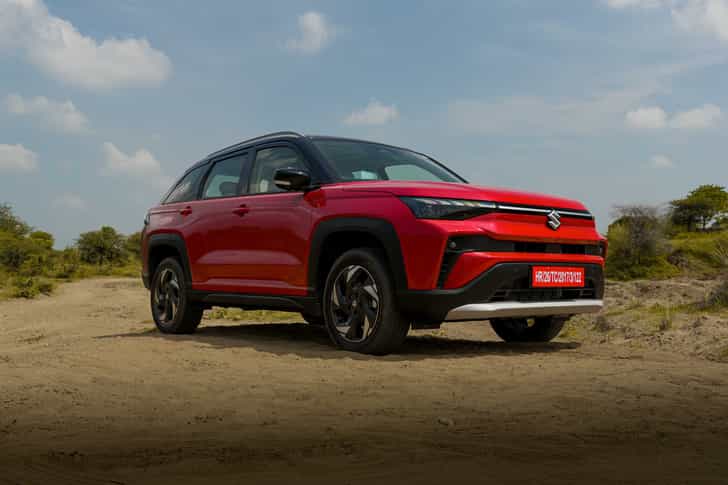
Need a suggestion for an EV purchase. My driving is 95% city use. I stay in a re…
Consider the Syros EV 42kWh. With a 95% city driving pattern and a budget of Rs 15 lakh, it is the most sensible choice. It is compact, easy to manoeuvre in traffic and parking, and offers better ride quality than the ICE version. Kia Syros EV also has a large boot and a decent feature set for the price. Your budget only allows for the smaller 42kWh battery; however, it should offer more than enough range for your usage. Since you have charging facilities at your apartment, you will be able to take full advantage of the low running costs and convenience of overnight charging.The Tata Nexon EV is also a good choice in this segment, but the 45kWh variant will likely exceed your budget. Overall, the Kia electric car mentioned above is a better fit for your usage and budget.
Kia Syros EVTata Nexon EVShould I Buy Petrol or Diesel 7XO: Choosing Between MT and AT for My Needs?
Go for the Mahindra XUV 7XO petrol automatic. Your usage is predominantly city commuting with heavy bumper-to-bumper traffic, and your monthly running is only around 300 km. In this scenario, a diesel simply does not make sense. Modern diesels make sense for long highway runs, and with your low running, the higher upfront cost and potential long-term maintenance costs aren't justified. The petrol engine is smooth, refined and well-suited to city driving, and the automatic gearbox will make your daily commute far less tiring. This Mahindra car is also a strong highway performer, so those occasional long trips will be handled with ease. The only downside is slightly higher fuel consumption compared to a diesel, but at your usage, that is not a major concern. The manual is worth considering only if you are very price-sensitive, but given your usage pattern, the automatic is the smarter choice for long-term comfort and convenience.
Mahindra XUV 7XOIs the Mahindra XEV 9S Worth the Price for an Upgrade from Tata Nexon EV Max?
The Mahindra XEV 9S is a genuinely impressive product, but yes, at over Rs 30 lakh, it is a significant outlay, and the question is less about whether the car is worth the money and more about whether it is the right fit for you. The XEV 9S offers strong performance, a well-appointed cabin, and a premium feel, but if you would still like to avoid a Mahindra, opt for the Kia Carens Clavis EV. It does not offer you that SUV stance, but its MPV configuration means a flexible interior and a genuinely usable third row too. It's also well appointed inside with a premium look and feel around the cabin, with all the essential and some nice-to-have features too.
Mahindra XEV 9SKia Carens Clavis EV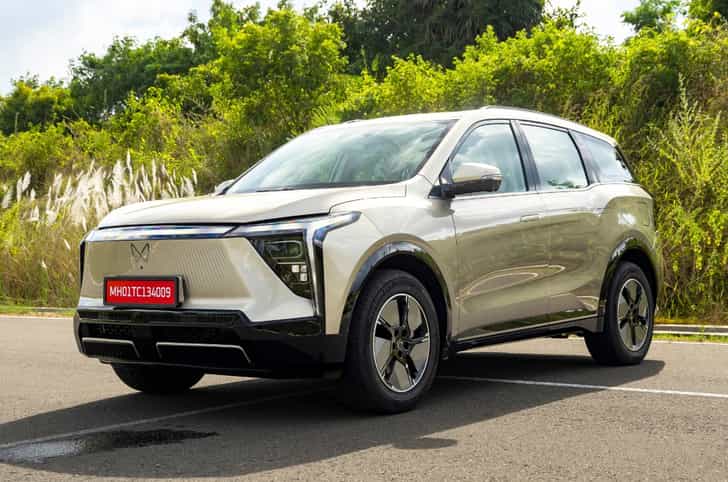
Looking for CNG Options Like Altroz with Boot Space and Comfort Under 11 Lakh
With 5,000 km a month and 70% highway, CNG is not the best choice. CNG is great for city running, but on highways it is not as efficient as diesel and you will be stopping frequently for refills. However, if a diesel is not in consideration, then the Altroz CNG is a well-rounded package.Other options include the Maruti Suzuki Brezza, which is bigger and an SUV, but under Rs 11 lakh, you can only get the VXI trim that isn't as well equipped. The Altroz in its Accomplished S guise is closer to your budget and has a much richer cabin. It also has a comfy ride and is stable at highway speeds. If you don't have much use of a big boot the Tata Altroz CNG is a good option to consider.
Tata AltrozMaruti Suzuki BrezzaKIA Seltos or Mahindra 7XO: Which Offers Better Boot Space and Mileage?
In our real-world standard test cycles, we achieved an efficiency of 12.26 kpl for the 1.5 AT Kia Seltos and 13.10 kpl for the diesel AT Mahindra 7XO. So, going purely by numbers, the Mahindra would be better; it would also provide more boot space with the third row folded. However, an important point to note is to opt for the diesel Mahindra only if your driving includes a long drive at least once every 8 to 10 days, as this is important to prevent the diesel particulate filter from clogging up. A drive of about 20 minutes at speeds above 50 to 60kph is what is required to heat the filter enough to burn away soot. If, however, your driving is entirely within the city, you would be better off with the petrol Seltos.
Kia SeltosMahindra XUV 7XOBest Automatic Car Options for Lady Drivers: Kylak, Mahindra 3XO, or Breeza
For a predominantly city car, the Maruti Suzuki Brezza automatic is the best recommendation. The Brezza’s naturally aspirated petrol engine paired with a torque converter automatic is smooth, predictable and easy to drive in stop-and-go traffic, which is exactly what you want in a city car. This Maruti Suzuki car also has a comfortable ride, good visibility and Maruti’s unmatched service reach, making long-term ownership hassle-free. Fuel efficiency from the naturally aspirated engine will also be better than the turbo petrol rivals in the city. The Skoda Kylaq automatic is the driver’s choice with a more engaging turbo petrol engine, but the Brezza’s simplicity and ease of use make it the better city car. The Mahindra XUV 3XO is feature-rich, but the Brezza’s ease of use and lower running costs give it the edge for a city-focused car.
Maruti Suzuki BrezzaSkoda KylaqMahindra XUV 3XO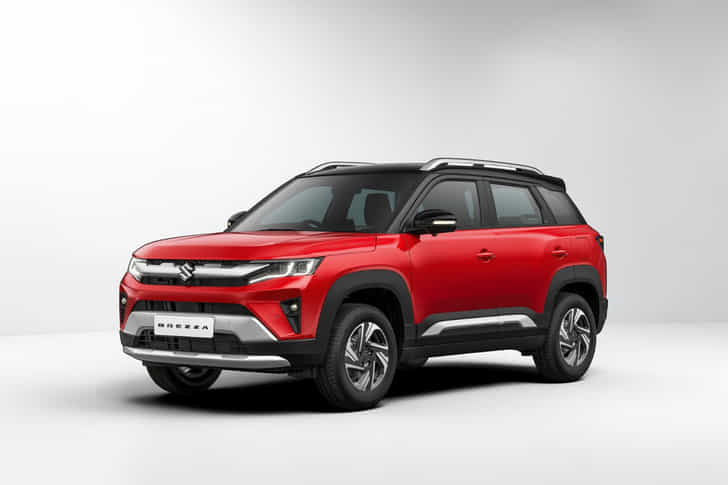
Should I Buy a New EV or a Used EV for My 20L Budget in Bengaluru?
Our recommendation would be the new Kia Syros EV. With a 100km/week commute, home charging and a Rs 20 lakh budget, it is the best EV for a city like Bengaluru. In your budget, you can get the HTX Plus trim with the ER (Extended Range) battery that is larger at 51.4kWh with a claimed range of over 500km. Moreover, it is compact on the outside, which makes it very easy to manoeuvre in traffic, but has a surprisingly spacious interior. Big on practicality and a good feature list make its case stronger. A used electric car only makes sense if the battery health is good and range isn't affected. Other issues like tyre and suspension wear are crucial, so buying one brand new is always a better bet.
Kia Syros EV
Need expert advice?
Ask the Autocar community and experts.