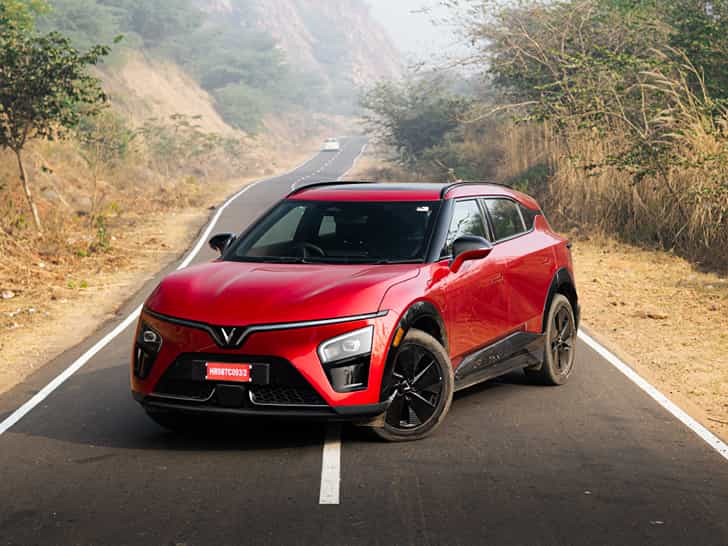
Hi, I’m planning to buy new car as my second car for my parents in Kanpur, India specifically as I don’t reside there anymore. I had before Volkswagen Ameo Diesel. Kindly suggest an SUV only within a budget of maximum Rs. 15 lakhs (on-road price).

 Mahindra XUV 3XOMaruti Suzuki Brezza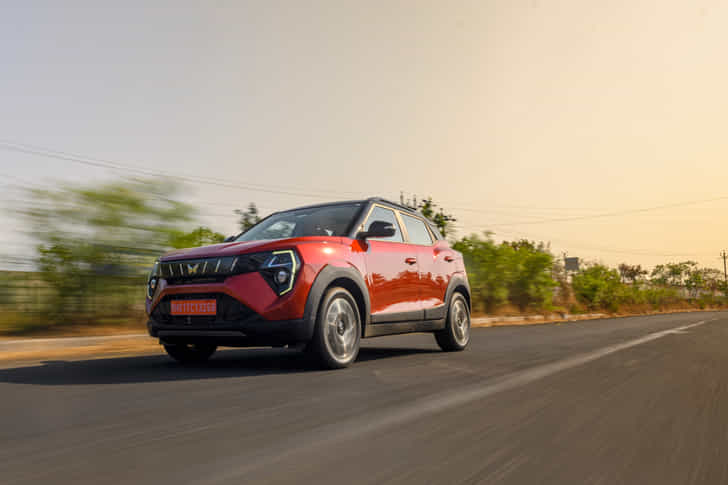
Hello, this is Dilip. I’m planning to buy my first car for myself and my parents. I’m 30 years old and am looking for a car under Rs. 20 lakh, preferably with a manual transmission, that offers excellent long-term reliability, low maintenance and ownership costs as well as good safety and build quality. I need a car comfortable for my parents and family with a good driving experience in both city traffic and highways. It should offer good mileage and overall practicality. Suggest me a car that I can confidently keep for 8-10 years. Please suggest the best options based on these requirements and explain both pros and cons of each car.
Honda ElevateKia SeltosMaruti Suzuki VictorisWhich automatic SUV car is best for new driver who does not have much confidence? Is CVT transmission will be good in such case and does it come with a light steering. I am planning to buy Honda elevate CVT but it is bit lengthier. Is the steering of Honda elevate light enough for traffic?
Honda ElevateMaruti Suzuki BrezzaUpcoming launch buzz
Community discussions on upcoming launches
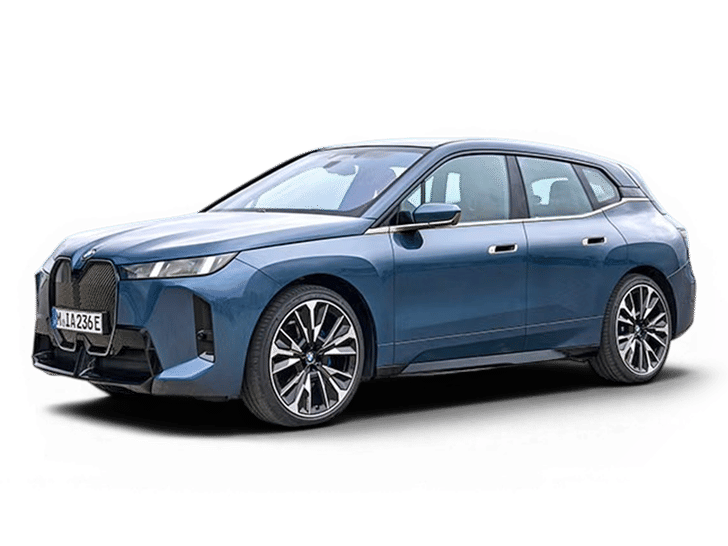
BMW
iX facelift
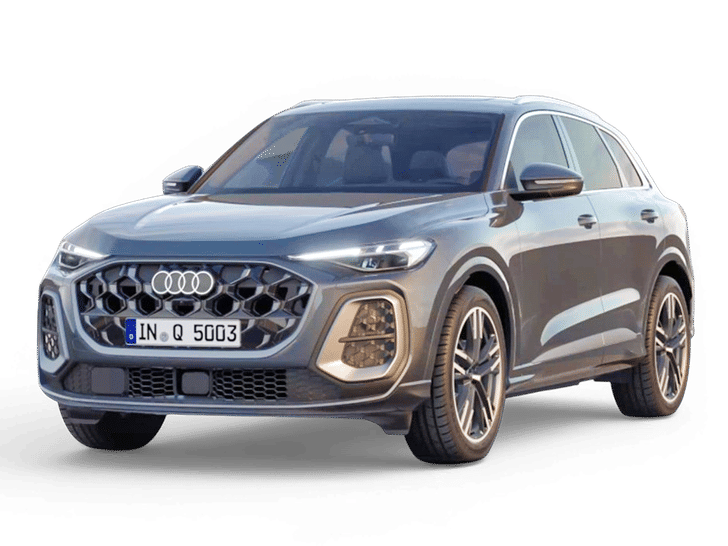
Audi
New Q5
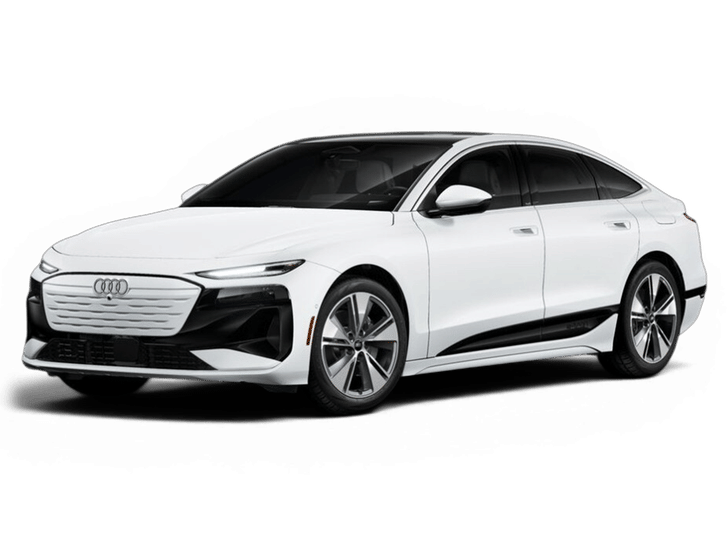
Audi
A6 e-tron
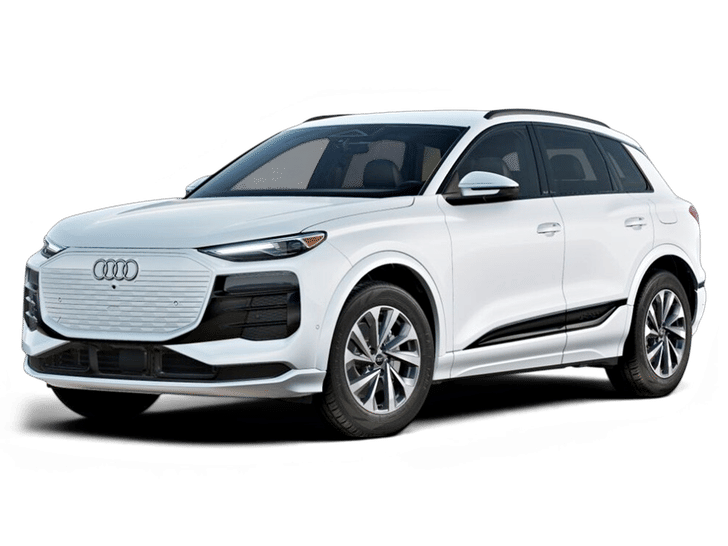
Audi
Q6 e-tron
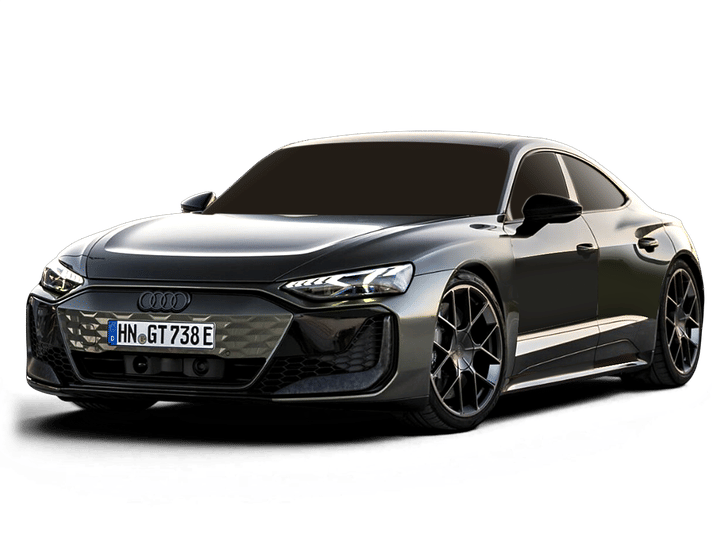
Audi
e-tron GT facelift
Volkswagen
Virtus facelift
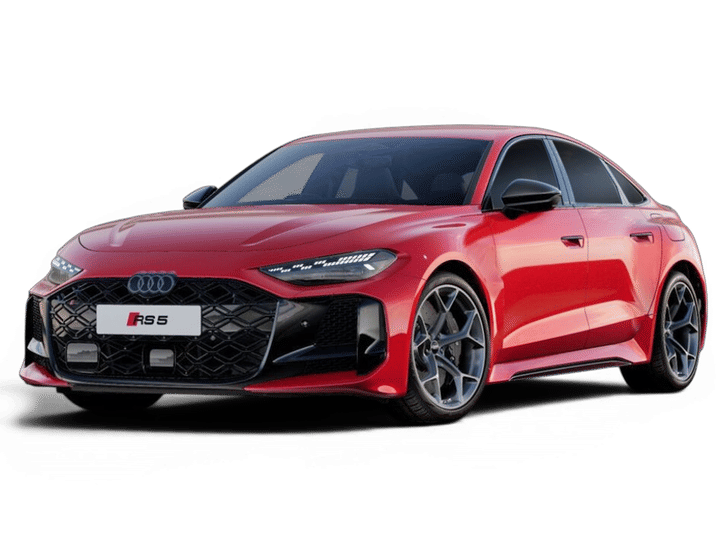
Audi
A5

Vinfast
VF5
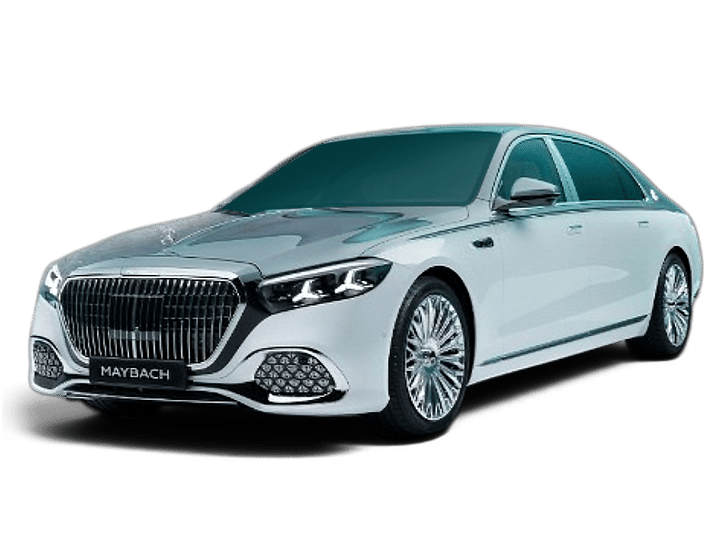
Mercedes-Benz Maybach
S-Class facelift
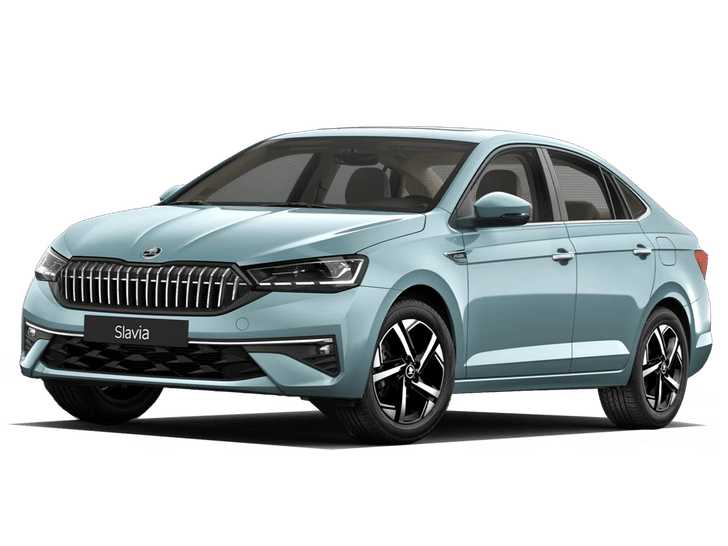
Skoda
Slavia facelift
I am planning to buy a new car under a budget of around Rs. 11.5-12.5 lakh (on-road). It will be mostly used for city driving, with a few highway trips. My main requirements are automatic transmission. good safety rating, good quality interior, low maintenance costs, good driving performance and offers fun-to-drive experience. Please suggest 4-5 good cars in this price range that would suit my requirements.
Mahindra XUV 3XOSkoda KylaqMaruti Suzuki BrezzaTata NexonI am planning to buy a new car under a budget of Rs. 22-23 lakh. I drive a 12-year old Chevrolet Sail diesel now. I really enjoy driving this car, particularly its MultiJet engine with a good mid-range torque. I value driving dynamics and pleasure of driving more than fuel efficiency and features. I prefer sedan over an SUV. My dad owns a 2022 Skoda Slavia 1.0 MT. I really like that car but in city driving, I've felt noticeable turbo lag at low speeds. Other than that, Slavia is a very good car. So I have shortlisted 2026 Slavia 1.5 TSI DSG. But only thing that I worry about is the reliability of a DSG with its dry clutch system, because I tend to keep the car for at least next 7-8 years. Also, I have doubts about its city driving manners. But I live in a tier-2 city and encounter stop and go traffic rarely. I hit the highways often though. So, will the Slavia 1.5 satisfy my needs coming from a good torquey diesel engine? Another SUV that I am interested is the Duster/Tekton, because I have heard that they are the closest to the German twins in driving pleasure and dynamics. Can I go with the Slavia 1.5 DSG or should I go with Duster/Tekton 1.3 DCT?
Skoda SlaviaRenault DusterNissan Tekton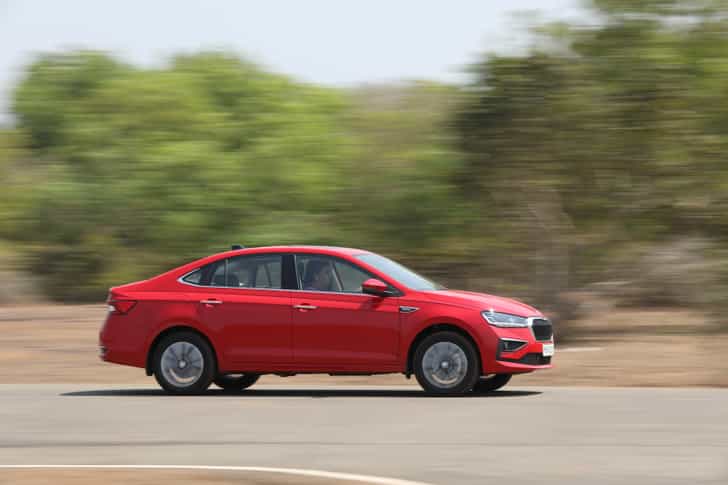
I am planning to buy the Kia Seltos but am confused between the 1.5-litre naturally aspirated petrol and the turbo-petrol DCT. Around 80% of my driving will be in the city, with the remaining 20% being highway and hill-station trips. I will normally be travelling with five passengers. Which engine and gearbox would be better for my usage?
Kia Seltos
I’m considering buying a pre-owned 2021 Land Rover Range Rover Evoque SE R-Dynamic with the 2.0-litre Ingenium petrol engine and AWD. It has covered only 15,000km, was manufactured and registered in 2021, and is a BS6 vehicle. The fuel flap says “Premium Gasoline Recommended, 91”. I want to confirm whether this generation and engine are compatible with E20 petrol. Also, should I buy it? I’m looking to enter the premium SUV segment with a budget of around Rs 40 lakh.
Kia SeltosHyundai CretaSkoda KushaqI bought a used 2017 Volkswagen Polo 1.2 MPI Highline Cup Edition from Spinny and really enjoy driving it. However, the engine feels underpowered while overtaking and on uphill stretches. I know the 1.2 MPI does not respond dramatically to tuning, but I have seen several videos on tuning MPI engines, and none clearly explain the exact power and torque gains. There are also mixed opinions online about different tuners. I am looking for a decent 10hp increase with minimal changes to the engine and definitely do not want pops and bangs. Could you suggest a good tuner in Bengaluru for the 1.2 MPI for this requirement? Also, is it always recommended to get a Volkswagen serviced at an authorised service centre, or are independent workshops a better option? Could you suggest some good service centres in Bengaluru for a Volkswagen Polo?
Every new car review emphasises the ADAS suite, justifying the hefty price tag of top-tier variants by highlighting how these features revolutionise safety. However, real-world driving conditions, especially on chaotic, high-density Indian city roads, often tell a different story. In bumper-to-bumper city traffic, features like Blind Spot Monitoring can become a constant audio-visual nuisance, leading to driver desensitisation. Even on highways, using Adaptive Cruise Control or Lane Keep Assist requires a massive leap of faith, while Autonomous Emergency Braking (AEB) risks triggering a rear-end collision if it misinterprets a tight gap and brakes abruptly. Given this friction between global tech and local infrastructure, I want to explore two perspectives: 1. The Consumer Choice Argument: Should carmakers force ADAS into expensive top-spec bundles, or should they offer these safety suites as a modular, standalone option so buyers don't pay for tech they immediately turn off? 2. The Systematic Evolution Argument: Is forcing this technology onto the market the right catalyst to eventually push Indian drivers, road infrastructure, and government regulations to mature into a safer, more standardised ecosystem?
I am planning to buy a VinFast VF7 with the 70.8kWh battery pack. However, after going through various online videos of users reporting serious issues such as paint chipping, suspension leaks, dashboard cracks and inefficient service support, I am having second thoughts. The trouble is that options such as the Mahindra BE 6 and XEV 9e also have user-reported issues, particularly around software. Is buying an EV in the Rs 25-30 lakh price range risky? If not, which would you choose between the VF7, BE 6 and XEV 9e? There will be three rear passengers.
Vinfast VF7Mahindra BE 6 SporteqMahindra XEV 9e