Latest questions answered by experts
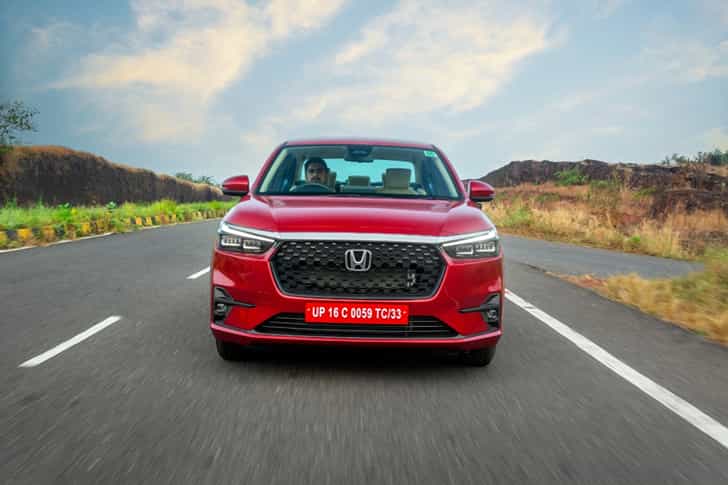
I am looking for a petrol automatic car under Rs 12 lakh with good features. My first choice is the Honda Amaze, but I am concerned about its ground clearance and engine performance. Around 70% of my driving will be in the city. Would the Amaze be a good choice?
With 70% city driving, the Honda Amaze is actually a very sensible choice. The CVT automatic is smooth and easy to drive in traffic. The engine is reliable, and the car’s compact dimensions make it easy to manoeuvre and park.The only real drawback is that the engine is not particularly torquey, so it can feel a bit flat on highways or when fully loaded. However, for predominantly city use, that is not a major concern. The ground clearance at 172 mm is adequate for most urban conditions, but a fully loaded car can cause the rear suspension to compress significantly, requiring caution over large speed breakers. If you like the Honda Amaze petrol automatic for what it offers, go for it.

I am planning to buy a car this year around Diwali or year-end 2026. I am looking for a spacious, comfortable and a safe 5-seater for my family. My budget is Rs. 8-15 lakh (on-road) under Rs. 12 lakh. Although, I am open to spending less if the car offers excellent mileage, safety, space and reliability. My expected running is 7,000-8,000 km per month primarily for daily commutes mixed with GT roads and city driving. I intend to keep the car for at least 10-12 years, so fuel efficiency, low maintenance, long-term reliability, comfortable seating and good after-sales service are my priorities. I don't need fancy features that I will rarely use; essential safety and convenience features are sufficient. Considering my high monthly running, which fuel type among petrol, diesel or CNG, would be the most economical and practical over 10-12 years? Please recommend the best cars and specific variants within my budget while comparing real-world mileage, running costs, maintenance, reliability and family comfort. For CNG, specifically assess factory-fitted underbody tanks. Which car, engine and fuel option would you suggest for my usage? Suggest for both CNG and petrol.
With 7,000-8,000 km per month, your running is exceptionally high, and that fundamentally changes the recommendation. At this level, fuel efficiency and running costs become the dominant factor, and the car needs to be robust enough for long-term ownership over 10-12 years.Diesel is the most practical and economical choice for your usage. Modern diesel engines are efficient, reliable and well-suited to high-mileage highway driving, and the fuel cost advantage over petrol is significant at your running. CNG is not recommended at this level of usage. Even with factory-fitted underbody tanks, the limited range and refuelling inconvenience make it impractical for such high monthly running. You could end up spending a lot of time waiting in queues at CNG stations.Within your budget, the Tata Altroz is the most value for money diesel car on sale. It is a spacious, comfortable and safe 5-seater with a strong and efficient diesel engine, and good highway manners. There are multiple variants priced below Rs 12 lakh on-road, so you can take your pick, based on the features you need. Expect real-world mileage to be around 16-20kpl.If you want a diesel-automatic option, given your high running, we'd strongly recommend the Kia Sonet HTE O variant (priced at Rs 12 lakh on-road). Its diesel engine is refined, efficient, and the 6-speed torque converter automatic makes the drive experience smooth and effort-free. Real-world efficiency is likely to range between 14-19kpl. The engine-gearbox combination is tried and tested, and you can expect a fuss-free ownership experience with this one.
Hi Autocar Team, I am confused between the Skoda Slavia 1.0 AT and 1.5 DSG. Which would you recommend for long-term ownership? I plan to keep the car for as long as it can reliably handle Bengaluru traffic and highway drives. Please suggest which engine and transmission combination would be more suitable for my needs.
For your usage in Bengaluru traffic with regular highway runs and a long-term ownership plan, the Skoda Slavia 1.0 TSI automatic is the more sensible choice. The 1.0 TSI paired with the 8-speed torque converter automatic is well-suited to handle the stop-start traffic conditions of Bengaluru. The 1.5 TSI is the enthusiast's choice, offering stronger performance and quicker shifts, but the 7-speed dual-clutch gearbox can get a bit jerky in stop-and-go traffic conditions. Also, being more complex, it could be more expensive to repair outside warranty. Out on the open road, though, performance will feel far more effortless and entertaining compared to the 1.0 TSI.In summary, if you are willing to pay a premium for performance and driving enjoyment, the 1.5 TSI DSG is a fantastic engine and gearbox combination, but for your brief, the 1.0 TSI automatic is the smarter long-term choice.
Upcoming launch buzz
Community discussions on upcoming launches
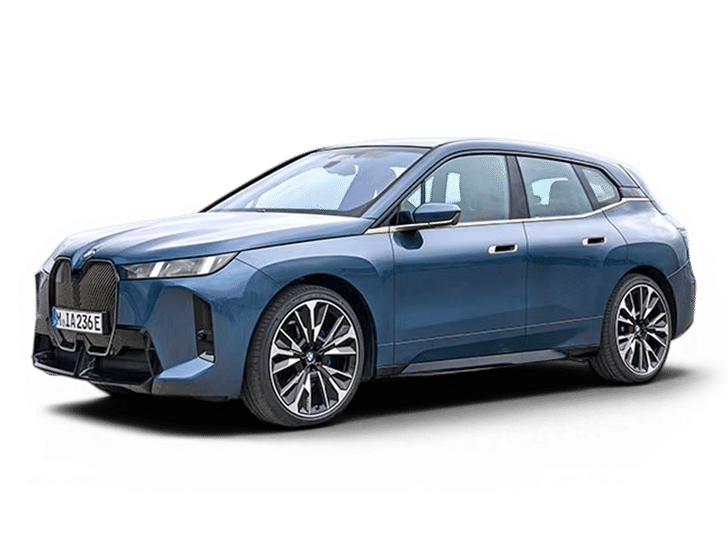
BMW
iX facelift
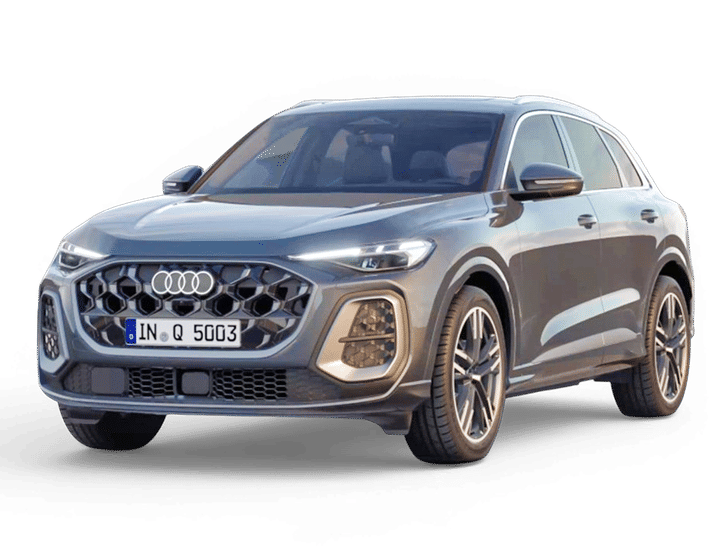
Audi
New Q5
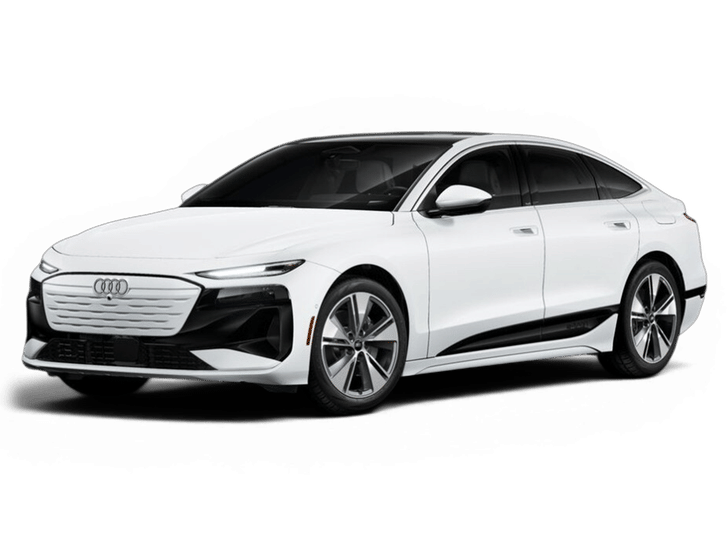
Audi
A6 e-tron
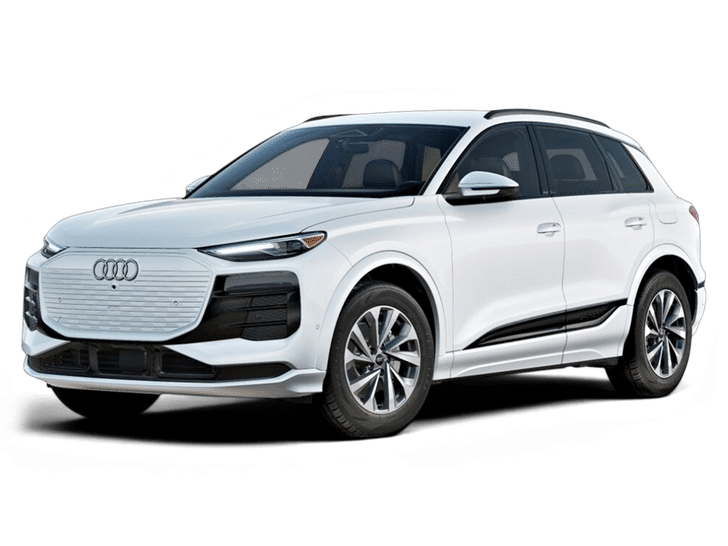
Audi
Q6 e-tron
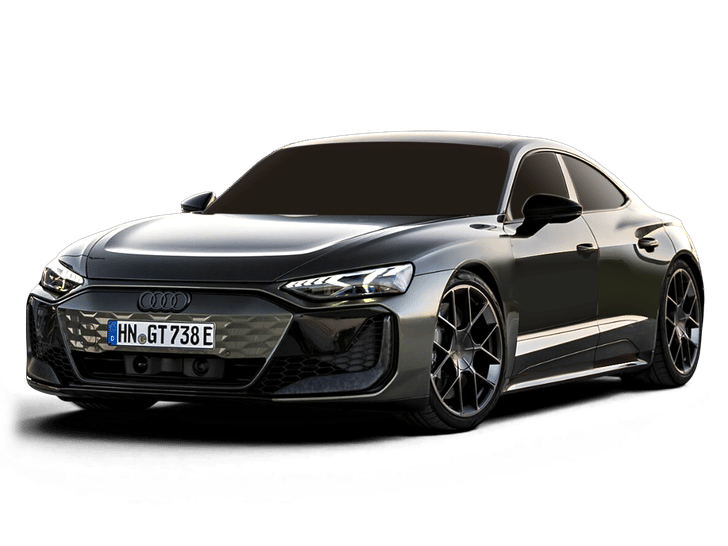
Audi
e-tron GT facelift
Volkswagen
Virtus facelift
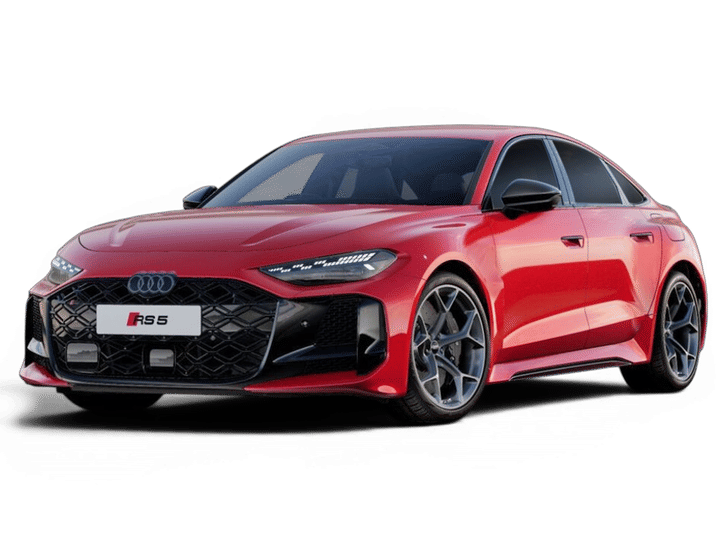
Audi
A5

Vinfast
VF5
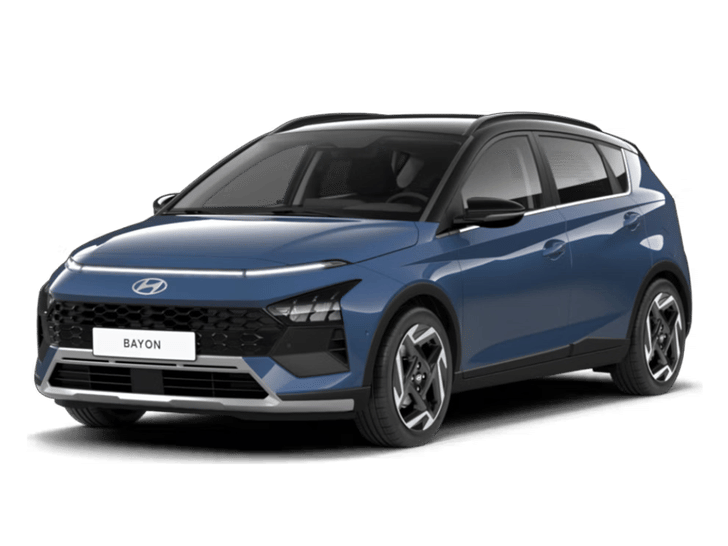
Hyundai
Bayon
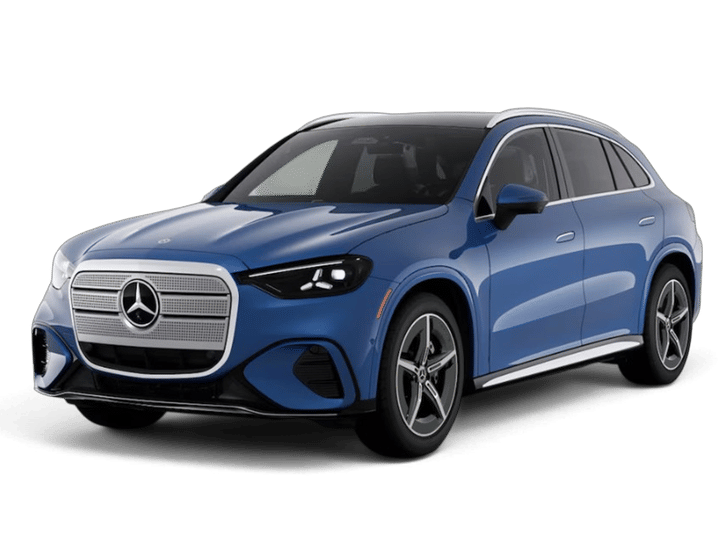
Mercedes-Benz GLC
Electric
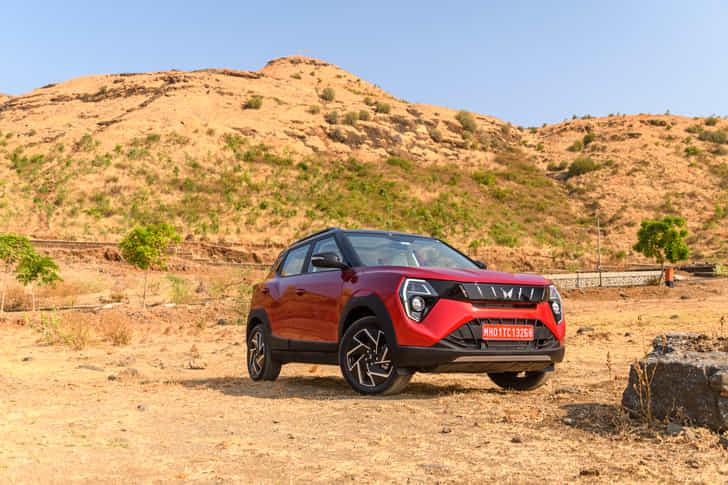
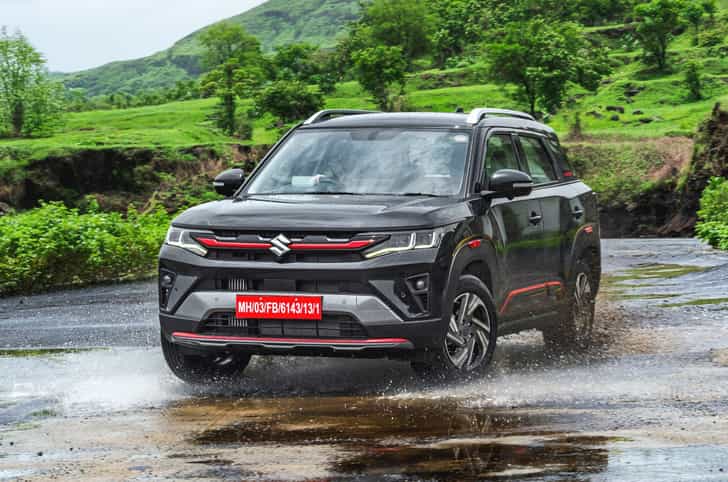
Hi Autocar team, I am considering the Maruti Suzuki Brezza, Mahindra XUV 3XO and Maruti Suzuki Victoris. The 3XO offers more features and space than the Brezza, but I expect it to be less fuel-efficient. The Victoris is considerably more expensive. Is the 3XO a good choice, or should I consider other options?
Yes, the Mahindra XUV 3XO is a very good choice. It is one of the most spacious compact SUVs in the segment, with a wide cabin that makes it a genuinely comfortable five-seater. It is also feature-rich and offers strong value for money. The only real drawback is the boot, which is one of the smallest in the segment, at least on paper; however, usable space is comparable to rivals.The Maruti Suzuki Brezza is the more sensible choice if you are prioritising reliability, low maintenance costs and Maruti's service network. It is also a comfortable five-seater with a good ride. The Mahindra car, however, feels like the more modern and better-equipped product.
Hi, I am an automotive enthusiast and go for track drive as well. Can you help me out with a suitable car under Rs. 15-17 lakh as I own Ritz diesel that has completed 2.3 lakh km in 10 years without any engine repair or changing timing chain with regular use of full synthetic oil. I do both city and highway driving regularly as my daily run would be 70 km and I do out station travel for work as I stay in Hyderabad and go for trip around Hyderabad to Bengaluru Chennai Pune and Mumbai. I have 3 elders who rarely travel outstation but they sometimes travel within city. My wife and children travel often with me especially for official and personal usage, suggest me a car with good driving dynamics that offers stability abd comfort. Can a 1 liter Skoda vehicle manage driving load or is 1.5 liter better. I don't have an opinion on Kia or Hyundai and I want to know if these brands are reliable and safe. Suggest me a suitable car.
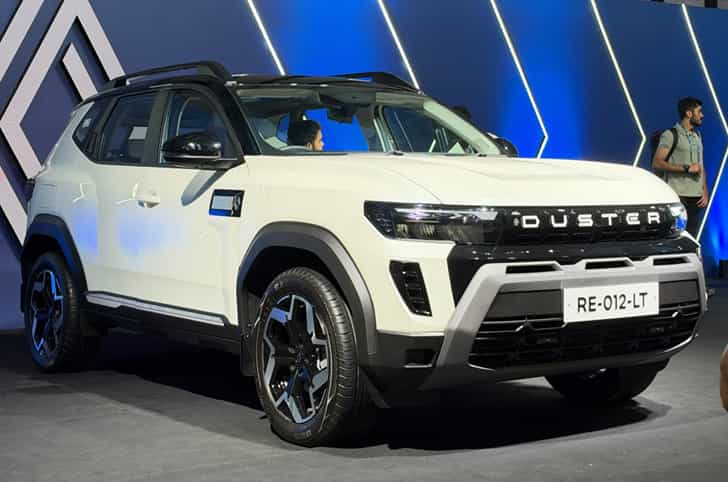
Given your daily usage of 70km, and frequent highway trips, a diesel car will be a more economical choice. And in that price bracket, consider a higher-spec Mahindra XUV 3XO which has an excellent 1.5 Diesel engine that's punchy and refined, and its ride comfort and high speed stability easily matches cars from higher segments.If you insist on a petrol offering that'll appeal to an enthusiast like you, consider a Renault Duster or Nissan Tekton 1.3 Turbo, which are excellent to drive. The only real downside is that their turbo engine isn't efficient. A Slavia or Kushaq are great to drive too, and while their 1.0 TSI feels perfectly fine in the city, on the open road you'll certainly yearn for stronger performance and more effortless power delivery, something which is available with their 1.5 versions; unfortunately, these won't fit into your Rs 15-17 lakh on-road budget.The Hyundai Verna and Creta 1.5 Turbo variants are pricey, while a Kia Seltos with a 1.5 turbo petrol variant in your budget will be with an iMT (clutch-pedal-free manual transmission). It is a well-rounded car, and even though it drives well, it doesn't feel as engaging or as fun-to-drive as a Duster, Tekton or the Skoda offerings. Even the Kia's 1.5 diesel engine lacks outright punch and isn't likely to suit your driving style. Hence we'll suggest you to either consider the Mahindra XUV 3XO diesel, or look at the Renault Duster or Nissan Tekton 1.3 turbo instead.
Hi Autocar Team, I own a Mahindra XUV500 and am considering a Stage 1 ECU remap. What impact would it have on the engine's performance and mileage? Would it affect the engine's lifespan or long-term reliability? I would also like to understand the pros and cons of ECU remapping, including its impact on maintenance costs and overall vehicle reliability. Please advise.
A Stage 1 ECU remap on your XUV500 will give you a noticeable bump in performance, particularly in mid-range torque and overall responsiveness. The car will feel stronger and more eager, especially during overtaking and highway driving. However, this comes with a few important considerations. Fuel efficiency can drop slightly if you drive aggressively to enjoy the extra power, though it can remain similar to stock if you maintain a light foot.An aggressive remap increases stress on the engine, turbo and drivetrain components, which can potentially affect long-term reliability if the car is not maintained well or if the remap is not done properly. The key is to get the remap done by a reputable tuner who understands the XUV500’s engine and keeps the tune within safe limits.
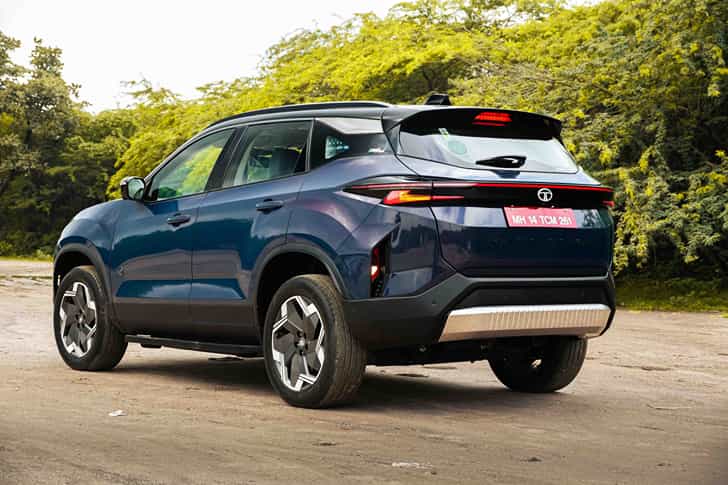
Dear Autocar Team, I currently own a Dzire diesel manual (2018) and now I am planning to buy a new car but I am very confused between Harrier EV Fearless Plus 75kwh and the XEV 9S Pack Two Above 79kwh. Although, I love diesel cars but since I live in Faridabad, my biggest concern is about increasing bans and restrictions on diesel cars. My main usage is on highways and bit within the city. I have clocked 1.3 lakh km on my Dzire in 8-9 years. I am getting the exact Harrier EV model for Rs. 22 lakh (on-road) whereas the XEV 9S will cost around Rs. 27-28 lakh (on-road) and that is my biggest confusion. Should I spend this additional amount on the XEV 9S for Harrier ev because I don't want any hassles as an since I plan to keep the car for the next several years.
Since your choice is between these two exact models, go for the Tata Harrier EV Fearless Plus 75kWh at Rs 22 lakh on-road. It is a much better value proposition given the Rs. 5-6 lakh savings over the Mahindra XEV 9S. The Harrier EV is a solidly-built, hardy SUV that's comfy for 5 adults and their luggage.Sure, the XEV 9S gives you the flexibility of three-rows of seating; a lighter steering with a tighter turning radius; and with a larger battery and a more efficient electric powertrain, real-world range will be better. But since you don't specifically need a three-row SUV, the Harrier EV's lower price makes it the more sensible buy.

I am currently driving Fronx and now I want to upgrade to diesel car for 2 people under a budget of 25 lakh to 30 lakh for my current running of 3000 km which includes 80% running on highways.
With 3,000 km a month and 80 percent highway driving, a diesel SUV is the right choice. The Mahindra XUV 7XO diesel is the best fit here. It is an excellent highway car with a powerful diesel engine, good ride comfort and a stable, planted feel at speed. It is also well equipped and offers a genuinely premium experience for the money. The Kia Seltos diesel is the alternative if you want something slightly more compact and easier to live especially since you might not need that extra space the XUV offers. The Seltos diesel is very effient and refined, but as far as outright performance goes, the XUV's larger 2.2-litre diesel gives it an edge.
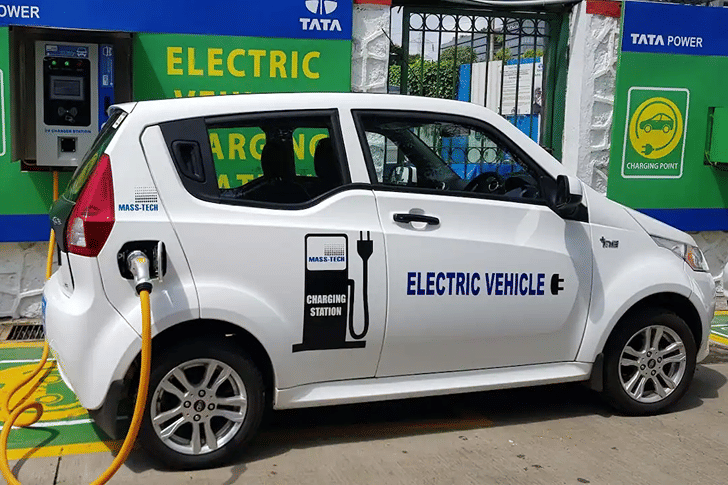
Hi Autocar Team, I am planning to buy an electric vehicle for my daily commute of approximately 80 km in Hyderabad, with a budget of up to Rs. 20 lakh. My key priorities are spacious interiors, strong safety features, good build quality and overall reliability. Considering my daily usage, would opting for a Battery-as-a-Service (BaaS) model be financially beneficial in the long run? Please suggest suitable EV options that meet my requirements.
For your 80km daily commute in Hyderabad, the Kia Syros EV 51.4kWh is the variant to shortlist first, particularly if you want a spacious cabin, modern safety equipment and a manageable running cost within Rs 20 lakh. With home charging, your daily distance is well within its claimed 526km range, although real-world range will be lower.The Syros EV's biggest advantage is its flexible rear seat, with sliding, reclining and ventilated functions, making it practical for family use. Six airbags are standard, while higher variants add a 360-degree camera and Level 2 ADAS. The drawback is that the EV has not yet received its own official crash test rating, so don't assume the ICE Syros's five-star rating automatically applies to it.BaaS lowers the upfront cost, but at 80km a day, the battery charge of Rs 3.30 per kilometre adds up quickly. At 22 working days a month, that's about Rs 5,800 monthly before electricity. Choose the Syros EV 51.4kWh with the battery purchased outright if it fits your on road budget. Consider BaaS only if reducing the initial payment is more important than minimising long term cost.
Hi, I am planning to buy a car that can comfortably fit 5 people (2 people are 6 feet tall and 3 people are healthy). I mostly ride in the city (Mumbai and Goa) and occasionally I drive between the 2 cities. So, it is an average of 300-400km per month. I am happy to buy Dzire as well but I have heard that five people cannot fit in it. Can you please help me with a 5-star safety rated car that offer decent mileage with less maintenance. Considering the bad roads, I need a car with good clearance. It can be a compact SUV or SUV.
The Maruti Suzuki Dzire is a good sedan, but the rear seat is not wide enough to comfortably accommodate three adults, especially when occupants are on the healthier side. Instead, you can consider the Maruti Suzuki Brezza 1.0 Turbo. Due to its boxy cabin, it feels airier than the Dzire, and its turbo-petrol engine will feel effortless on your highway drives between Mumbai and Goa. Its high ground clearance will give you more confidence over bad roads. If you want a more spacious 5-seater, that's reliable, efficient and 5-star rated within a budget of Rs 20 lakh, consider the Kia Seltos 1.5 Petrol-manual. It is more expensive than the Brezza, but its cabin feels richer and more spacious, making it worth the stretch.

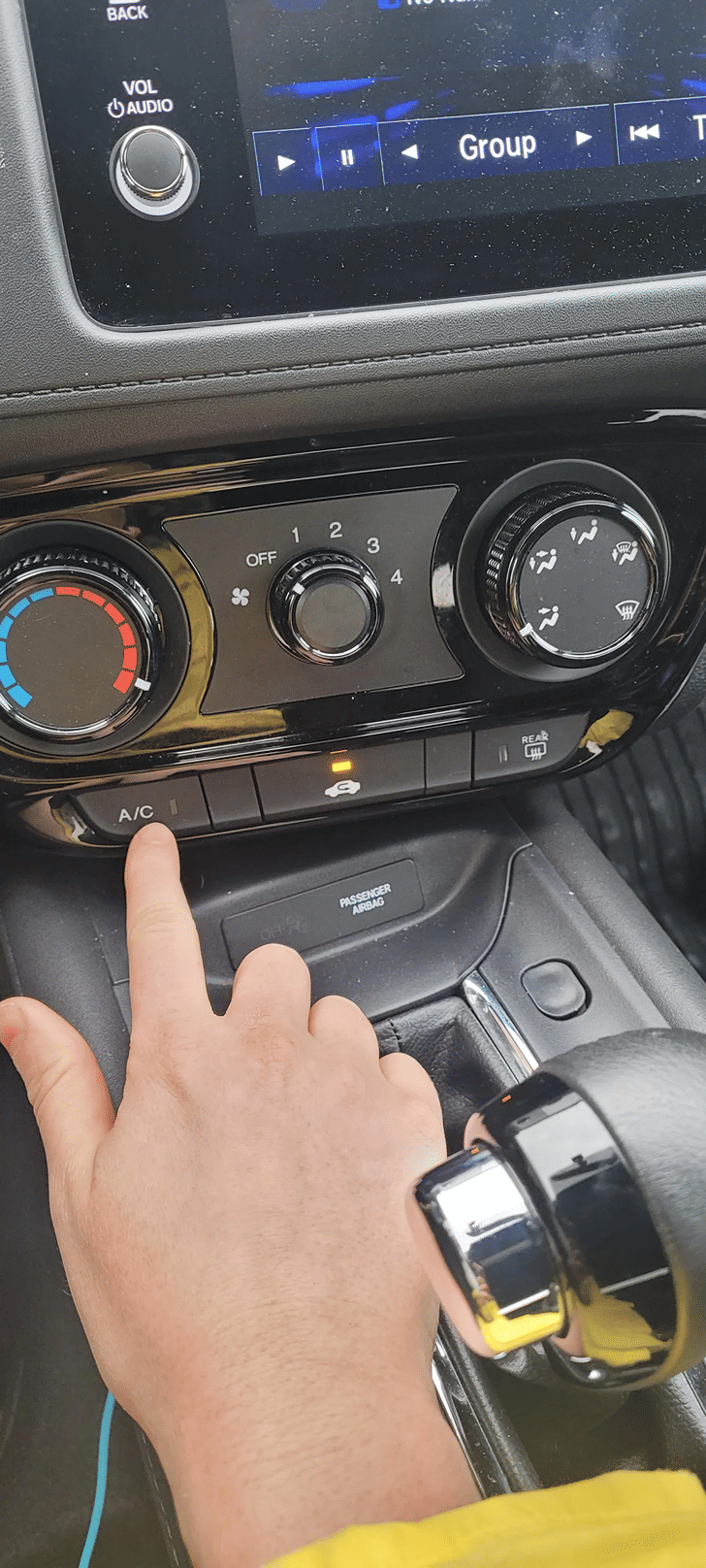
I am a 46 years old man based in Noida and have a family of 3. I’m planning to buy a car in a budget of Rs.15 - 20 lakh and have shortlisted Virtus and Slavia. Should I go for an earlier or 2026 cars that are being offered at Rs. 1 - 1.5 lakh discount. Should I wait for the facelift? I am worried if the 2026 version of Virtus still has the AC issue mentiond in some of the reviews. Should I spend an additional 2.5-3.5 lakh for the 1.5 engine? My driving involves 80% running within NCR and 20% outstation.
With your 80 per cent NCR driving and a family of three, the 1.0-litre Virtus or Slavia makes more sense for everyday use, but waiting for the Virtus facelift is worth considering if you aren't in a hurry. The current cars are good to drive, and a discount of Rs. 1-1.5 lakh makes the outgoing version attractive.However AC concern is worth taking seriously, especially in NCR summers. The facelifted Slavia now gets a variable-displacement compressor, intended to improve AC performance. The Virtus facelift is expected in the fourth quarter of 2026, and a similar AC upgrade is likely, but its final specification should be confirmed when it launches.As for the 1.5 TSI, the extra performance is enjoyable on highways, but the 1.0 TSI is sufficiently punchy for daily NCR use. The 1.5's DSG also adds complexity and cost, so it isn't essential for your driving pattern.
Hi, can we expect an automatic variant of the Force Urbania? I really want to own one if it comes in this configuration.
An automatic version of the Force Urbania is possible, but there is no confirmed timeline for launch in India yet. Reports from 2025 suggested Force Motors was working on an automatic gearbox for export markets, which could eventually come to India, but the company hasn't officially confirmed an Indian launch.The Urbania that is currently selling in India uses a 2.6-litre turbo diesel engine paired with a five-speed manual gearbox. The upgraded model has more power and improved equipment, but an automatic transmission hasn't been added.
I am planning to buy a hybrid car within 25 lakh for 80-100 km daily running mostly within the city. I am considering the Renault Duster Strong Hybrid, but I am not a big fan of its looks, and the rear seat space is not enough. I just want to know when is the Kia Seltos hybrid, Duster 7-seater and Bigster launching so that I can plan accordingly.
With your daily city running of 80 to 100km, waiting for the Kia Seltos strong hybrid is worth considering if you can postpone your purchase until 2027. Since the Duster's design and rear seat space don't appeal to you, there's little point spending nearly Rs 20 lakh on a car you're already unsure about.The Seltos hybrid was showcased at the Paris Motor Show in October 2026, and an India launch is expected in 2027. Kia hasn't announced an exact launch date, battery capacity, India specific specifications or pricing yet, so these remain unknown.The seven seater based on the Duster, expected to draw on the Bigster, is anticipated to launch early next year. However, its powertrain line up and hybrid availability haven't been confirmed.

Need expert advice?
Ask the Autocar community and experts.