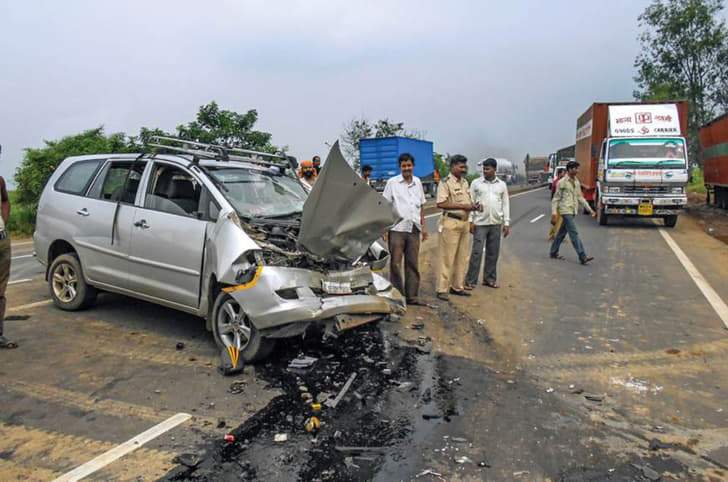
The Government of India, under the Ministry of Road Transport & Highways (MoRTH), has launched the PM RAHAT (Prime Minister RAHAT) scheme. RAHAT, short for ‘Road Accident Victim Hospitalisation and Assured Treatment’, is a new scheme that has been announced after the recent inauguration of the Seva Teerth building complex in New Delhi. The core focus of this government initiative is to offer cashless and urgent medical assistance for road accident victims.
- Treatment cost covers 7 days and up to Rs 1.5 lakh
- Framework integrates Transaction Management System, Electronic Detailed Accident Report
- Hospital charges to be paid from the Motor Vehicle Accident Fund
First steps of RAHAT
Swift coordination between first responders and designated hospitals would be key.
As per the government’s press release, studies show that almost half of all lives lost due to road accidents can be saved if the victims make it to a hospital in under an hour. This is what the newly launched RAHAT scheme hopes to achieve. RAHAT is integrated into the existing Emergency Response Support System (ERSS) helpline.
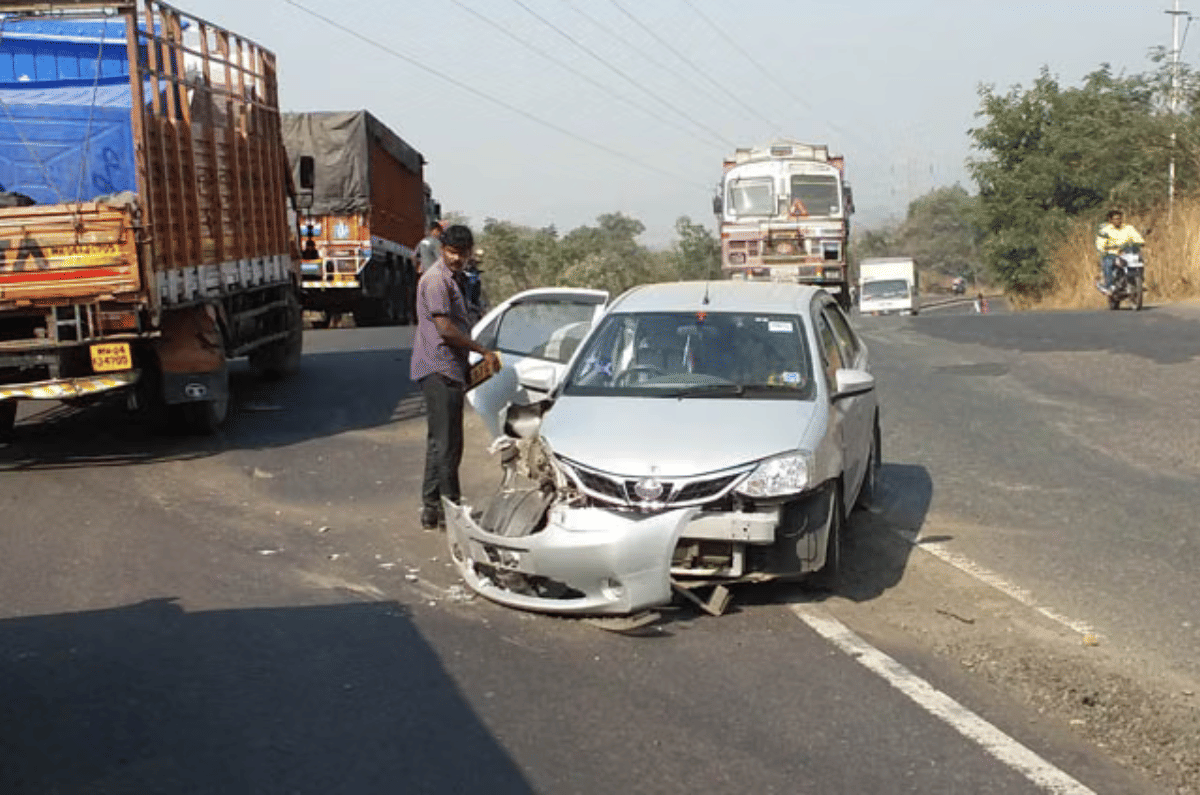
Good Samaritans, or Rah-Veer, who are at the site of an accident, can reach out to ERSS by dialling 112. Operators manning this helpline would then be able to provide relevant details on the nearest suitable hospital and despatch an ambulance to reach the affected site. From contacting ERSS to the victims receiving medical aid, swift coordination between first responders, hospitals and police personnel will play a crucial role.
What RAHAT means for accident victims?
Road accident victims can avail cashless treatment up to Rs 1.5 lakh.
The RAHAT scheme covers the cashless treatment of accident victims without prejudice to the category of the road in question. Each victim’s treatment charges for a period of up to 7 days and costing up to Rs 1.5 lakh will be covered under this new initiative.
Those with life-threatening injuries will receive stabilisation treatment for a period of up to 48 hours post admission, whilst victims admitted in non-critical condition will receive follow-up treatment for up to 24 hours. However, to ensure the cashless treatment proceeds without interruptions, the police’s confirmation on an integrated digital system will be mandatory within the stipulated 24- or 48-hour timeline.
How does this integrated digital system work?
The framework encompasses an online platform and management software.
The police authentication procedure for the cashless treatment of accident victims under this new scheme follows an integrated digital process. This process involves the integration of the National Health Authority’s Transaction Management System (TMS 2.0) software and MoRTH’s Electronic Detailed Accident Report (eDAR) platform.
The newly established digital framework will digitally link all critical aspects of RAHAT, including accident reporting, hospitalisation, police authentication, medical treatment, claim processing and final payment.
RAHAT’s cashless treatment
Victims’ hospital fees will be borne by a dedicated relief fund.
To ensure accident victims get prompt (but cashless) treatment, the hospitals involved in this government initiative will be compensated using the Motor Vehicle Accident Fund (MVAF). If the accident involves an insured vehicle, contributions towards the cost of hospitalisation of the victim(s) will be partially borne by the respective insurance company.
For accidents involving an uninsured vehicle and / or a hit-and-run incident, the treatment costs will come out of a budgetary allocation by the government. Once a claim has been approved by a State Health Agency (SHA), it will be paid to the concerned hospital within a period of 10 days. This will provide financial certainty to hospitals, thus encouraging uninterrupted treatment, as per the government’s press release.
In case of RAHAT-related grievances, accountability for the treatment of road-accident victims would be addressed by a Grievance Redressal Officer (GRO). The GRO’s nomination will be chaired by one of the following: the District Collector, the District Magistrate, or the Deputy Commissioner, one of whom will represent the District Road Safety Committee (DRSC).
 Autocar India News Desk
 Dhruv Dhaka
 Dipan Sur