autocar-logo
Delhi

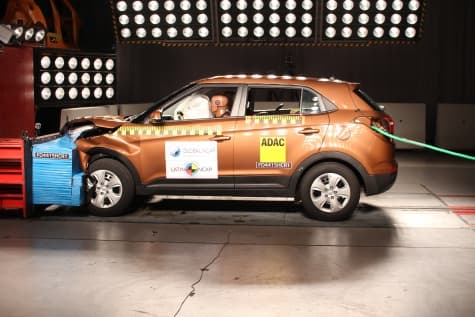
Hyundai Creta scores four stars in Latin NCAP crash tests

The car tested was a left-hand-drive Creta with dual front airbags; rating limited by lack of three-point seat belts.
1 min read16 Dec '15
Jaiveer MehraJaiveer Mehra
15K+ views

The India-made Hyundai Creta has been awarded a rating of four stars by Latin NCAP. The model put through the test was a left-hand-drive version of the Creta currently on sale in India, and came equipped with dual front airbags, ABS and seat belt pre-tensioners.

In frontal crash scenarios, the Creta offered between good to adequate protection to its adult occupants with Latin NCAP awarding the car a score of four out of five stars. The body shell of the car was deemed stable and had the ability to withstand further loading.

In child occupant protection, the car was given a rating of three stars. According to Latin NCAP, the child seats for three-year-olds prevented excessive forward movement while the child seats for 18-month-olds provided good protection. It was also noted that some of the safety restraints tested on the Creta could not pass the installation test. The car was also marked down for lacking three-point seat belts for all occupants and for missing out on airbag de-activation switch for the passenger airbag.

The Hyundai Creta was only tested for frontal impacts; the side impact test was not performed.

In India, the Creta comes with ABS as standard with dual airbags available from the mid-level S+ trim. The top-spec Creta comes equipped with dual front, side and curtain airbags along with stability control and hill start assist.
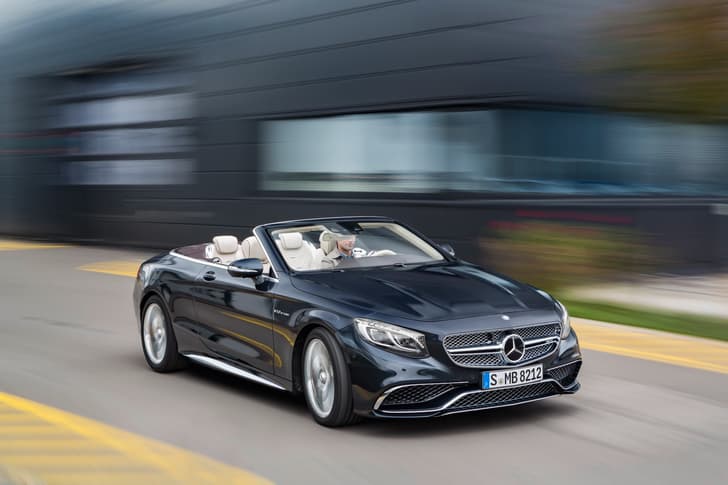
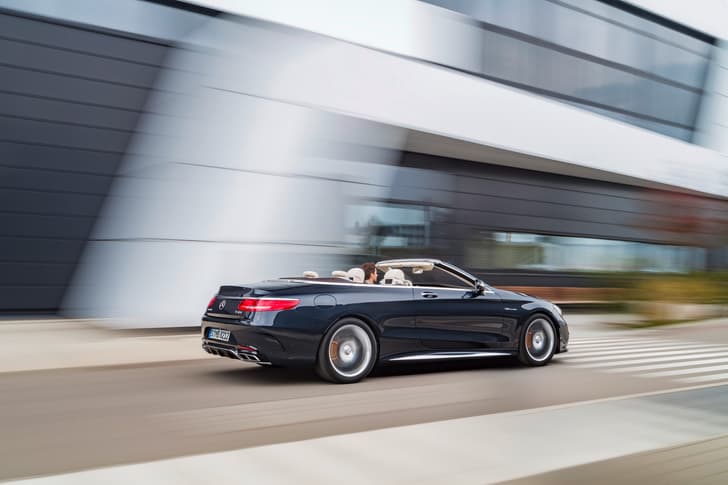
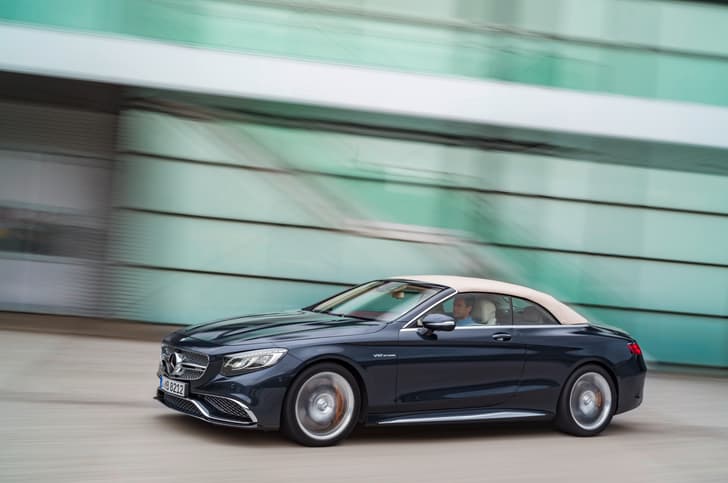
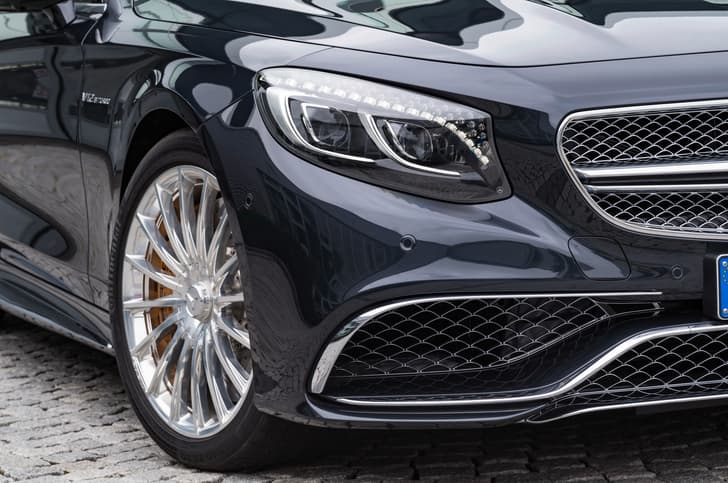
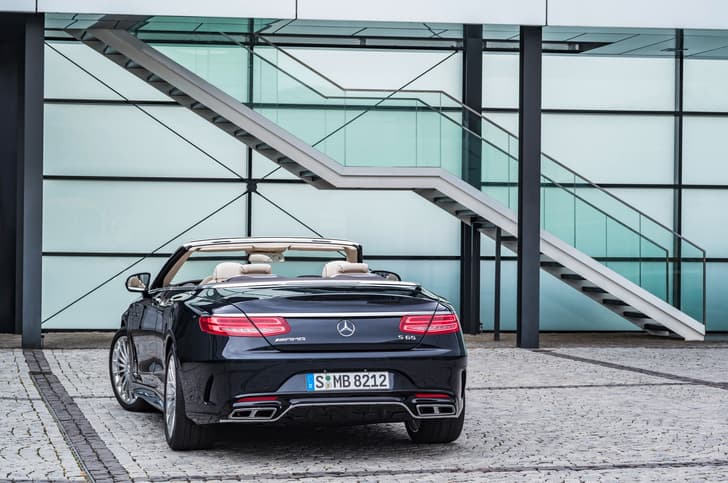
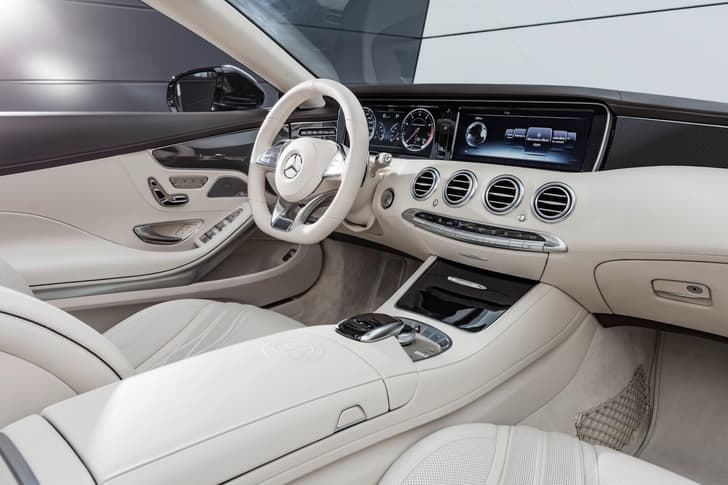
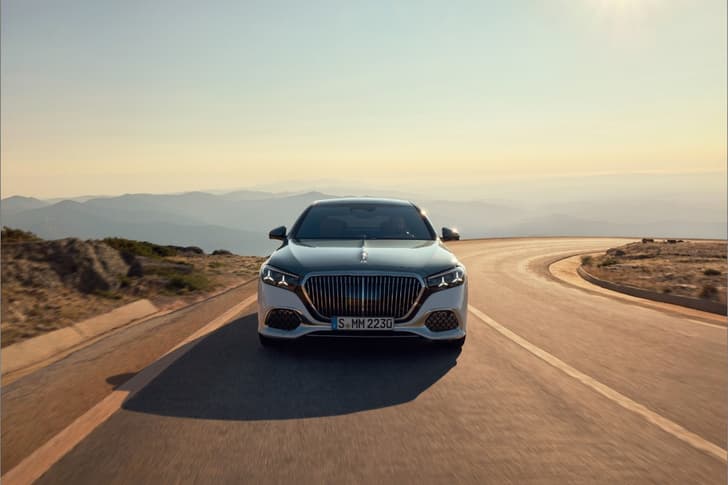
Mercedes-AMG S 65 Cabriolet revealed

The Mercedes-AMG S 65's 6.0-litre V12 produces a massive 621bhp; mated to a seven speed gearbox.
2 min read16 Dec '15
Staff WriterStaff Writer

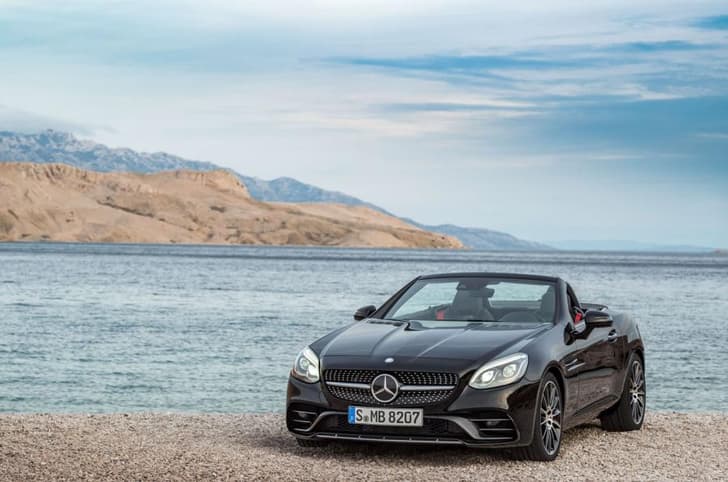
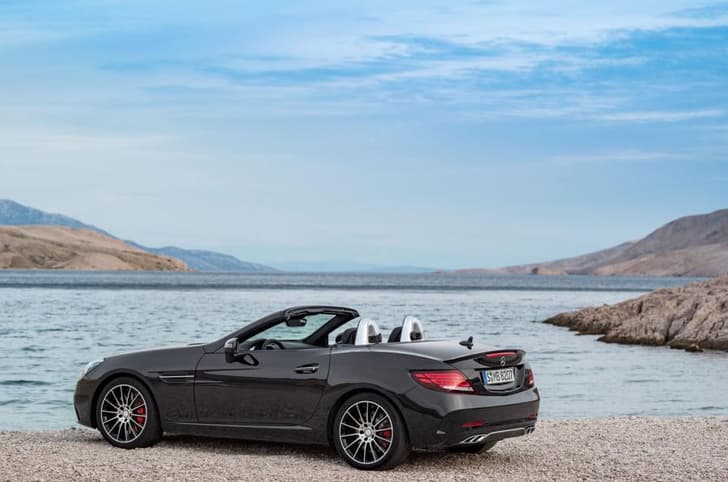
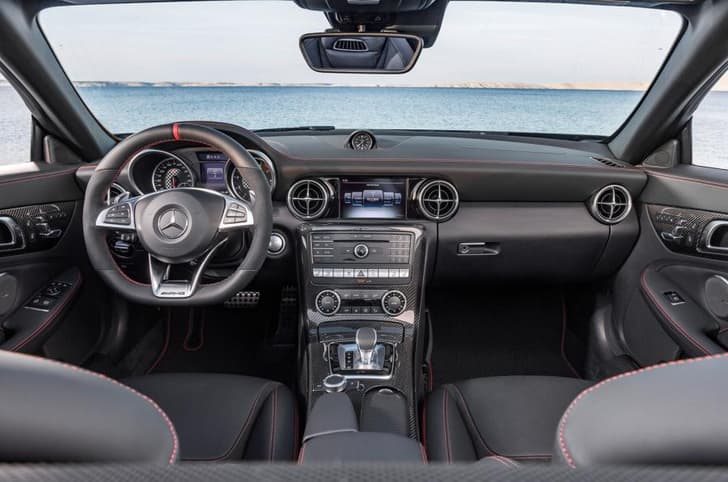
Mercedes-Benz SLC revealed

The facelift of the SLK roadster, the SLC, gets styling and mechanical changes; AMG SLC is powered by a twin-turbo V6.
2 min read16 Dec '15
Jaiveer MehraJaiveer Mehra

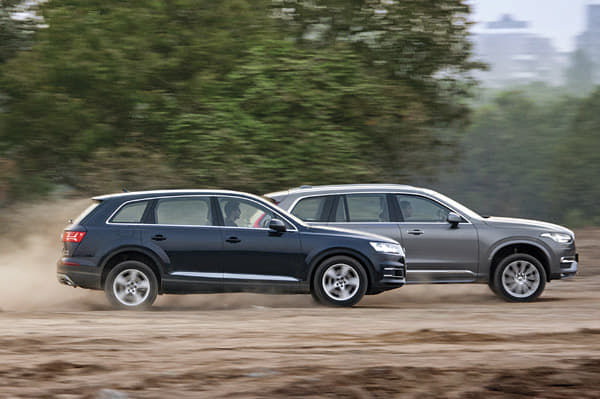
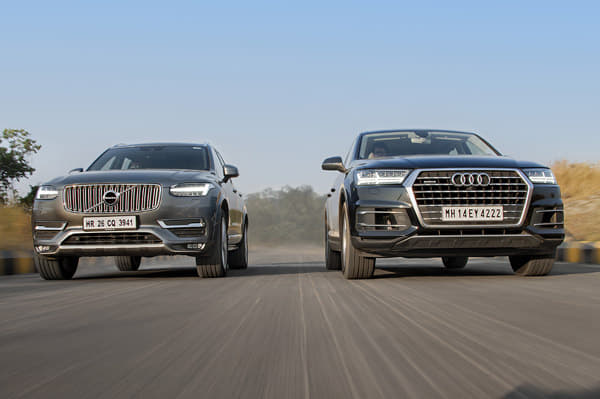
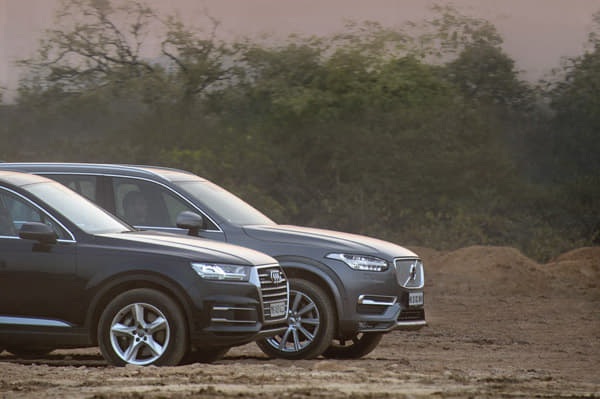
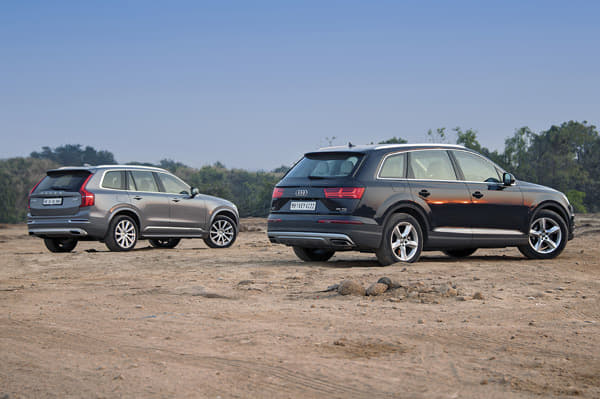
New Audi Q7 vs new Volvo XC90 comparison

The all-new Audi Q7 and the new Volvo XC90 are both big, luxurious and packed to the gills with the latest tech. But which is the one to go for?
3 min read16 Dec '15
Staff WriterStaff Writer

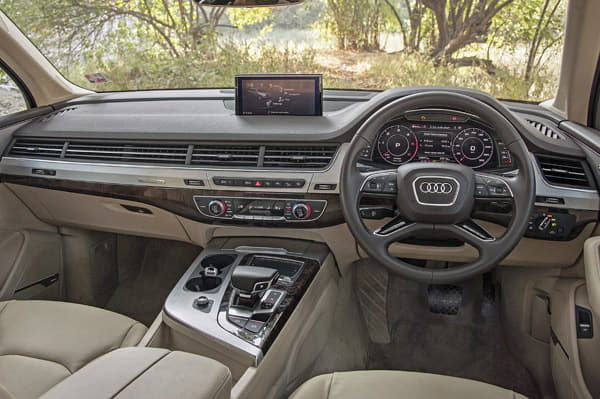
Q7’s low-set dashboard is unique among SUVs; frontal visibility is excellent.

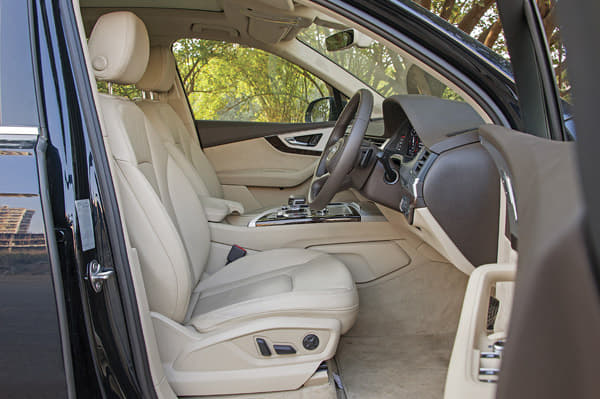
Front seats are large and remain comfy over long distances.

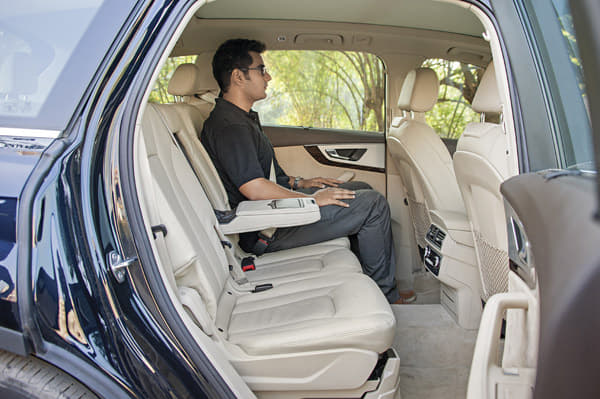
Q7 middle row offers immense space but thigh support not best.

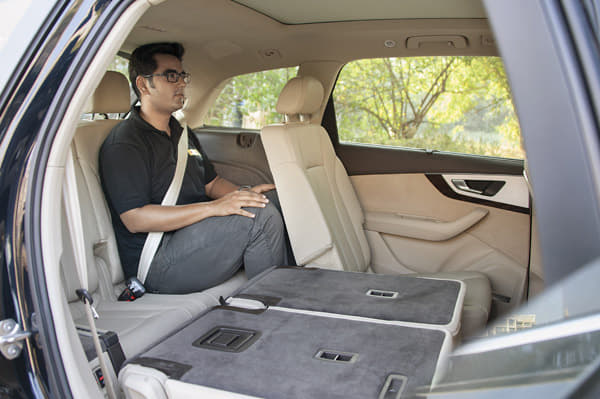
Third-row seating position is quite knees-up.

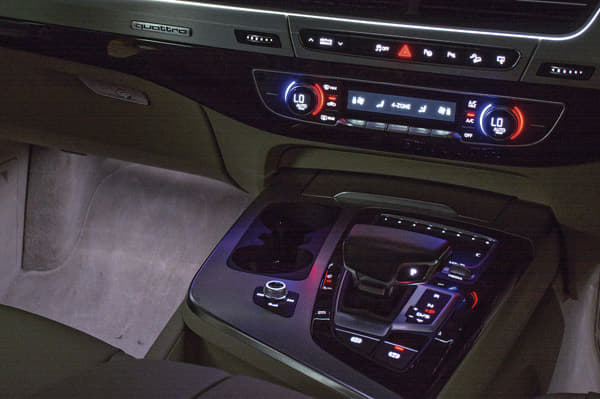
Interior lighting gives look of a cockpit.

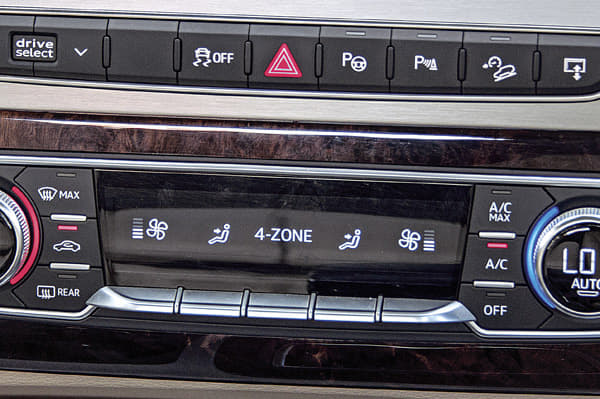
Air-con buttons are touch sensitive.

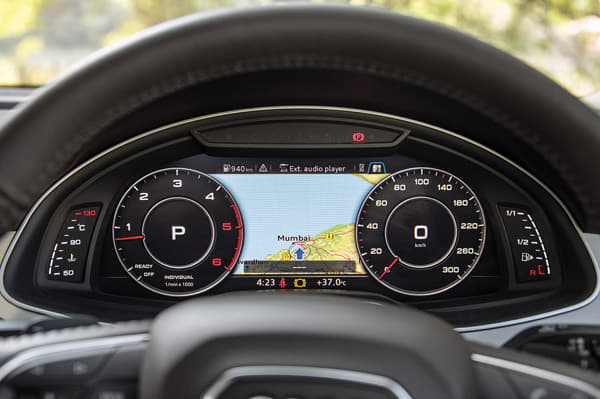
High-res digital instruments look superb.

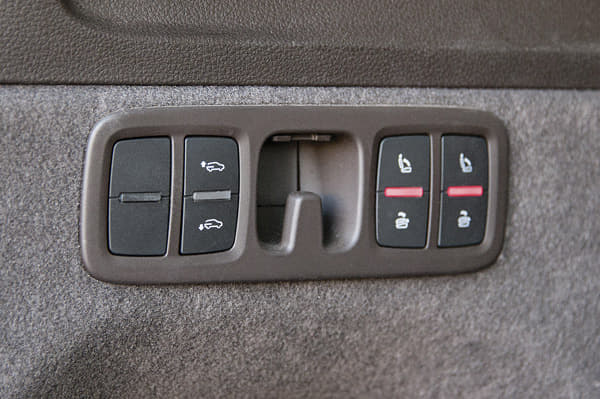
Third row backrests can be folded/raised at the touch of a button.

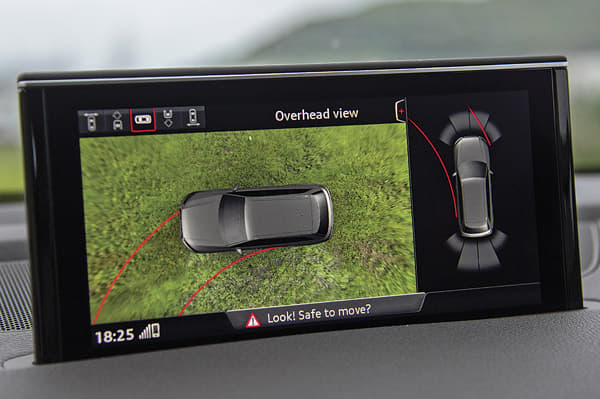
360-degree camera comes very handy when placing the big Audi.

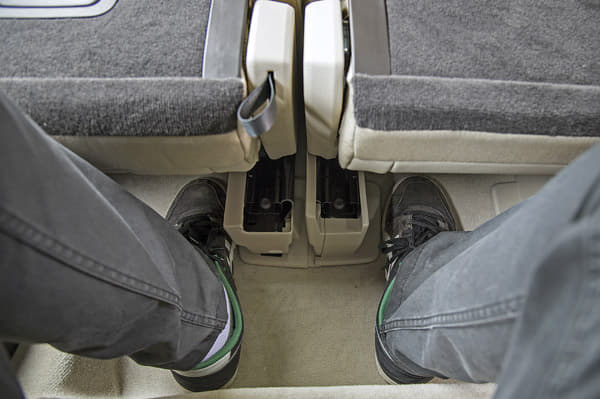
There’s very limited foot room in the third row.

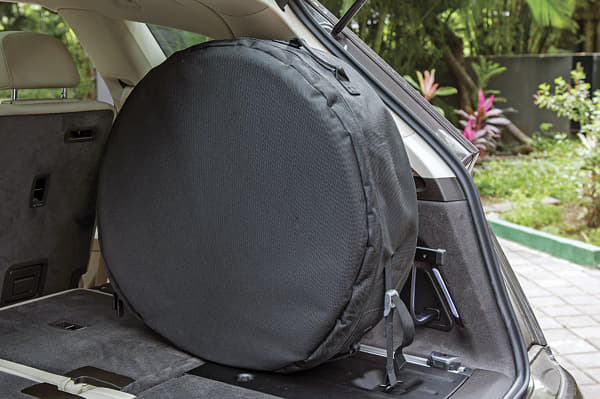
Spare wheel positioning in boot is simply ridiculous.

You’ll have to leave behind the spare wheel to make full use of the third row and boot.

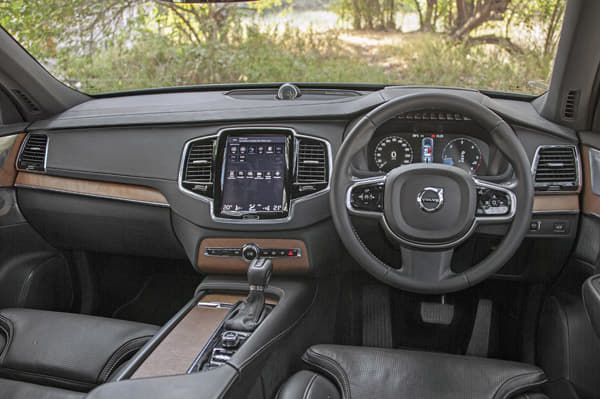
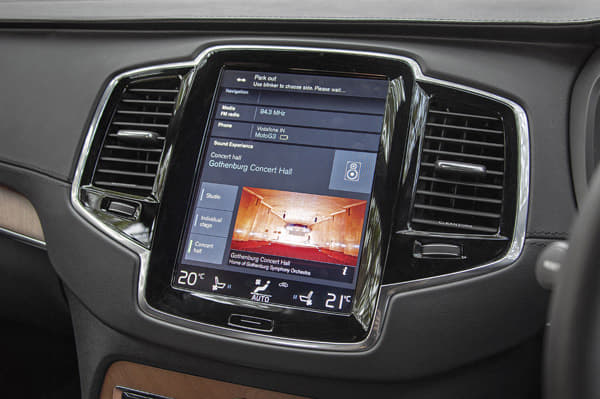
Touchscreen takes pride of place on Volvo dash. Cabin has a soothing air about it.

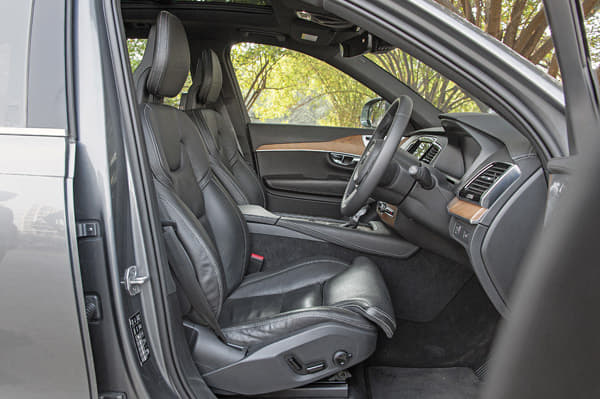
Front seats as comfy as they look.

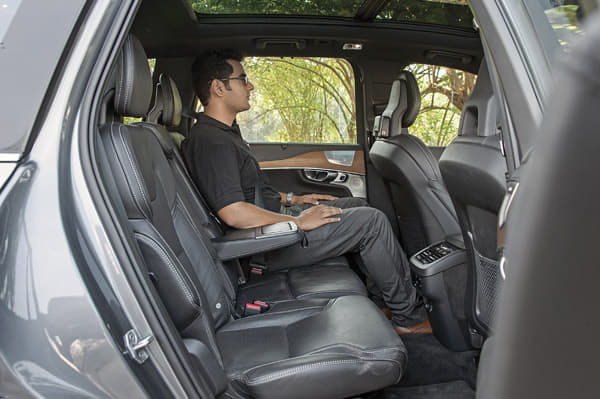
XC90 cabin isn’t as airy as the Q7’s but space is good. Middle-seat squab could be larger.

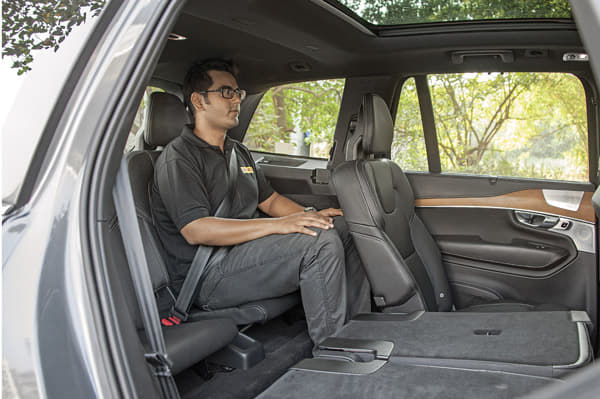
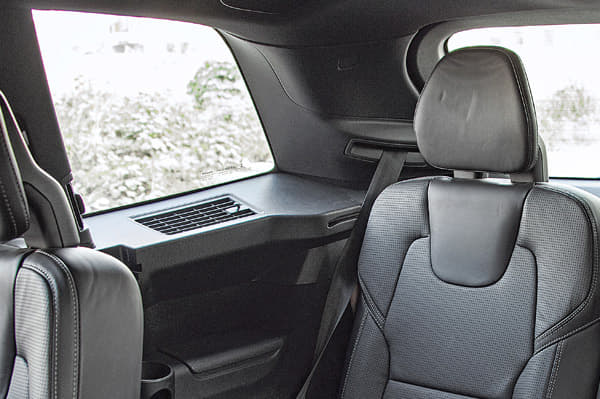
Large windows and decent headroom make XC90 third row feel quite useable.

Touchscreen is just brilliant to use.

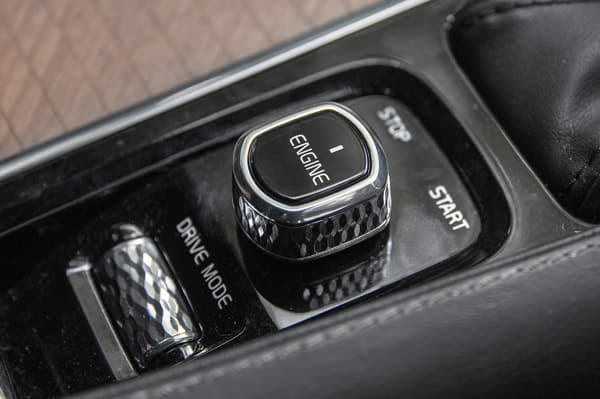
Central controls have rich crystal effect.

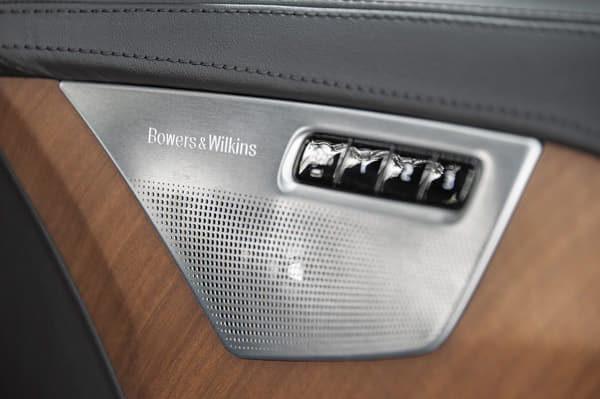
Audio system sounds incredible.

Rear-most occupants get dedicated air-con vents.

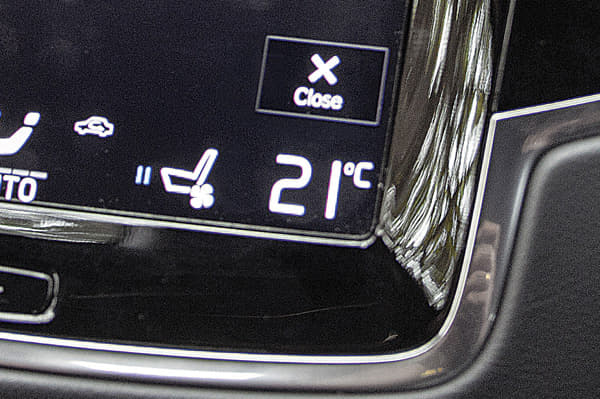
Front seat ventilation is a great feature for India. Seats are heated too.

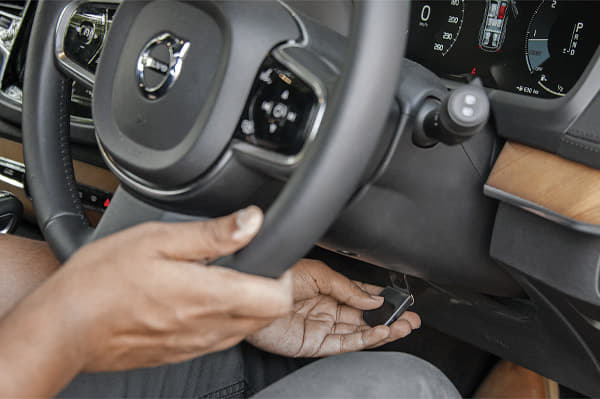
Manual steering adjust is not in keeping with the XC90’s price.

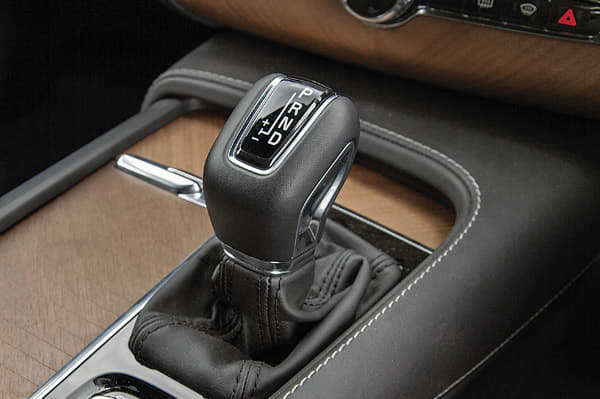
Gearbox not enthusiastic. There are no paddleshifters either.

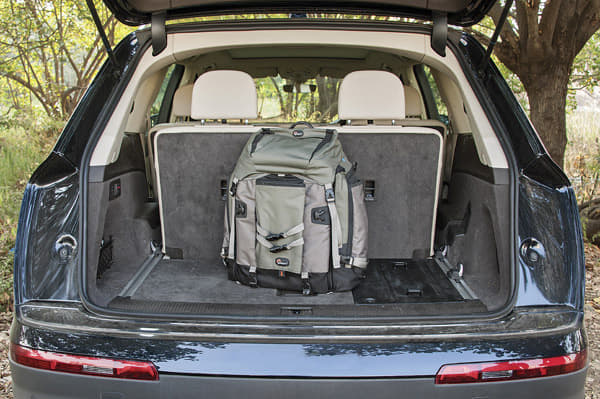
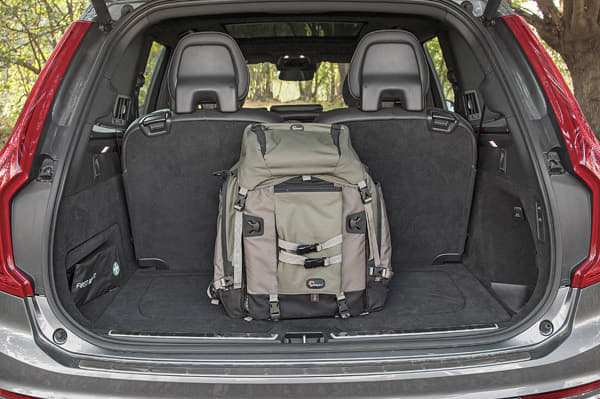
With all seats up, the Volvo has the larger boot.

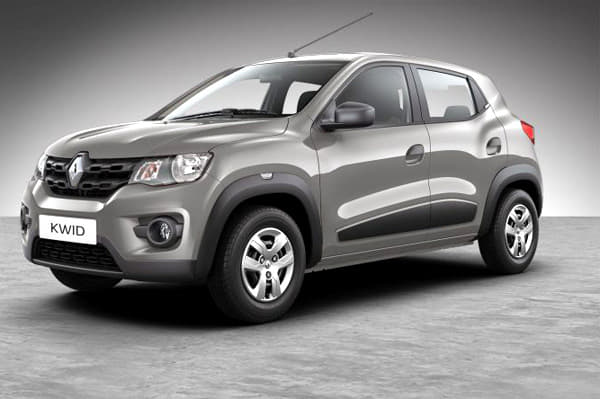
Renault Kwid impresses buyers

Dealers say the long waiting period could be the Kwid’s Achilles heel.
1 min read16 Dec '15
Staff WriterStaff Writer

New Honda Connect app launched

The new app from Honda will facilitate communication between the driver and the car via smartphones.
1 min read15 Dec '15
Staff WriterStaff Writer
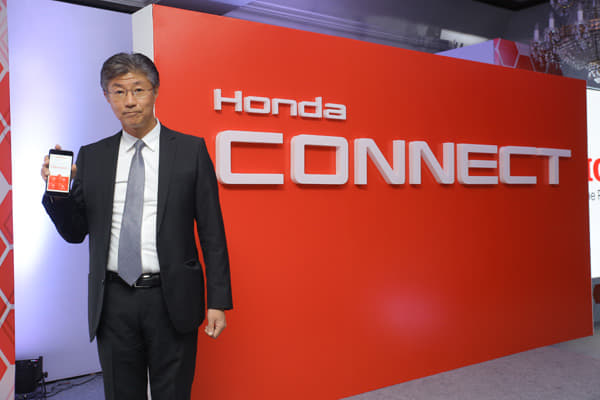
Mr. Katsushi Inoue, President & CEO, Honda Cars India Ltd. at the launch of Honda Connect.