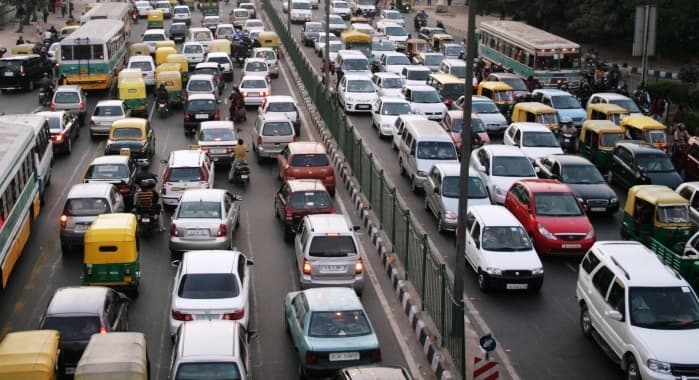
The cash crunch across the country, as a result of the demonetisation of Rs 500 and Rs 1,000 currency notes in early November, as well as the year-end impact, continues to hurt the Indian automotive industry. Consumers have delayed purchase decisions in the last month of the year, preferring to register a vehicle in the New Year.
As per the sales numbers for December 2016, revealed by industry body SIAM on January 10, overall vehicle sales are down sharply by 18.66 percent year-on-year, compared to a 5.48 percent drop in November 2016. This is the second highest decline in overall sales of the auto industry since December 2000 when sales fell by 21.81 percent. The third highest dip was in December 2008 when vehicle sales were down by 18.25 percent.
While the light commercial vehicle market witnessed a slight growth of 1.15 percent, all the other segments of the industry are in the red. Some revival was seen in the last week of December in the passenger car and passenger vehicle segments where OEMs offered handsome discounts to boost sales and woo customers who were not too keen on spending money.
“Car manufacturers had an inventory of a month at the end of December though inventories of commercial vehicles and LCVs were lower. Most companies adjusted their production levels in December according to their inventories and these will have to be sold over the next three months. With BS-IV emission norms coming into force by April 1, 2017, all inventories will have to be cleared, especially for trucks and two-wheelers which are still running on BS-III standards. Most of the cars are already on BS-IV norms though,” said Vishnu Mathur, director general of SIAM, while announcing the results.
The annual Budget 2017-18 is expected to be a game-changer and the industry is keenly waiting for it to stimulate customer spending after putting more disposable incomes in their hands through income tax cuts and incentives for the industry.
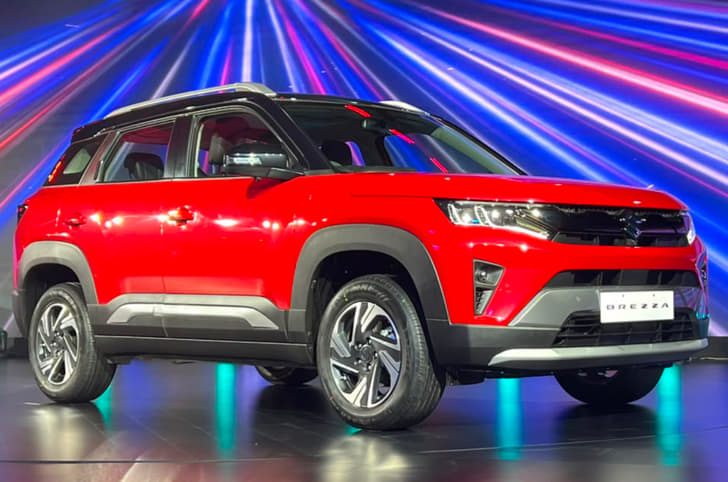
In December 2016, the passenger vehicle segment was down by 1.36 percent, utility vehicles (which were the saving grace) were up by 29.94 percent, and vans down by 18.76 percent. If it weren’t for the surging demand for UVs like the Maruti Vitara Brezza, Toyota Innova and Hyundai Creta, overall PV numbers would have seen a greater percent of decline.
The previous highest decline posted by the passenger vehicle segment was in October 2014 when it de-grew by 7.52 percent. The highest de-growth in passenger cars earlier was in April 2014 when sales dropped by 10.15 percent.
 Viraaj Bhatnagar
 Dipan Sur
 Glenn Noronha
 Dhruv Dhaka