

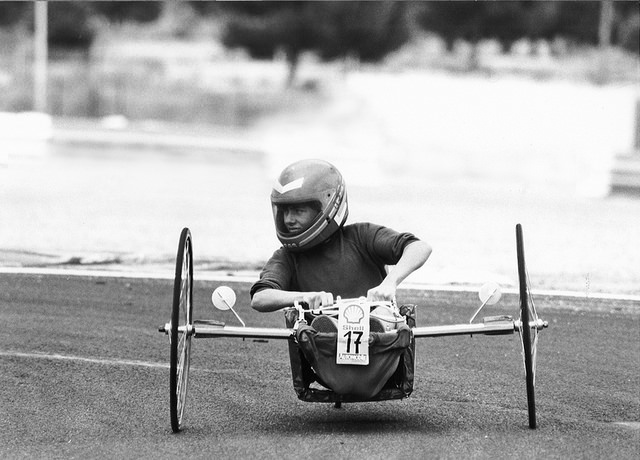

Shell, a global group of energy and petrochemical companies, strives to meet the world's demand for energy in economically, environmentally and socially responsible ways. We're taking a look at one of its attempts at creating a sustainable future for energy.
It’s about energy.
On the face of it, it doesn’t make sense. Why would an ‘oil company’ create an event in support of alternative energy? But that’s just it. Shell is an energy company. And today we face a major energy challenge. We've all read and heard about the environmental complications created by human impact. Climate change is now a normal part of conversation. And, for some reason, we’re not worried. We’ve assumed it’s someone else’s problem (SEP) and as an amazing author once put it, when something is surrounded by the SEP field, it instantly goes unnoticed by everyone. But it needs to be noticed. Holding on to how things were done in the past is a quick route to irrelevance. To stay relevant in a fast-changing world, Shell needs to look to the future. The Shell Eco-marathon is one way to create an opportunity that can help. The innovations that come to life with the support of the Shell Eco-marathon may one day change the way we think about, generate and consume energy.
It isn’t new.
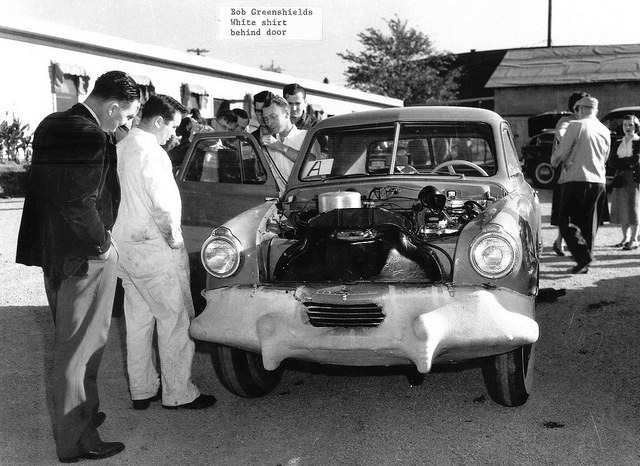
The first-ever ‘race’ for efficiency, or rather, the birth of the Shell Eco-marathon, started with a wager in 1939. A few engineers at Shell set a friendly wager to see who could go the farthest on the same amount of gasoline. Remember, this was a time when cars were big and heavy and engines weren’t half as refined as they are today. But a wager is a wager, and the engineers went to work on their cars, stripping them of everything that wasn’t necessary. They pulled out the seats, doors, hood and boot lids and everything else they could do without. They then tuned the engines to perform optimally. The result was astonishing. The winning 1924 Studebaker did 49miles/gallon, which is slightly over 20km/litre! That’s impressive even by today’s standards. Achieving this wasn’t even complicated. It was a simple, conscious application of methods for refinement known in 1939.