Latest questions answered by experts
I am planning to buy a car with a budget of up to Rs. 30 lakh, and I’m honestly quite confused about whether to go for an electric or petrol/diesel (ICE) car. Even within ICE, I’m not sure whether buying a diesel car still makes sense today. Running cost matters as I drive around 1,500 km a month. I rarely need 7 seats, but it I do need it occasionally. Safety is a big priority for me. We’re now planning long family drives with the kids, such as Jaipur to Mumbai or Goa. Which models would you recommend?
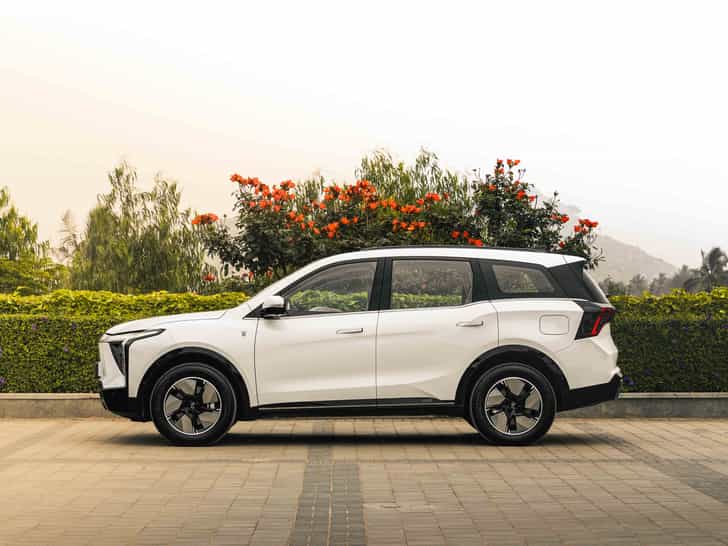
If you can arrange for reliable home charging, simply get the Mahindra XEV 9S. It is an electric SUV which delivers strong comfort, healthy range and is stuffed with tech and features. What's more, it has a third row of seats which gives you the flexibility of a seven-seater. Thanks to its battery's excellent charging capabilities, on a 120kW or higher DC fast charger, in just a few minutes, you can juice up its battery sufficiently to reach your destination. Hence, long distances with the family in this one should be a breeze.

Hi, I am Akshay and I currently drive a 2019 Fiat Punto Abarth. I'm hooked on the thrill it offers while driving. I also really appreciate how it stands out from the crowd, with people turning around to take a look at the car. I'm not too concerned about the fuel economy. I have my eye on the Škoda Octavia RS if it becomes available. Which other cars can offer a similar driving experience for a similar or slightly lower budget? I have no preference among a hatchback, sedan, SUV, or crossover.
The Skoda Octavia RS will seem like a natural upgrade from your Punto Abarth. Its 2.0 TSI delivers strong performance, and its handling feels sharp thus delivering a genuinely engaging driving experience, while also feeling more premium, more comfortable and more usable as a daily driver. Overall, the Octavia RS feels like a mature, sophisticated performance sedan, which lacks a bit of the Abarth's drama visually or as far as power delivery goes, it is a car that should rank high up on your shortlist.If you're keen on something of a similar size with stronger performance and excellent (go-kart-like) handling, consider the Mini Cooper S. As far as practicality and value gom the Octavia RS is far better, but the Mini is a lot more thrilling to drive, and has a lot more character. A Mini Countryman JCW All4 is a more expensive alternative, but if you're getting a good deal on one, it has the performance, sporty handling, drama and the practicality to be the right upgrade for you.Lastly, if you're open to 2-3-year-old pre-owned options a Mercedes-Benz GLA 35 AMG under Rs 40 lakh, and a BMW M340i under Rs 55 lakh are excellent options, as far as performance and thrill of driving go.
Upcoming launch buzz
Community discussions on upcoming launches
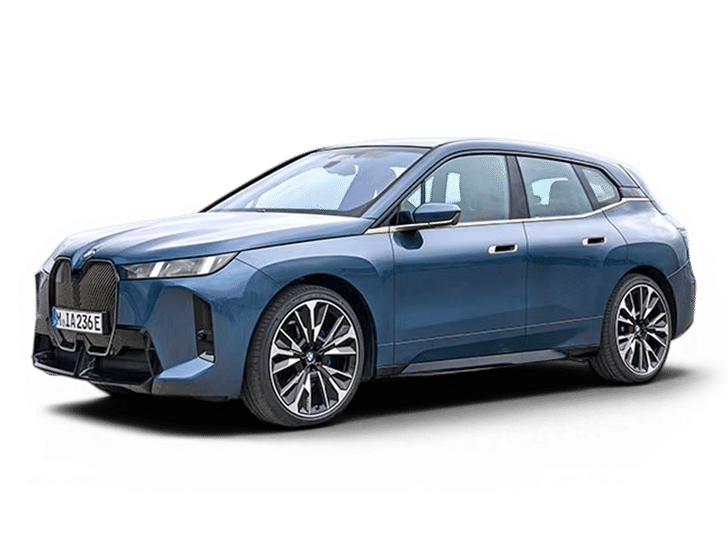
BMW
iX facelift
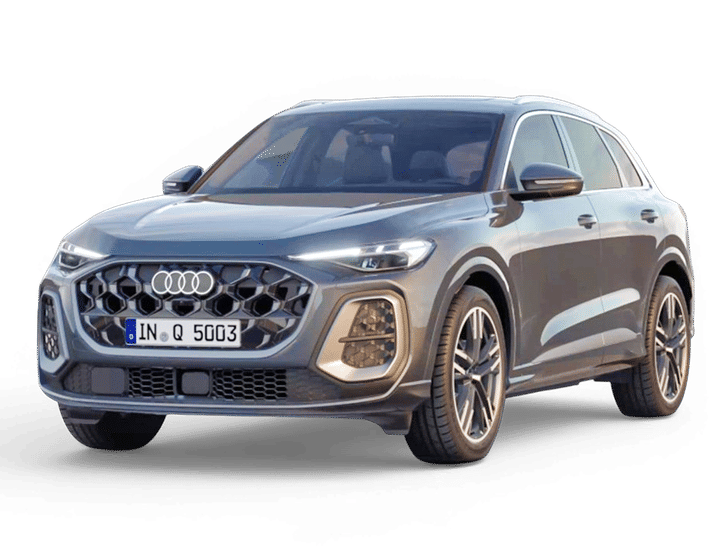
Audi
New Q5
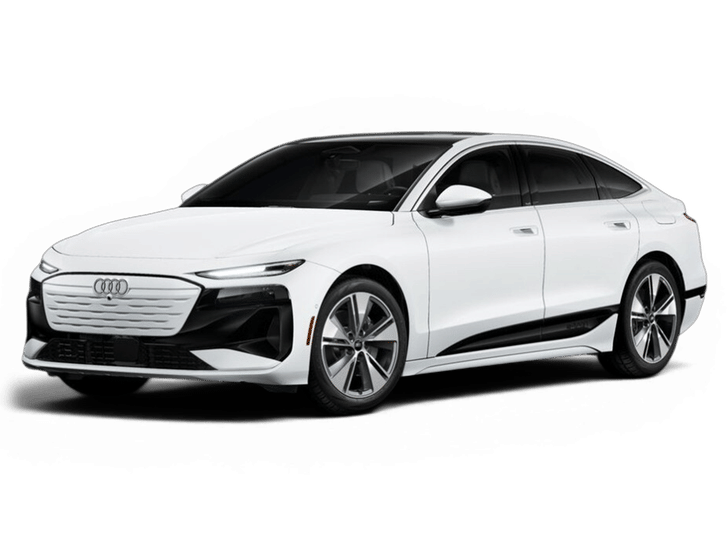
Audi
A6 e-tron
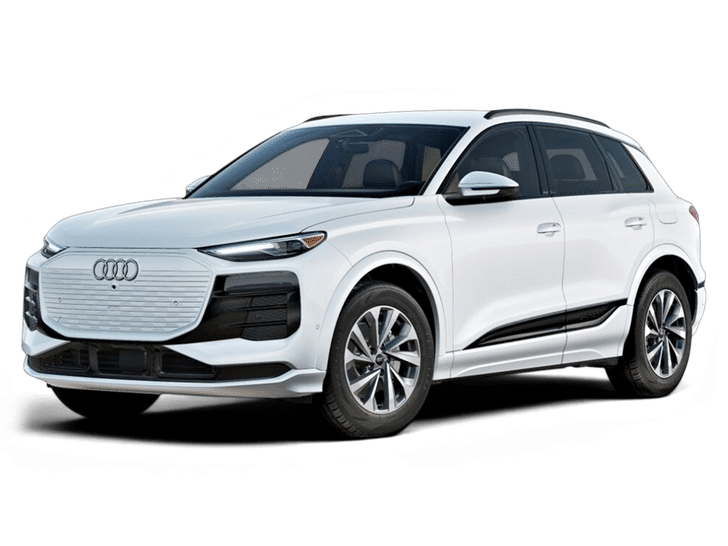
Audi
Q6 e-tron
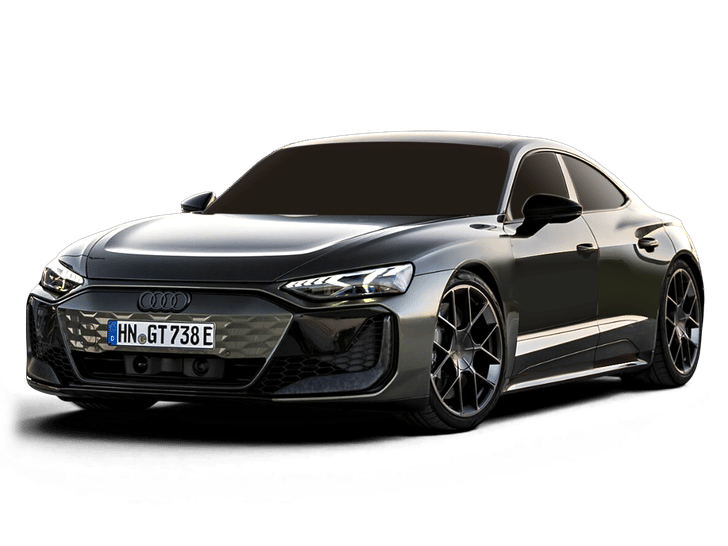
Audi
e-tron GT facelift
Volkswagen
Virtus facelift
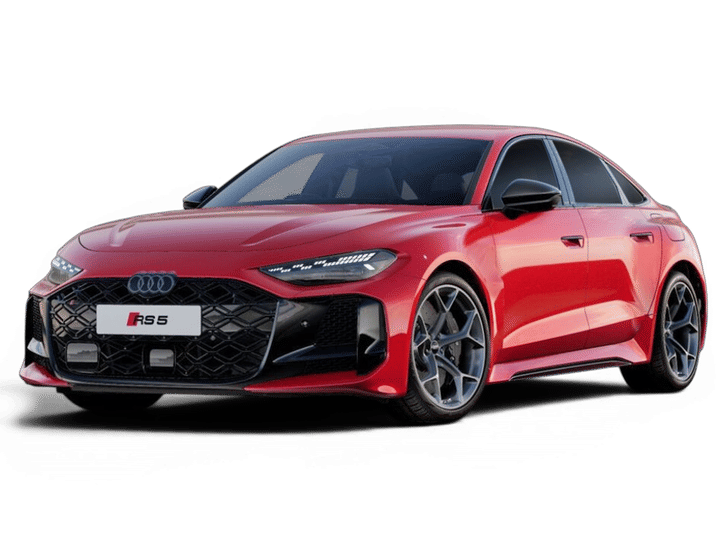
Audi
A5

Vinfast
VF5
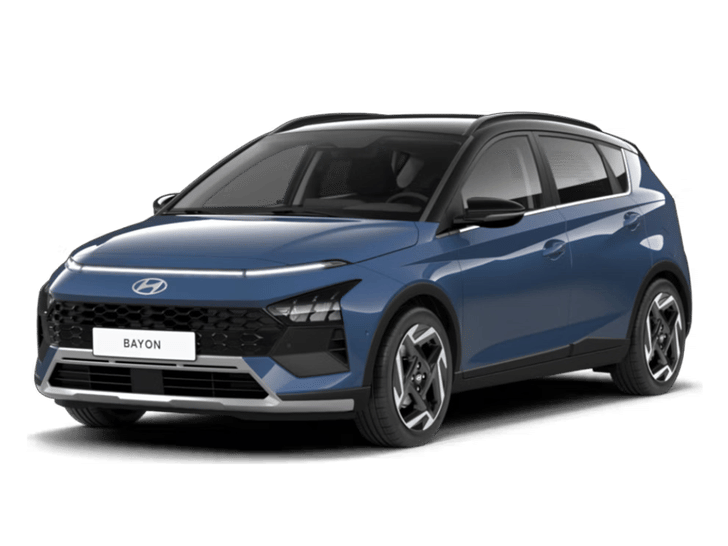
Hyundai
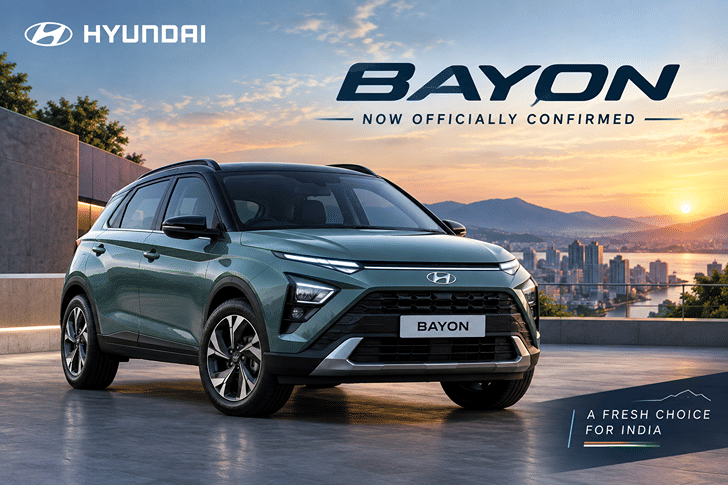
Bayon
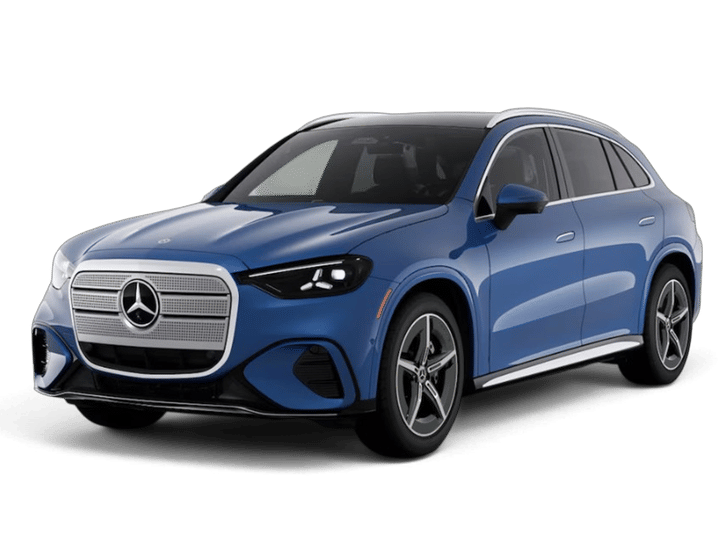
Mercedes-Benz GLC
Electric
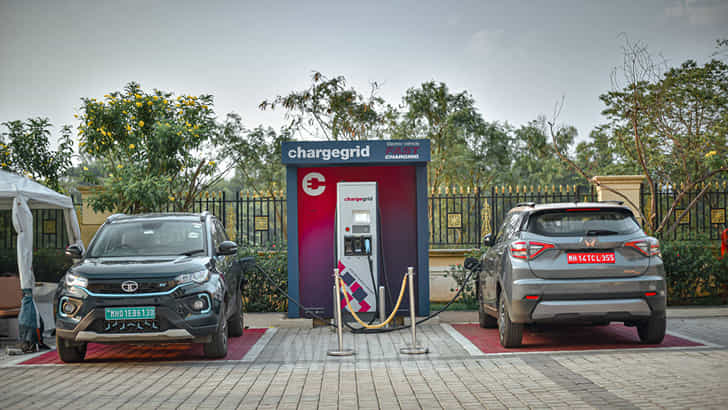
Kindly suggest me a car under a budget of Rs. 15-16 lakh running of around 4000km per month. I am confused between EV or diesel. Also, please let me know which car is reliable for maintainence?
With 4,000km a month, your running is extremely high, so low running costs become the top priority. The question is, do you have reliable home charging. If the answer is yes, then an EV is your best bet, with running costs being around Re 1 per km.Within your Rs 16 lakh on-road budget your best options are the MG Windsor EV Excite 38kWh, Kia Syros EV HTK Plus 42kWh and Nexon EV Creative 45kWh. Out of these, the MG Windsor is the biggest car with the roomiest cabin and largest boot. With a 38kWh battery, its real-world range will be the lowest between 260-310km. The Kia Syros EV is a surprisingly spacious EV, with high quality interiors, a sophisticated ride-handling balance and smooth, zippy performance. Its motor is very efficient, hence you can expect 320-340km of range. If you don't mind the way it looks, this is an EV you must seriously consider.The Tata Nexon EV has the largest battery pack and its real-world range of around 350km is the most too. It has been around for a while, and over the years, Tata has polished it and ironed out most inconsistencies, making it a mature offering.
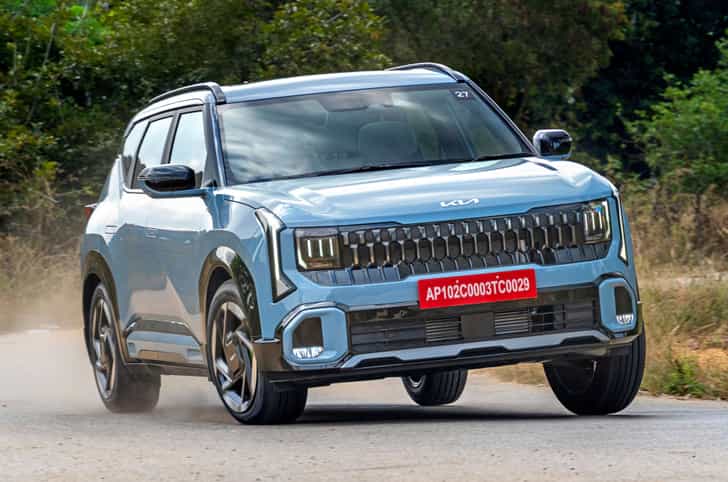
Hi Autocar Team, I am planning to buy a new car, with monthly usage of around 500 km in the city for office commuting and 0-1,000 km on the highway, depending on our holiday plans. We liked the new Kia Seltos HTK (Optional) and want to go for an automatic. However, we are confused about which powertrain to choose: diesel automatic, turbo-petrol DCT or naturally aspirated (NA) petrol IVT. We currently own a BS4 diesel Maruti Suzuki Swift in our hometown, so we would love a car that offers an exciting driving experience. However, we are concerned about potential DPF issues with BS6 Phase 2 diesel engines, especially with predominantly city driving. We are also worried about possible overheating issues with the turbo-petrol DCT in heavy traffic, while the NA petrol IVT did not feel particularly exciting to drive. Which powertrain would you recommend for our usage and driving preferences, given a budget of around Rs. 20 lakh? Thanks in advance!
Go for the Kia Seltos turbo petrol DCT. Your usage pattern is a mix of city commuting and occasional long highway runs, and you also want an exciting driving experience. The diesel automatic is a great engine, but with only 500 km a month in the city, you are right to be cautious about DPF issues. Modern diesels still need regular highway runs to keep the system healthy, and your usage is right on the borderline. The naturally aspirated petrol IVT is the most hassle-free option, but as you have already noticed, it is not particularly exciting to drive.The turbo petrol DCT is the best compromise. It is genuinely quick and fun to drive, and the DCT is not something to be overly worried about. Yes, dual-clutch gearboxes can get hot in heavy stop-start traffic, but the Seltos DCT is well engineered and will cope with normal city driving. The key is to drive it sensibly in traffic - avoid creeping for long periods; shift to N when at a standstill in traffic instead of keeping it in D. And use the brakes while stopped on an incline, rather than feathering the throttle. For your usage pattern, it is the most enjoyable and practical option.

Hi, I recently test-drove the new Audi Q3 and was quite impressed. However, given Audi's relatively low market share right now, could resale value be a concern? Also, would the BMW 3 Series be a better buy? I certainly like the performance of the 3 Series, but its cabin feels much smaller. The Q3, on the other hand, feels newer. Any advice?
If you are impressed by the new Audi Q3, we would not let resale concerns hold you back. While Audi cars don't hold value as strongly as Mercedes-Benz or BMW cars, resale values are finally influenced by the condition, mileage and maintenance history. The new Q3 comes to India within a year of its global launch and has fresh appeal outside and inside. The Audi is great to drive and also scores well on ride comfort. The higher seating position, cabin's versatility and added ground clearance over a sedan like the 3 Series also counts for a lot. The BMW 3 Series, on the other hand, is the better driver's car, with sharper dynamics and a more engaging driving experience. Do note that the BMW 3 Series is nearing the end of its life, and this would impact resale value down the road.Ultimately, it comes down to your priorities. If you value driving engagement above all else, the 3 Series is the better buy. If you want a premium car that feels new and is practical, the Q3 is the right choice. Based on your feedback, the Q3 sounds like the better fit.
Hello Autocar India team, I want to thank you for your First Impression articles, detailed reviews, podcasts and other content. Please continue with your impartial reviews. I currently own a 2015 Vento Highline Petrol and still fall in love with the car whenever I take it on long drives. Sadly, there doesn't seem to be much movement in the sedan segment. We can stretch our budget to Rs 40 lakh on-road. Our primary use will be planned or unplanned road trips, with limited city driving. EVs concern me because of battery life and charging infrastructure. Petrol cars are a concern because of E20 and the possibility of higher ethanol blending in the future. Hybrids haven't convinced me either. I also don't want to consider premium hatchbacks like the Creta and Seltos. We have narrowed our choices to the Jeep Meridian Overland or Compass 4x4, although Stellantis' long-term commitment remains a concern; the Kia Sorento Diesel AWD; and the Mahindra XUV 7XO Diesel 4x4. Please share your unbiased recommendation. Thanks and regards, Yashodhan Patel
Thank you for your kind words on our content.Of the vehicles on your shortlist, the Kia Sorento Diesel AWD is the best. It's got a strong diesel engine and a smooth gearbox, which make long journeys absolutely effortless. Kia has also packed the Sorento with features that uplift comfort levels inside. The third row isn't the best, though the Jeep Meridian and Mahindra XUV 7XO are also not great in this regard. Kia's proven reliability also makes the Sorento an easy model to recommend for your usage.
I’m planning to buy the new VW Taigun Topline MT as my first car. I’m a first-time buyer with no driving experience, but I’m genuinely interested in learning to drive and want a manual transmission rather than an automatic. My annual usage will be around 5,000–7,000km, mostly a mix of city and highway driving, and I intend to keep the car for 10–12 years. Safety is one of my biggest priorities, followed by looks, driving enjoyment and long-term ownership costs. Would you recommend the Taigun Topline MT over alternatives like the Hyundai Creta SX MT, Kia Seltos HTX MT or Duster Adventure? I’m choosing the Taigun because I like its looks, features and driving experience, but I want an honest assessment rather than a recommendation based solely on performance or enthusiast appeal. Would you go ahead with this choice in my situation?
As a first time buyer with no experience of driving, consider getting something smaller and more affordable to learn, practice and then upgrade to a car which you can keep and enjoy for 10-12 years. You could consider a sub-10 lakh hatchback first that'll be relatively easy to maintain/repair while you master the art of driving.If you still want to go ahead with the Volkswagen Taigun Topline MT, it is a solidly built, fun-to-drive car. The updated version gets an upgraded air-con which performs very well. Moreover, it is quite spacious yet relatively more compact than similarly priced midsize SUVs, so maneuvering and parking will be quite easy.The Hyundai Creta SX MT and Kia Seltos HTX MT are both excellent alternatives. They offer an airier cabin experience and are backed by their respective service networks, which are wider than VW's. Their 1.5 naturally aspirated petrol manual versions are more responsive in the city, as there is no dull zone before the boost comes in (turbo lag), as you will experience with the 1.0 Taigun; and their manual gearbox and clutch are smoother and effort-free compared to the Taigun's.That said, if your heart is on the Taigun 1.0 MT, go for it, but we'll also recommend you explore the option of buying a relatively smaller, cheaper car to learn and practice driving before spending on the Taigun.

I am planning to upgrade from my Hyundai i10. My daily commute is around 40 km in Chennai city, and I drive approximately 600 km on the highway once a month. I am considering the Tata Altroz diesel, with a budget of around Rs. 11 lakh. I am looking for a reliable diesel car with good mileage and low maintenance costs. I prefer a practical car without unnecessary fancy features. Please suggest the best options for my usage.
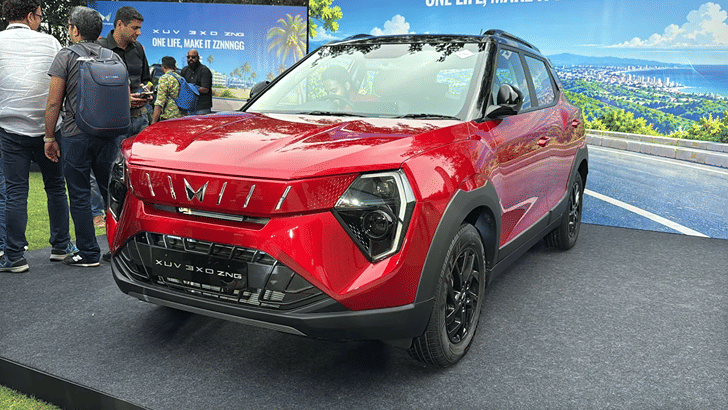
Given your usage pattern of 40 km daily city driving and a 600 km highway run every month, diesel does make sense, and the Tata Altroz diesel is a solid choice. It offers good fuel efficiency, a comfortable ride and a well-built cabin, and it is one of the few diesel hatchbacks still available in the market. The Altroz diesel remains a sensible option, but do keep in mind that Tata's service experience can be inconsistent depending on the dealership. If you are open to stretching your budget slightly, the Mahindra XUV 3XO diesel is worth considering. It offers a more powerful diesel engine, better highway performance and a more robust ownership experience. If you are strictly sticking to the Rs 11 lakh budget, the Altroz diesel is the best fit for your requirements. It is practical, efficient and well-suited to your usage pattern. Just make sure you are comfortable with your local Tata service centre before making the final decision.
I am confused between waiting for the Skoda Superb and going ahead with the purchase of the Toyota Camry. I am looking for an executive sedan that prioritises rear-seat comfort for my parents, who are senior citizens. Mercedes-Benz and BMW models are outside my budget. My last premium sedan was a Skoda Laura, before it was renamed the Skoda Octavia and eventually discontinued. This car will primarily be used for long-distance travel between two cities or towns. Should I wait for the Skoda Superb or go ahead with the Toyota Camry?
Go for the Toyota Camry. Your priorities are rear seat comfort for senior parents and long-distance reliability, and the Camry is the more sensible choice. The hybrid powertrain is smooth, quiet and efficient on highways, and Toyota’s reputation for reliability and service reach is a big advantage for long-term ownership. The rear seat is genuinely comfortable, with good legroom and a relaxed ride, which is exactly what you want for your parents on long journeys.The Skoda Superb is a fantastic car and arguably the better driver’s car, but your usage is rear seat comfort and reliability, not driving dynamics. The Skoda Superb will launch with a diesel engine, which would make it efficient, though we suspect the Camry might be more efficient still. It's also worth noting that Skoda has not confirmed a launch date as yet, so your wait could be longer than you'd like. Pricing remains a question mark too.
I currently own a 2025 Maruti Suzuki WagonR ZXi manual and am planning to move to my village, which is around 60 km from Vadodara. I need a 4WD vehicle, as I also want to do some off-roading. I am confused between the Force Gurkha and the Mahindra Thar 4x4. Which one would you recommend? I believe sales of the Gurkha have almost come to a standstill. Is Force Motors planning to launch an updated version of the Gurkha in the near future?
Go for the Mahindra Thar 4x4. The Thar is the better all-round choice for your needs. It is a genuinely capable off-roader, but it is also far more practical and comfortable to live with on a daily basis. The updated suspension on the Thar OG makes it more comfortable, while the move to electric power steering has also enhanced ease of use. The Thar also has a much stronger ownership ecosystem, better service reach and far greater long-term support. The Force Gurkha is a hardcore off-roader but feels cruder in just about every way. Also, the Gurkha is a niche product with limited sales, and will not get you the same aftersales support. Force Motors has not officially announced any major Gurkha update in the near future. Given your 60km commute and the need for a reliable 4x4 that can handle both village roads and off-road trails, the Thar OG strikes the right balance between capability and everyday usability.

I am planning to buy the Toyota Urban Cruiser Hyryder Hybrid. However, the car is over three years old, and there might be a facelift around the corner. Does it make sense to buy the current version this year? How would it affect me if I bought the car this year and Toyota launched a facelift next year? Please explain the pros and cons of buying the current version versus waiting for the facelift.
If you are happy with the Toyota Urban Cruiser Hyryder Hybrid today, do not let the possibility of a facelift stop you from buying it. The car is already a well-rounded package with strong hybrid efficiency, a comfortable ride and Toyota’s reputation for reliability. Furthermore, there are some handsome discounts going on the Hyryder hybrid right now, so you could end up getting a great deal. While the launch date of the updated Hyryder isn't certain, we expect it to be in 2027. This update will bring minor cosmetic updates, and possibly some new features, but the core hybrid powertrain and ownership experience are unlikely to change.In summary, unless you want the newest version, which will have some minor changes (mostly cosmetic), it makes more financial sense to opt for the current version at a substantial discount.
Hi Autocar Team, I am looking for an SUV for my family of four to five members. My current car is a Maruti Suzuki Celerio, and my maximum on-road budget is Rs. 24 lakh in Bangalore. My annual usage will be around 14,000 km, with a 40:60 split between city and highway driving. My priorities are an automatic transmission, comfortable seating, a good balance of performance and mileage, and a strong safety rating. Which SUVs would you recommend based on my requirements?
With 14,000 km of annual running and a 40-60 city-highway split, a diesel makes sense here, and the Mahindra XUV 7XO diesel automatic is the recommendation. It is one of the most comfortable and spacious SUVs in this price range, with a strong diesel engine that delivers good performance and efficiency on highways while remaining manageable in the city. The automatic gearbox is smooth, and the car feels stable and confidence-inspiring at speed, which is important given your highway usage. It is also a genuinely comfortable family car with a well-sorted ride and a strong safety package.While we are yet to drive the Renault Duster Hybrid, it could be another model of interest to you. Its hybrid powertrain promises excellent fuel economy in addition to the sorted ride and handling manners that make the Duster such a good long-distance machine. Our review drops in the coming week. Stay tuned!
Hi Autocar, when is the Virtus facelift expected to be launched?
Volkswagen is expected to launch the Virtus facelift in the coming weeks. The update will be a mid-cycle refresh, so expect revised bumpers, new alloy wheels, updated lighting elements and some tweaks to the interior, including an updated touchscreen and a revised digital instrument cluster. The engines of Virtus are expected to remain unchanged, with the 1.0 TSI and 1.5 TSI continuing as before. However, the 1.0 TSI will be offered with a new 8-speed automatic gearbox in place of the earlier 6-speed automatic unit. The changes will mirror Skoda's update of the Slavia and you can read Slavia facelift review. If you are considering the Virtus, it is worth waiting a bit longer for the updated car.
Need expert advice?
Ask the Autocar community and experts.