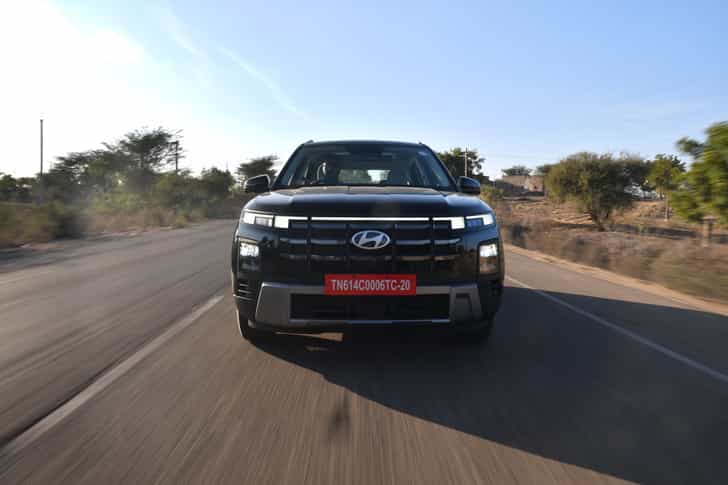
I’m a first-time car buyer in Bangalore, and I’m currently learning how to drive. Should I buy a manual car to learn how to drive a manual and then switch to an automatic for my next car, or should I get an automatic right away? I’m considering the manual Kia Syros and the automatic Hyundai Venue.

 Hyundai VenueKia Syros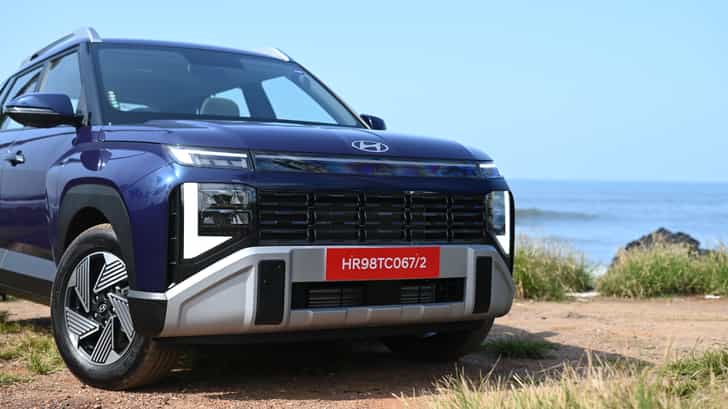
Hey, I’ve been thinking about purchasing a car for my parents. They’re first-time drivers, so they want an automatic. We live near a highway, so there will be a lot of driving on highways and decent roads. Our budget is up to Rs 12 lakh. I don’t want to consider the Baleno or Nexon. Which car would you suggest? I’ve been considering the Honda Amaze ZX CVT. Is its facelift coming soon?
Honda AmazeMaruti Suzuki Dzire
Upcoming launch buzz
Community discussions on upcoming launches
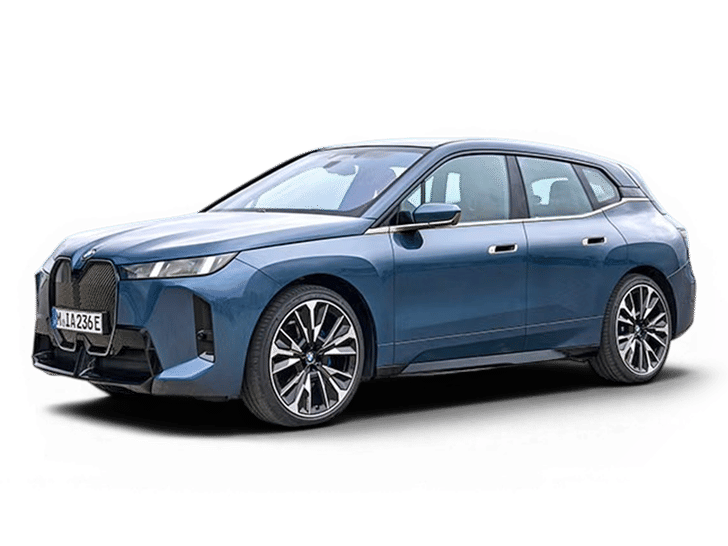
BMW
iX facelift
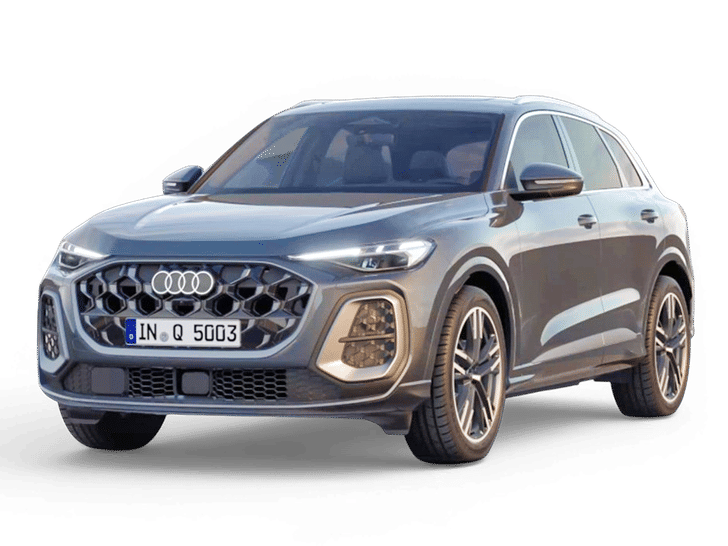
Audi
New Q5
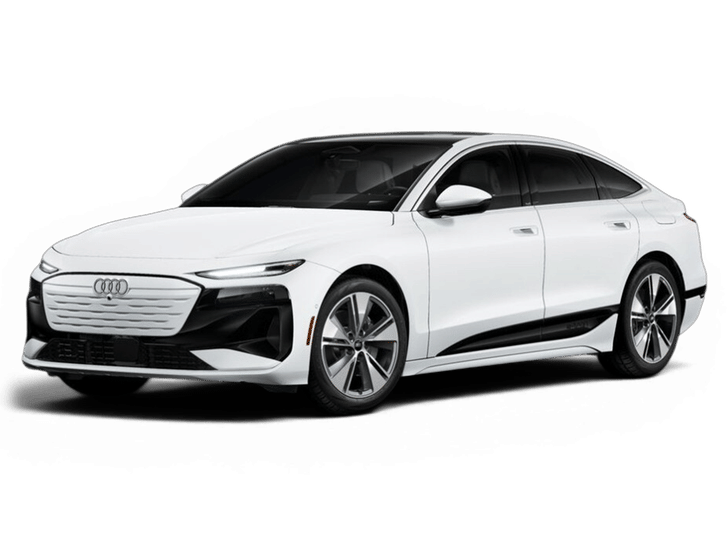
Audi
A6 e-tron
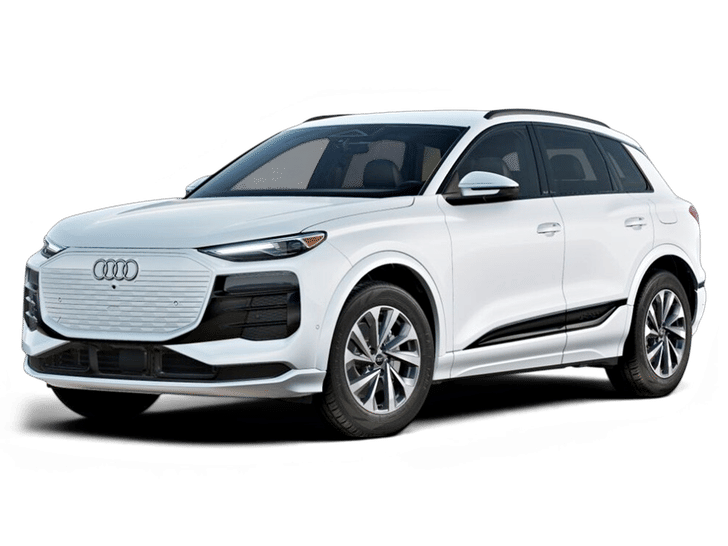
Audi
Q6 e-tron
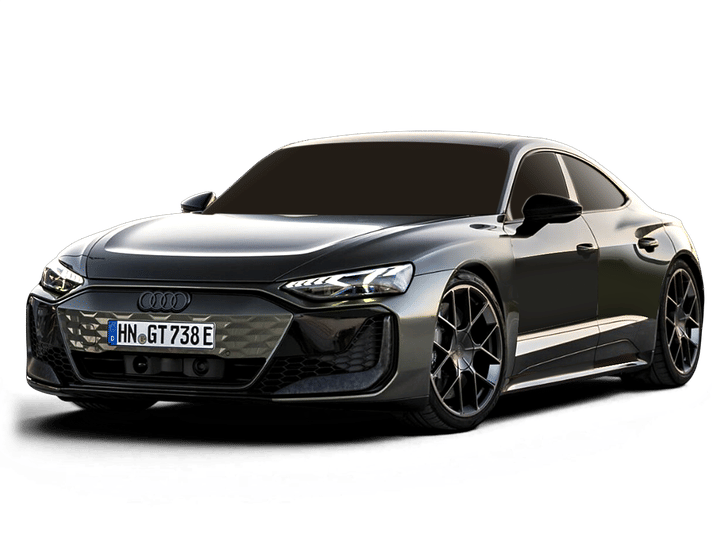
Audi
e-tron GT facelift
Volkswagen
Virtus facelift
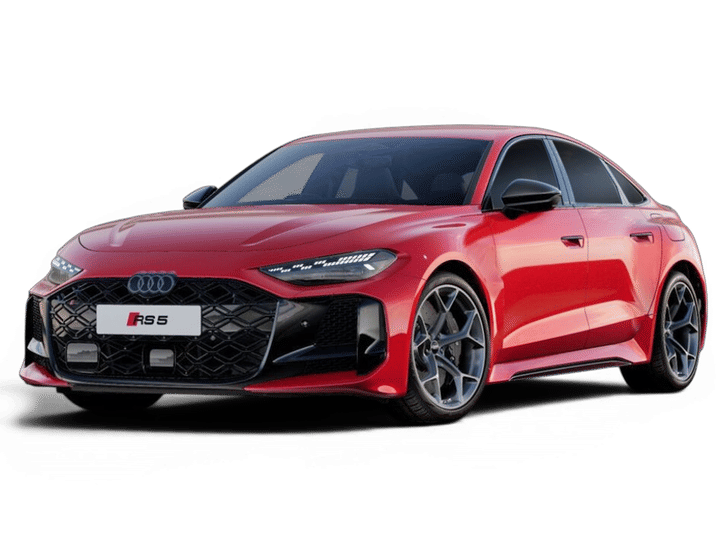
Audi
A5

Vinfast
VF5
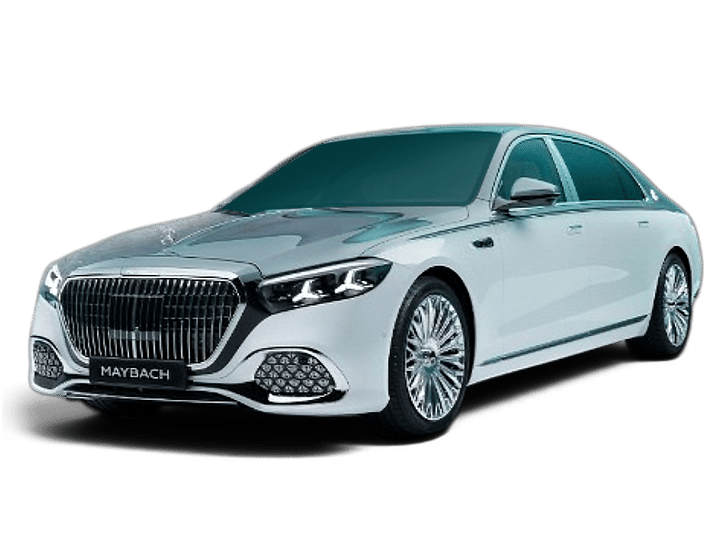
Mercedes-Benz Maybach
S-Class facelift
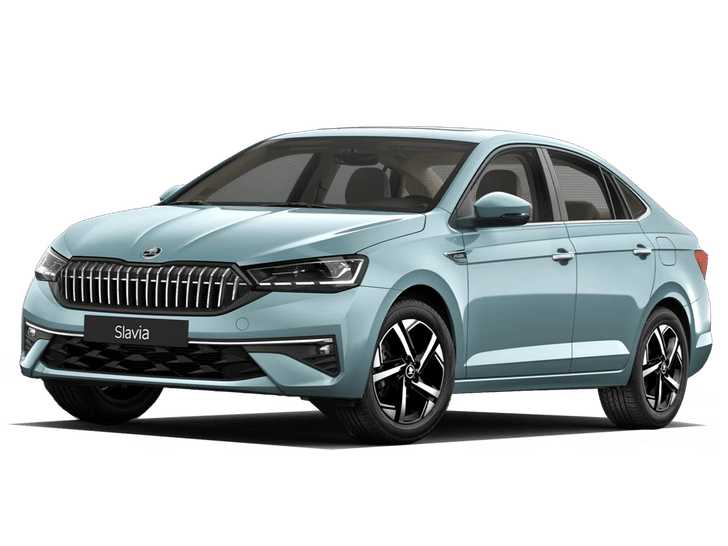
Skoda
Slavia facelift
I am a family of five and am actively looking for a big diesel car. Currently, I am driving Eon. I have finally shortlisted Crysta and Scorpio N Z8. I loved the performance of both engines with Scorpio N being more refined whereas Crysta offers better comfort and stability was good. My father is more inclined towards Crysta while I am leaning towards Scorpio. Should I be bothered by Crysta three-airbag setup?
Toyota Innova CrystaMahindra Scorpio N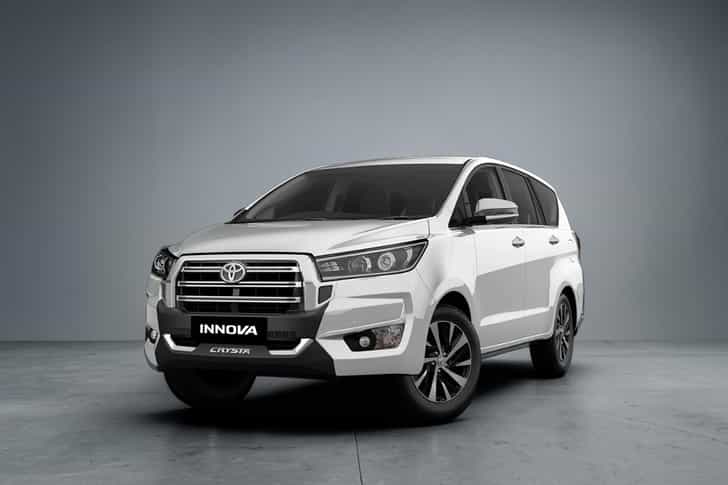
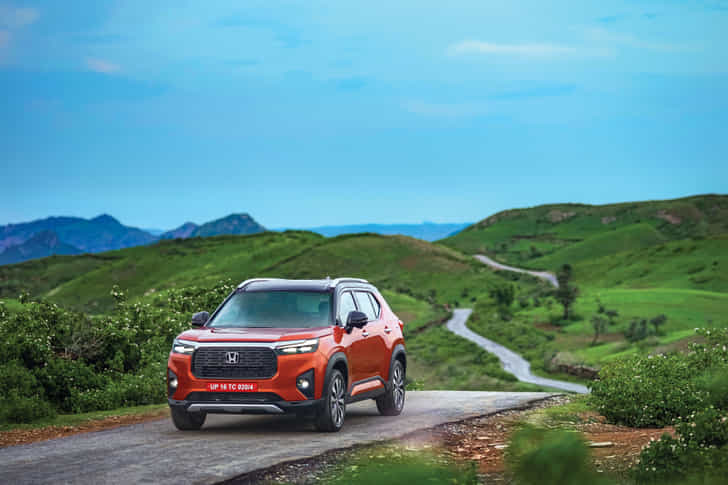
I am confused between Creta SX IVT and Elevate CVT for 8000 km of annual running with long trips of 1200 km 3-4 times in a year for a family of 4. Apart from this, day to day usage is less than 100km per month. I am looking for a car for long term ownership and travel comfort.
Hyundai CretaHonda Elevate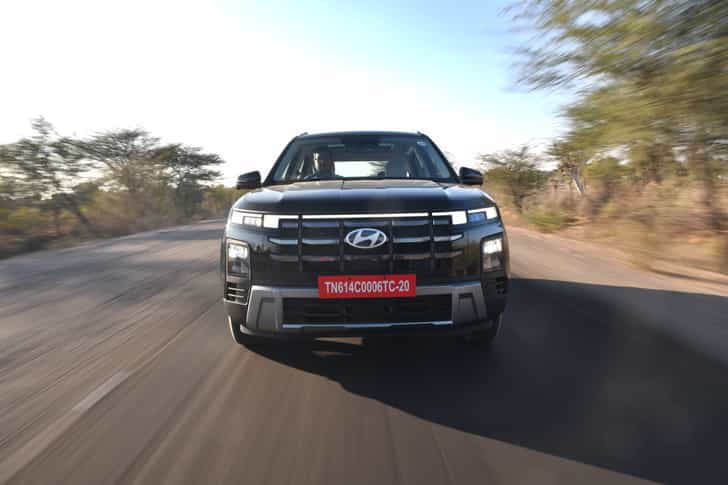
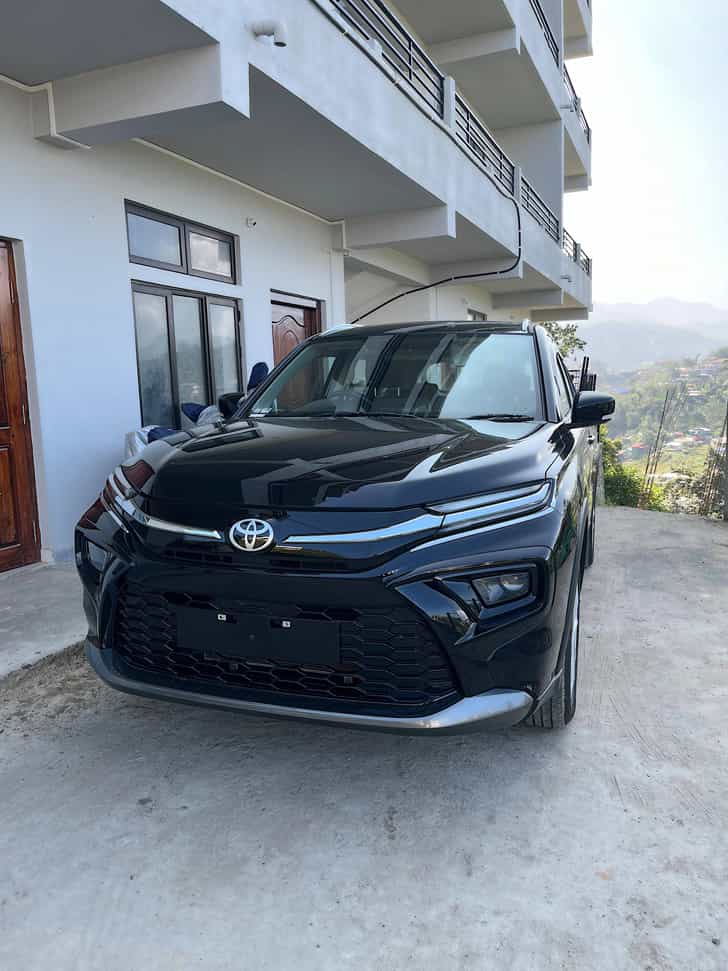
Since Toyota Hyryder Strong Hybrid does not come with a spare tire, I want to get it myself. But the problem is that although the Toyota dealerships in the entire region have the requisite stand available, the bolts required to fasten the stand with the chassis underbody are nowhere available as the manufacturer is not supplying the same for about last two months. How do I resolve it?
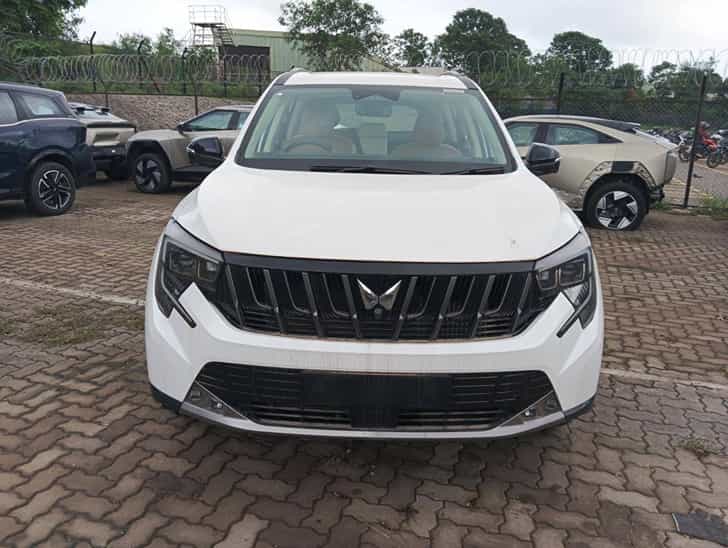
Maruti Suzuki Grand VitaraToyota Urban Cruiser HyryderI’m considering buying a brand-new 2025-manufactured Audi Q3 Sportback (E20-compliant) after being offered an on-road price of Rs 55 lakh. I’m getting a good deal as it’s an outgoing model, and I’m quite inclined towards going ahead with it. However, before I make the decision, I’d like your unbiased expert opinion: does the Q3 Sportback at this price make sense, or should I reconsider and look at other options such as the Mahindra XUV 7XO (space is not a priority, as we are a family of four)? Also, are there any specific concerns with buying a 2025-manufactured outgoing Q3 in 2026 that I should consider?
Audi Q3 SportbackMahindra XUV 7XO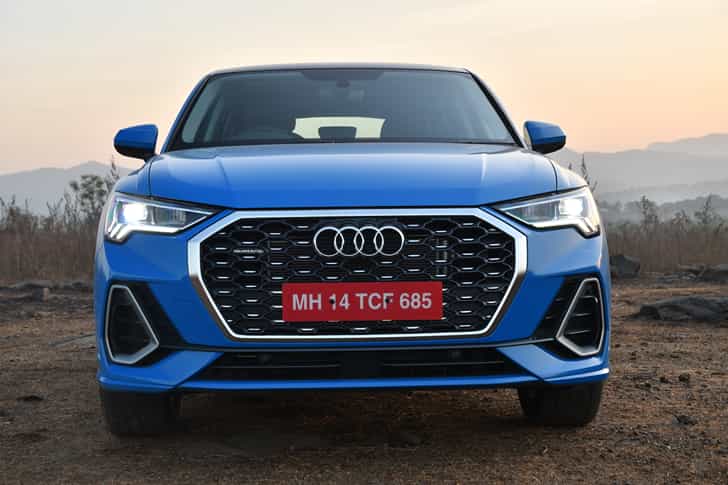
I have a budget of Rs 12 lakh and am planning to buy my first car. I will mainly drive in the city around two days a week, with occasional outstation trips. Since petrol prices are increasing, should I spend around Rs 1 lakh extra on a CNG variant, or would it be better to buy a petrol car and save that Rs 1 lakh? Considering my low usage, fuel-cost savings, maintenance, driving experience, resale value and the fact that I am a beginner learning to drive, which option makes more financial and practical sense?