
Latest questions answered by experts
Dear Autocar India Team, I need your expert advice on whether switching to a diesel or strong hybrid automatic car makes financial sense given my high monthly running. My Current Cars: 1. Hyundai i20 Asta (O) Petrol Manual - 9 years old, 81,000 km, good condition (currently a backup car). 2. Honda Amaze VX Petrol Automatic - 2 years old, 43,000 km, good condition. My Requirements: - Monthly running: 3,000 km (approximately 36,000 km annually). - Driving pattern: 90% highway. - Transmission: Automatic only (manual not possible due to a knee issue). - Budget: Rs. 12-14 lakh. No ADAS required. Not a fan of fancy features like Sunroof etc My Questions: 1. Is switching to a diesel automatic or strong hybrid genuinely economical for my usage? 2. Which option offers better long-term savings considering fuel, maintenance, depreciation and resale value? 3. Should I sell my i20 or Honda Amaze to fund the upgrade? 4. Which automatic car would you recommend within my budget? Since both my existing cars are in good condition, I want to make a financially sensible decision rather than upgrade unnecessarily. Or Should I continue with the same cars. My first car was sold by me after using 180000 km Maruti Astar. Looking forward to your unbiased expert recommendation. PRATHAMESH from Ratnagiri, Maharashtra
At your running of around 3,000km a month, a diesel automatic does make financial sense, particularly with 90% of your driving on highways. Cars such as the Hyundai Venue and Kia Sonet offer diesel automatic options within your budget. However, modern diesel engines paired with torque converter automatics do not necessarily deliver a sufficiently large efficiency advantage over your existing petrol automatics to justify changing cars purely for fuel savings.We would actually suggest considering a strong hybrid instead. If you are willing to sell one of your existing cars and increase your budget, the Maruti Suzuki Victoris strong hybrid and the Renault Duster hybrid are worth looking at. While strong hybrids deliver their biggest efficiency gains in city driving, they will also prove to be considerably more efficient than conventional petrol automatics or diesel automatics on highways. The Victoris or the Grand Vitara, in particular, offers a good combination of efficiency and ownership convenience.As for your existing cars, the two-year-old Amaze is still relatively new and in good condition, while the i20 has already served you for nine years. If you decide to upgrade, selling the i20 and retaining the Amaze as a backup would be the more logical approach.
Hi, We're looking to buy a new EV for our family of four adults to replace our five-year-old Tata Nexon EV. The car will be used only for city driving in Bengaluru, covering 15-20 km a day. We're looking for a stylish yet practical city car with good rear-seat comfort, and our budget is up to Rs 50 lakh. Our other car is a Toyota Innova Hycross hybrid, which is a little too large for smaller roads. We'd appreciate your advice!
For your requirements, the BYD Sealion 7 would be our primary recommendation, with the Atto 3 as an alternative if you prefer something smaller and easier to manoeuvre around Bengaluru.The Sealion 7 offers an excellent combination of space, comfort and premium appeal. Its cabin quality and fit and finish are impressive, while the rear seats are particularly comfortable, with generous legroom, good cushioning and recline adjustment. It also has a large boot, making it a practical family car for four adults. The smooth performance and well-equipped cabin add to its appeal. The BYD Atto 3 is worth considering if you want a more manageable city car. It has a comfortable cabin, good rear legroom and a relaxed driving experience, while its smaller dimensions make it easier to navigate narrow roads and parking spaces. However, it doesn't feel quite as premium or spacious as the Sealion 7.
Upcoming launch buzz
Community discussions on upcoming launches
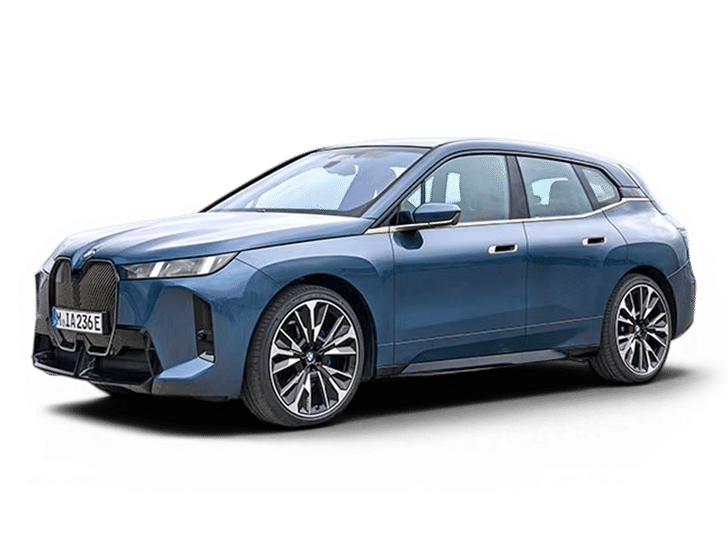
BMW
iX facelift
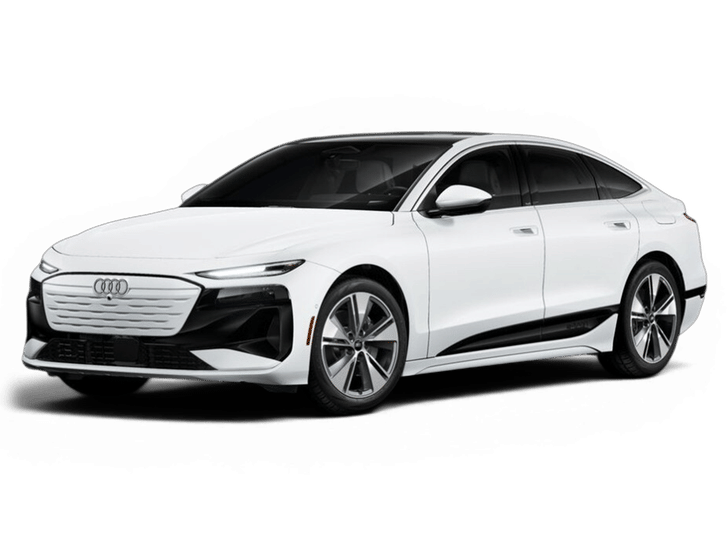
Audi
A6 e-tron
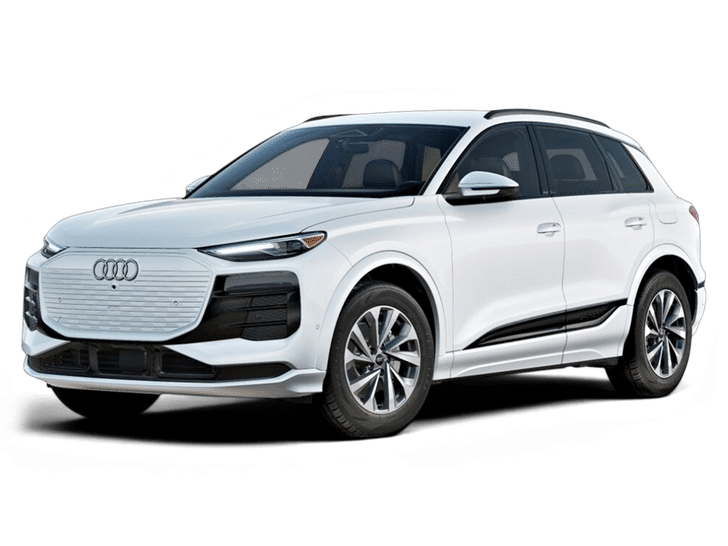
Audi
Q6 e-tron
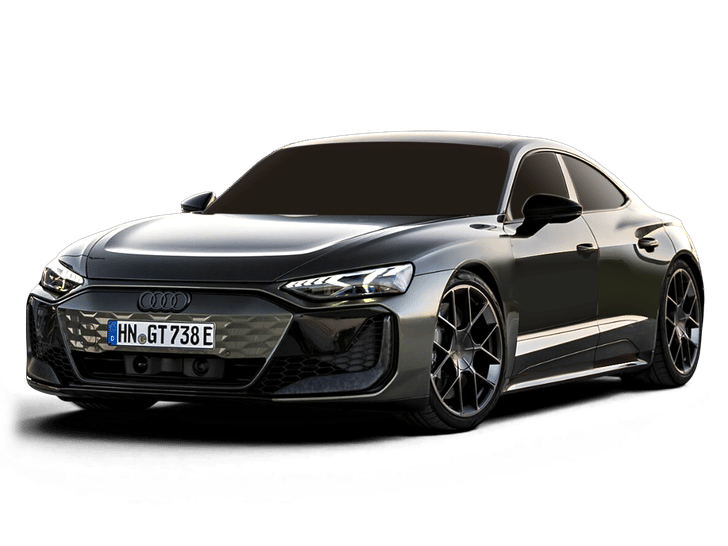
Audi
e-tron GT facelift

Vinfast
VF5
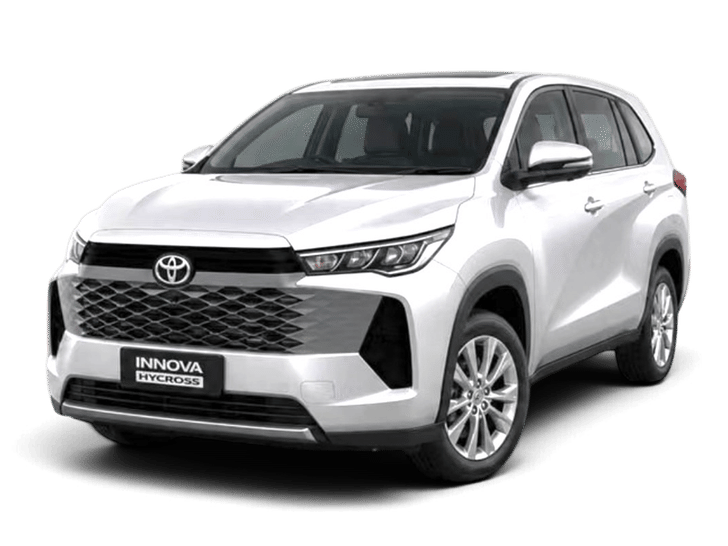
Toyota
Innova HyCross facelift

Mini
Cooper Electric
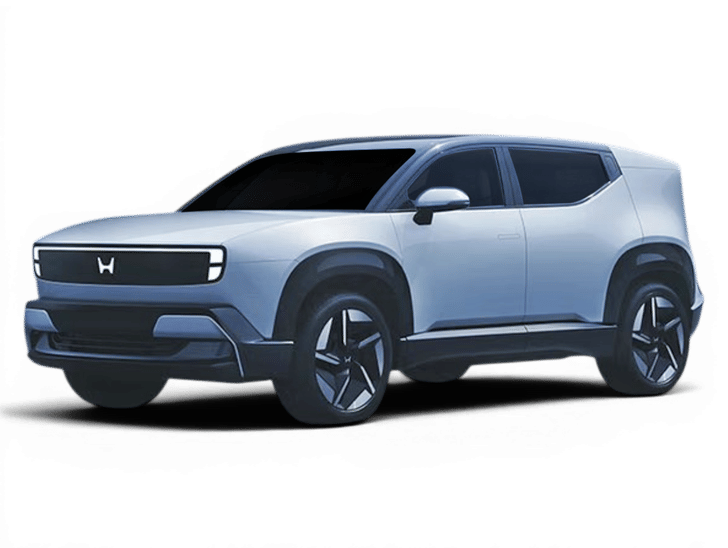
Honda
ALPHA
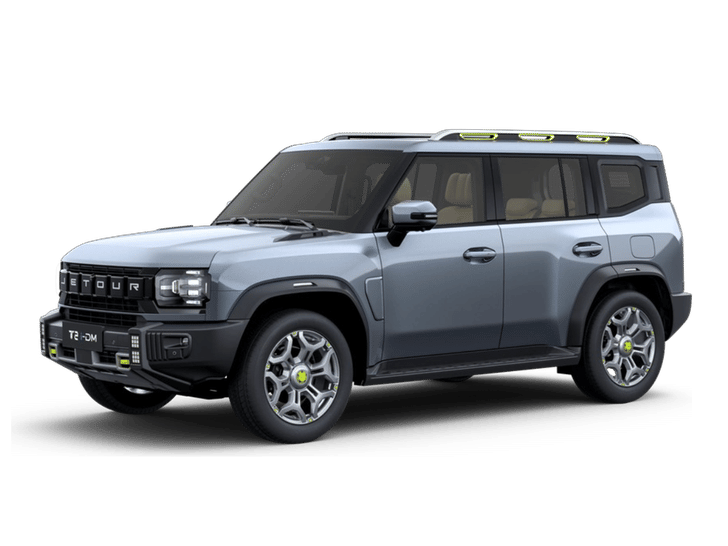
JSW Motors
Combat
Volkswagen
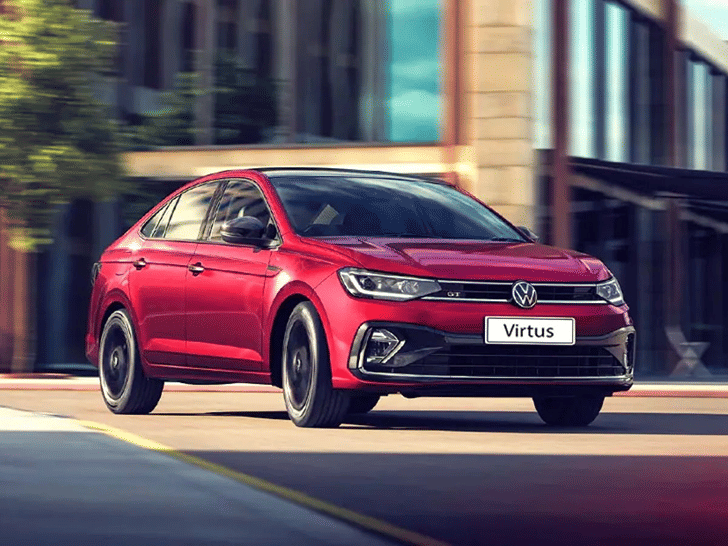
Virtus facelift
Still have more question?
Get answers from Autocar experts and owners
- 9,000+discussions
- 20,000+users online
- 10,000+members
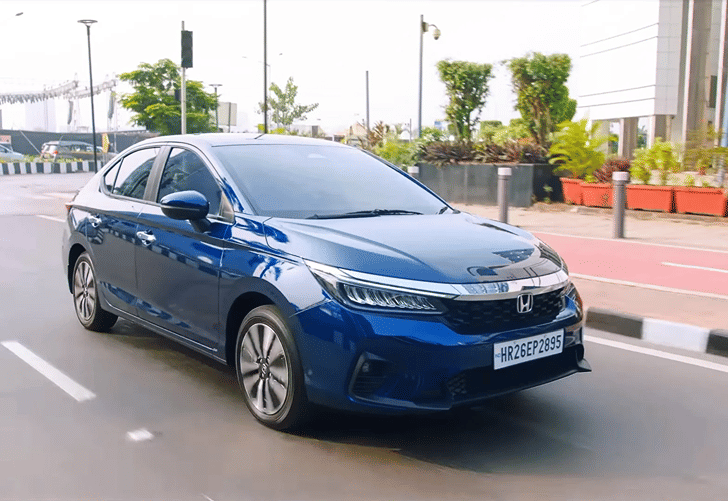
I was initially planning to buy the Kia Seltos, but I realised that I drive 90% of the time in the city and cover only around 700km per month. My only concern is that this will be my only car. If an EV is a suitable choice, which one would you recommend under Rs 20 lakh?
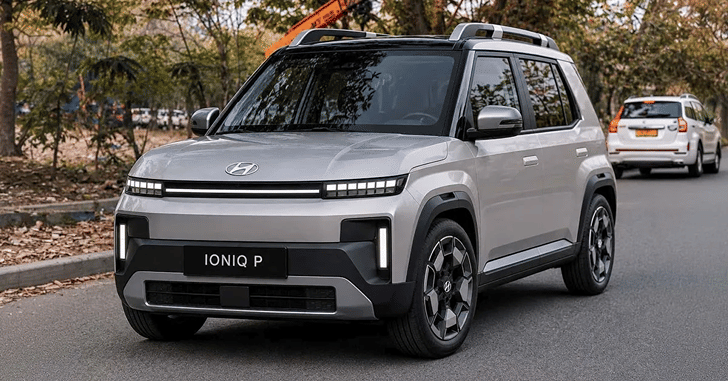
If you want to stick with Kia and are considering an electric car, the Syros EV would be a very good option to consider under Rs 20 lakh. Despite being smaller than the Seltos, the Syros makes excellent use of its interior space. The cabin feels premium, the rear seat is spacious, and the overall interior ambience is impressive. It also has strong performance, with its electric motor delivering 171hp and 255Nm.Importantly, in our real-world range test, the larger 51.4kWh battery version returned 489km in the city, 316km on the highway and an overall average of 402km. This is particularly encouraging for your usage. You should comfortably manage your weekly commute without needing to charge frequently.Go for the Syros EV Extended Range if you have access to home charging. It offers the space, performance and premium cabin experience you are looking for, while being considerably better suited to your predominantly city usage.
With the tentative price of Rs 30-40 lakh being floated for the JSW Combat, don't you think this is too high for a new brand and a five-seater with moderate power and capacity? Some are even quoting an on-road price of over Rs 45 lakh for the top variants. At that price, it would be competing with the Toyota Fortuner. Wouldn't pricing the JSW Combat above Rs 30 lakh risk making it a major flop?
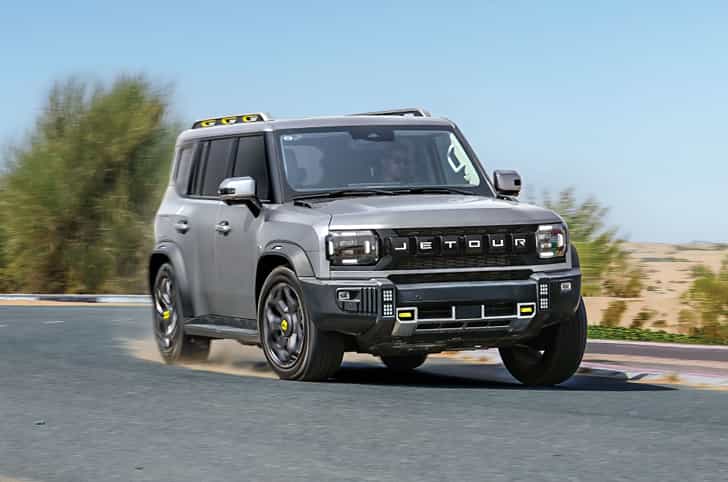
I wouldn't dismiss the JSW Combat purely on the basis of its expected price. It is a very different proposition from a conventional SUV like the Toyota Fortuner. The Combat is a plug-in hybrid, combining a turbo-petrol engine with two electric motors, and the India-spec version is expected to produce around 360hp and 610Nm. That is hardly modest performance. It also promises the ability to cover daily commutes on electric power while retaining the flexibility of a petrol-hybrid powertrain for longer journeys. Its technology package, spacious cabin and distinctive, rugged design give it a different appeal. Our drive of the Jetour T2, on which the Combat is based, also highlighted its strong, refined powertrain and impressive road presence. However, it isn't a direct replacement for the Fortuner if you want a traditional ladder-frame SUV with proper off-road capability, especially since the India-spec Combat is expected to be front-wheel drive. The ride also needs further refinement, and the air-conditioning performance was disappointing in our evaluation when we drove the car in Dubai.The bigger challenge for JSW is establishing credibility as a new brand and convincing buyers about its service network, reliability and long-term ownership costs. At Rs 30-40 lakh, it could offer a genuinely interesting alternative to established SUVs. If the top variants cross Rs 45 lakh on-road, expectations will naturally be much higher. It isn't necessarily overpriced simply because it is a five-seater or because it costs as much as a Fortuner. The technology and performance on offer are fundamentally different. But JSW will need to get the pricing right and back the product with a strong ownership experience.

Hi Autocar team, I'm upgrading from a 5.5-year-old Maruti Suzuki Ertiga, which has covered 35,000km, in Chennai. I'm torn between the Kia Sorento Hybrid 7-seater (HTK, HTK(A) or HTX) and the fully loaded Mahindra XUV 7XO AX7L. My budget is Rs 30-32 lakh, but I'll stretch it for the Sorento only if the premium is genuinely justified. I drive myself and cover around 6,500km a year. Most of this involves solo weekday city commutes of 15-20 km, weekend city runs with 4-6 people, and occasional highway trips with five adults, a child in the third row and luggage. My non-negotiables are a 7-seater with a 360-degree camera (ADAS would be nice), low driver fatigue and a planted ride (my children get carsick), great middle-row comfort, and reliable, glitch-free ownership for 5-6 years. My questions are: At my annual mileage, the hybrid's fuel savings will be small. So, the Rs 10-18 lakh premium is really for refinement and ride quality. Is that worth paying over the XUV 7XO? Given my short city trips, should I choose the 7XO petrol AT over the diesel to avoid DPF problems? If I choose the Sorento, which variant should I consider: HTK, HTK(A) or the AWD-only HTX? Also, is boot space an issue with the third row in use?
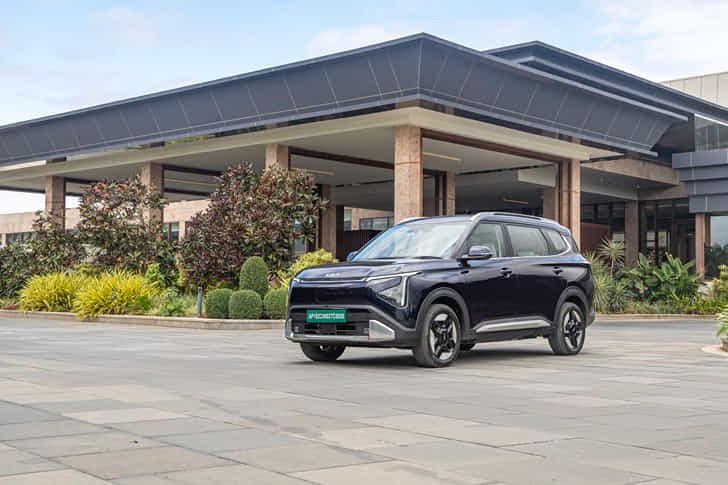
As you stated, at your level of driving per year, you are unlikely to recoup the extra outlay for the hybrid Kia Sorento; in that sense, the Mahindra XUV 7XO would work, and the AX7L would meet your requirements for a 360-degree camera, ADAS, and a generally planted ride. However, the Kia Sorento furthers this with a better ride and handling balance and a much higher level of cabin plushness and fit and finish.Your requirement for hassle-free, long-term ownership could also be better served by the Kia. Apart from being a well-engineered and reliable product, Kia dealerships generally offer a better and more consistent level of service quality. Since your children feel car sick easily, seat them in both cars and ask which offers them a better and larger view outside; keeping a view of the outside and the horizon does help reduce car sickness. If you can take them for a small drive too. All in all, the Mahindra car will meet your needs and fit within your budget, but if you decide to stretch for a Sorento, it will deliver your money's worth.
I confused among Hyundai Venue HX 5 Turbo DCT or HX6 or Mahindra XUV 3XO AX5. Which is best for cities considering that it should be value for money, have low maintenance and service cost?
Both cars would be fine in the city, with a compact enough footprint for easy maneuverability and also decent levels of space inside. If however your driving conditions are in very heavy constant start-stop traffic then the DCT gearbox of the Venue is not ideal; the shifts may not be as seamless as the torque convertor gearbox of the Mahindra 3XO which would feel smoother and would manage heat and low speeds conditions better. In the aspect of maintenance and service, you would likely be better off with the Hyundai given that their dealer service quality is of a generally better standard and more uniform across the country. Thus, if traffic around your area is not extremely heavy, you can opt for the Venue.
I own a 2011 Bolt XM diesel that has clocked over 71000km. Is the car mechanically at the end of its life? My daily is from home to office and vice-versa with almost no highway driving. I have driven only diesel cars including Vista Aqua diesel and Bolt diesel.
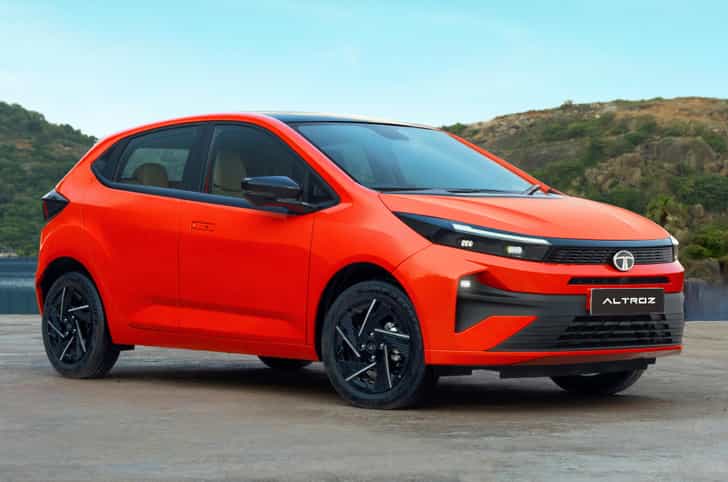
Going by the kilometers that your car has covered, 71K is certainly not a lot where you would have to think about the end of its life. There is no hard set kilometer limit for a car's end of life and there are many examples of cars clocking well above 1 lakh kilometers and some over 10 lakh kilometers too. It all depends on the running condition. If your yearly repair spends are very high, say nearing half the resale value of the car itself, then it would be a good time to sell it. As for a new car, if you want to stick with a diesel hatchback, the only car on sale in the country is the Tata Altroz, which would make for a logical replacement. If you do want to look at a larger option then the Tata Nexon, Kia Syros or Hyundai Venue could be good options.

I am looking to buy the Skoda Kodiaq as I wanted a large European standard SUV. I’ve been a VW loyalist with the Virtus, Taigun and Polo in use currently. Should I go ahead and buy the L&K now or will the EU India FTA get the Kodiaq RS in similar budget soon?
We would recommend that you go ahead and buy an L&K variant of Kodiaq right now rather than waiting for the possibility of a lower-price RS. Skoda has loaded the L&K up really well with features and luxury kit for India, and in this second generation especially, build quality on the SKD assembled SUV is closer to European standards than ever before. While there is a chance of a price reduction with the EU FTA, there has been no confirmation of this yet, nor of when it could happen. Either way, for positioning reasons, the price will never drop lower than that of the L&K. If you're willing to take a chance, and you're really keen on the added performance from the 2.0-litre engine, you could wait and see, but we feel the L&K offers 90% of what you need at a more affordable price, right away.
Still have more question?
Get answers from Autocar experts and owners
- 9,000+discussions
- 20,000+users online
- 10,000+members
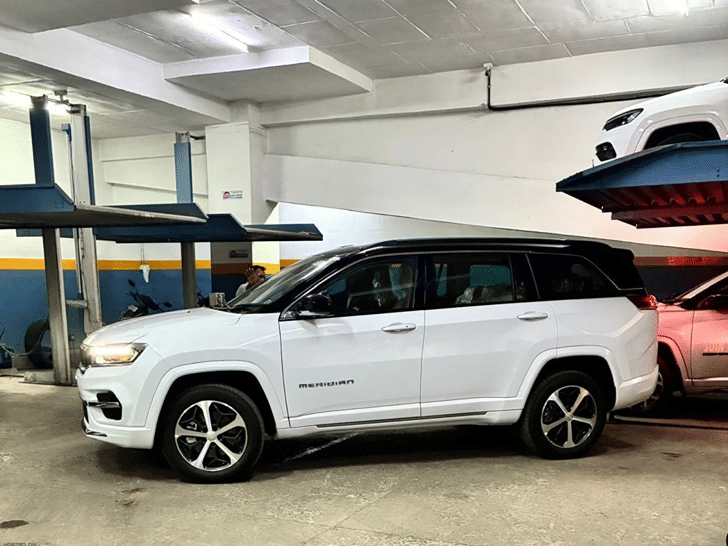
Hi, I am currently driving Kia Seltos GT line DCT Petrol (2021 November Model) with updated logo. Iam now planning to change my car for running around 10000 km of annual running in mostly local city driving with no or rare highway driving. I have my other fleet of cars for highway . So, I am confused between Honda Elevate ZX plus (top varient) and New Kia Seltos HTX DCT petrol. I need your suggestion for choosing the better option for myself.
Since you have other cars that are used for the highway, it's best to choose an SUV that's suitable for city driving. In that respect, out of your two choices, we would recommend the Honda Elevate ZX+ CVT as its powertrain is better for this usage. The CVT gearbox is much smoother at low speeds than the DCT in the Seltos and the naturally aspirated petrol engine is responsive and progressive across its powerband. While the new Seltos turbo petrol feels like a logical update from your 2021 model, due to its more powerful 1.5-litre engine, larger cabin and updated tech, the DCT gearbox isn't as smooth as the Elevate's CVT. However, since this car is intended mainly for city use, we recommend trying out the Seltos with the 1.5-litre naturally aspirated petrol and IVT gearbox. It's not as powerful as the Honda's engine, but it is smoother and more refined, and the new Seltos on the whole is the superior SUV. This should give you the best of both worlds.
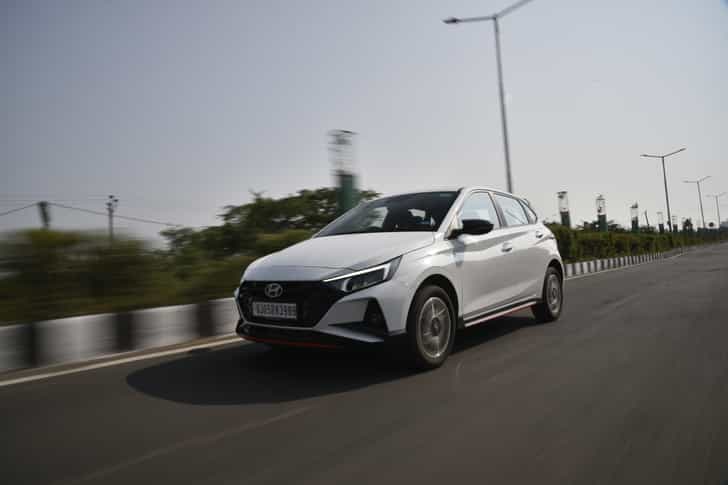
I am looking for a suitable car for senior citizen in tier-2 city for low to moderate running. I am confused between Hyundai i20 Sportz Optional IVT and Altroz Creative S DCA. Which one should I buy?
Both hatchbacks are excellent options for your usage. The Altroz, though a bit more expensive, has an edge on features with a larger touchscreen and a 360-degree camera. It also has the larger boot and a 5-star NCAP crash test rating, which the i20 does not have. However, the i20 has the better powertrain. Its engine is more refined and more efficient, and its IVT gearbox is far smoother than the Altroz's DCT gearbox, especially around town. Plus, Hyundai's service has been known to be more reliable in the long run, which should give you peace of mind over your ownership period. Thus, overall, we'd pick the i20 Sportz (O) IVT in this case.
Hi, I am currently driving a 2017 Honda WR-V i-DTEC. Due to restrictions in Delhi-NCR (although I am not exactly living in Delhi, Noida or Gurgaon), I want to switch to a petrol automatic car. I have Duster 1.3 Adventure DCT and Seltos HTK(O) DCT in mind. What is your take, or can you sugget any other car considering 1000km of monthly running which is 65% within city and 35% on highway. Most highway trips are with my family of 4.
Both your shortlisted choices are excellent options, each with their pros and cons. The Duster is the more interesting and exciting choice, with its punchier, more characterful turbo-petrol engine, comfier ride quality and more engaging handling dynamics. The Seltos, however, excels on space, interior quality and technology and ease of manoeuvrability, with slightly better real-world fuel efficiency numbers. There is one small advantage the Duster has is that its DCT gearbox is a wet-clutch unit, as opposed to the dry-clutch DCT in the Seltos. This allows it to be a bit smoother off the line and more resistant to overheating in stop-and-go traffic conditions. The difference is small, but noticeable, and given your largely city-focused use, this could make a difference. However, you could alternatively opt for a CVT-equipped compact SUV like the Seltos 1.5, the Hyundai Bayon or even the Honda Elevate, which provide a much smoother gearbox experience around town, at the cost of some highway performance on your occasional trips with your family.
Still have more question?
Get answers from Autocar experts and owners
- 9,000+discussions
- 20,000+users online
- 10,000+members
Dear sir, I am Satish from Bangalore and am planning to buy a hybrid SUV automatic under a budget of Rs. 20 lakh to Rs. 27 lakh. Kindly suggest a car to buy. My annual driving will be under 10,000 km.
There are quite a few hybrid SUVs available in this price bracket today, including a PHEV or plug-in hybrid. However, given your relatively low usage, a PHEV seems like an overkill and a strong hybrid SUV should be enough. Here, your choices are between the Renault Duster hybrid, Maruti Suzuki Victoris, Grand Vitara and Toyota Hyryder, which are essentially the same car sold from different dealerships. The Duster has the advantage of a more powerful hybrid powertrain, a larger battery and therefore greater fuel efficiency overall. It also has a more comfortable ride quality and better road presence. However, given you're based in Bengaluru and assuming most of your driving is around town, Maruti or Toyota car, depending on your preference might be a better bet. It's easier to manoeuvre around town, powerful enough and just a bit more compact, which are benefits that matter in traffic. Plus maintenance is likely to be more affordable and hassle free too.
Hi, I'm Sajit from Bangalore. I currently drive a Ford Figo 1.5L Diesel Manual and am looking to upgrade. My requirements: - Budget: Rs. 15 lakh, extendable to Rs. 20 lakh if necessary - Preferred body style: Mid-size SUV or 7-seater - Preferred transmission: Diesel automatic with torque converter - Annual running: Around 10,000 km, with 70-80% city driving and 20-30% highway driving Cars I'm considering: - Kia Carens - Kia Seltos - Mahindra Scorpio N / Thar Roxx - Renault Duster Hybrid - Open to other recommendations (excluding Maruti), including well-maintained preowned cars and EVs Features and priorities: - Spacious rear seating and good boot space. - Ventilated seats and 360-degree camera - Rear window sunblinds - Comfortable, plush ride quality, preferably with drive modes - Good fuel efficiency, reliability and after-sales support - Sunroof and advanced ADAS features are not priorities My concerns: - The first-generation Kia Seltos felt somewhat firm over bumps during my test drive. - My initial showroom interactions with Tata and Mahindra were not particularly reassuring when I test drove XUV 700, That Roxx, Sierra although I loved Thar Roxx and XUV 700. - I am unsure about EV charging infrastructure for occasional highway trips. Questions for Autocar: - Which SUVs or 7-seaters would you recommend? - What used-car models, model years and mileage should I look for? - What should I check when buying a used diesel automatic? - Would a petrol hybrid make sense for my usage? - Are there any models or engine-transmission combinations I should avoid? - Would an EV be practical for my requirements?
If you're open to electric and can charge at home, consider the Kia Carens Clavis EV. It is a spacious, efficient and sensible electric seven-seater. For your daily usage even the smaller battery (42kWh) version should be more than adequate, and even for highway drives of around 300km should be comfortably manageable without worrying of charge along the way. That said, you will have to extend your budget substantially for a higher variant if you want ventilated seats and a 360-degree camera. An excellent pre-owned option is the Mahindra XUV700 diesel-automatic. Do keep in mind that ventilated seats were only introduced in 2023, in the top-spec AX7L variant, for which you might have to spend around or a little more than Rs 20 lakhs in Bengaluru.If you want something that's more city-friendly and efficient, look at a pre-owned Hyundai Alcazar or Kia Carens. Top-spec diesel-automatic variants will easily fall within your budget.

Need expert advice?
Ask the Autocar community and experts.