Hello team, I need some help deciding between an ICE car and an EV. My family has five members, and our usage will mainly involve city driving, although our daily running isn't very high. We also take occasional Mumbai-Goa-Mumbai trips. My priorities are comfort, practicality, safety and low overall ownership costs. I was initially deciding between the Maruti Suzuki Brezza and Mahindra XUV 3XO, with the Brezza being the more commonly recommended option. However, when I started comparing on-road prices, I realised that the Tata Punch EV and Nexon EV also fall within consideration. Even the Maruti Suzuki e Vitara could be an option, depending on the variant. This has made me question whether buying an ICE car still makes sense for my usage. The Tata Nexon EV 45 looks particularly attractive because of its battery warranty and additional features, such as ADAS. The lower running costs of an EV are another major advantage. My main concern is its practicality on long trips. I occasionally travel between Mumbai and Goa with my family and luggage, so I don't want range limitations and charging stops to become a headache. For this kind of usage, what would you recommend: the Brezza or XUV 3XO, or the Punch EV, Nexon EV or eVitara? I am not looking for the fanciest car. I mainly want something comfortable for five people, safe, reliable, economical to own and practical enough for occasional Mumbai-Goa trips.
Tap if an answer actually helped you decide.

 Tata Nexon EVMahindra XUV 3XOMaruti Suzuki Brezza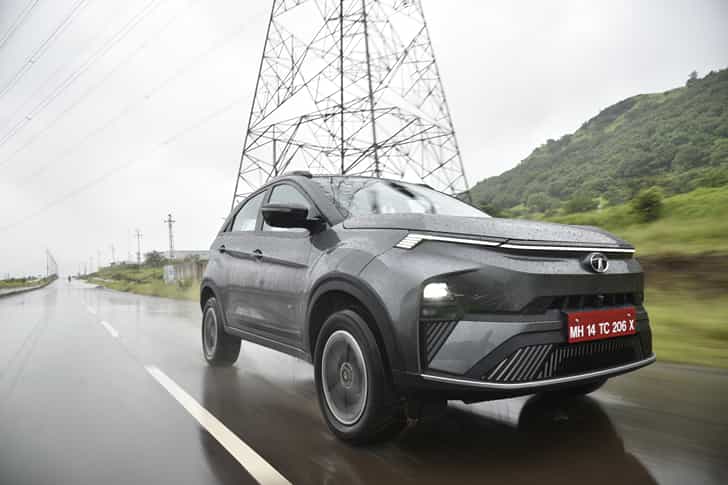
Upcoming launch buzz
Community discussions on upcoming launches
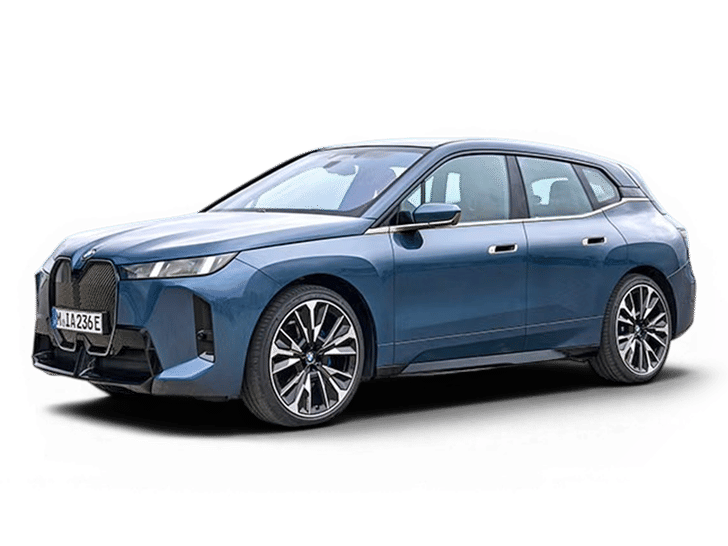
BMW
iX facelift
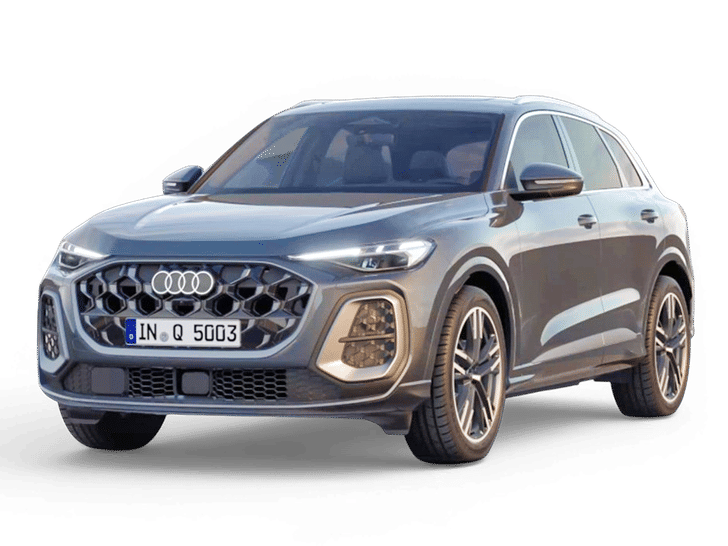
Audi
New Q5
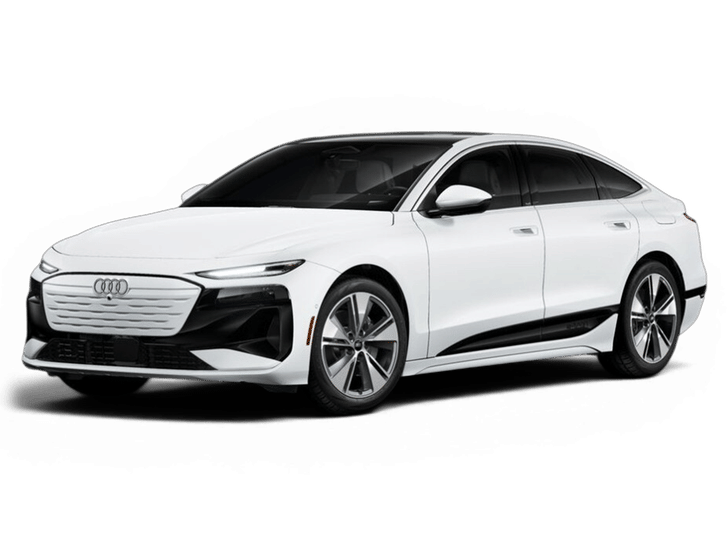
Audi
A6 e-tron
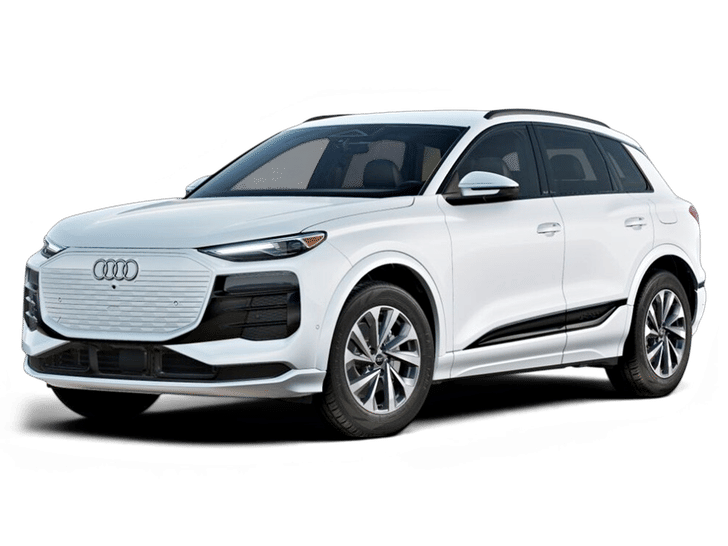
Audi
Q6 e-tron
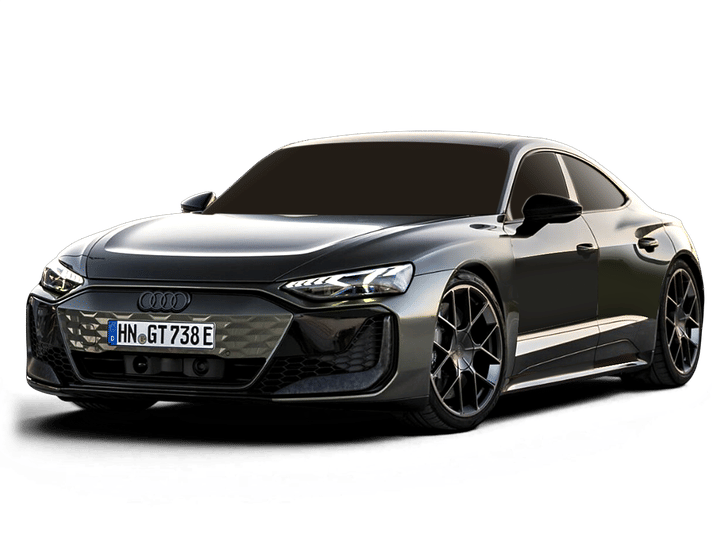
Audi
e-tron GT facelift
Volkswagen
Virtus facelift

Vinfast
VF5
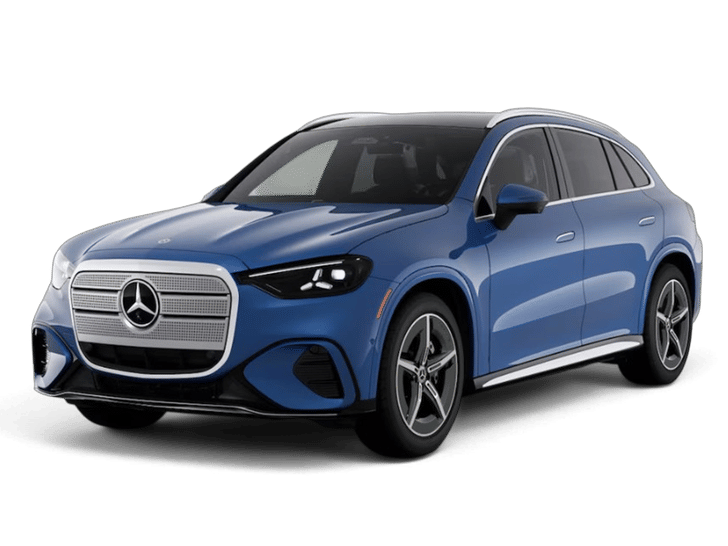
Mercedes-Benz GLC
Electric
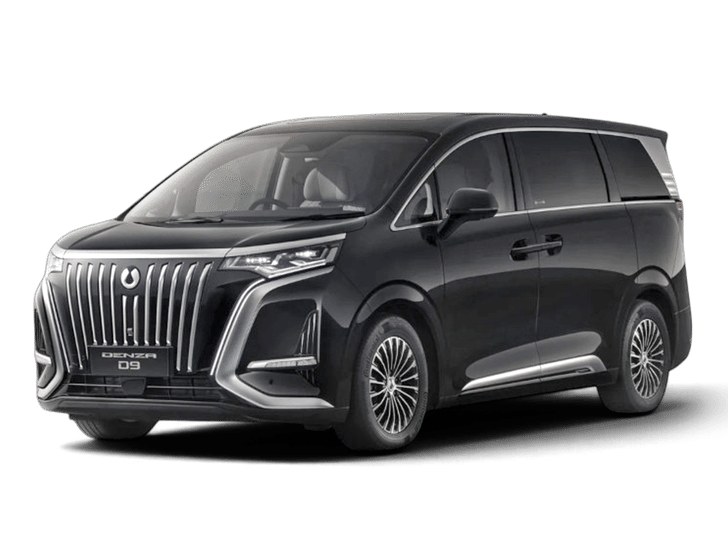
Denza
D9
Tata
Safari EV
Hi, I am looking to buy an EV for around Rs 20 lakh and am planning to go with the new Kia Syros EV X Line. I love its ride quality, space, features and interiors. However, at Rs 23 lakh, it is a bit pricey. I've now been reading about the imminent launch of the Hyundai H1 EV sometime in early 2027. Is that car worth the hype and the wait, or would buying the Syros EV right away be a better choice?
Kia Syros EVTata Punch EVTata Nexon EV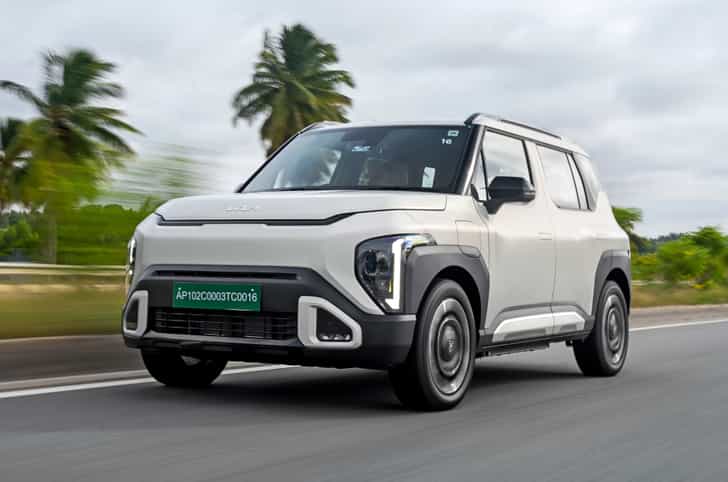
We are planning to buy a Hyundai Exter HX8, but we are confused about whether we should buy a petrol automatic or a CNG manual, as our daily running is about 38 to 42 km. And my wife also wants to drive, but she is not confident with a manual car. Also, for the daily commute, we mostly use our scooty, and we mostly use our car in the rainy season and on special occasions.
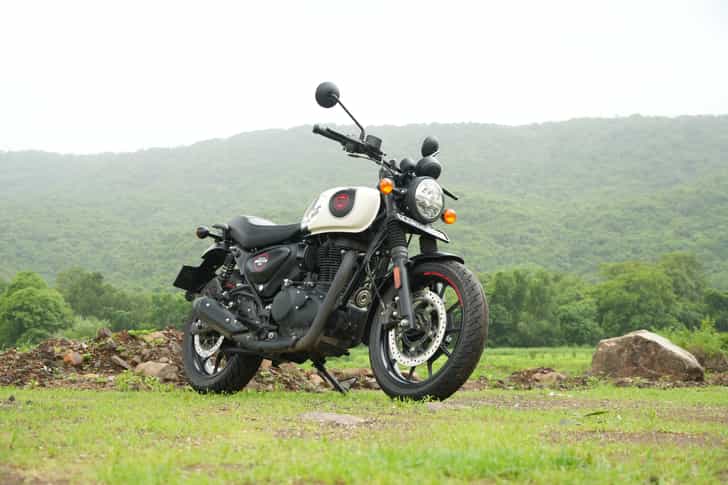
Hyundai ExterTata PunchMaruti Suzuki BalenoDear Autocar team, I am looking to purchase a two-wheeler for my daily office commute, roughly 95km per day (a mix of both highway (40%) and city traffic (60%) - Chennai). My height is 5.3 feet, and I am looking for a bike to suit my height; the preferred options are Pulsar 150, Apache 160 4V and Royal Enfield Hunter. Also, looking at the budget and features, the new Pulsar 150 make more sense to me. Need experts' suggestions on this. Thank you.
Hi, We are planning to buy a new car/suv which is having 6-7 seats. We travel once every 2-3 months with family, consisting of our parents. The priority is travel comfort and spacious seats, with a good, powerful petrol/diesel engine, comparatively good fuel efficiency and features. ADAS is not a factor we are looking for. Which cars can we check out? Please let me know.
Kia Carens ClavisMahindra XUV 7XO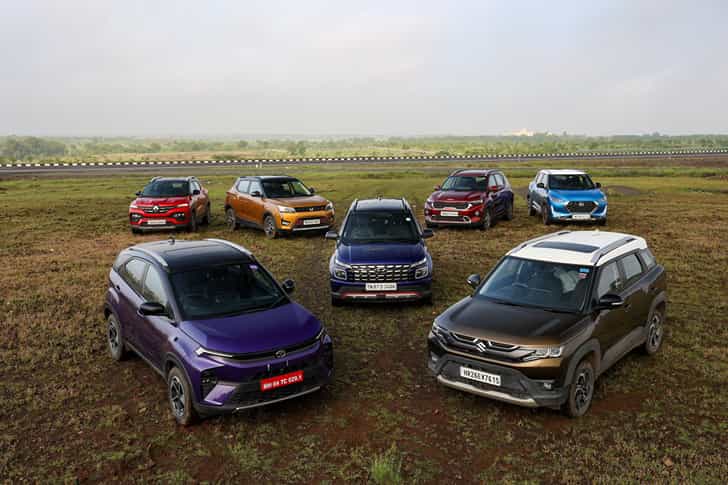
Hi Autocar team, I am looking to find a clarification on purchasing a car. I am a 28-year-old man who enjoys driving, especially a sedan. Now, I am confused about choosing which car to buy. My options are Virtus 1.5 DSG Chrome (because of Roomy interior rather full blacked out) vs Facelifted Slavia Prestige 1.5 DSG. In terms of price, the Virtus offers 21.5L, and the Slavia offers 22.80L. I have received feedback such as Slavia's interior is flimsy and creates squeaking noise, and on the highway the suspension feels bouncy, due to which body roll occurs. Whereas in the Virtus, the only complaint is its gonna be outdated soon due to the Virtus facelift. Help me choose!
Skoda SlaviaVolkswagen Virtus
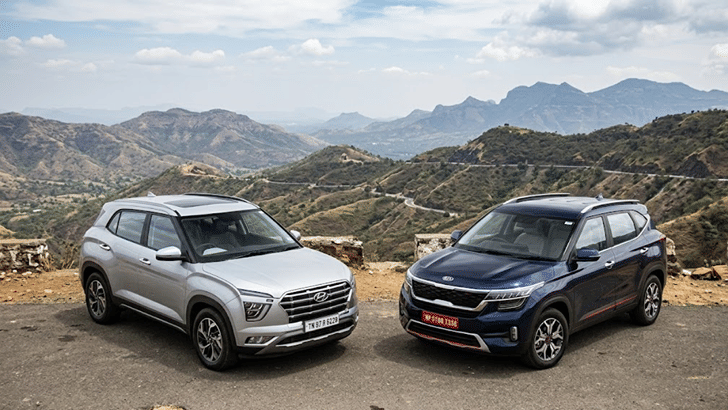
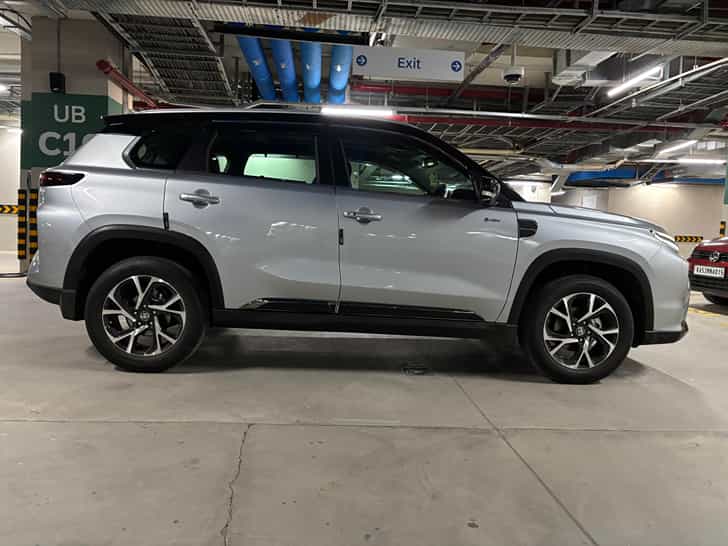
Hi Autocar India, I am looking to buy a motorcycle up to around 2.5 Lakh. My usage will be quite limited. I do short drives of 500 meters, 6 times a day for 6 days a week. I also might do a 15km trip like 3 times a month. Most of the driving will be on really bad pothole-filled roads. So I don't want the vibration to be felt in my back. I want good suspension for bad roads. My height is 5 feet 8 inches and 75 kg. I want a vehicle which can be managed well by me.
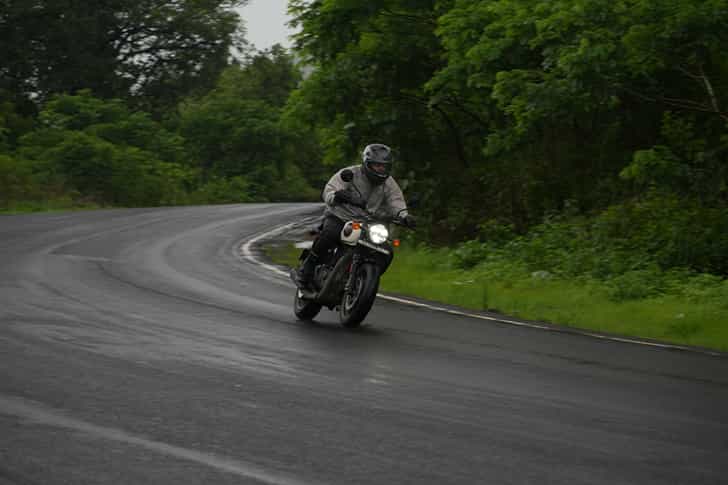
Hi Autocar Team, I currently own a 2021 Hero Super Splendor. The most annoying aspect of my bike is its gearbox, which frequently experiences missed shifts and false neutrals. A few months ago, I decided to upgrade to a 160cc motorcycle. However, my neighbour recently bought a Hero Xtreme 125R, and it seems to have similar gearbox issues. Why has Hero been unable to provide a consistently smooth gearbox experience? If I upgrade to the Hero Xtreme 160R, am I likely to face the same issues? Please advise.
Hi, I am planning to purchase the new Dominar 400 (350) but since Bajaj is rolling out a new 5-inch TFT, Golden USDs and new colors in the bike, I am waiting for its update. Do you think that it is worth waiting for? What could be the expected launch time for the updated Bajaj Dominar 400 with the new 5-inch TFT?
Hello, I've been looking to buy a new automatic petrol car with either a TC or a CVT transmission for a family of three. Our usage will mainly involve daily city driving in Bengaluru, with occasional highway trips of 100-500 km. So far, we have tested the Skoda Slavia 1.0 TC, Kylaq and Kushaq, Volkswagen Virtus 1.0 TC, Honda Elevate facelift (2026), Kia Sonet, Tata Punch AMT, Tata Sierra DCT and TC automatic options, and Punch EV. My wife is a beginner driver who currently drives a manual turbo sedan and a hatchback, so the car should also be suitable for her daily driving needs. Personally, I loved the Slavia for its punchy performance, handling, ride quality, softer suspension in the city and safety. However, I'm concerned about EPC errors and reliability issues. Since I already drive a turbo car, I enjoy the strong performance on highways, particularly the quick overtakes and punch. My wife, on the other hand, prefers sedate driving, although neither of us is particularly enthusiastic about driving. She preferred the Honda Elevate CVT over the Sonet. We're quite confused about which automatic to choose from these options. Please help us decide.
Honda ElevateSkoda Slavia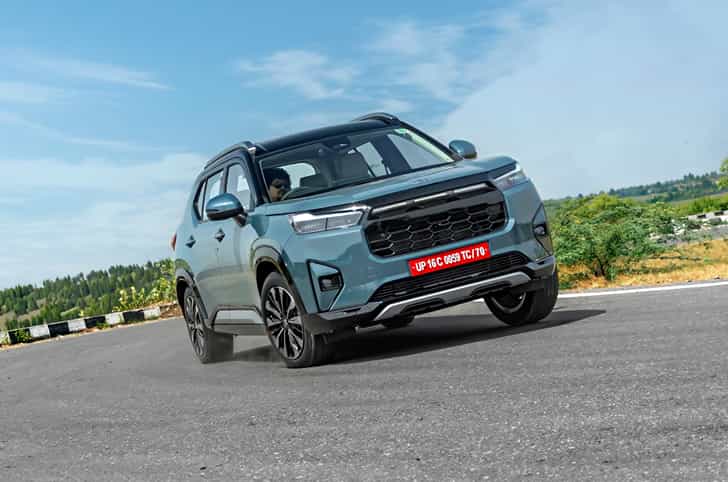
I have been riding a RE Hunter 350 for the past 4 years and love its low-end torque and relaxed city character. However, I hope that it brings back the lightweight, punchy, "zingy" thrill of the old Yamaha RX 100/135. I have shortlisted KLX230 and have taken it test ride in Bengaluru on broken, waterlogged, pothole-filled roads and have thoroughly enjoyed it. The S variant wasn’t available for me to try. I enjoyed the deltabox/VVA engine of XSR155. Is it worth modding W175 to US LTD look? Dealer says it is off sale. SR250 fits my aesthetics, but I have doubts about its reliability and long-term ownership. Also, does a dual-sport or a light street bike like the XSR 155 make the ultimate garage companion to a Hunter 350? Is it worth holding out for/modding the W175 or trusting Keeway. Also, do the Yamaha/Kawasaki dual-sports beat them out-of-the-box for raw, lightweight fun?