Latest questions answered by experts
I am 67 years old and plan to drive extensively across India. I am looking for a reliable, easy-to-maintain, sub-four-metre diesel SUV with a good automatic transmission. I do not want a sunroof or unnecessary features, but would prefer all the essential equipment. Please suggest the best possible options.
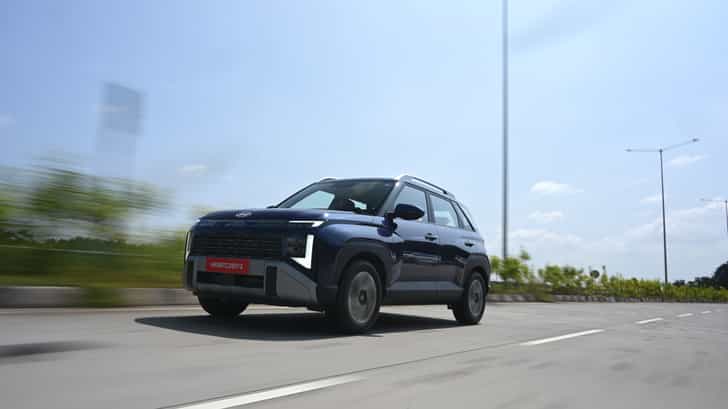
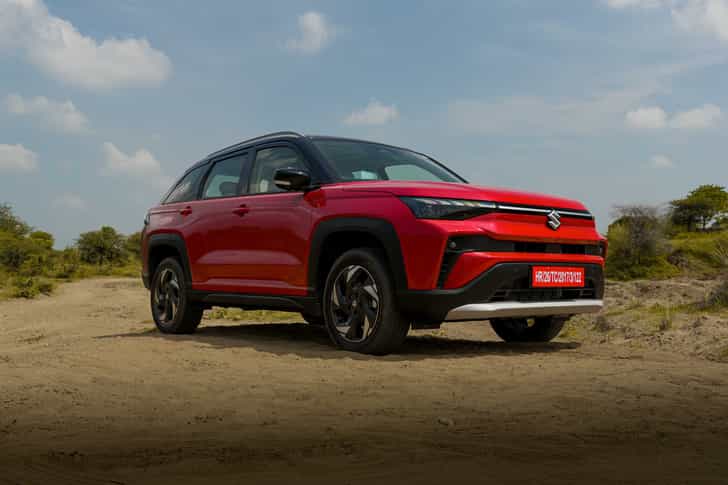
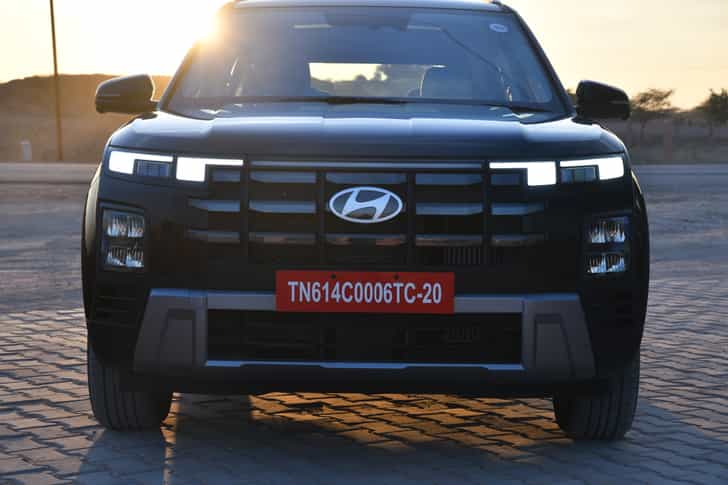
Both the Kia Sonet and Hyundai Venue are the best diesel automatic compact SUVs on sale today, especially if the priority is effortless long-distance driving with low running costs. Both use a strong 1.5-litre turbo-diesel engine producing 116hp and 250Nm, paired with a smooth six-speed torque-converter automatic. This is an important advantage over the AMT automatics offered in several other sub-four-metre diesel SUVs, as a torque-converter feels more natural and refined in traffic, while also being better suited to relaxed highway cruising.For driving extensively across India, this powertrain makes a great deal of sense. The diesel’s strong low-end torque gives both SUVs confident overtaking ability even with passengers and luggage on board, while the automatic takes the effort out of city traffic and long days behind the wheel. The Venue diesel automatic has an official fuel-efficiency figure of 17.9kpl, while the Sonet diesel automatic is rated at around 19kpl, though real-world figures will naturally depend on driving conditions.Between the two, we would pick the Hyundai Venue. It is the fresher product, has a marginally longer wheelbase and feels a touch roomier than the Sonet, particularly in terms of overall cabin ambience. More importantly for someone planning extensive travel, Hyundai’s wider service network across India offers additional peace of mind for routine maintenance or support away from home. The Sonet remains an excellent alternative, particularly if you prefer its styling, cabin design or a particular variant’s feature mix. But for your requirement of a reliable, easy-to-maintain, no-nonsense diesel automatic SUV that can cover serious distances comfortably, the Venue would be our first recommendation. Choose a sensible mid-spec diesel automatic variant if available, and avoid paying extra for features you do not need, such as a sunroof.
My budget is Rs 15 lakh. I will be the primary user of the car, although five people may occasionally travel in it. I have shortlisted the Skoda Kylaq and Renault Kiger, with the latter being considered with both the turbo-petrol and CVT options. My daily usage will be limited to around 8km, with occasional long-distance trips. Considering that the Kylaq’s rear-seat space is not particularly comfortable for three adults and that the Kiger’s RPM fluctuates even when driving at a constant speed, which of the two would be the better choice? Please also consider E20 compatibility while making the recommendation.
Go for the Skoda Kylaq. With your low daily running and occasional long trips, the Kylaq's 1.0 TSI petrol engine paired with the 6-speed torque converter automatic is a better fit than the Renault Kiger's turbo petrol with CVT. The Kylaq's engine is more refined, more responsive and better suited to highway driving, while the torque converter automatic feels smoother and quieter than a CVT. The Kiger's CVT can feel inconsistent at times, which is likely what you are noticing as unstable RPM at constant speeds.On the rear seat, the Kylaq is not the widest car in the segment, but it is still a comfortable 5-seater for occasional use. The Kiger is slightly narrower and does not offer a significant advantage in rear seat space. Both cars are E20 compliant, so there are no concerns on that front.The Kylaq is the better all-rounder here. It offers a more enjoyable driving experience, a smoother automatic gearbox and a more refined engine, which will make a bigger difference over long-term ownership than a marginal difference in rear seat width.
I am looking for a 5-seater or 7-seater car under Rs 30 lakh. My annual running will be around 10,000km, including approximately 500km of highway driving every quarter. I am looking for a top-end petrol automatic variant, with fuel efficiency, spaciousness and performance as my main priorities, in that order.
With 10,000 km a year plus quarterly 500 km highway runs, a petrol automatic is the right choice. Your priorities are fuel efficiency first, then space, then power. That points you towards a hybrid, because it will give you the best fuel economy in city driving without sacrificing performance on the highway.The Maruti Suzuki Victoris Hybrid is the best fit. It is a full hybrid, so it delivers excellent fuel efficiency in city conditions, and the petrol engine is strong enough for highway driving. It is also spacious enough for a family, and the hybrid system keeps running costs low over time. The Toyota Urban Cruiser Hyryder Hybrid is mechanically identical, but the Victoris has a slightly more premium interior and a better feature list at a similar price. However, the boot space in both cars is small as the hybrid battery eats into it. If you need a 7 seater, the Kia Carens is the better option. It is spacious, comfortable and well equipped, but it will not match the Victoris Hybrid for fuel efficiency.Go for the Victoris Hybrid if fuel economy is your top priority. Choose the Carens only if you genuinely need seven seats.
Dear Autocar India experts, I am planning to buy a new car for my daily commute. I live in a hilly area and want my next car to be spacious enough for taking my three kids to school and for family functions. I have been waiting for the Skoda Superb for almost a year. Now that it is finally coming to India, I have heard that it may not be offered with a petrol engine, which is what I was hoping for. I am a fan of diesel cars, but I have had a bad experience with DPF issues in my Velar, so I am now hesitant to go down that route again. As an alternative, I am considering an electric car and have been looking at the Hyundai Ioniq 5 and BYD Sealion 7. I would like to know your expert opinion on these two EVs, particularly when it comes to after-sales service and ownership experience. Which one would you recommend for my requirements, or should I wait and go for the Skoda Superb anyway? I currently use a Brezza diesel for my daily commute and also have a Zen for fun drives. Kindly help me make the right choice. Thank you for your expert advice.
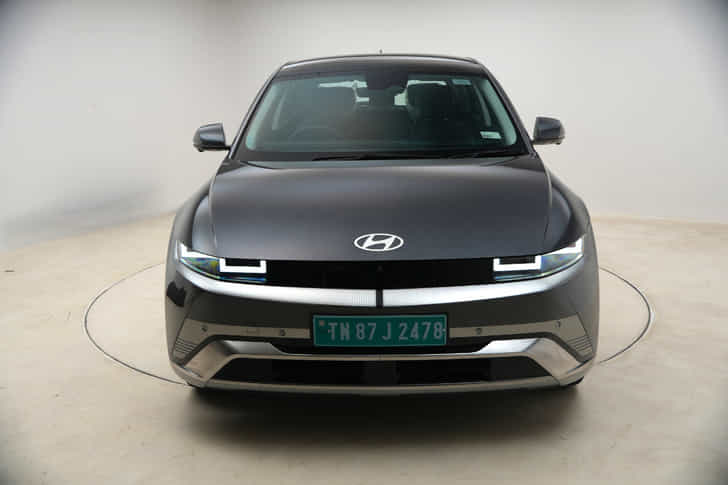
Given your requirements, the Hyundai Ioniq 5 is the better fit. You live in a hilly area, have three kids and need a car for school runs and family functions, so space, comfort and practicality are key. The Ioniq 5 is a large, spacious EV with a flat floor, excellent rear seat space and a big boot, making it well suited to family use. Hyundai also has a far stronger service network and EV support infrastructure than BYD, which is important for long-term ownership confidence.The BYD Sealion 7 is a very impressive EV with a larger battery and longer claimed range, but BYD's service network is still relatively limited compared to Hyundai. In a hilly area where you may need support, that matters. The Ioniq 5's range is already very strong and more than adequate for daily use, so the difference is not worth the trade-off in service confidence.As for the Skoda Superb, it is a fantastic car, but it is coming only as a diesel. Given your bad experience with DPF issues on your Velar and your preference for petrol, it is not the right choice. Modern diesels are cleaner, but DPF issues can still occur in hilly, stop-start conditions if the car is not regularly driven on longer runs.You already have a Maruti Suzuki Brezza diesel for daily use and a Zen for fun drives, so the Ioniq 5 adds a spacious, comfortable and reliable family car to your garage without the DPF concerns. It is the most sensible and future-proof choice for your needs.

How does the Hyundai Verna Turbo Manual HX8 compare with the Mahindra Thar Roxx MX5 2WD Petrol Manual? Both are similarly priced, so a comparison of their highway driving ability, performance on bad roads, ride and handling, features and overall usability would be useful. A comparison of their after-sales service and ownership experience would also help in deciding between the two.
The Hyundai Verna Turbo Manual HX8 and the Mahindra Thar Roxx MX5 2WD Petrol Manual are fundamentally different cars aimed at very different buyers, even though they are similarly priced. The Verna Turbo is a sporty sedan with a strong turbo petrol engine, a slick manual gearbox and a well-sorted chassis. It is built for highway driving, offering strong acceleration, good high-speed stability and a comfortable ride on well-paved roads. It also comes with a richer feature set and Hyundai's strong after-sales network, which is a big plus for long-term ownership.The Thar Roxx MX5 2WD Petrol Manual, on the other hand, is an adventure lifestyle SUV. It is designed for bad roads, rough terrain and a more rugged driving experience. The 2WD petrol version is not a hardcore off-roader, but it still offers better ground clearance and durability on broken roads than the Verna. However, it is not as refined on the highway, and the ride can feel bouncy at higher speeds. Mahindra's after-sales network is also strong, but the ownership experience is more rugged and less polished than Hyundai's.If your priority is highway driving, ride comfort, features and a hassle-free ownership experience, the Verna Turbo HX8 is the better choice. If you regularly encounter bad roads and want a more rugged, adventure-oriented vehicle, the Thar Roxx MX5 2WD makes more sense. Ultimately, the decision comes down to whether you want a punchy sedan or a lifestyle SUV.
I am looking to buy a petrol automatic SUV primarily for city use, with occasional highway trips. I have shortlisted the Maruti Suzuki Grand Vitara mild-hybrid and Kia Seltos. My priorities are real-world city and highway mileage, reliability, maintenance costs, long-term ownership (8-10+ years), comfort, and overall value for money. I would appreciate advice from owners/users, especially regarding actual mileage in heavy city traffic, maintenance costs, and any issues they have faced over the years.
For your priorities, the Grand Vitara is the better long-term choice. The 1.5-litre petrol with a torque-converter automatic is smooth, comfortable and relatively easy to maintain, while Maruti's service reach and parts availability are significant advantages if you plan to keep the car for 8-10 years.Mileage is also a strong point. In our real-world testing, the Grand Vitara petrol AT returned 11.6kpl in the city and 15.3kpl on the highway. The Seltos 1.5 petrol IVT returned 10.31kpl and 14.22kpl, respectively, in the same type of testing.The Seltos is the more premium and feature-rich choice, with a stronger cabin experience and a more powerful 115hp engine. Its IVT is also very smooth in traffic, but if long-term running costs, serviceability and efficiency are the priorities, the Grand Vitara has the edge.The main drawback of the Grand Vitara is performance. The 103hp/139Nm engine is adequate rather than exciting, particularly with a full load.
I am planning to buy a new car in the sub-4m SUV segment, but I am not sure whether I should buy the Nexon/XUV 3XO or wait until next year for the Mahindra Concept S or the new-generation Nexon (Project Garud).
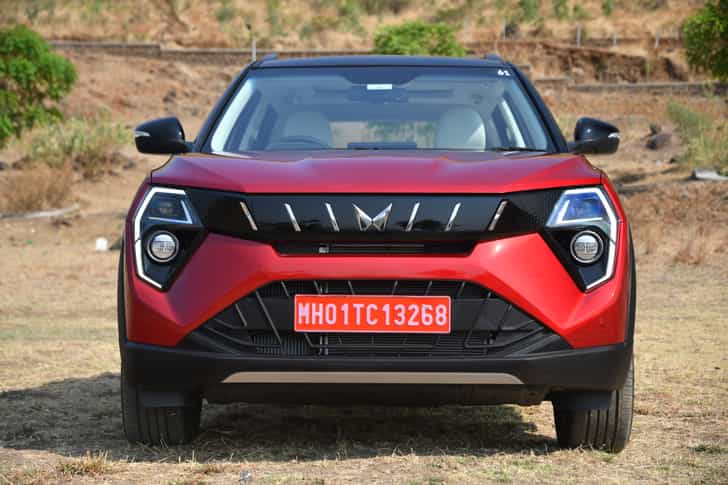
Both the Mahindra Vision S and next-generation Tata Nexon (project Garud) are expected to arrive in 2027, so this is one of those cases where waiting could be worthwhile. The new Nexon is expected to get a completely new design and heavily revised platform, while Mahindra’s Vision S will be a sub-4m SUV on the new NU_IQ architecture. Mahindra has confirmed that its NU_IQ based SUVs will begin production from 2027.The Vision S is particularly interesting because Mahindra has confirmed a 2,665mm wheelbase despite keeping it under four metres, which should translate into a very spacious cabin. The production version is expected to rival the 3XO, Nexon, Brezza and Kylaq.The current Mahindra XUV 3XO and Tata Nexon are still perfectly good choices if you need a car immediately, and there is no guarantee that the new-generation models will be better in every respect. But if your purchase isn't urgent, it is worth waiting a bit longer.
Is Tata Punch coming in diesel by the end of this year or early next year? Need to replace my 2017 i20 diesel asta. Annual run of 20-21k with 50:50 usage. Budget is 10-13 lakh on-road, Gurgaon. Need something that has more ground clearance than i20 as it would be plying in the village or tier 2 cities as well. PS: Don’t want to be in long queues for the CNG and EV charging isn’t possible at my current residence.
No, the Tata Punch is not expected to get a diesel engine this year or early next year. Given your annual running of 20-21,000 km with a 50:50 city-highway split, diesel car still makes the most financial sense, especially since you do not want to deal with CNG queues or electric car charging limitations.The Mahindra XUV 3XO diesel is the best fit for your requirements. It offers significantly more ground clearance than your Hyundai i20, which will be useful on village roads and in tier 2 cities. The diesel engine is efficient and well-suited to your running, and this Mahindra car is one of the most spacious compact SUVs in the segment, making it a comfortable upgrade from the i20. It also fits within your Rs 10-13 lakh on-road budget in Gurgaon.
My car usage is hardly twice or thrice a week. I don't use my car for daily travel. My budget is Rs 10 lakh. I currently have a 2012 Hyundai Eon Sportz and want to upgrade to a better make and model, preferably a crossover or SUV. Which would be the best option among the following: Tata Punch/Nexon, Maruti Fronx, Renault Kiger, and Mahindra 3XO?
With your usage pattern of driving just two or three times a week, the priority should be a petrol car that is easy to live with, reliable and inexpensive to maintain. The Mahindra XUV 3XO is the best choice from your shortlist. It is one of the most spacious compact SUVs in the segment, has a wide cabin that makes it a genuinely comfortable five-seater, and the turbo petrol engine is punchy and enjoyable to drive. This Mahindra car also offers a strong safety package and good value for money.The Tata Nexon is a good alternative, but the XUV 3XO feels more spacious and better finished inside. The Tata Punch is a segment below and does not feel like a meaningful upgrade from your Eon. The Maruti Fronx is a sensible and reliable choice, but it does not feel as premium or as spacious as the 3XO.
Hi! I am planning to buy the Toyota Innova Hycross, as I am finally looking to upgrade after driving my Volkswagen Vento for the last 10 years. However, I have heard rumours that a facelift might be coming soon. Since we are currently in September, should I go ahead with the purchase now, or would it be smarter to wait until an official announcement is made before deciding?
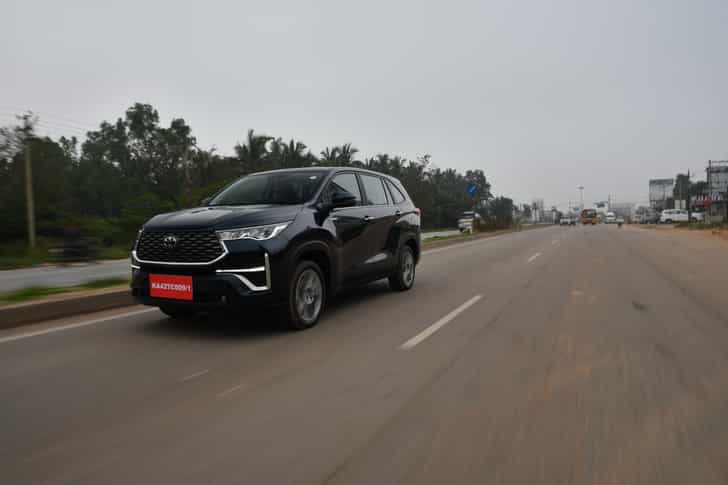
The Innova Hycross facelift is no longer just a rumour. Toyota has already been testing the updated model in India, and it is expected to launch in early 2027. The changes appear to be primarily cosmetic and feature related, with a revised front end, lighting and likely some interior and equipment updates. The existing petrol and strong-hybrid powertrains are expected to continue.Since you have already waited 10 years with your Vento and are not in a situation where you urgently need to replace it, it makes sense to wait for the facelift rather than buying the current Hycross just a few months before the update. You will either get the newer car or potentially get a better deal on the outgoing model once Toyota starts clearing stock.The current Innova Hycross remains an excellent choice for space, comfort, refinement and long-term ownership, so there is no need to change your decision on the car itself.
Hi! I am planning to buy my first car. My budget is around Rs 15-16 lakh, and I will be using the car for around 500-600km a month, with 60% of my driving on highways. I am confused between the Venue N Line N6 manual (I might get the automatic if it fits within my budget) and the Creta EX(O) Summer Edition. My mom and dad really liked the Creta, but I feel the Venue N Line offers better value for money. Which one should I choose?
Go for the Hyundai Creta EX(O) Summer Edition. With your budget of Rs 15-16 lakh and a monthly running of 500-600 km with 60 percent highway usage, this Hyundai car is the better long-term choice. The Hyundai Venue N Line N6 is a good value proposition and feels sportier to drive, but the Creta is a larger, more comfortable car with better rear seat space, a more relaxed highway ride and a more premium overall feel. Since your parents also prefer the Creta, it makes sense to go with the car that the family is happier with. The EX(O) Summer Edition is well equipped and sits comfortably within your budget. The Venue N Line is more VFM on paper, but the Creta is the car you will be happier owning over the next 5-10 years.
Hi, I am looking to buy a car. I like the Syros EV Blackline as well as the Duster Iconic Launch Edition. My commute is about 70km per week for office, and I would try to take a day trip over the weekend at least once a month, along with longer 700km round trips once every 3-4 months. I am seeking advice on what makes the most sense for my usage. I am also open to other suggestions. Also, if I choose the Duster, should I wait for the Duster Hybrid? What advice would you give?
Go for the Kia Syros EV Blackline. Your weekly commute is low, and your usage pattern is predictable, which makes an electric car a very sensible choice. This Kia car offers a comfortable ride, a premium cabin and enough range to handle your monthly day trips without any anxiety. For the occasional 700km round trip, you will need to plan charging stops, but with the growing charging infrastructure, this is manageable.The Renault Duster Iconic Launch Edition is a great driver's car with strong performance and excellent ride quality, but your usage does not justify a petrol SUV. The Duster Hybrid is worth waiting for only if you are specifically looking for a petrol car with better efficiency, but it will not fundamentally change the ownership equation for your usage pattern.If you are open to other ideas, the MG Windsor EV is worth considering if you need more space, but the Syros EV is the more premium and better-finished product. Overall, the Syros EV Blackline is the best fit for your needs.
Hi Autocar Team, I am looking to purchase a hybrid/petrol AMT car/SUV with a budget of Rs 15-21 lakh. My requirements are primarily city usage with monthly long drives, good safety, a spacious rear seat, reasonable boot space, a smooth ride, and good after-sales service support in the Pune region. Kindly suggest a suitable car.
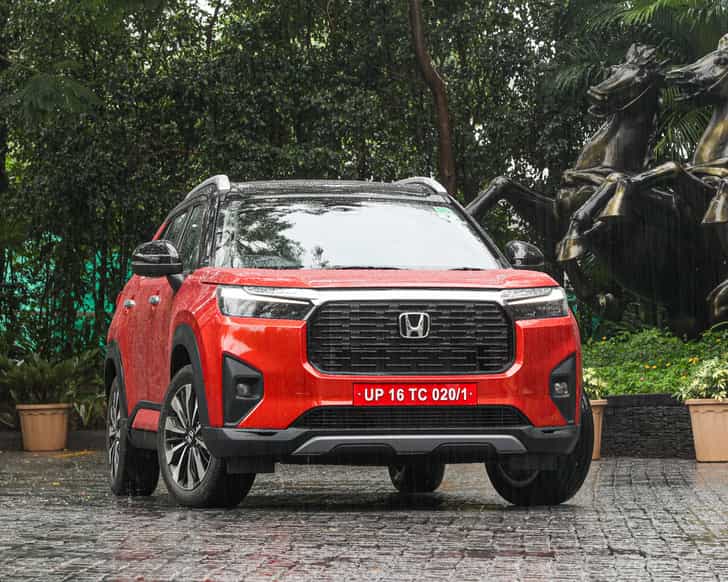
Based on your requirements, the Maruti Suzuki Victoris Hybrid is the most suitable recommendation. It offers a strong hybrid system that delivers excellent fuel efficiency in city driving, a spacious enough rear seat and a reasonably sized boot. The ride quality is comfortable and Maruti's service network in Pune is among the best in the country. The hybrid system also makes a meaningful difference on long drives, where the petrol engine and electric motor work together to deliver smooth and efficient performance. This Maruti Suzuki car is essentially the same car as the Grand Vitara and Toyota Urban Cruiser Hyryder underneath, but it gets a more premium interior and a better feature list, including Level 2 ADAS at a similar price point. If you are open to a non-hybrid option, the Honda Elevate is also worth considering. It offers a spacious cabin, a comfortable ride and Honda's reputation for reliability, but it does not offer the same fuel efficiency advantage as the Victoris Hybrid. Overall, the Victoris Hybrid is the best fit for your requirements and budget.

Hi, I am planning to buy my first car and will learn to drive in the same car. I would appreciate some advice. My requirements are: 1. Maximum budget of Rs 7-7.5 lakh on-road; I am open to base variants. 2. Usage of around 800km per month, mostly on weekends, including two Pune-Kolhapur highway trips per month. 3. Usually three average-sized adults in the car, but it should be comfortable for four average-sized adults. 4. I am planning to keep the car for as long as possible, so it should be reliable, easy to maintain, have good after-sales service, and offer basic safety features.
Go for the Maruti Suzuki Swift. It is the best fit for your requirements. The Swift is a proven product with a strong ownership track record, low maintenance costs and excellent service reach. It is also easy to drive and learn on, which is important for a first car. This new Swift is more spacious than the previous generation and offers good comfort for four adults. This Maruti Suzuki car is also fuel efficient and has a strong resale value, which matters when you plan to keep the car for a long time. The base variant fits within your budget and still offers the essentials you need. If you want a slightly higher seating position and more ground clearance, the Maruti Suzuki Fronx base variant is also worth considering, but the Swift remains the more complete package for your requirements.
I am looking to buy a sub-compact SUV and have shortlisted the Brezza ZXi AT and 3XO AX5 AT. The Brezza seems more reliable, but the 3XO has more features. My driving is mainly in Hyderabad stop-and-go traffic, with occasional long-distance trips. My requirements are comfort, reliability, and peace of mind while driving. Please advise. Also, is it worth waiting for the Hyundai Bayon, assuming its pricing will fall in the same segment? And is the Honda Elevate a good buy if we are getting good discounts compared to the other three?
Go for the Maruti Suzuki Brezza ZXI AT. Your priorities are comfort, reliability and peace of mind in Hyderabad’s stop-go traffic, and the Brezza is the better fit. The 1.5-litre naturally aspirated petrol engine paired with the 6-speed torque converter automatic is smooth, predictable and well-suited to city driving, while Maruti’s service reach and ownership track record make it a genuinely stress-free long-term proposition. This Maruti Suzuki car also rides well and is a comfortable five-seater, which matters on those occasional long-distance trips.The Mahindra XUV 3XO AX5 AT is a strong product with more features and a wider cabin, but the turbo petrol engine wont be as efficient in heavy traffic. On the Hyundai Bayon, details aren't confirmed yet but it is expected to get the 1.5 NA engine from the Hyundai Creta. If you are not in a hurry, it could be worth waiting for. The Honda Elevate is a good car, and if you can get one at a similar price to the Brezza, then go for it. It is a larger car, roomier inside and Honda has a strong reputation for reliability.
I need an SUV with minimum 470 liters of boot space and manual transmission where I need more than 12 years with minimum complexity turbo petrol engine (NA is better) and budget is on-road price 22 lacs max. Can you suggest me at least 2 cars ?
Consider the Honda Elevate. It is a naturally aspirated petrol SUV with a manual gearbox, simple mechanicals and strong long-term ownership prospects. This Honda car is a good all-rounder, with a large boot (458 litres), a spacious cabin and Honda’s reputation for reliability. If you want an even larger boot, consider getting a three-row vehicle and keeping the third row folded. If you are open to this, consider the Kia Carens Clavis turbo-petrol manual or the Maruti Suzuki XL6. Both are spacious, comfortable and have bigger boots than mid-size SUVs. Kia and Maruti Suzuki also have strong reputations for aftersales service, so they should serve you well over 12 years.

XUV 7XO AXT diesel automatic vs XEV 9S: which one should I buy? My driving is around 40-50km per day, with 80-90% of it in the city. I like to go on short trips almost every 15 days, so I believe DPF should not be a problem, but I would like your advice on this. I can also have a charger installed at home. Which one would you suggest?
Go for the Mahindra XEV 9S. With 40-50 km a day, 80-90% city driving, and the ability to install a home charger, you are the ideal electric car owner. The XEV 9S is a genuinely well-rounded electric SUV with a strong real-world range, a spacious and comfortable cabin, and a very refined driving experience in the city. Your regular short trips every 15 days are easily manageable with an EV, and the convenience of home charging will make ownership effortless.The XUV 7XO AXT diesel is a very good SUV, but your usage pattern does not justify a diesel. Modern diesel cars are far less problematic than they used to be, but DPF regeneration still requires regular sustained highway runs, and your usage is predominantly city-based. The XEV 9S, on the other hand, will deliver lower running costs, zero tailpipe emissions, and a smoother, quieter driving experience that is perfectly suited to your daily routine.The only caveat is long-distance touring. If your short trips are genuinely long highway runs, you will need to plan charging stops. But for your usage, the XEV 9S is the smarter, more future-proof choice.
I live in Bangalore and want to buy a car. My usage is around 20km per day, at least three times a week, along with a few day trips around Bangalore within 100km and a couple of weekend trips around Bangalore for leisure. I like the Syros EV Blackline and Duster Iconic Launch Edition. Both are in a similar budget. What would you recommend? Are there any other cars you would suggest?
Go for the Renault Duster Iconic Launch Edition. Your usage pattern - 20 km a day, a few 100 km day trips, and regular weekend getaways- points towards a car that is comfortable on highways, fun to drive, and easy to live with. This Renault car is exactly that. It has a strong turbo petrol engine, a well-sorted chassis and a ride quality that is among the best in the segment, especially on broken roads and highways around Bangalore. It is also a genuinely enjoyable driver's car, which will make those weekend trips more engaging.The Kia Syros EV is a good EV, but your usage does not justify an electric car. You are not doing enough daily kilometres to offset the higher upfront cost, and your weekend trips will require more planning around charging infrastructure. If you want a more premium and feature-rich alternative, the Kia Syros is worth considering, but the Duster is the better driver's car and offers a more engaging ownership experience.
I am confused between the Elevate and the Creta. I understand that the Creta is the more established one, but with Honda, the value it brings is amazing, while the price of the Creta is a bit higher than the value it offers. I am mostly a city driver, with around 95% of my driving in the city and occasional highway trips, covering around 10,000km per year. Can you help me get some perspective?
The Hyundai Creta is the more premium product with a richer feature list. Since your usage is mainly in the city, you are likely to appreciate the Creta's smoothness and refinement, as well as the additional features it offers. Sure, this Hyundai car might cost a bit more, but it is a proven product that commands strong brand equity, which is likely to translate to higher resale value. The Honda Elevate gives you most of what you need at a significantly lower cost, and Honda’s service network is strong enough to make ownership hassle-free. Go for the Elevate if you value its stronger engine performance, else for a refined drive experience, pick the Creta.
Need expert advice?
Ask the Autocar community and experts.