Latest questions answered by experts
I am looking for a bike that offers good pillion comfort, is easy to ride in the city, can handle occasional highway rides, and has a reliable engine. Which of the following would be the best choice for me? 1. Honda CB350 H'ness 2. Yamaha XSR 155 3. TVS Ronin 4. Royal Enfield Hunter 350 5. Bajaj Pulsar N250 Thanks in advance!
Since you have mentioned pillion comfort and highway riding are both priorities for you, we'd suggest you choose between the Honda CB350 (the company has dropped the H'ness suffix from its name now), Royal Enfield Hunter 350, TVS Ronin and Bajaj Pulsar N250SS. The CB350 and Ronin will be the most spacious, followed by the Pulsar and the Hunter. While the Pulsar is as spacious as the Honda and TVS, its pillion seat is placed a little higher than the other two, which may not be comfortable for all. The Hunter's seat isn't the largest but its quite comfortable for those of slender build. The Yamaha XSR155's seat isn't very spacious for two adults and can be uncomfortable over longer journeys. Take a test ride of all four with your preferred pillion to determine which one is best suited to your usage.

Hi Autocar team, My boyfriend is looking for a bike that is comfortable for navigating heavy city traffic, offers good control on steep and winding mountain roads, and can handle occasional highway rides. He has experience riding both sports bikes and cruisers, and is looking for something suitable for long-term ownership. He has previously travelled on the KTM RC 200, Royal Enfield Classic 350 and Honda CB350. Recently, he test-rode the Royal Enfield Meteor 350 and is now considering the Guerrilla 450 as another option. His requirements are as follows: - Engine capacity of more than 350cc - Budget of up to Rs 3.5 lakh - The Royal Enfield Himalayan is not an option - Good suspension - Seat height below 800mm - Good ground clearance - Comfortable seating - Usage: around 20km on weekdays and 200-300km on weekends We would appreciate suggestions for bikes that best suit these requirements, particularly in terms of comfort, handling and long-term usability. Looking forward to your recommendations.
The Royal Enfield Guerrilla 450 you have shortlisted fits the bill quite well for your usage patterns. It is approachable with a low 780mm seat height, while its punchy engine keeps things interesting. It also has decent city manners, although its steering at slower speeds can feel a touch heavy. If you want something more relaxed rather than sporty, we'd recommend waiting a few months for the Honda CB500. This should be a neo-retro that offers more performance than the RE 350s but still keeps things relaxed.
Does the RR 310 support Google Maps mirroring, or does it offer only turn-by-turn navigation?
The TVS Apache RR 310 uses a vertical 5-inch TFT display, which is different to the one on the Apache RTX and other models from the brand. The RR 310's unit, while Bluetooth-compatible, doesn't offer screen mirroring, and you can only get turn-by-turn navigation prompts here.
Upcoming launch buzz
Community discussions on upcoming launches
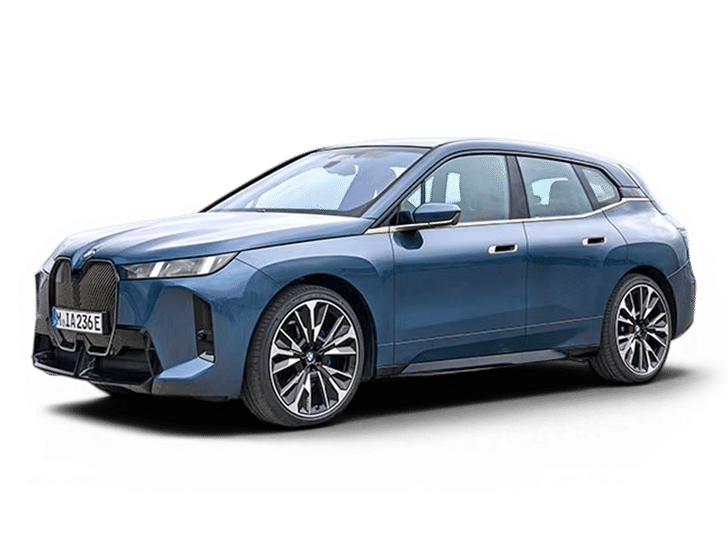
BMW
iX facelift
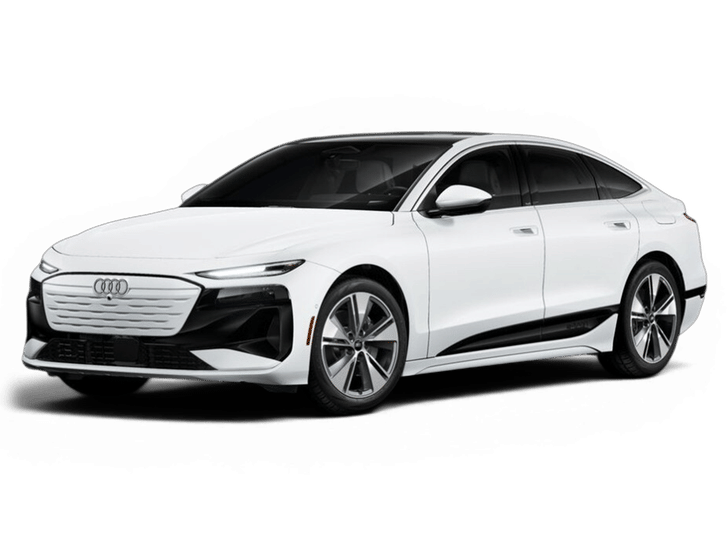
Audi
A6 e-tron
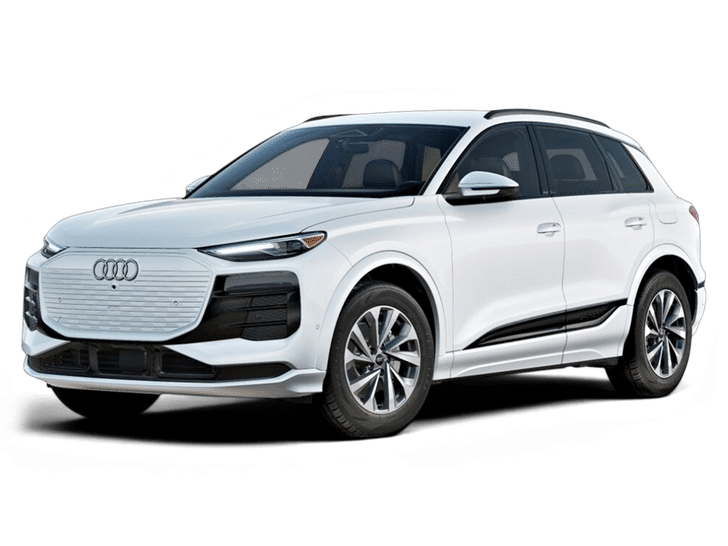
Audi
Q6 e-tron
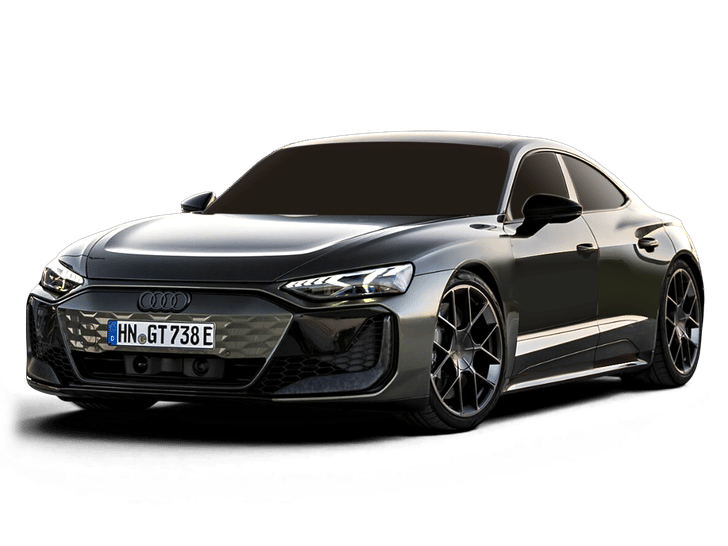
Audi
e-tron GT facelift

Vinfast
VF5
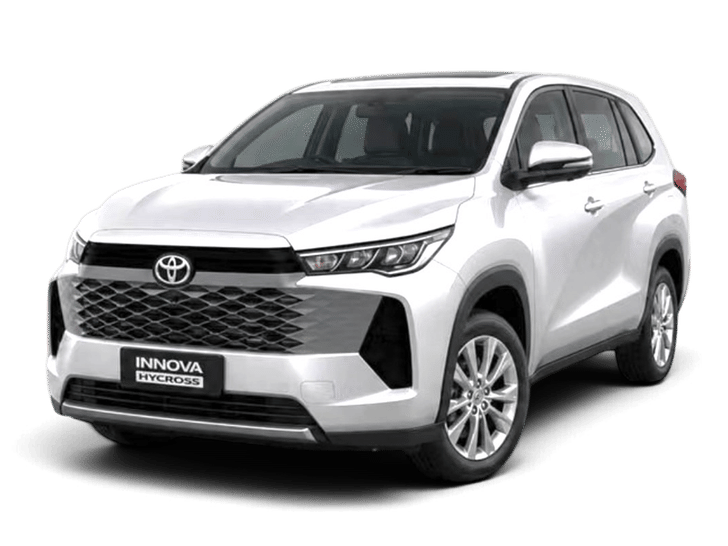
Toyota
Innova HyCross facelift

Mini
Cooper Electric
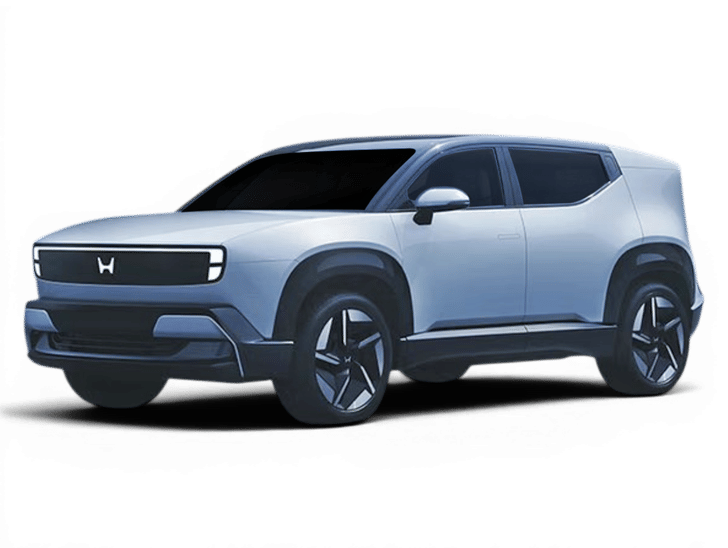
Honda
ALPHA
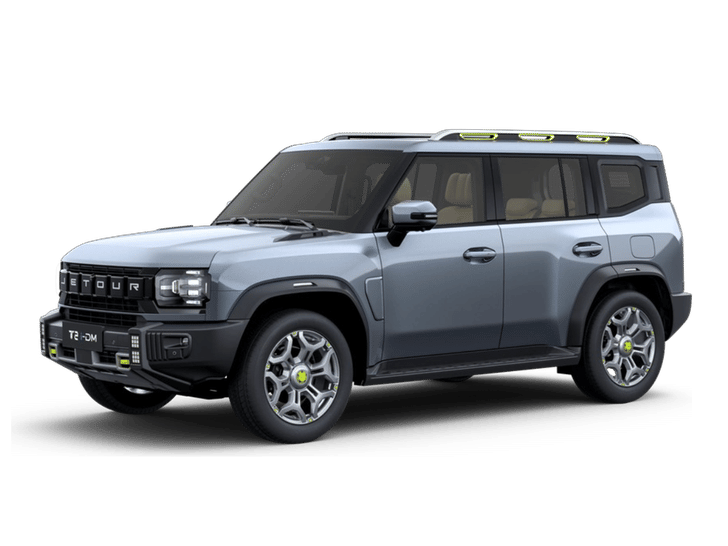
JSW Motors
Combat
Volkswagen
Virtus facelift
Still have more question?
Get answers from Autocar experts and owners
- 9,000+discussions
- 20,000+users online
- 10,000+members
Hi, I'm planning to buy a new car, and this is going to be my first one. My budget is around Rs 10-11 lakhs. I live in Pune, and my daily running is 40-50 km in city traffic, along with occasional family trips of around 500 km. I have shortlisted the following cars: Honda Amaze (CVT), Maruti Suzuki Brezza Petrol (1.5L Manual), Maruti Suzuki Fronx Petrol (AMT), Tata Nexon CNG My priorities are comfort, mileage, long-term reliability, and safety. Please guide me.
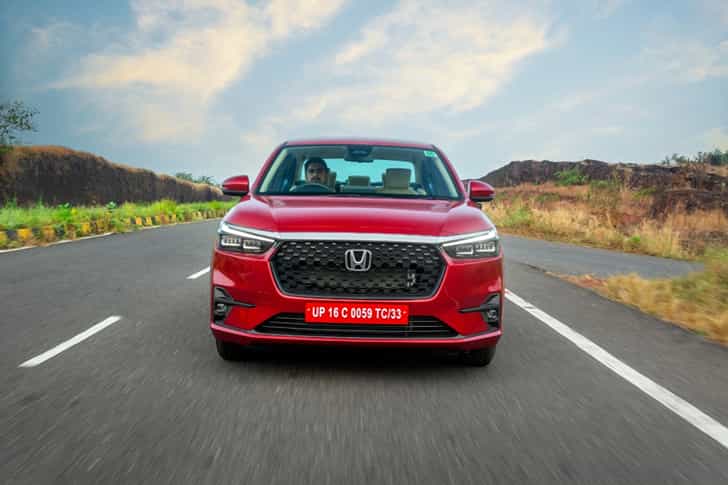
From your shortlist, the Honda Amaze would be a good option, as the CVT gearbox is quite smooth, especially when driven in a regular, sedate driving style, typical in city traffic. Honda's are also very reliable, and it would do well on the long-term usage front too. The only negative is the engine-gearbox is easily audible, and headroom would be tight if you or your passengers are tall. If you can, you could also up your budget and go with the Maruti Suzuki Brezza 1.5L automatic. The gearbox is a torque converter automatic, which would be very smooth in city traffic with seamless shifts; the low-speed ride is very plush, and you would find a bit more inside room too.

I own a 2022 Skoda Kushaq 1.0-litre turbo-petrol manual and want to switch to an SUV-styled EV. My monthly city driving is limited to around 500km. This will be my second car, as I already own an Audi that I use for long drives. Suggest an EV under Rs 20 lakh with a claimed range of approximately 450km and SUV styling.
There are a few options you can look at but pinpointing one really comes down to your requirements from the car like inside space, importance of performance, must have features etc. The Tata Sierra EV and the Hyundai Creta Electric would fit within your budget though you would get the smaller battery options which would give you a real world range lower than your 450kms target. Of the two this Tata car would be more spacious and feel a bit more upmarket while this Hyundai car is the better all rounder with a decent level of performance, space and features and a well judged powertrain that is easy and quite natural to drive and if you up your budget a bit you could get the larger battery option. If you must stick within your budget consider the Maruti Suzuki eVitara however boot and rear space is tight and the drive experience is not as easy going as the Creta.
I'm confused between the XUV 7XO diesel automatic and the Kia Carens Clavis turbo-petrol automatic. My annual usage is around 10,000km, and I want a seven-seater. With the XUV 7XO, I'm doubtful whether a diesel engine would suit my usage, and I'm not interested in the petrol version. With the Kia Carens Clavis, I'm concerned about the seven-seat configuration, although I like its practical seating arrangement. Which one would you recommend? Also, is it worth waiting for the seven-seat Renault Duster?
If third row seating is an important requirement, then the Kia Carens Clavis is the better choice. Access to its third row is more convenient thanks to the one-touch tumble-and-fold feature of the middle row seat. Further, the middle row seats can be moved forward and backward, and this enables better flexibility in terms of balancing space for second- and third-row occupants. The Mahindra XUV 7XO gets a fixed middle row seat, and third-row seating isn't ideal.This Kia car with the turbo-petrol engine and DCT gearbox combo also offers enough power to drive with a full load of passengers in comfort. That being said the performance is no match for the XUV 7XO diesel automatic, which feels stronger, especially at highway speeds. A diesel only makes sense for you if you have frequent highway runs. If you are looking primarily for a car for city use, avoid a diesel.The 7-seat Renault Duster is due to come to India in 2027. Compared to the standard Renault Duster, the 7 seat version will be slightly longer in its wheelbase and have a larger rear overhang too, enhancing space inside the cabin. We are yet to experience its third row, but it might not be quite as roomy at the very back as a Carens Clavis, which is designed as a people mover.
I currently own a Baleno and am looking for budget-friendly EV options under Rs 15 lakh. I need an EV that is compact and efficient, similar to the Baleno, for daily city drives of around 25km. I also want a comfortable cabin, good seating, a well-balanced suspension and a pleasant driving experience.
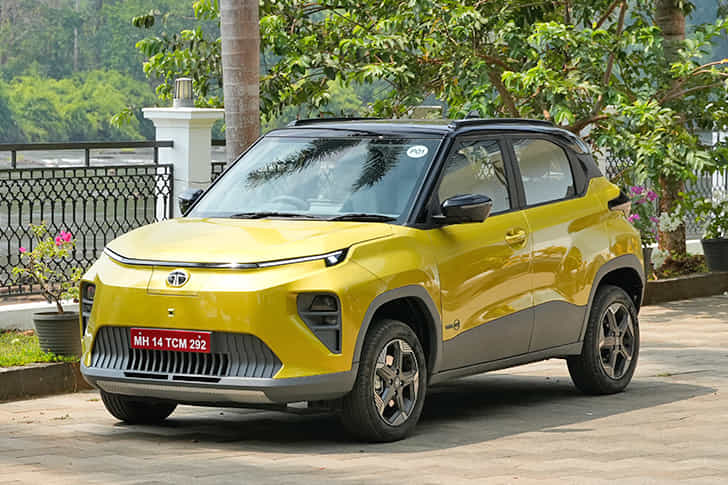
Given your limited running and requirement for a compact car, the Tata Punch EV is the model we'd recommend. Its small size is a boon in city driving, while it's got ample power and pep too. There is reasonable space for four passengers, and bump absorption is also pretty good. While the 30kWh battery pack version will suffice for your requirements, you can get this Tata car with the larger 40kWh battery pack within your budget. The larger battery pack not only gives you a longer range but also gets you a more powerful motor. Further, 40kWh versions of the Tata Punch EV are available in higher trims, meaning you can get a fully loaded version well within your budget. The range-topping Tata Punch EV in Empowered Plus S trim packs in a sunroof, a 10.25-inch touchscreen, a 360-degree camera, leatherette seats, front seat ventilation, and more. If you want a roomier car, you can also consider the Tata Nexon EV in 30kWh Fearless trim. However, you will have to make do with fewer features.
Still have more question?
Get answers from Autocar experts and owners
- 9,000+discussions
- 20,000+users online
- 10,000+members
Hello Team, I am looking for a car with a budget of Rs 12-15 lakh maximum. My requirements include an automatic gearbox, good mileage, strong pickup (power) and safety. I recently heard that electric cars produce electromagnetic fields that may cause headaches for drivers or passengers during long journeys. Is there any truth to this? I would also like to speak with experts before finalising a vehicle. Please advise.
The best overall package for your requirements and budget will be the Maruti Suzuki Brezza. It is a well-rounded SUV with good space, excellent comfort, high mileage, and low running costs. It also has a good amount of equipment if you go for the top spec ZXI Plus, which will fit in your budget. Since you are used to a Maruti Suzuki car, the transition will be easier and hassle-free. The 1.5-litre engine has good punch and pick-up, and the automatic gearbox is smooth too. Regarding electric cars, there are no headaches or nausea caused by any electromagnet, but the sudden response and immediacy might need some getting used to.
Hi, I'm planning to buy a new diesel manual car. My driving will be 70% on highways and 30% in the city. I'm confused between the Mahindra 3XO, Hyundai Venue, and Tata Nexon. My budget is up to Rs 14 lakh. Which one would be better?
Out of your choices, we would recommend narrowing it down to the Mahindra XUV 3XO and Tata Nexon. In your budget the Hyundai Venue will only be available in the HX5 trim that misses out on a lot of equipment in comparison to the other two. Between the 3XO and the Nexon, it would be a tough choice, as the Mahindra has better performance thanks to more torque and better power delivery. It also has a spacious rear seat and drives better. Where it lacks is the boot space, so if your frequent highway runs are with lots of luggage, this Tata car would be a better bet. If the boot capacity is not that important, the 3XO is better in almost every aspect. The AX5 variant will fit well within your budget, and if you can stretch a bit more, you can get the AX 7 with a lot more tech.
Why does the Kia Sonet get an iMT gearbox but not a turbo-petrol manual option like the Hyundai Venue and Kia Syros? Is there any possibility of Kia offering one with the second-generation Sonet? I think many potential customers are choosing other cars because of the lack of a turbo-petrol manual option. Many buyers feel that the 1.2-litre petrol engine is underpowered, while diesel is not suitable for everyone. Secondly, if a person owns two cars, one with a manual gearbox and another with a Hyundai/Kia iMT, will they find it difficult to switch between the two? Is there any possibility of accidentally damaging the manual gearbox while switching between the cars?
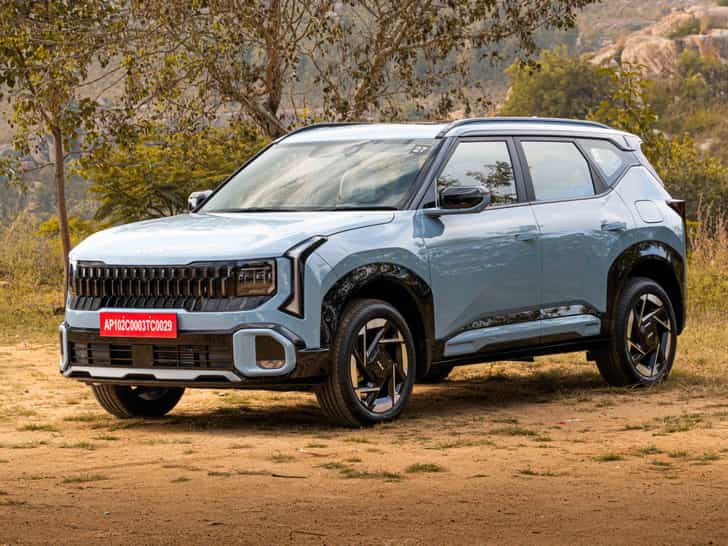
Every car maker has its own strategy. While Hyundai was the one to introduce the intelligent manual transmission, or IMT, it has withdrawn the option across the lineup. Kia, on the other hand, continues to offer IMT across its model range. While the idea of an IMT hasn't caught on, there is merit to the system. It removes the stress and bother of modulating a clutch while retaining the physical control of changing gears. The solution sits halfway between a manual gearbox and a full automatic gearbox, and its pricing reflects that.There is no clarity on whether the second-generation new Kia Sonet Turbo that is due in 2027 will be offered with an IMT, but the fact that the larger Kia Seltos has been launched with an IMT option suggests IMT is here to stay.As for your concern regarding switching between an IMT and a traditional manual with a clutch pedal, the driver is sure to hear a protest from the manual gearbox in the event the clutch pedal isn't depressed before a gear shift. One or two misshifts will not damage the gearbox.

Still have more question?
Get answers from Autocar experts and owners
- 9,000+discussions
- 20,000+users online
- 10,000+members
Hello Autocar community, I'm planning to buy a Kia Sonet HTX variant diesel torque convertor automatic. My only concerns are the car's safety and the possibility of a next-generation model launching next year. The current HTX variant is sufficient enough for me but since there is no crash rating and safety rating, I am not that confident about purchasing it. What is the owner's review of the safety of Kia Sonet diesel automatic?
The Kia Sonet diesel automatic is one of our favourite compact SUVs. The combination of the smooth and refined 1.5-litre diesel engine and the six-speed torque converter automatic delivers a polished and very upmarket drive experience that you don't expect in this segment. As a long-distance car, it works brilliantly. While the Sonet doesn't have a crash test rating, it does comply with India's latest crash safety standards, which are a good baseline to begin with. Yes, a global NCAP or Bharat NCAP crash test rating would have added more assurance but it's not a reason to avoid the Sonet. The second-generation Kia Sonet is due to arrive in 2027 and will offer the same engine and gearbox. Going by its cousin - Hyundai Venue - the next-gen Sonet promises a slightly roomier cabin and more tech. At the same time, the current Sonet still feels up to date in its tech and features, and is still a very tempting package.
I am confused between Hyundai Exter HX6 AMT or Honda Amaze VX CVT? My running would be around 500 km per month which includes 70% driving in moderate traffic and 30% driving on highway. In the end, I need a good and headache free car from cost point of view.
The Hyundai Exter HX6 AMT does pack in more features despite costing less money. A sunroof, cruise control, and an auto-dimming mirror are features that you get on the Exter HX6 AMT, but not on the Honda Amaze VX CVT. However, for your low running we'd prioritise the drive experience over these features that you might not actually utilise. It's the Honda Amaze VX CVT that makes more sense for your usage. It's got the far smoother gearbox, which will have a big bearing on your experience in the car. Fuel economy will not be as good as what you get on the Exter AMT, but with just 500km of running a month, the difference should not pinch you. Both cars offer a stress-free ownership experience.
I own a Tiago XZA (2017 model) that has clocked 60000km on odo in an excellent condition. Shall I upgrade it or keep it for a few more years? I am thinking of buying an EV under Rs. 18 lakh (on-road) but I am not sure about its running cost.
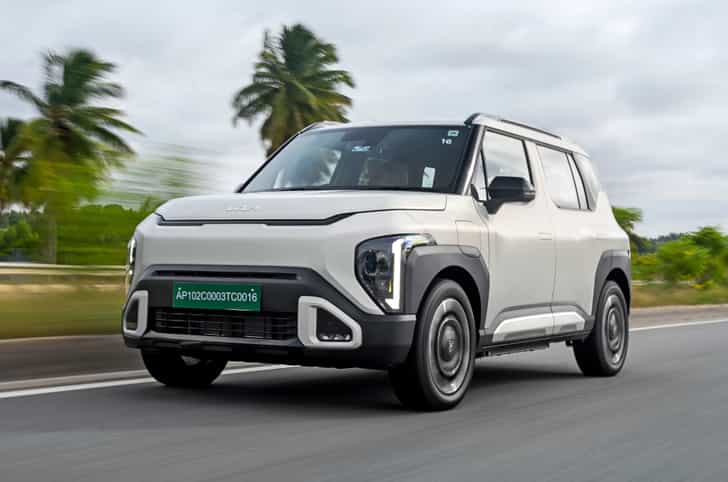
If you're happy with the performance of your 2017 Tata Tiago XZA, there's no reason to be in a hurry for upgrade. However, if a new EV is something that you're looking for, there are few options under Rs 18 lakh. Out of the current options available, the Kia Syros EV is our top pick. It's got a very refined powertrain, excellent space, and a genuinely premium-feeling interior. Other options of note include the MG Windsor EV, Maruti Suzuki e Vitara, and Tata Nexon EV. EVs are very affordable to run, and the lower running costs help justify the larger buying cost to a great extent. Of course, running cost will be lowest if you have the option to install an EV charger at your home or office. Solely relying on public charging, especially DC fast charging, can turn out to be expensive. Even so, the running costs comes out to a fraction of what you would have spent on your petrol car. Further, service requirements are minimal. Car makers are also offering long warranties on batteries, which adds some more peace of mind while buying an EV.

Need expert advice?
Ask the Autocar community and experts.