Autocar India
SH

Shravan

26w

Which is better, the AMT or the DCT in the Fronx Delta+ and Zeta variants? How different are they in driving experience and efficiency for moderate daily driving?

Autocar India team

Autocar India

Verified
26w
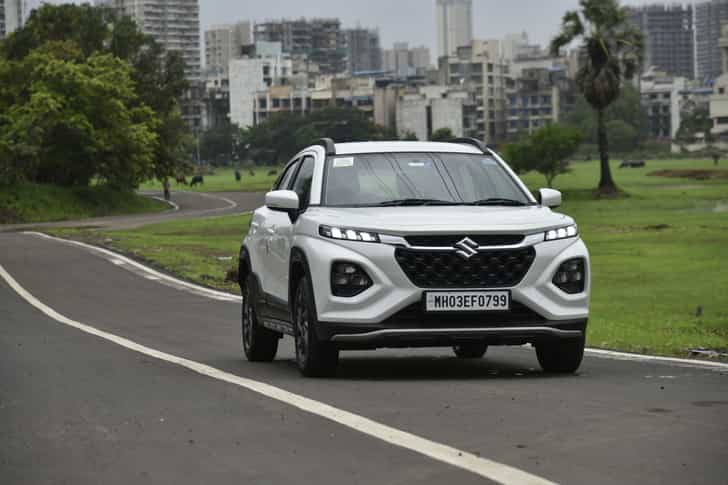
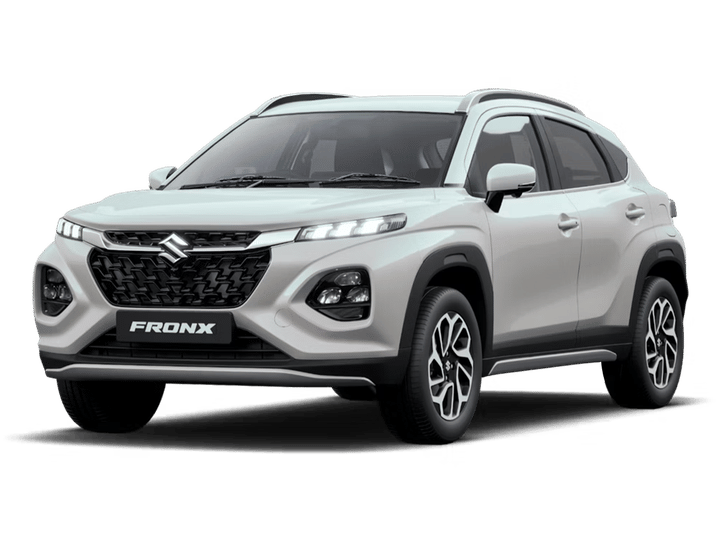
The Maruti Suzuki Fronx comes with a torque converter automatic, not a DCT, and the difference between that and an AMT is significant. The torque converter feels more premium, is smoother, and responds much quicker. What makes an even bigger difference is the turbo-petrol engine paired with this gearbox, offering noticeably more power and torque, making it far more effortless to drive.
In contrast, the AMT is mated to the naturally aspirated 1.2-litre engine, which, while adequate, isn’t as exciting. However, the turbo-petrol with the torque converter does lose out on value, as it costs nearly ₹3 lakh more at over ₹13 lakh on-road.
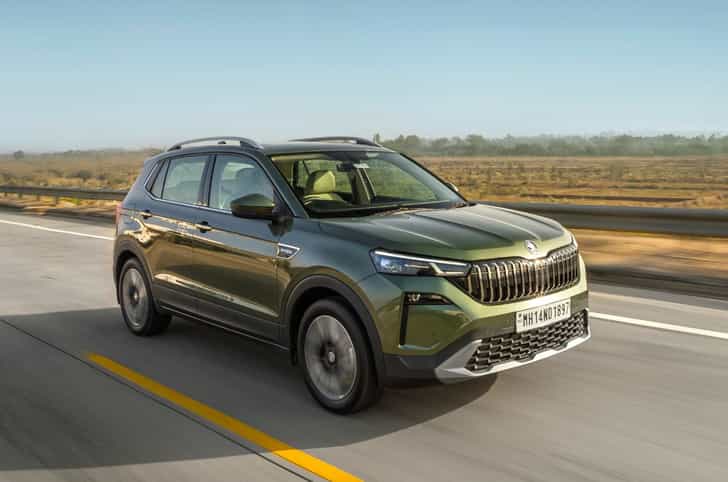
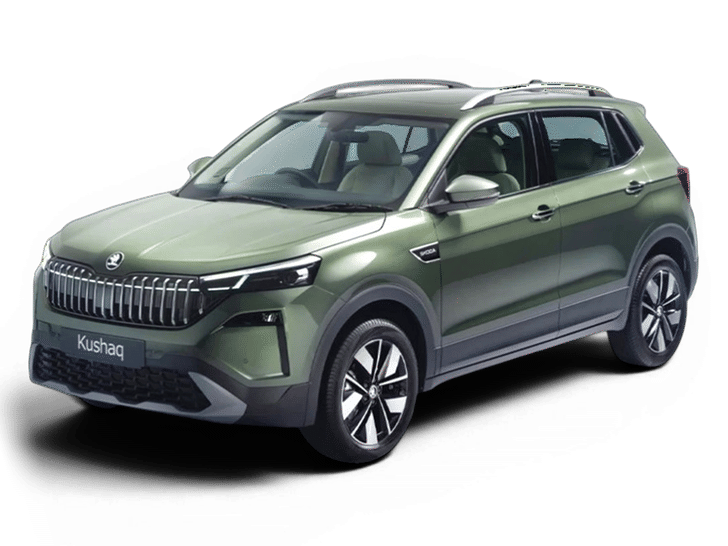
At that price, you could also consider better alternatives, like the Skoda Kushaq AT in the Signature variant or the newly launched Hyundai Venue DCT in the HX variant, both of which make more sense overall.
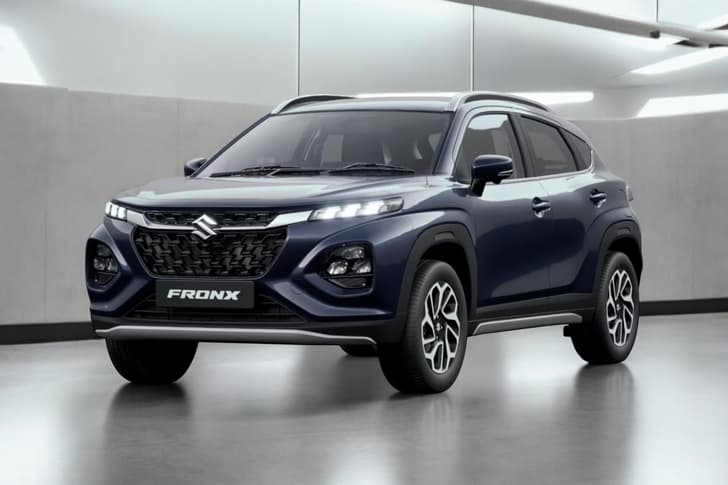
Maruti Suzuki Fronx

Maruti Suzuki Fronx

More questions on similar cars

SU

Soumith Uppu

2d

I am looking for a family car and am currently confused between the Tata Punch Accomplished AMT, Maruti Fronx Delta Plus AMT, and Hyundai Exter HX6 AMT. Could you please help me choose the best option?

Autocar India team

Autocar India

Verified
1d

It's really hard to suggest a car without knowing a bit more about your requirements, like rear space requirements and the distance driven per month. Thus, as a good all-rounder for a small family, the Maruti Suzuki Fronx Delta Plus AMT fits your brief best. Pick this variant because it gives you the most rear-seat space and a bigger, more useful boot than the other two, so adults sit more comfortably, and you pack more for trips. It also feels light and easy to drive in traffic, and the ride is calm over rough roads, which helps passengers, especially elders or kids.Two things to note: this automatic can feel a bit slow to pick up when you press the accelerator hard, and you will miss a few fancy features that sit on higher trims. If you drive with a full load on steep hills often, you may want to try it once to see if the response suits you.If you value tough build and the best ride on broken roads above all else, the Tata Punch Accomplished AMT is the second choice. It also has a smaller footprint for tight parking and a feature-rich cabin at a price like the Hyundai Exter HX6 AMT, too. Overall, for family comfort and everyday ease, go with the Fronx Delta Plus AMT.

VehicleMaruti Suzuki Fronx
VehicleTata Punch
VehicleHyundai Exter
TV

Tirth Vyas

2d

I am looking to buy a dual-fuel (CNG/Petrol) car mainly for city driving, with only a few instances of 300-350 km highway trips. My budget is around ₹10 lakh on-road in Ahmedabad.

Autocar India team

Autocar India

Verified
2d

Considering your requirements, you should take a look at the Tata Punch Pure+ CNG AMT. It costs Rs 10 lakh on-road, and being an AMT automatic, you'll appreciate the convenience on your city drives. The Punch also comes with a dual cylinder setup that's placed under the boot floor, so you don't have to compromise on boot space on your highway drives. Furthermore, it still gets a spare wheel too which should give you additional peace of mind. The Punch CNG AMT is compact and feels easy to drive in the city and it feels planted and composed at highway speeds, which is exactly what you'd want. Alternatively, you can consider the Maruti Fronx Delta CNG. While the Maruti will be more efficient than the Tata car, it only comes with a manual gearbox and you loose out on boot space as the CNG tanks are placed there.

VehicleTata Punch
VehicleMaruti Suzuki Fronx
PM

Ponnazhagan M

4w

I am looking for an automatic transmission car that can handle a mix of 60% city, 30% highway, and 10% mountain driving. Right now, I am stuck between the Virtus and Kushaq, though I am leaning towards the Virtus.

Autocar India team

Autocar India

Verified
1d

The Volkswagen Virtus is a strong fit for your driving mix, and the choice essentially comes down to whether you prefer a sedan or an SUV.The Virtus, in particular, has clear advantages. It offers a more compliant ride compared to the Skoda Kushaq, which tends to feel a bit firmer over broken roads. Its lower centre of gravity also gives it an edge in handling, especially on mountain roads, where it feels more planted and predictable. High-speed stability is another strength, making it well-suited for your highway usage.From a practicality standpoint, the Virtus also scores with a more spacious rear seat and a larger boot, which adds to its appeal as an all-rounder.The Kushaq’s main advantage is its higher ground clearance and taller seating position. This makes it easier to deal with rough patches, poor roads, and tricky urban conditions, while also giving a more commanding view of the road, something many drivers prefer in city traffic.So, if your priority is driving comfort, stability, and overall dynamics, the Virtus is the better pick. If you value ease of driving in tough road conditions and an SUV stance, the Kushaq makes a case. The 1.5 TSI version with the 7-speed DSG auto transmission for both the Virtus and the Kushaq suits your usage best.

VehicleVolkswagen Virtus
VehicleSkoda Kushaq

Popular discussions right now

TE

TechiePetrolhead

1w

Hi AutocarIndia Team, I am really interested in the Tata Sierra EV. Any scoops or news on when we can potentially expect the same to be launched here in India? Thanks, TechiePetrolhead

Autocar India team

Autocar India

Verified
5d

If you are waiting for the Tata Sierra EV, the good news is that it does not seem too far away. Current indications suggest a launch could happen either later this month or in June.Expect it to slot below the Tata Harrier EV in Tata’s electric line-up, likely with multiple battery pack options and a more premium positioning than the Tata Curvv EV. Tata has also indicated that both Rear Wheel Drive and All Wheel Drive versions are planned, which should make it one of the more interesting mainstream electric SUVs in India.

VehicleTata Sierra EV
VehicleTata Harrier EV
VehicleTata Curvv EV
VA

Vasu

1w

I own a Honda City 4th Generation and have been getting an average fuel efficiency of 16.1 km/l over 85,000 km. Would it be worth installing a CNG kit to improve the mileage further? Please suggest.

Autocar India team

Autocar India

Verified
6d

With the kind of mileage you are already seeing from your 4th generation Honda City, I would not rush to fit a CNG kit. Around 16 kpl over 85,000 km is actually a healthy real world figure for a petrol sedan, and since the City is known for its smoothness and refinement, adding an aftermarket CNG kit will inevitably change the character of the car. Honda does not offer a factory CNG option for the City, so any retrofit will be third party, which means compromises in boot space, some loss in outright performance and the added variable of installation quality and long term reliability. Honda also recommends using fuel that meets the vehicle specifications, and aftermarket modifications can complicate warranty or support considerations on newer cars.A CNG conversion only starts making strong financial sense if your running is very high and you plan to keep the car for several more years to recover the kit cost. If your annual usage is moderate, the payback period can be longer than expected. The only real case for going CNG here is if fuel cost reduction is your absolute top priority. Otherwise, given how well your City is already performing, I would leave it as is and enjoy the refinement rather than fixing something that is not really broken.

VehicleHonda City
VA

Varun

1w

I’m confused between the Skoda Kushaq 1.5 DSG and the Volkswagen Virtus GT 1.5 DSG. I personally prefer the Virtus for its sedan driving feel and enthusiast appeal, but the Kushaq seems more practical for long-term usage and family comfort. My main concern is: Will proper enthusiast sedans and 1.5 turbo petrol engines like the Virtus still exist 5–6 years later, or will the market fully shift towards SUVs, hybrids, and EVs? Would it make more sense to: Buy the Kushaq now and possibly move to a sedan later if the segment still exists, or Buy the Virtus now and keep it long term before enthusiast sedans become rare? Which would you recommend considering future trends, practicality, and ownership experience?

Autocar India team

Autocar India

Verified
4d

We would pick the Volkswagen Virtus GT now and keep it for a while because you already prefer the sedan feel and, over the next 5-6 years, cars like this are likely to become fewer while taller cars will only get more common. The 1.5 turbo with the DSG, which is a quick-shifting automatic, gives the Virtus a lively, smooth feel that makes daily drives and highway runs special. Also, if you truly enjoy sitting low and feeling connected to the road, the Virtus delivers that better than the Skoda Kushaq, so you’ll smile more every day you own it. And looking ahead, SUVs and hybrids will grow fast, but sporty petrol sedans will likely shrink in choice, not vanish overnight. So it makes sense to buy the one you really want now; the “practical” taller car will be easy to find later if your needs change. Moreover, the Virtus has plenty of ground clearance, especially for a sedan, so that should not be a worry either. Do bear in mind, though, that both the Virtus and its sister model, the Skoda Slavia, will be updated later this year, so if you can wait for just a few months, we would recommend doing so.

VehicleVolkswagen Virtus
VehicleSkoda Kushaq

Posted on: 10 Nov 2025