Latest questions answered by experts
I have been driving a Skoda Rapid Ambition Diesel for the past 13 years. It has been a great car with excellent fuel efficiency, although I wouldn't rate the after-sales service very highly. I now want to add another car to the family. My usage is 95% in the city, with a monthly running of 500-600 km, mainly for dropping my kids to school and tuition classes. Please suggest a car that suits this kind of usage. My priorities are fuel efficiency and safety. I am not looking for an SUV, as I feel they are more about show than practicality. I am also not interested in an electric vehicle, as charging availability is still a concern for me, and I feel most Indian EVs are still in the trial phase.
Given your usage of 500-600 km per month with 95 percent city driving, a petrol sedan is the most sensible choice. Diesel does not make financial sense at this running, and EVs are rightly ruled out given your concerns about charging infrastructure. The Honda City is the most balanced recommendation here. It is spacious and comfortable, with a proven naturally aspirated petrol engine that is smooth and efficient in city driving. The CVT automatic is particularly well suited to stop-start traffic, and Honda’s reputation for long-term reliability makes it a safe ownership proposition. The Hyundai Verna is also worth considering if you want a more engaging driving experience and more features, but given your usage pattern, the City’s comfort and reliability are more relevant. Overall, the Honda City offers the best balance of efficiency, comfort, and long-term peace of mind for your usage.
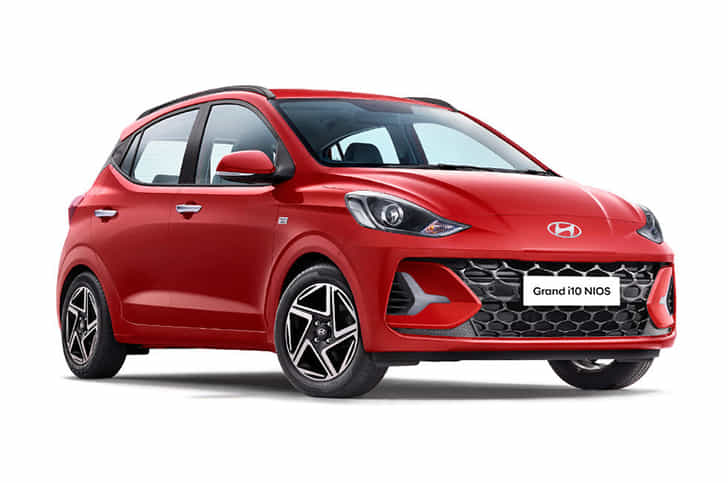
Hi Autocar India, I'm looking to upgrade my sister's 2021 Maruti Suzuki Alto 800. Her office commute is around 30 km, four days a week, and my budget is limited. I am considering the Hyundai Grand i10 Nios Magna Manual. Would it be a good upgrade, or would you recommend a better option in the same price range? My priorities are reliability, comfort, good fuel efficiency, and low running costs.
The Hyundai Grand i10 Nios Magna is a sensible upgrade from the Alto 800. It offers a more refined engine, better ride comfort, a more spacious cabin and a generally more premium ownership experience, while still being easy to drive and inexpensive to maintain. For a 30 km daily commute, it strikes a good balance between comfort and efficiency.However, given your priorities of reliability, fuel efficiency and low running costs, the Maruti Suzuki Swift is worth serious consideration. It is more fuel efficient than the Grand i10 Nios, has lower maintenance costs, and Maruti’s service network remains the most extensive in the country. In its VXI guise, you only miss out on rear AC vents compared to the Grand i10, but it is a much nicer car to drive and has better ride comfort and rear seat space.The clutch is light, you get a reversing camera, it is fun to drive and a lot more efficient as well, making it a better choice than the Grand i10.

Is there any news of a Vespa electric scooter coming to India? I am also waiting for an Ultraviolette electric scooter so that I can exchange my Vespa S125.
No, Vespa currently doesn't retail any electric scooter models in India. The Ultraviolette Tesseract is due to be launched in the first quarter of 2027 and, on paper at least, it has some solid specifications which will force the industry to sit up and take notice.If you want an EV that is classically styled, the Bajaj Chetak is a good option. The original Chetak's design was inspired by the Vespas of yesteryear, and that reminiscence carries forward even today. What helps matters further is that the Chetak is a proven offering from a reputed brand, and it comes in multiple variants to suit different needs. Take a test ride of the Chetak and see if it is up your alley.
Hi, I’m planning to buy a TVS Radeon since I commute around 75km every day, mostly in city traffic. I’d appreciate your suggestions or feedback on the bike, especially regarding its mileage, comfort, maintenance, and whether it’s a good choice for such a long daily commute. Thanks in advance!
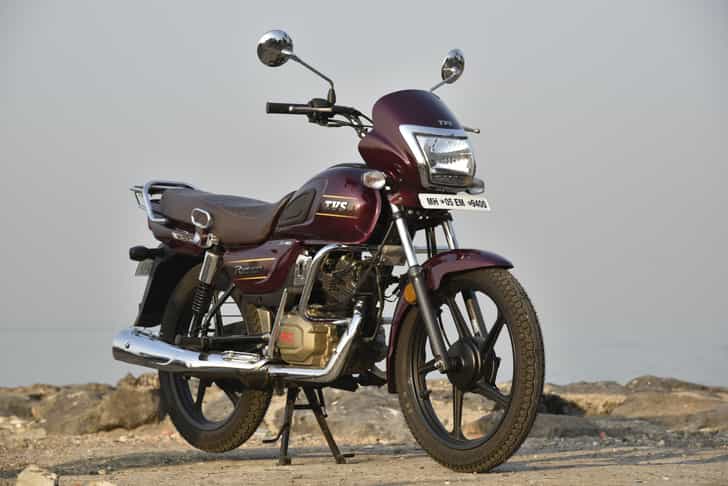
The TVS Radeon is a wonderful commuter which will return great fuel economy and be hassle-free to maintain in the long run. While it may look like your run-of-the-mill commuter, it doesn't feel quite as mundane as its rivals. One point to note is that the Radeon's shocks work best if you are on the heavier side or if you ride two-up, so if you are a skinnier rider, you may want to look elsewhere.If you do want something more comfortable, then the Bajaj Platina 110 is what you should be looking at in a similar price bracket.Take test rides of both machines to see which one you find more comfortable before you go ahead with your purchase.
I am a first-time car owner, and my budget is around Rs 7 lakh. My monthly running is about 500km, mostly on highways, and I also plan to do a trip of around 1,000km every six months. I am planning to buy the car for family use. Please suggest which is best. I am confused between the Tiago Pure Plus, Dzire LXi, Baleno Sigma, Exter HX3, Swift LXi, and Grand i10 Nios Magna.
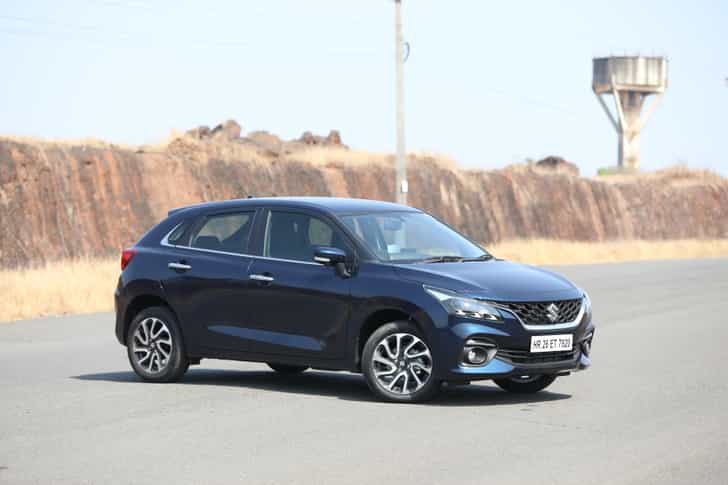
Go for the Maruti Suzuki Baleno Sigma. With a budget of around Rs 7 lakh and your usage pattern and family focus, the Baleno strikes the best balance. It is a proven, reliable and efficient hatchback with a comfortable ride and low running costs, making it ideal for your 500km monthly running and occasional 1,000km highway trips. The Baleno is also more spacious than the other cars on your shortlist, has a well-sorted suspension, and Maruti's extensive service network is a big advantage for a first-time owner. The Dzire LXi is a good alternative if you specifically want a sedan car, but the Baleno's passenger compartment is roomier, and it offers better value overall.The Tata Tiago is a solid option too, but the Baleno's stronger ownership experience and wider service reach give it the edge. The Hyundai Exter and Grand i10 Nios are good choices as well, but they are smaller than the Baleno. Overall, the Baleno is the best fit for your needs.
My budget is Rs 18.5 lakh, and I am getting the Creta S(O) IVT and Kushaq Signature AT. I am confused between the two. Around 90% of my usage is in the city, and I need a good automatic car. My preferences are: 1. Three people should be able to sit comfortably in the rear seat. 2. Good driving quality and build quality. 3. Good AC performance. 4. Low maintenance and peace of mind. Could you please suggest one between these two? Thank you.
Between your picks, the Hyundai Creta fits your needs better. Its rear seat is wider than the Kushaq's, the IVT is seamless and very relaxing to drive in the city, and Hyundai has a great reputation for after-sales service. The AC is also strong, and the build quality is solid.The Skoda Kushaq is the better choice for highway use. Its turbo-petrol engine offers stronger performance for quick overtakes, the 8-speed automatic feels more responsive than the Hyundai's IVT, and it is more engaging to drive. Its AC performance has also improved significantly with the recent facelift, but the cabin is not as roomy as the Creta's.Overall, the Hyundai car mentioned above is the better fit for your needs.
I want to buy my first car, and I have a strict budget of Rs 10 lakh. I will not use the car on a daily basis; I will drive it occasionally, and I live in Kolkata.
For a car under 10 lakh budget and occasional use, the Maruti Suzuki Baleno makes sense. It is a genuinely spacious hatchback with a comfortable ride. It's easy to drive in the city and has a proven ownership record. The naturally aspirated petrol engine is smooth and reliable, and Maruti’s service network in Kolkata is excellent, which keeps long-term running costs low.For occasional use, you want a car that is easy to live with, dependable and does not demand much attention, and the Baleno fits that brief perfectly. It also offers a good balance of features and practicality within your budget.If you prefer a slightly higher seating position, the Maruti Suzuki Fronx is worth considering.
Should I buy the Sealion 7 or wait for a few months for more options?
The BYD Sealion 7 is a very strong package, but whether you should wait depends on your priorities. If you need a car soon, the Sealion 7 is a safe recommendation. It offers strong performance, good range and a well-finished cabin. However, the electric car market is evolving rapidly, and several interesting models are expected over the next 6-12 months, including more affordable options and new premium EVs from established brands. If you are not in a hurry, waiting a few months could give you a clearer picture of the segment and potentially better value. If you need a car now, this BYD car is a solid choice.
I am planning to buy an electric scooter. Among the Hero Vida VX, Ather Rizta, and TVS iQube with similar 3.2 kWh battery packs, which one is the best overall and offers the best value for money?
Purely from a VFM standpoint, the Vida VX2 will have the Ather Rizta and TVS iQube beat because Hero has priced its EVs very well, especially if bought via the BaaS (Battery as a Subscription) model. However, price is just one part of the equation and to properly gauge between these three which would be the best fit for you, we'd recommend a thorough test ride to evaluate comfort, practicality, storage space, performance and whether the feature-set is to your liking or not.
I am thinking of buying the Toyota Hycross GX variant. The reasons for my choice are its reliable engine, trustworthy service network, and spacious cabin that can comfortably accommodate six family members. Could you please let me know if this is the right choice in the Rs. 30 lakh price bracket?
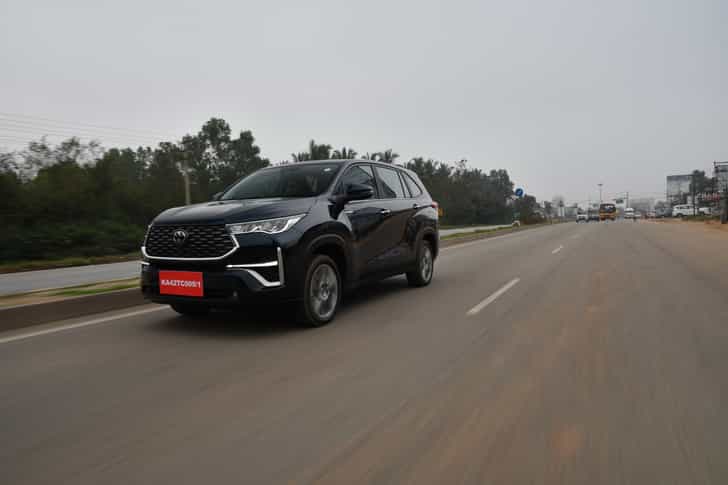
Yes, the Toyota Innova HyCross GX is a very sensible choice in the Rs. 30 lakh bracket, especially given your priorities. The 2.0-litre petrol engine is smooth, reliable and well-suited to long-term ownership, while Toyota’s service network and reputation for durability are among the strongest in the country. Where the HyCross really stands out is as a family car, it offers genuinely comfortable seating for six, a spacious and practical cabin, and a ride quality that makes long journeys easy. The GX variant also strikes a good balance between essential features and value, without pushing the budget unnecessarily. The only real drawback is that the petrol engine is not as fuel-efficient as the hybrid variants, but the hybrid versions are significantly more expensive and may not justify the premium unless your running is very high. Overall, the HyCross GX is a dependable, comfortable and practical family car that should keep you happy for many years.
I am planning to buy the Tata Harrier Adventure X Plus Dark Petrol Manual, and I booked it two months ago. However, I am not sure whether I will receive the car within the promised timeline. Should I continue waiting, or should I start looking at other available options? Also, could you tell me the expected waiting period for the above-mentioned Harrier variant? My annual running is roughly 6,000 km, and the Harrier's size and space suit my requirements well.
With a running of just 6,000 km a year, a petrol engine is the right choice, and the Harrier petrol is a good fit if you like the size and space. The bigger question is the waiting period. Tata’s official waiting periods can vary by city and dealer, but for the Harrier petrol, it is not unusual to see waits of 2-3 months depending on demand and allocation. If your dealer is already saying it may not arrive on time, it is worth checking with other Tata dealers in your city to see if they have a shorter queue or a cancelled booking in the same variant.If you are happy with the Harrier’s space and comfort, it is worth waiting a few more weeks rather than switching to a different car. The only reason to change would be if you need the car urgently. In that case, the Mahindra XUV 7XO petrol is the closest alternative.
Can you please suggest which car I should choose between the Hyundai Venue and the Volkswagen Taigun GT Line?
The Hyundai Venue and Volkswagen Taigun GT Line are quite different propositions. The Hyundai car is a compact SUV, while the Taigun GT Line is a midsize SUV with a stronger focus on driving dynamics. If your priority is a comfortable, easy-to-drive city car with good features and a strong ownership experience, the Venue is the better fit. However, if you enjoy driving and want a more engaging car with a stronger turbo petrol engine and a better ride and handling balance, the Volkswagen car is the clear choice. The Taigun also offers slightly more space too and feels more composed on the highway. The only drawback is that it is a more expensive car, so the decision really comes down to whether you value driving enjoyment more over outright value. If you do, go for the Taigun GT Line. If not, the Venue is the more sensible choice.
Need expert advice?
Ask the Autocar community and experts.