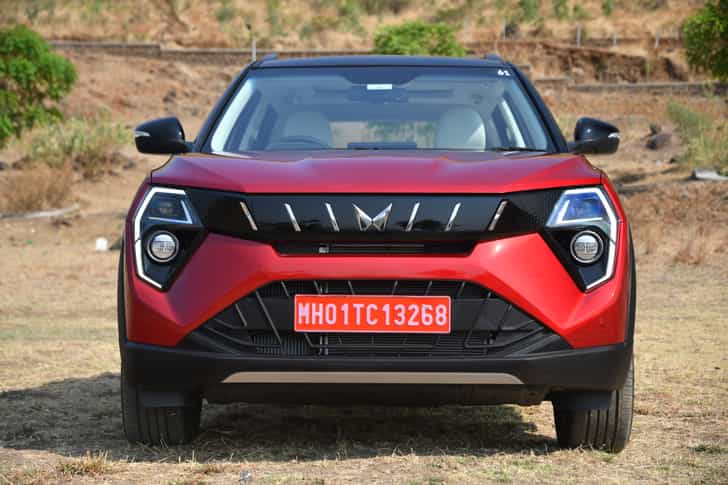
Is Tata Punch coming in diesel by the end of this year or early next year? Need to replace my 2017 i20 diesel asta. Annual run of 20-21k with 50:50 usage. Budget is 10-13 lakh on-road, Gurgaon. Need something that has more ground clearance than i20 as it would be plying in the village or tier 2 cities as well. PS: Don’t want to be in long queues for the CNG and EV charging isn’t possible at my current residence.

 Mahindra XUV 3XOTata PunchHyundai i20
My car usage is hardly twice or thrice a week. I don't use my car for daily travel. My budget is Rs 10 lakh. I currently have a 2012 Hyundai Eon Sportz and want to upgrade to a better make and model, preferably a crossover or SUV. Which would be the best option among the following: Tata Punch/Nexon, Maruti Fronx, Renault Kiger, and Mahindra 3XO?
Mahindra XUV 3XOTata NexonTata PunchMaruti Suzuki FronxHi! I am planning to buy the Toyota Innova Hycross, as I am finally looking to upgrade after driving my Volkswagen Vento for the last 10 years. However, I have heard rumours that a facelift might be coming soon. Since we are currently in September, should I go ahead with the purchase now, or would it be smarter to wait until an official announcement is made before deciding?
Toyota Innova HyCross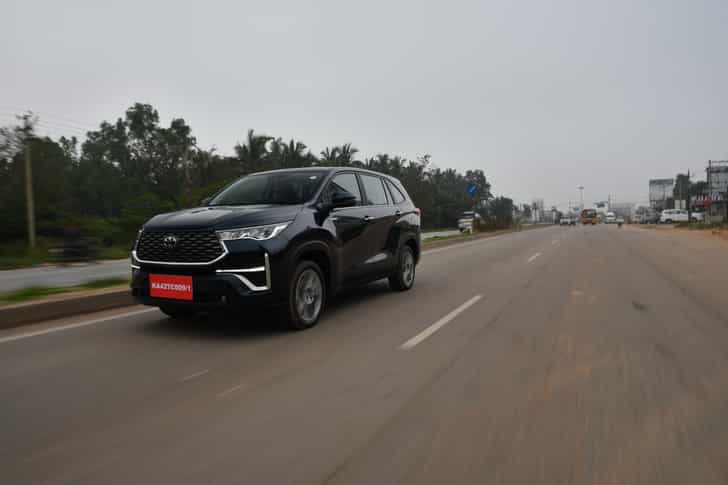
Hi! I am planning to buy my first car. My budget is around Rs 15-16 lakh, and I will be using the car for around 500-600km a month, with 60% of my driving on highways. I am confused between the Venue N Line N6 manual (I might get the automatic if it fits within my budget) and the Creta EX(O) Summer Edition. My mom and dad really liked the Creta, but I feel the Venue N Line offers better value for money. Which one should I choose?
Hyundai CretaHyundai VenueHi, I am looking to buy a car. I like the Syros EV Blackline as well as the Duster Iconic Launch Edition. My commute is about 70km per week for office, and I would try to take a day trip over the weekend at least once a month, along with longer 700km round trips once every 3-4 months. I am seeking advice on what makes the most sense for my usage. I am also open to other suggestions. Also, if I choose the Duster, should I wait for the Duster Hybrid? What advice would you give?
Kia Syros EVMG WindsorHi Autocar Team, I am looking to purchase a hybrid/petrol AMT car/SUV with a budget of Rs 15-21 lakh. My requirements are primarily city usage with monthly long drives, good safety, a spacious rear seat, reasonable boot space, a smooth ride, and good after-sales service support in the Pune region. Kindly suggest a suitable car.
Maruti Suzuki VictorisMaruti Suzuki Grand VitaraToyota Urban Cruiser HyryderHonda Elevate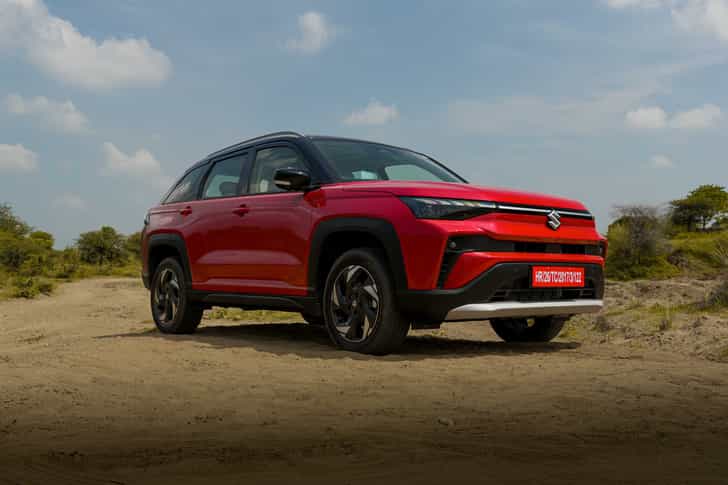
Hi, I am planning to buy my first car and will learn to drive in the same car. I would appreciate some advice. My requirements are: 1. Maximum budget of Rs 7-7.5 lakh on-road; I am open to base variants. 2. Usage of around 800km per month, mostly on weekends, including two Pune-Kolhapur highway trips per month. 3. Usually three average-sized adults in the car, but it should be comfortable for four average-sized adults. 4. I am planning to keep the car for as long as possible, so it should be reliable, easy to maintain, have good after-sales service, and offer basic safety features.
Maruti Suzuki SwiftMaruti Suzuki FronxI am looking to buy a sub-compact SUV and have shortlisted the Brezza ZXi AT and 3XO AX5 AT. The Brezza seems more reliable, but the 3XO has more features. My driving is mainly in Hyderabad stop-and-go traffic, with occasional long-distance trips. My requirements are comfort, reliability, and peace of mind while driving. Please advise. Also, is it worth waiting for the Hyundai Bayon, assuming its pricing will fall in the same segment? And is the Honda Elevate a good buy if we are getting good discounts compared to the other three?
Hyundai BayonMaruti Suzuki BrezzaHonda ElevateRenault KwidI need an SUV with minimum 470 liters of boot space and manual transmission where I need more than 12 years with minimum complexity turbo petrol engine (NA is better) and budget is on-road price 22 lacs max. Can you suggest me at least 2 cars ?
Honda ElevateKia Carens ClavisMaruti Suzuki XL6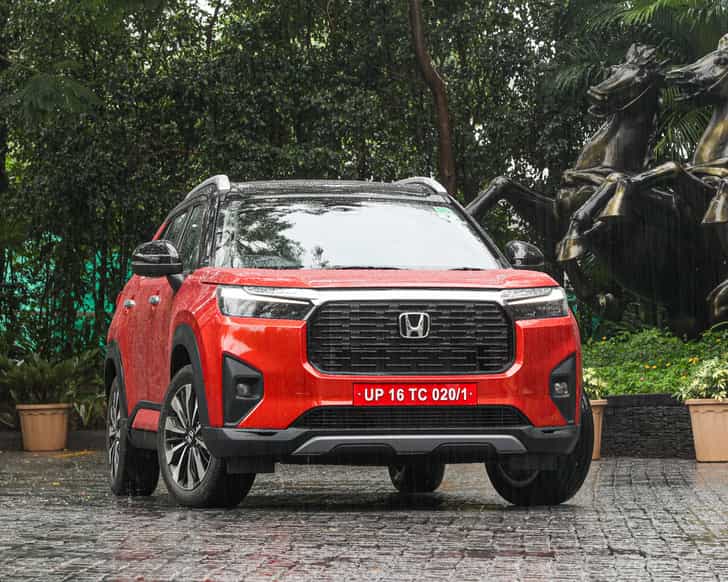
XUV 7XO AXT diesel automatic vs XEV 9S: which one should I buy? My driving is around 40-50km per day, with 80-90% of it in the city. I like to go on short trips almost every 15 days, so I believe DPF should not be a problem, but I would like your advice on this. I can also have a charger installed at home. Which one would you suggest?
Mahindra XEV 9SMahindra XUV 7XOI live in Bangalore and want to buy a car. My usage is around 20km per day, at least three times a week, along with a few day trips around Bangalore within 100km and a couple of weekend trips around Bangalore for leisure. I like the Syros EV Blackline and Duster Iconic Launch Edition. Both are in a similar budget. What would you recommend? Are there any other cars you would suggest?
Renault DusterKia Syros EVI am confused between the Elevate and the Creta. I understand that the Creta is the more established one, but with Honda, the value it brings is amazing, while the price of the Creta is a bit higher than the value it offers. I am mostly a city driver, with around 95% of my driving in the city and occasional highway trips, covering around 10,000km per year. Can you help me get some perspective?
Hyundai CretaHonda Elevate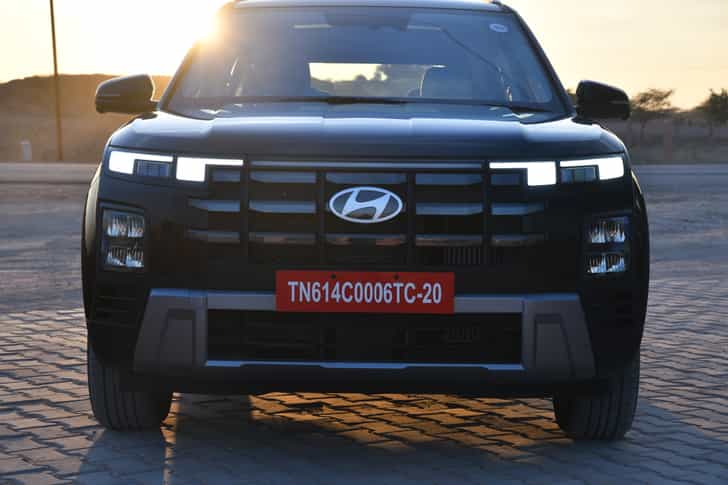
Hi! I am planning to buy my first car. My budget is around Rs. 15-16 lakh, and my monthly running would be less than 500-600 km, with around 60% of it on highways. I am confused between the Venue N Line N6 manual (I might consider the automatic if it fits within my budget) and the Creta EX(O) Summer Edition manual. My mom and dad really liked the Creta, but I felt the Venue N Line N6 offered better value for money. Which of these two would be a better option for my requirements?
Hyundai CretaHyundai VenueI was previously driving a Dzire and now want to switch to a new car. I can afford up to Rs. 16-20 lakh. I am looking for better interior comfort and a powerful engine, and an automatic is a must. Mileage is not a major concern. My options are the Seltos, Creta, Sierra, and Tekton. Please help me choose the better option.
Kia SeltosMaruti Suzuki DzireHyundai CretaTata SierraNissan Tekton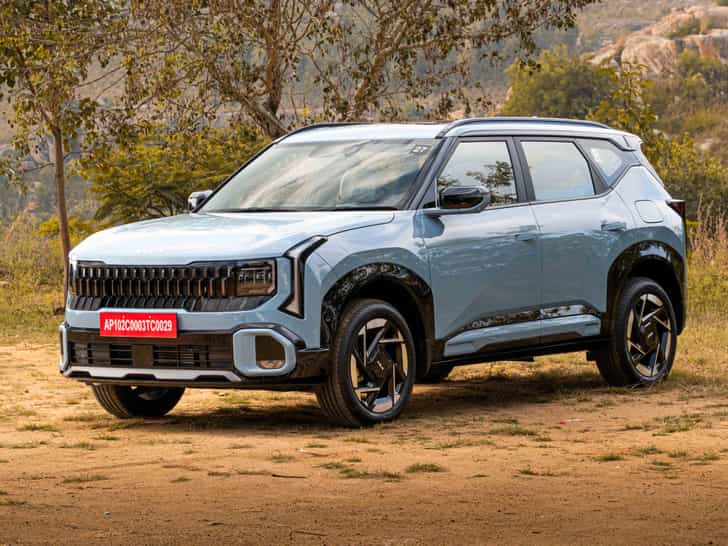
I own an Toyota Innova Crysta VX manual for the past 8 years that has completed one lakh km. I use it mostly for long distance and occasional city use. For most city driving, I have a Kia Sonnet automatic. Now, I am planning to buy an Toyota Innova HyCross. Should I go for the hybrid or NA petrol version? Also, can I consider Invicto for hybrid?
Toyota Innova HyCrossMaruti Suzuki InvictoHi, I have a Kia Carens 1.5 turbo DCT and an Xcent AMT. I am looking to replace the Xcent with an EV. My monthly running is around 20k km, with mostly city usage. I want a sporty EV in the Rs. 20-25 lakh price range that will be more enjoyable to drive than the Kia.
Mahindra BE 6 SporteqVinfast VF7