
Latest questions answered by experts
Hi, I am planning to buy a compact SUV or MPV. I am 6ft tall with a broad build, and my requirement is to comfortably accommodate a baby seat and two average-built adults (around 5.5ft tall) in the second row. Safety, a strong body structure, good suspension to minimise back pain, and a long warranty are my top priorities for peace of mind. My usage will primarily be in the city, with two long family drives every month. My budget is around Rs 15-20 lakh, although I am flexible and open to considering EVs as well. Are there any sub-4m or compact five-seater SUVs that can comfortably meet these requirements, or would a seven-seater be a better choice? I am unable to find a suitable MPV with a strong safety package in this price range. Would appreciate your suggestions.
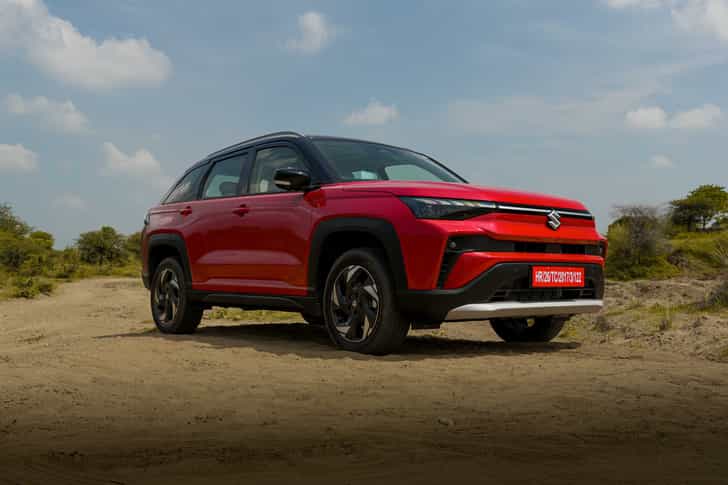
For your needs, check out the Mahindra XUV 3XO. It has one of the most spacious cabins among compact SUVs, a great safety rating and great suspension that's very absorbent. It has a wide range of engine options, including petrol, diesel and CNG, and they are all quite powerful and should suit you well on your highway drives as well as in the city. At your budget, you can choose any of them, including a top-spec automatic. There is an electric version, too, but given you want to use it for occasional highway runs, its range may be a limiting factor. Alternatively, you could move up to a larger mid-size SUV like the Kia Seltos or Renault Duster, which both have good safety ratings and are even more spacious, but bear in mind that within your budget you will only get a mid- to upper-mid variant.

Hi Team, thanks for your AAA videos. I previously owned a Tata Altroz but had to sell it due to back pain, as road undulations and uneven surfaces were directly felt through the seat and affected my spine, particularly after three years of ownership. I am 6ft tall with a broad build, and my budget is Rs 15-20 lakh, although I am flexible on both budget and powertrain. Strong build quality, safety, long-term reliability and a good warranty are essential for peace of mind. I am looking for a five-seater that can comfortably accommodate a baby (0-5 years) in a child seat and two average-built adults (around 5.5ft tall) in the second row, while also offering a good-sized boot. My driving is predominantly in the city, with weekend trips twice a month, during which all five seats will be occupied and the baby seat will be used. Would a sub-four-metre SUV or a compact SUV be able to meet these requirements, or would an MPV be a more practical choice? The current MPV options seem limited, and I am also concerned about their build quality and safety reputation. I would appreciate your suggestions.
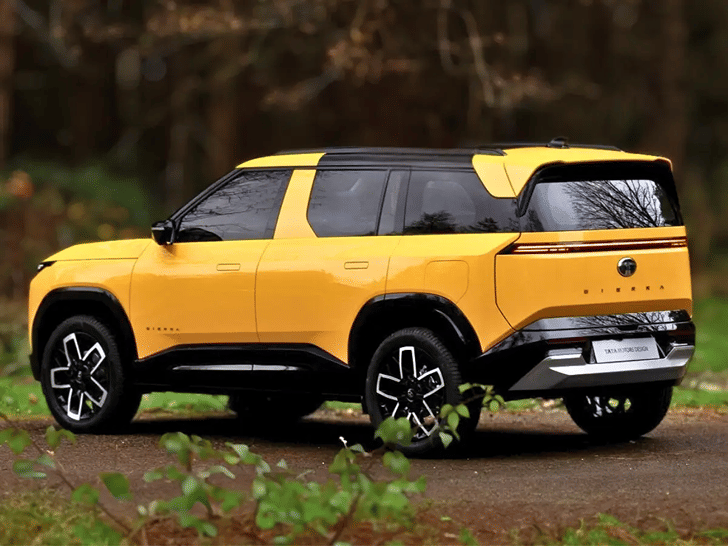
With a child seat in place most cars aren't going to be comfortable to accomodate two adults in the rear seat. Still, if you wish to purchase a five-seater, consider an SUV with a wide backseat, such as a Tata Harrier Pure X Turbo-petrol-manual. This version is priced under Rs 20 lakh on-road, and is likely to be a logical upgrade from your Altroz. Entry-level turbo-petrol-manual variants of the three-row SUVs like the Mahindra XUV 7XO and Tata Sierra will also be in your budget.
I am planning to buy a new hybrid SUV within the next three months, with a budget of around Rs 25 lakh. Should I wait for the Kia Seltos Hybrid, or would you recommend considering any other hybrid SUVs in this price range?
Since you have been using a Renault Duster, why not consider the new Duster hybrid? It feels tough and still carries forward a fantastic ride-handling balance as your outgoing car, and with electronic power steering, it feels easier to drive too. As far as features go, the new Duster feels modern and packs most of the modern niceties, although it misses a 360-degree camera, auto-dimming inside mirror, wireless charging and ADAS, all of which are offered with the turbo-petrol version. If you can live without these, the new Duster hybrid is the one for you. The New Kia Seltos hybrid and Hyundai New Creta hybrid are expected to launch in 2027; however, in the absence of any further information, your wait could extend to many months before these make their India debut.
Upcoming launch buzz
Community discussions on upcoming launches
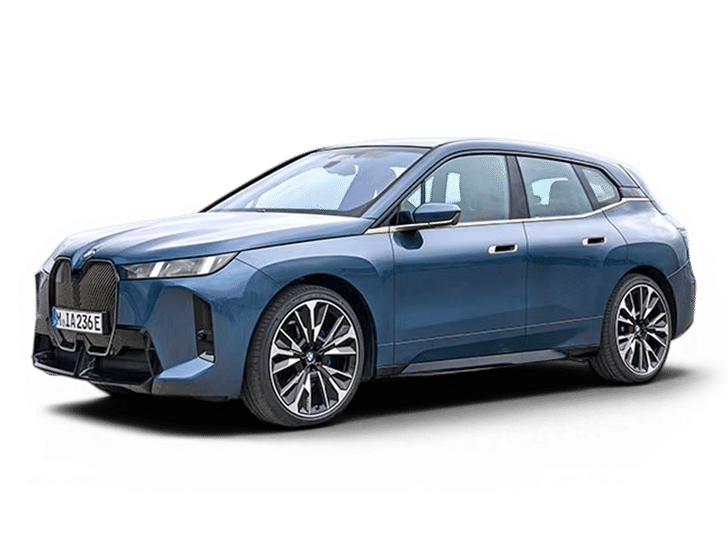
BMW
iX facelift
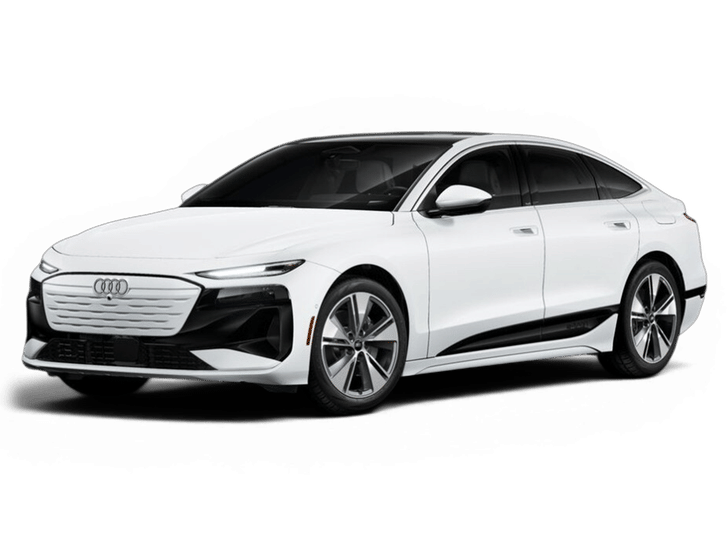
Audi
A6 e-tron
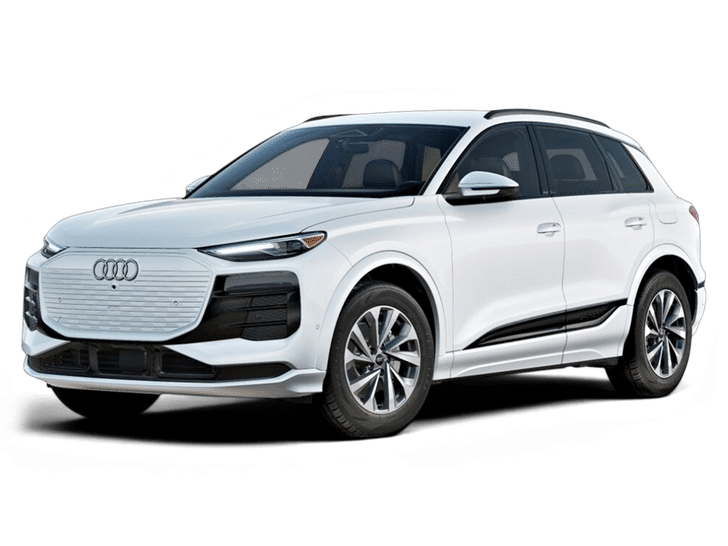
Audi
Q6 e-tron
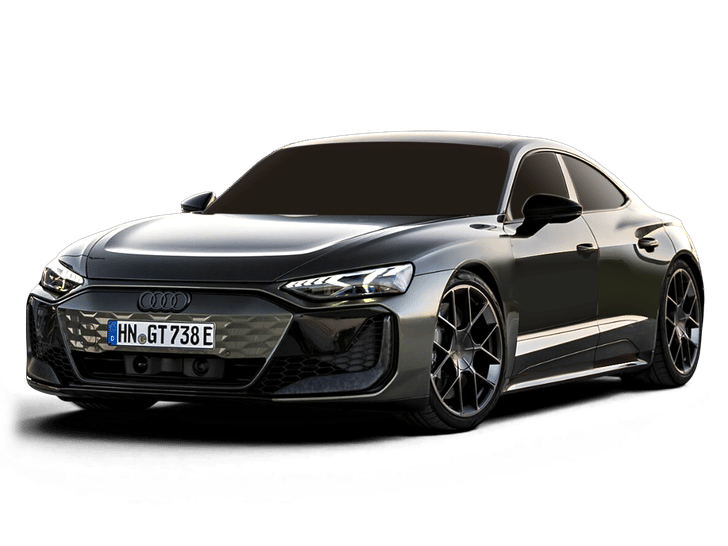
Audi
e-tron GT facelift

Vinfast
VF5

Mini
Cooper Electric
Honda
ALPHA
JSW Motors
Combat
Volkswagen
Virtus facelift
Hyundai
Compact EV
Still have more question?
Get answers from Autocar experts and owners
- 9,000+discussions
- 20,000+users online
- 10,000+members
I currently own a 2018 Maruti Suzuki Celerio ZXI (O), which has covered over 62,000km. My monthly running is around 1,000km, with approximately 65 percent of it being in the city. I am now looking to upgrade to a safe and reliable sedan or crossover SUV within a budget of Rs 20-23 lakh. Considering the rising fuel costs and the uncertainty surrounding ethanol blending in the future, would it make sense to choose a hybrid or an EV as my primary car, or would a petrol or diesel model be a more practical option? Kindly suggest a suitable vehicle based on my usage pattern and long-term ownership requirements.
The Maruti Suzuki Victoris Hybrid is a logical upgrade for you if you wish to upgrade within the Maruti brand. With some attractive ongoing discounts, you can get a really good deal on the hybrid version, which delivers impressive fuel efficiency and smooth, zippy performance in the city. If you have the option of home charging, you could opt for a Hyundai Creta Electric, which is also offered with some heavy discounts. The Creta Electric is a very sensible, no-nonsense EV with which you can expect a predictable, fuss-free ownership experience.

I am currently driving a Wagon R CNG for my daily 40 km city commute and occasional 500 km family road trips. I want to upgrade my car for better safety, mileage, and comfort. With a budget of Rs. 15 lakh, I am considering the Tata Nexon diesel automatic in the Camo edition. Could you please guide me on whether it is a good choice, or if I should wait for the next-generation Nexon or consider another option?
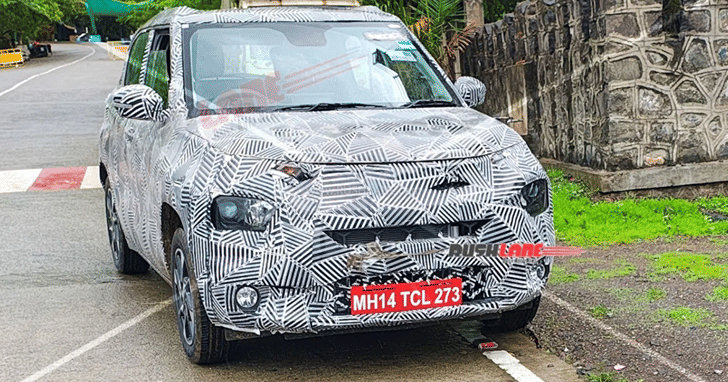
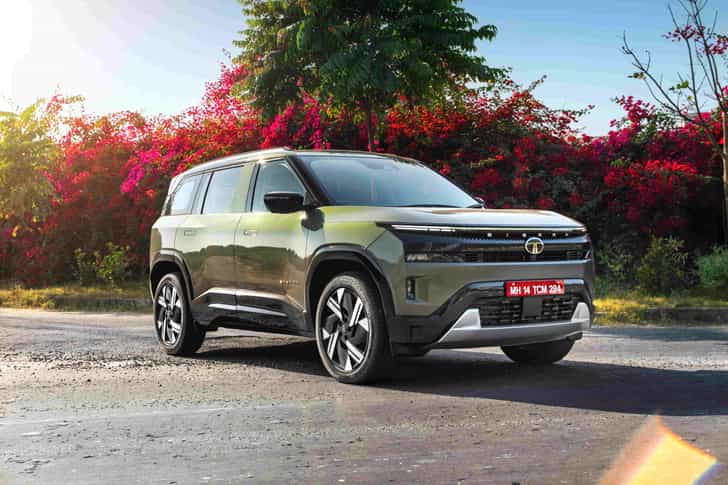
The Tata Nexon delivers good value for money and is a practical, proven compact SUV. Its diesel-AMT isn't the smoothest or most refined option in that segment, and Tata's service experience is reported to be inconsistent. Lastly, the next-gen Tata Nexon is expected next year; however, it remains to be seen whether Tata will continue offering a diesel engine option. So, if you like the Nexon diesel-AMT, it could make sense to get one right now.If you are open to options, the Mahindra XUV 3XO diesel-AMT feels smoother, punchier, and more refined than the Nexon. You could also look at the Hyundai Venue or Kia Sonet diesel-automatic - both will be more efficient and have a proper, smoother torque converter, not just an automated manual gearbox.
im looking for a car for 50-55 lakhs on road . My usage is 20 km per days on most days and once or twice a week i use about 100 km. im considering betwee tesla model y premium rwd and sealion 7 premium. I love driving on highways and i like the planted feel of driving
Both cars are excellent options, but given your requirements, we feel you should go in for the Tesla as it edges ahead of the BYD slightly in a few key areas. Both cars are full of tech and rely heavily on their large touchscreens to control most vehicle functions, but the BYD has some physical controls for easy access. However, the Tesla's touchscreen interface is superior to BYD's and is very easy to use, even when on the move. It gets further ahead in space, which is a bit more than what the BYD Sealion 7 offers, and there's a greater sense of airiness too. While the BYD has the larger battery and a healthy amount of range, the Tesla is more efficient and thus ekes out a greater range in the real world. But most significant to you is the ride and handling mix, where the Tesla has a real edge on the BYD. The Sealion 7 is comfy and easy to manoeuvre, but the Tesla adds a dimension of fun and confidence at high speeds that puts it ahead. On your regular highway drives, we feel you'll appreciate this more, and thus it's the Tesla you should go for.
I currently drive a Mahindra KUV100 and am 6 feet 2 inches tall. I primarily want to upgrade to an SUV, and I have shortlisted the Mahindra XUV 7XO and the Scorpio-N. I am also considering the Kia Seltos Hybrid or the Maruti Suzuki Grand Vitara Hybrid purely for fuel efficiency. Can you please help me zero in on the right choice? My budget is up to Rs. 25 lakh, and my main requirements are: Good mileage, a spacious and well-appointed third row, or, for a two-row SUV, a roomy cabin suitable for a tall person, a well-built car, and a vehicle I can keep for 10+ years
For a tall passenger, the Kia Seltos and Maruti Suzuki Grand Vitara aren't the best picks. Cabin space is fine for average-size adults, but someone of your height might find headroom, particularly at the back, less than ideal. Among mid-size SUVs, the Tata Sierra is best suited for tall passengers, offering the most headroom, legroom, and cabin width in the segment.Among the two Mahindra cars on your shortlist, we'd go for the Mahindra XUV 7XO. It's a roomy car with good space in the first and second rows. The third row is cramped, though, and access to the very back isn't very convenient. You could also look at the Tata Safari, which is big on space and offers more flexibility thanks to middle-row fore-aft movement. It's also got the better third row.Since fuel economy is a concern, we'd recommend you only look at the diesel versions of the XUV 7XO and Tata Safari. These are big and heavy SUVs, and their petrol versions aren't particularly efficient. The catch with modern BS6 diesels is the need to go for long drives every few weeks to help DPF regeneration and keep the engine running in fine nick.

Still have more question?
Get answers from Autocar experts and owners
- 9,000+discussions
- 20,000+users online
- 10,000+members
Hello Team, I want to upgrade from a bike to a car for my family. I am considering the budget segment and looking for a refined four-cylinder engine that delivers good mileage in both the city and on highways, while also prioritizing safety. Could you suggest the best option given these requirements?
Consider the Hyundai Venue 1.2-litre petrol. It has a smooth, refined four-cylinder engine and should return respectable fuel efficiency too. As far as safety goes, this Hyundai car has been awarded five stars by Bharat NCAP, and it is equipped with safety features like six airbags, ABS with EBD, ESP, and hill-hold assist, among others.
I was also in a dilemma about whether to buy the Kia Sonet or go with another car. Which sub-4-metre compact SUV would you suggest other than the Sonet? Thanks in advance.
The Kia Sonet is a good car, with many engine and gearbox options, good quality, and loads of features. However, this Kia car is also at the end of its product life cycle, and as such, rivals have gotten ahead in a few key areas. Most notably, its rear seat is not big on space, and its ride quality is quite choppy. If, however, you like the Sonet's good qualities, you should consider the Hyundai Venue instead. It is a newer-generation car, with even more advanced tech, the same great engine and gearbox options, and has fixed the Sonet's two main shortcomings with much improved rear seat space and softer, more pliant ride quality. This Hyundai car is a bit more expensive, but we feel it's worth it for all the advancements it brings.
Hi Autocar, great fan here! I am desperately looking for series hybrid cars from Mahindra, Hyundai, Renault, or Kia. Please let me know their exact launch timelines.
For wider understanding a parallel hybrid is one in which the engine and electric motor can independently or jointly power the wheels. On a series hybrid, the engine only acts as a generator, with the wheels solely driven by the electric motor. Strong hybrid cars currently sold in India, such as the Renault Duster Hybrid, Toyota Urban Cruiser Hyrder Hybrid, Maruti Suzuki Victoris Hybrid, and Maruti Suzuki Grand Vitara Hybrid, are series-parallel hybrids.A pure series hybrid system is less complex and cheaper to manufacture. At the moment, however, there are no definitive timelines for the launch of series hybrid models from Mahindra, Hyundai, Renault, or Kia. We understand, Mahindra is exploring series hybrid versions of its INGLO architecture-based electric cars like the Mahindra XEV 9e but there's no official confirmation on this.The first of the series hybrid models in India is expected to come from Maruti Suzuki on the facelifted Fronx. The model was expected to arrive in 2026, but will likely make production in 2027. Maruti Suzuki's series hybrid will be based around the Z12 E 1.2-litre, three-cylinder petrol engine.

Still have more question?
Get answers from Autocar experts and owners
- 9,000+discussions
- 20,000+users online
- 10,000+members
Hi, I am from Kolkata. I have been driving a Honda Brio S MT for 13 years and have not faced any issues with my car. Now, I am looking to replace my car and upgrade to a sub-4-metre SUV. I drive 70% in the city and 30% on the highway for long drives with my family. My daily running is 30 km, and my family consists of four people, including me. I am looking for a petrol car that is safe, offers driving comfort, is fuel-efficient, and has good ride quality, decent boot space, and stability. My budget is around Rs. 12 lakh. With so many options in the sub-4-metre segment, please suggest two cars that suit my requirements.
The top pick for you would be the Maruti Suzuki Brezza Turbo. It offers a nice driving experience with ample performance both in city and highway driving. Importantly, this Maruti Suzuki car is also among the most fuel-efficient options in the category. What also works in the Brezza's favour is ride comfort. The well-padded seats also enhance the experience. There's good space for four adults to sit in comfort, and boot space is also decent. The other option worth a look is the Hyundai Venue with the 1.2-litre naturally aspirated petrol engine. It's a pleasant engine with good performance for city driving, though performance out on the highway is just adequate. The cabin of this Hyundai car is well built and feels roomy, while boot space is plenty.
Dear Autocar India Team, I need your expert advice on whether switching to a diesel or strong hybrid automatic car makes financial sense given my high monthly running. My Current Cars: 1. Hyundai i20 Asta (O) Petrol Manual - 9 years old, 81,000 km, good condition (currently a backup car). 2. Honda Amaze VX Petrol Automatic - 2 years old, 43,000 km, good condition. My Requirements: - Monthly running: 3,000 km (approximately 36,000 km annually). - Driving pattern: 90% highway. - Transmission: Automatic only (manual not possible due to a knee issue). - Budget: Rs. 12-14 lakh. No ADAS required. Not a fan of fancy features like Sunroof etc My Questions: 1. Is switching to a diesel automatic or strong hybrid genuinely economical for my usage? 2. Which option offers better long-term savings considering fuel, maintenance, depreciation and resale value? 3. Should I sell my i20 or Honda Amaze to fund the upgrade? 4. Which automatic car would you recommend within my budget? Since both my existing cars are in good condition, I want to make a financially sensible decision rather than upgrade unnecessarily. Or Should I continue with the same cars. My first car was sold by me after using 180000 km Maruti Astar. Looking forward to your unbiased expert recommendation. PRATHAMESH from Ratnagiri, Maharashtra
At your running of around 3,000km a month, a diesel automatic does make financial sense, particularly with 90% of your driving on highways. Cars such as the Hyundai Venue and Kia Sonet offer diesel automatic options within your budget. However, modern diesel engines paired with torque converter automatics do not necessarily deliver a sufficiently large efficiency advantage over your existing petrol automatics to justify changing cars purely for fuel savings.We would actually suggest considering a strong hybrid instead. If you are willing to sell one of your existing cars and increase your budget, the Maruti Suzuki Victoris strong hybrid and the Renault Duster hybrid are worth looking at. While strong hybrids deliver their biggest efficiency gains in city driving, they will also prove to be considerably more efficient than conventional petrol automatics or diesel automatics on highways. The Victoris or the Grand Vitara, in particular, offers a good combination of efficiency and ownership convenience.As for your existing cars, the two-year-old Amaze is still relatively new and in good condition, while the i20 has already served you for nine years. If you decide to upgrade, selling the i20 and retaining the Amaze as a backup would be the more logical approach.
Hi, We're looking to buy a new EV for our family of four adults to replace our five-year-old Tata Nexon EV. The car will be used only for city driving in Bengaluru, covering 15-20 km a day. We're looking for a stylish yet practical city car with good rear-seat comfort, and our budget is up to Rs 50 lakh. Our other car is a Toyota Innova Hycross hybrid, which is a little too large for smaller roads. We'd appreciate your advice!
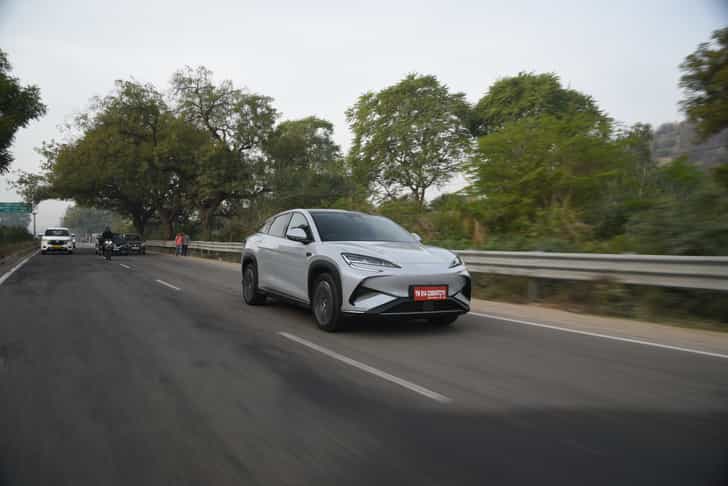
For your requirements, the BYD Sealion 7 would be our primary recommendation, with the Atto 3 as an alternative if you prefer something smaller and easier to manoeuvre around Bengaluru.The Sealion 7 offers an excellent combination of space, comfort and premium appeal. Its cabin quality and fit and finish are impressive, while the rear seats are particularly comfortable, with generous legroom, good cushioning and recline adjustment. It also has a large boot, making it a practical family car for four adults. The smooth performance and well-equipped cabin add to its appeal. The BYD Atto 3 is worth considering if you want a more manageable city car. It has a comfortable cabin, good rear legroom and a relaxed driving experience, while its smaller dimensions make it easier to navigate narrow roads and parking spaces. However, it doesn't feel quite as premium or spacious as the Sealion 7.
Need expert advice?
Ask the Autocar community and experts.