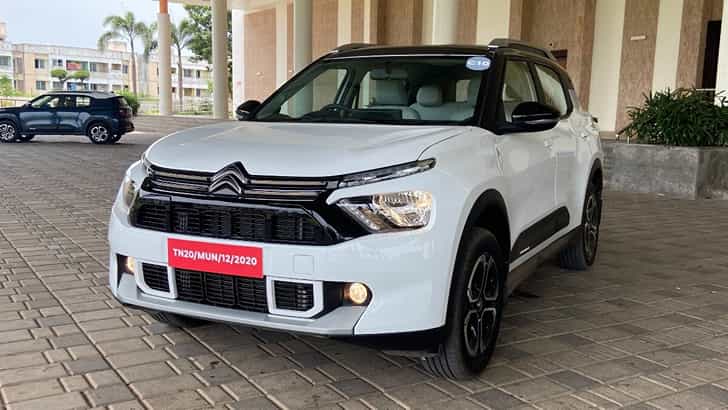
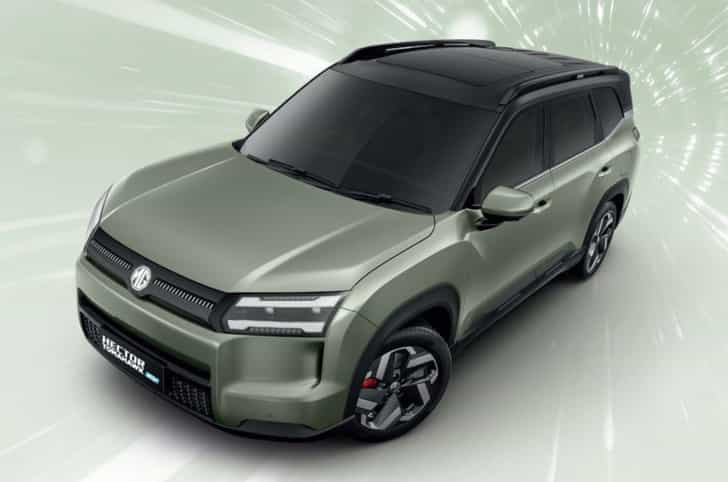
My budget is around Rs. 30 lakh for a chauffer driven car that will be used for approximately 140 km of daily commute (70 km from home to office and same for vice-versa) that translates to approximately 40,000 km annually. I will be using the rear seat and my priority is a convenient and safe journey without any tiredness because I travel daily. Please suggest me cars for the same.

 Toyota Innova HyCrossMahindra XUV 7XO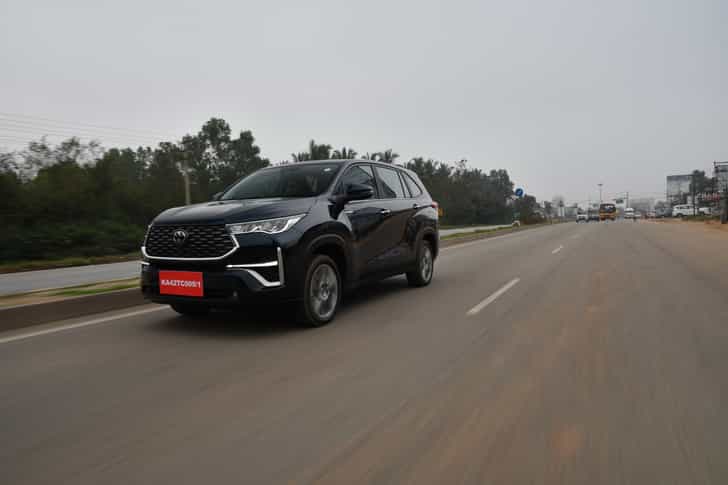
I am 56 years old and am thinking of upgrading to an SUV. I currently own Maruti Suzuki Baleno that I had purchased in June 2016. The car is in good running condition and has completed 88,000 km till date. Should I upgrade my car now or wait for another 2 years to get a new vehicle? Should I dispose off the old one and go for new one now? Please suggest accordingly.
Maruti Suzuki BrezzaMaruti Suzuki BalenoKia SeltosUpcoming launch buzz
Community discussions on upcoming launches
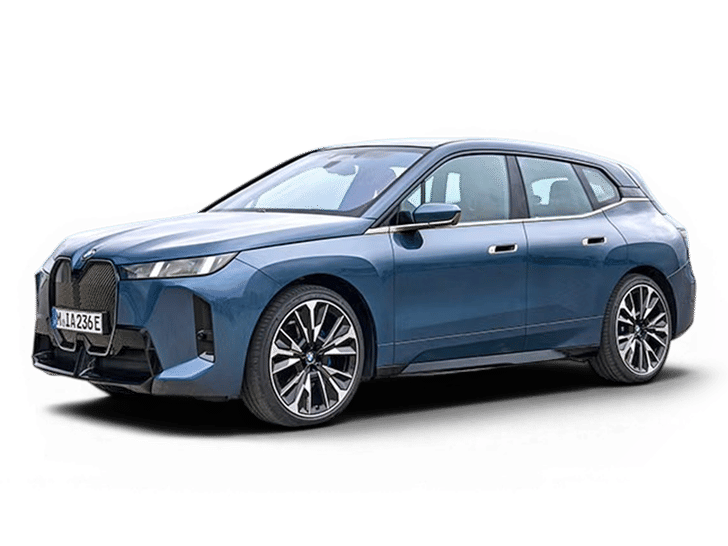
BMW
iX facelift
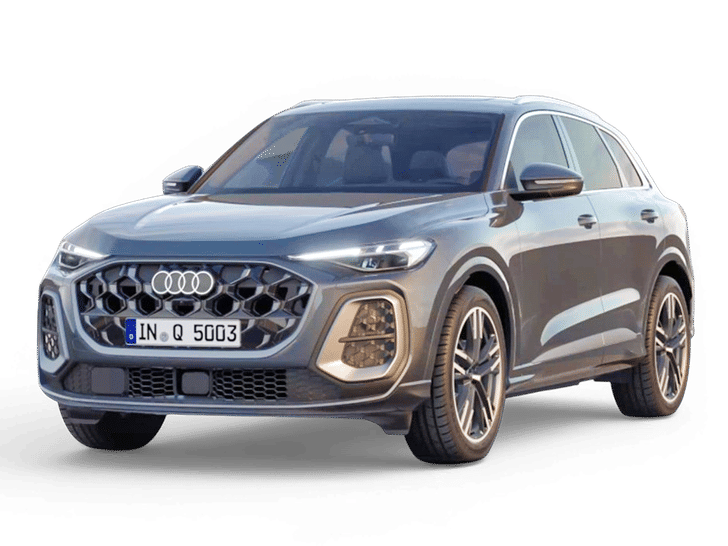
Audi
New Q5
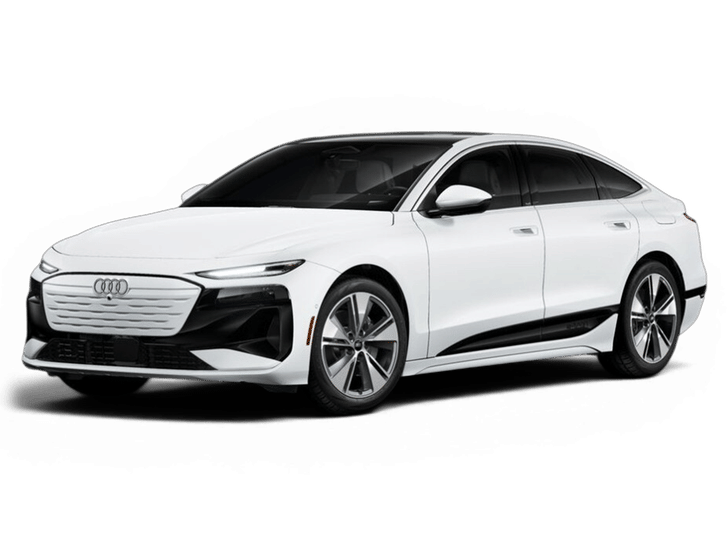
Audi
A6 e-tron

Audi
Q6 e-tron
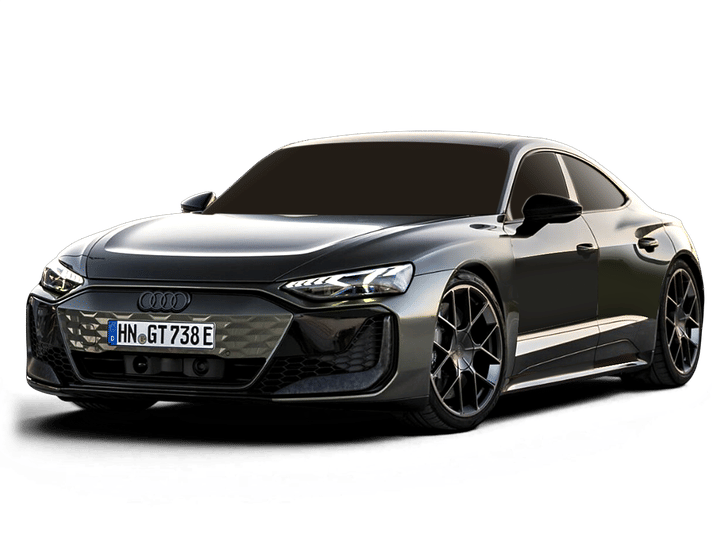
Audi
e-tron GT facelift
Volkswagen
Virtus facelift
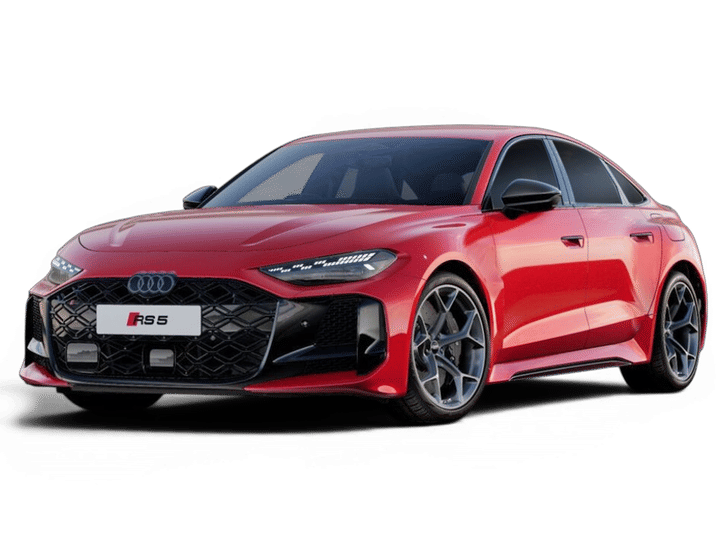
Audi
A5

Vinfast
VF5
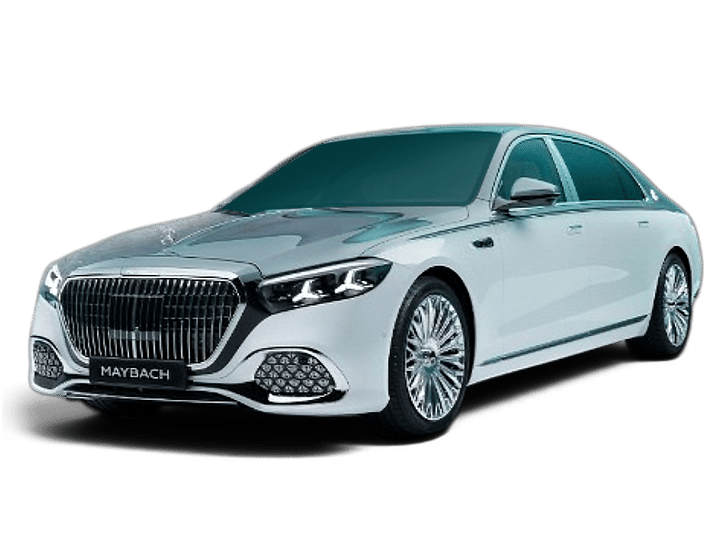
Mercedes-Benz Maybach
S-Class facelift
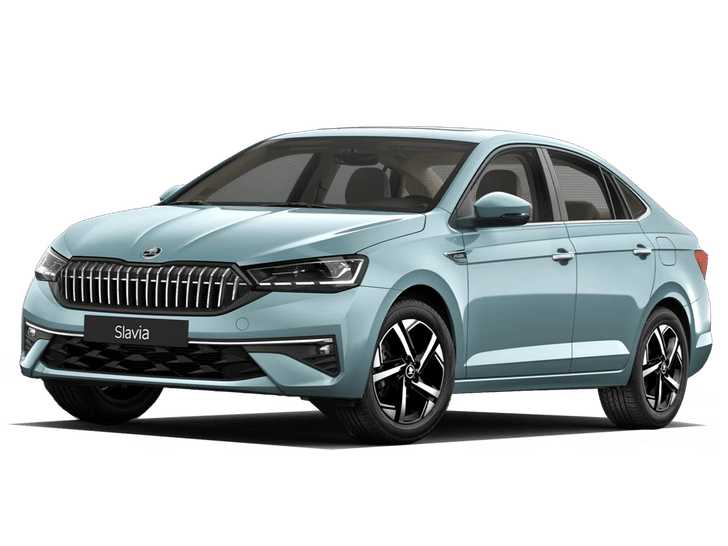
Skoda
Slavia facelift
I have been driving Renault Kwid for the past 8 years for daily commute within the city. I have owned Scorpio, Sumo, Tata Indica and Santro in the past. Now, I want to upgrade to another car for daily city and highway driving. On an average, average monthly city driving is 600-800 km and with 3 long drives of 1500 to 1800 km annually on average. We are family of 3 and working professionals. My son is 20 years old. We plan to buy the car in October under a budget of 23 lakh. Please advise which vehicle, variant and fuel type should I opt for.
Renault DusterKia SeltosRenault Kwid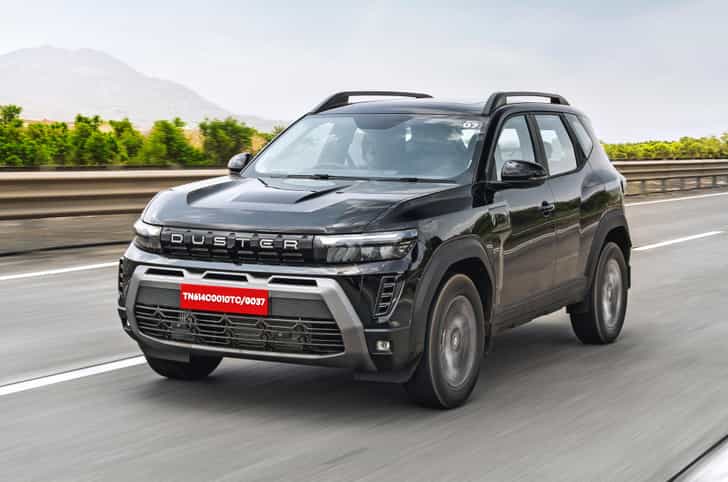
Hi, I am planning to buy sub-4 meter SUV for very low monthly usage of around 500 km in Mumbai and trips of around 500 km twice in a year on highway. We have shortlisted Kia Sonet HTK (O) and Skoda Skylaq Signature+. It should have very low breakdown, need less repairs and overall should be a headache free experience as I am a senior citizen. Please suggest which car should I have.
Kia SonetSkoda KylaqMaruti Suzuki BrezzaMy mom is looking for a car to replace our Ignis AMT. Although the main use is a daily commute of 15km in town, we need a car that provides good comfort for four people on trips of up to 250km. We looked at the Tata Punch and Nexon EV, but the general service issues with Tata are concerning. The budget is around Rs 16-17 lakh on-road. Is it worth waiting for the upcoming Bayon? Is the 1.5-litre + IVT combination known to be fuel-efficient in the city?
Tata PunchTata Nexon EVHyundai VenueHyundai Creta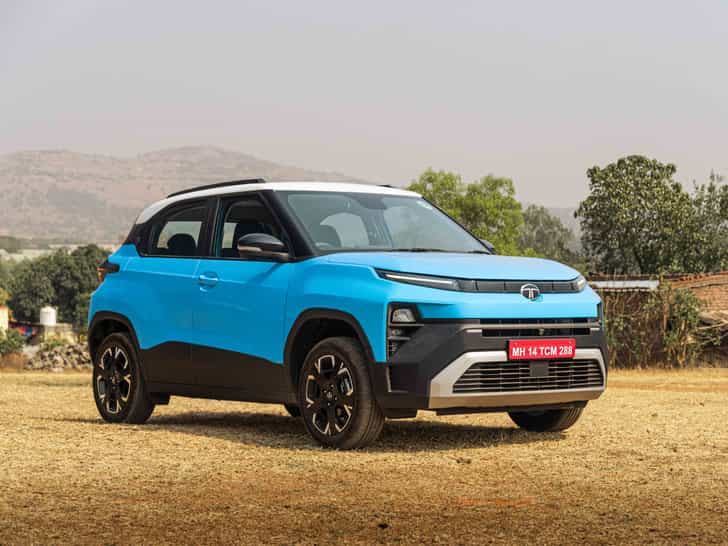
Hi Autocar Team, I’m looking to replace my current Tata Punch Accomplished Dazzle Sunroof AMT. I’m not very happy with the AMT gearbox and specifically want to move to a smoother automatic for Hyderabad traffic. My hard on-road budget is Rs 15 lakh. The car will mainly be used by my wife and me, along with our kid, so I’m looking for something that offers good safety, comfort, an automatic transmission, and a sunroof. My biggest priority is long-term ownership and reliability. I plan to keep the car for at least 6-8 years, so it should be reasonably easy and affordable to maintain, with good parts availability and decent resale value. Could you please suggest which car and variant you would personally recommend within a Rs 15 lakh on-road budget in Hyderabad? I’m currently considering cars such as the Maruti Brezza, Kia Sonet, Škoda Kylaq, and other compact/mid-size SUVs, but I’m open to better options. If you had Rs 15 lakh as a hard maximum budget and were replacing a Punch AMT, which car would you shortlist and why?
Maruti Suzuki BrezzaTata PunchSkoda KylaqKia Sonet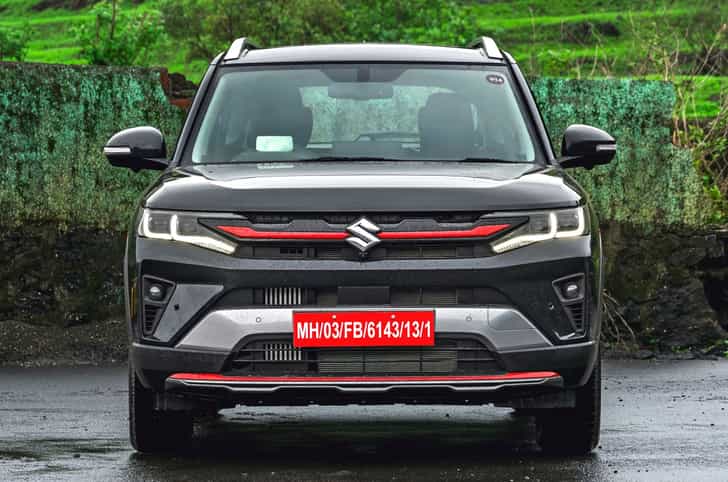
Is the ride comfort of rear seat passengers of VF7 70.8 kWh 2WD better than that of 9e? Which of these two are better suited for 3 rear seat passengers? Which of these two have lesser software and hardware reliability issues? I am inclined towards the VF7 subject to clarity on the above 3 queries. Early adopters of VF7 have reported quite a few issues. Should I skip VF7 altogether or worth taking a plunge?
Mahindra XEV 9eVinfast VF7Hi, I want to buy a car under a budget of Rs. 4 lakh. Should I go for pre-owned car or increase my budget to get a new one after some time? In case of pre owned car, which car should I buy? My monthly running is around 800 km mostly in city areas.
Maruti Suzuki Alto K10Maruti Suzuki CelerioMaruti Suzuki Wagon RMaruti Suzuki SwiftRenault KwidHonda Amaze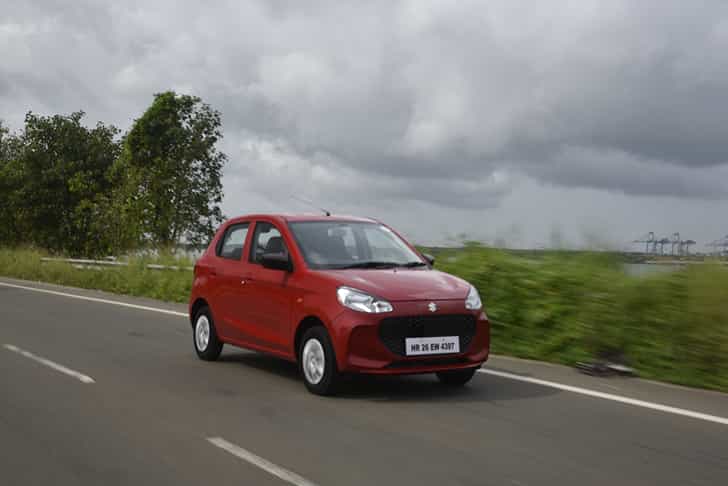
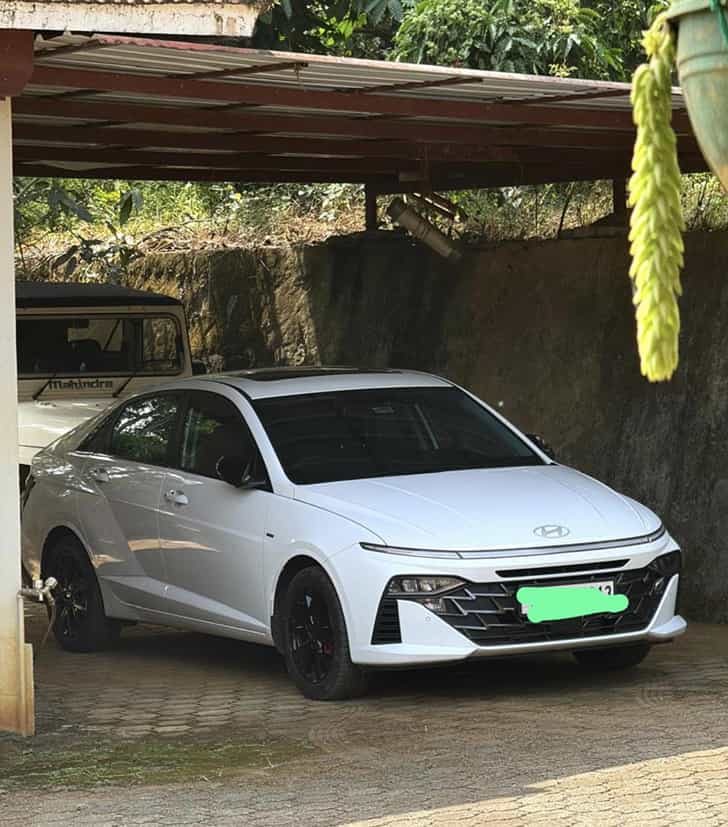
Hello. I own a Toyota Innova Crysta diesel automatic (2022 model). I replaced the DPF filter in 2024 under warranty. Currently, it has completed 62,000 km and my current monthly driving is around 1500 km. I want to a buy a new car. Which one should I buy? I started buying vehicles since 2010, starting with a Maruti Wagon R, Vento, Creta and now Crysta. I am afraid that I will have to do DPF filter replacement again in the future, if the issue reoccurs, as it is too costly and my car is out of warranty. So I want to change my vehicle because otherwise I don't have a reason to change the vehicle.
Toyota Innova HyCrossToyota Innova CrystaKia Carnival