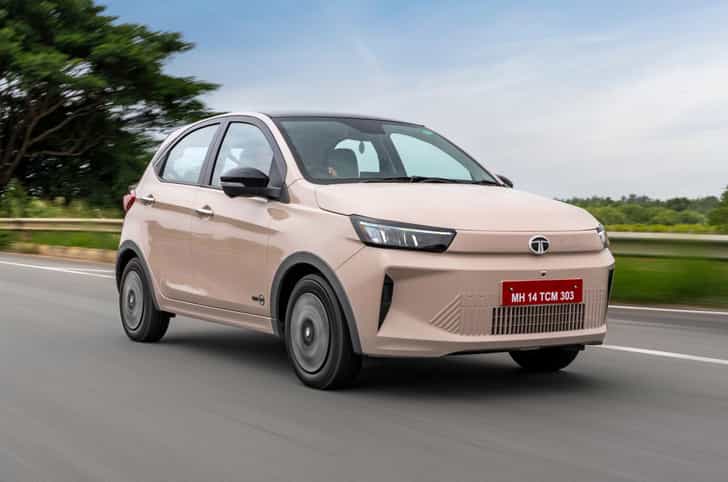
Dear Autocar, I’m looking for some advice on a dilemma that I haven’t been able to resolve. I’m replacing my 2015 Audi Q3 Diesel, which has been an excellent long-distance tourer for us. I haven’t test-driven the Alcazar yet, but I plan to do so shortly. My annual running is relatively low, so this isn’t a petrol vs diesel question from a fuel-cost perspective. Our typical usage is very long road trips (Mumbai-Goa and similar), often 8-10 hours at a stretch, with two adults (my wife and me), our Beagle, and lots of luggage. We also drive through highways, ghats, villages and city traffic, so the car needs to feel effortless and confidence-inspiring in every situation, especially while climbing steep ghats with a full load. I’m considering the Hyundai Alcazar, but I’m confused between: 1. 1.5 Turbo Petrol DCT 2. 1.5 Diesel AT (Torque Converter) If the petrol had a conventional torque-converter automatic, I would probably choose it without a second thought. My dilemma exists only because the petrol comes with a DCT, whereas the diesel gets a torque-converter automatic, which is generally considered smoother and more refined at low speeds. My priorities are, in order: - Overall refinement and cabin quietness - Smoothness of the transmission in city traffic - Effortless performance while climbing ghats with a full load - Long-distance comfort and relaxed cruising - Long-term ownership experience and reliability I am not looking for maximum fuel economy or the lowest running costs. I also have another dilemma regarding the seating configuration. Should I choose the 6-seater with captain seats or the 7-seater with the bench seat? My wife almost always travels in the second row during our road trips. She normally likes sitting in the middle seat because she enjoys the forward view. However, from the videos I’ve watched, the captain seats in the 6-seater appear significantly more comfortable and supportive for long journeys. Based on my usage, which powertrain and seating configuration would you recommend, and why? Thank you.

 Hyundai AlcazarMahindra XUV 7XO
I am planning to buy a car for my sister. She currently drives a 2016 Volkswagen Polo diesel manual. The budget is around Rs. 20-22 lakh. Her priorities are a premium-looking interior, a feature-rich cabin, low maintenance costs, and good performance. A diesel engine is strongly preferred. She was initially interested in the Hyundai Creta, but someone advised her to wait because the Creta is expected to receive a facelift in March 2027. Please suggest some good options.
Kia SeltosVolkswagen Tiguan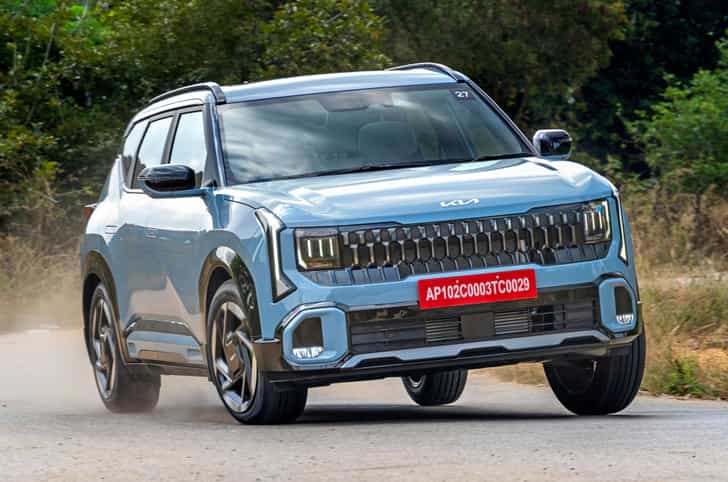
I’m planning to buy a new car for casual use with a budget of under Rs. 11 lakh. It will primarily be used for city driving, including daily office commutes and occasional weekend trips, with an expected monthly running of around 300 to 400km. My priorities are reliability, low maintenance costs, good fuel efficiency, and a car that is hassle-free to own over the long term. I’m currently confused between the Maruti Suzuki Dzire, Swift, Honda Amaze, New Brezza, and Fronx. I don’t specifically need a turbo-petrol engine, although I’m open to considering one if it offers good features. I would prefer a manual gearbox, but I’m also willing to consider an automatic or AMT if it delivers good mileage in city driving. The Dzire has caught my attention, but I’m slightly hesitant because of its three-cylinder engine. Please clear my confusion.
Maruti Suzuki DzireMaruti Suzuki BrezzaMaruti Suzuki FronxMaruti Suzuki SwiftHonda AmazeHi Autocar, I currently drive a 2015 Honda City petrol and am planning to replace it with a 7-seater that I intend to keep for the next 10 years. My annual running is around 10,000km, with approximately 8,000km in the city and 2,000km on highways. My budget is Rs. 25-30 lakh. I also have rooftop solar and a dedicated home charging setup, so an EV is an option. Since I am a business owner, I can also claim depreciation benefits on an EV. Please suggest a car.
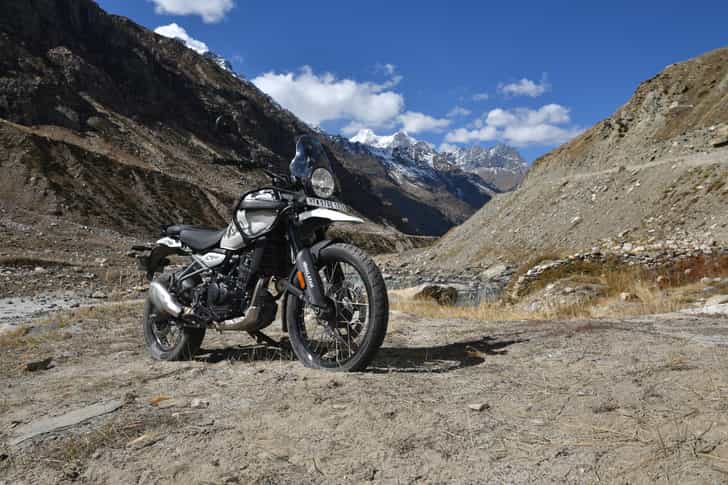
Kia Carens Clavis EVToyota Innova HyCrossI currently ride a Suzuki Gixxer SF 250 and have been very happy with it. However, I now feel it's time to upgrade to something that offers more performance while also being more comfortable for everyday use. I'm not a fan of highly committed sportbikes like the Yamaha R15, which has an aggressive riding stance. Most of my riding is within the city, including daily office commutes, with the occasional weekend ride. My average monthly running is around 1,000 km. My budget is Rs 5 lakh (on-road). I've shortlisted a few motorcycles. The KTM Adventure S appeals to me even though I don't ride off-road, mainly because an adventure tourer is versatile and comfortable. The Triumph Speed 400 is another option I'm considering. I was also looking forward to buying a Royal Enfield 650, but the absence of tubeless tyres is making me reconsider. Can you suggest which one I should pick, or is there a better option as well?
Hi Autocar India Team, I currently own a 2020 Ford EcoSport Titanium Diesel Manual, which has covered nearly 1,00,000 km. It continues to return around 16.5–18.5 km/l in mixed city and highway driving, and I plan to keep it for several more years. I'm now looking to buy a second vehicle and would appreciate your advice. My monthly driving is around 1,000–1,500 km, split between city and highway use. In addition, my family and I undertake a long road trip of approximately 1,500 km (round trip) or more once every three months. I live in Hyderabad, where EVs currently benefit from zero road tax, making them similarly priced to comparable diesel automatic vehicles. My priorities are value for money, comfortable long-distance touring, enough space for a family and luggage (preferably in a large SUV or MPV), reliability over the next 8–10 years, low running and maintenance costs, and strong safety, ride comfort, and resale value. Since I already own a dependable diesel manual that is well suited for long-distance travel, would you recommend buying an EV or another diesel automatic as my second vehicle? If you were making this purchase today, which large SUV or MPV would you consider the best value-for-money option, and why? I'd also appreciate recommendations across different budget ranges, if possible. Thank you!
Kia Carens ClavisMahindra XUV 7XOHi AAA, My name is Richu, and I'm from Kerala. I'm keen on buying a lifestyle pickup truck. I don't really have a practical use case for it. It's purely a passion purchase, and I want something that stands out from ordinary vehicles. It will be my secondary car, mainly used for occasional family trips and some mild off-roading. I recently test-drove both the Isuzu V-Cross and the Toyota Hilux. I loved the Hilux for its strong performance and, the availability of a locking rear differential. However, I wasn't impressed with its ride quality. It felt quite stiff, and there was noticeable pitching from the back. When I drove the V-Cross on the same stretch of road, the ride felt much more comfortable. I also preferred the V-Cross for its looks and overall ride comfort. Now I'm confused about which one to buy. The Hilux is based on Toyota's current-generation platform, whereas the V-Cross is based on a much older platform. Toyota also has a stronger service network than Isuzu. So, it's a classic heart vs mind dilemma, and I'd really appreciate your help in choosing between these two vehicles.
Toyota HiluxIsuzu D-Max V-CrossHello Autocar Team, My wife is 51 and I am 55. We are planning to buy an automatic car for my wife, with an expected monthly running of under 500 km. We are both first-time drivers and will be graduating from riding a scooter. Please suggest an automatic car with the smoothest transmission (no jerks), high reliability, low ownership costs, and that can negotiate bumper-to-bumper traffic. A small turning radius is also important because the lane opposite our stilt parking is quite narrow, with cars often parked in front of the building. The car needs to be reversed and turned into the parking space, so easy manoeuvrability is essential. Our budget was initially under Rs 10 lakh, but it is flexible if there is a significantly better option. We are looking for a car that will last at least 15 years. My wife will be the primary driver.
Tata Tiago EVMG CometHyundai i20