
Latest questions answered by experts
Hi, I am a regular reader of Autocar articles, and this time I thought of asking for some clarification. I have been using a 2022 Nissan Magnite CVT for the last 4 years, mostly for highway driving. I have noticed a significant drop in mileage after the introduction of E20 fuel, and I am doubtful about my vehicle's E20 compatibility. I checked with the dealer, but they simply said it is compatible with E20. However, the mileage drop I am experiencing, especially on highways, is quite significant. I am now planning to buy a new automatic SUV with good mileage. My budget is Rs. 17 lakh (on-road). Please advise.
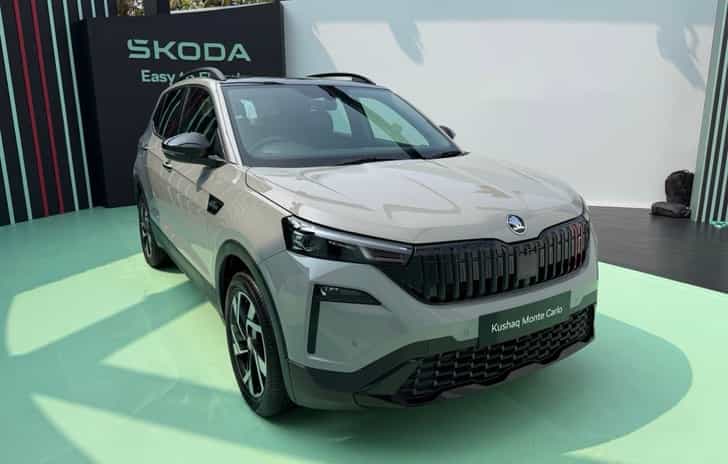
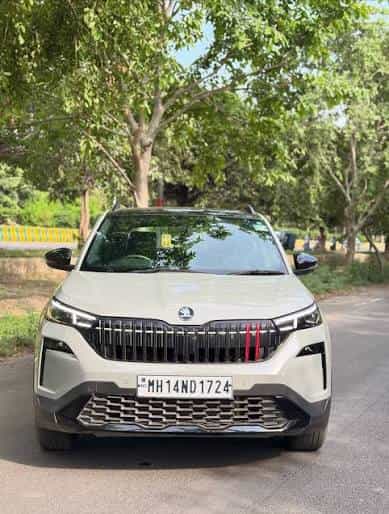
Thank you for reading Autocar India and for your question. Your Magnite CVT is E20 compatible, so there is no need to worry about the engine. The drop in mileage you are seeing is normal. E20 petrol has a lower energy content than E10, so fuel efficiency drops by around 5-10%. This is expected and not a sign of a problem with the car.For your new car, your usage is mostly highway and you want good mileage with an automatic within Rs. 17 lakh on-road budget. The best fit is the Maruti Suzuki Victoris mild hybrid automatic. It is a petrol mild hybrid, so it delivers better highway efficiency than a standard petrol, and the automatic is a smooth torque converter unit that is reliable and well suited to long-term ownership. The Victoris is also a comfortable and spacious SUV with a proven ownership record.If you want a more premium feel and a slightly more engaging driving experience, the Skoda Kushaq 1.0 TSI automatic is a good alternative. It has a new 8-speed gearbox and the car feels more solid and planted on the highway. However, the Victoris will be the more efficient and easier car to own long term.If you are open to diesel, the Mahindra XUV 3XO diesel automatic is worth considering. It will deliver the best highway efficiency and strong performance, but diesel makes sense only if your annual running is high enough to justify the higher fuel and maintenance costs.Overall, the Victoris mild hybrid automatic is the best fit for your requirements. It delivers good mileage, a smooth automatic and a hassle-free ownership experience.

I am planning to buy Honda City V CVT. Is it still worth buying the Honda City in 2026 from a long-term (7-10 years) ownership and reliability standpoint? Or should I consider other cars in the segment, such as the Virtus, Slavia, or Verna?
Yes, the Honda City V CVT is still worth buying in 2026 from a long-term ownership and reliability perspective. The City remains one of the most dependable and well-rounded sedans in the segment, with a proven naturally aspirated petrol engine, smooth CVT gearbox and Honda's strong reputation for reliability and low maintenance costs. It is also a very comfortable and spacious family car, with a well-sorted ride and a premium ownership experience.The Volkswagen Virtus and Skoda Slavia are more driver-focused cars with stronger turbo petrol engines and a more engaging driving experience, but they do not have the same long-term reliability track record as the City. The Hyundai Verna is a strong all-rounder with a more feature-rich cabin and a more powerful turbo petrol option, but the City still feels more practical and better suited to long-term ownership.If your priority is a car that you can keep for 7-10 years with minimal fuss, the City remains the safest and most sensible choice in the segment. The only reason to look at the Virtus, Slavia or Verna would be if you specifically want a more powerful turbo petrol engine and good driving dynamics Otherwise, the City V CVT is still the benchmark for long-term ownership.
I need to commute 150 km per week. We have a petrol car at home and solar charging is possible at home. Should I go for MG Comet EV?
Yes, the MG Comet is a sensible choice for your usage. At 150 km per week, your running is not extremely high, but it is enough for an EV to make financial sense, especially with solar charging at home. The Comet is a compact city electric car with a low running cost, and the ability to charge from solar at home will significantly reduce your operating costs over time. It is also easy to park and manoeuvre, making it well suited to daily commuting.The key consideration is practicality. The Comet is a small car with limited rear seat space and a small boot, so it is best suited as a second car for city use rather than as a family car. If your commute is mostly city driving and you already have a petrol car at home for longer trips, the Comet fits the brief well.If you need more space or plan to use the car for longer trips, you could consider the Tata Punch EV, but for a dedicated city commuter with solar charging, the Comet is a cost-effective and practical choice.
I have a 2017 Hyundai Xcent and want to upgrade to a car with better fuel efficiency. My budget is Rs. 11 lakh. Should I go with the Maruti Suzuki Fronx?
Yes, the Maruti Suzuki Fronx is a sensible upgrade from your 2017 Xcent, especially if fuel efficiency is a priority. The Fronx is available with two petrol engine options: a 1.2-litre naturally aspirated petrol and a 1.0-litre turbo petrol. The 1.2-litre engine is the better choice for your needs – it is smooth, reliable and delivers good real-world fuel efficiency, making it a strong upgrade over the Xcent. This Maruti Suzuki car also offers a higher seating position, better ground clearance and a more modern feature set, which will make it feel like a meaningful step up from your current car. The 1.0-litre turbo petrol is more performance-oriented and not the best fit if mileage is your main concern. Overall, the Fronx 1.2 petrol is a well-rounded, efficient and easy-to-own upgrade within your budget.
Hello Autocar, I am planning to buy the Volkswagen Virtus during this festival season or within the next month. Should I wait for the upcoming Virtus facelift? I am considering the Virtus 1.0 GT Line Manual variant. Should I buy the current model and take advantage of the dealership discounts, or would it be better to wait for the updated Virtus?
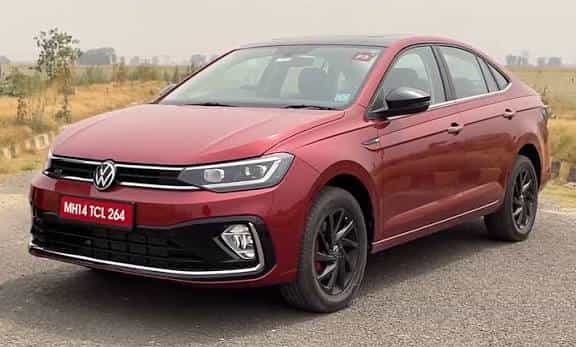
Go ahead and buy the Virtus 1.0 Manual GT Line now. The upcoming Virtus facelift is expected to be a mild update, with minor cosmetic changes and a few feature additions, rather than a major overhaul. This Volkswagen car will remain unchanged, with the core mechanical package, including the 1.0 TSI engine and manual gearbox. The current Virtus is already a well-sorted car with strong driving dynamics, a spacious cabin and a good feature set, and the GT Line variant is one of the most attractive trims in the range. Buying now also allows you to negotiate a better deal with dealerships, especially during the festive season. If you wait for the facelift, you will likely pay a premium for what is essentially a similar car with a few incremental updates. The only reason to wait would be if you are specifically interested in the latest cosmetic tweaks or a particular new feature. Otherwise, the current Virtus remains a strong buy, and you will not be missing out on anything significant by purchasing now.
I have a 2022 Virtus 1.5 GT and am looking to upgrade to an SUV. My maximum budget is Rs. 35 lakh (on-road). My priorities, in order, are safety, performance, and after-sales service. Kindly suggest the best option.
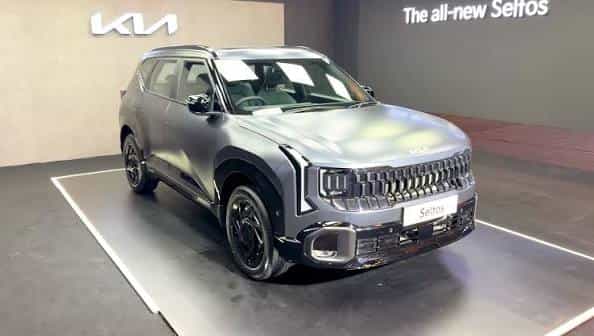
Given your priorities of safety, performance and service, the Mahindra XUV 7XO diesel automatic is the recommendation. This Mahindra car is one of the safest cars in the segment, with a 5-star Bharat NCAP rating, and the diesel engine offers strong performance and excellent highway touring ability. The 7XO also has a well-developed service network and is a proven product with a strong ownership track record. The petrol 2.0 turbo is also a strong performer but quite thirsty. The diesel is the better all-rounder for long-term ownership and running costs. The Tata Harrier diesel automatic is the alternative if you prioritise comfort and space, especially in the third row, which is better than the 7XO's. The Kia Seltos diesel automatic is also worth considering if you want a more premium cabin and a more compact package,
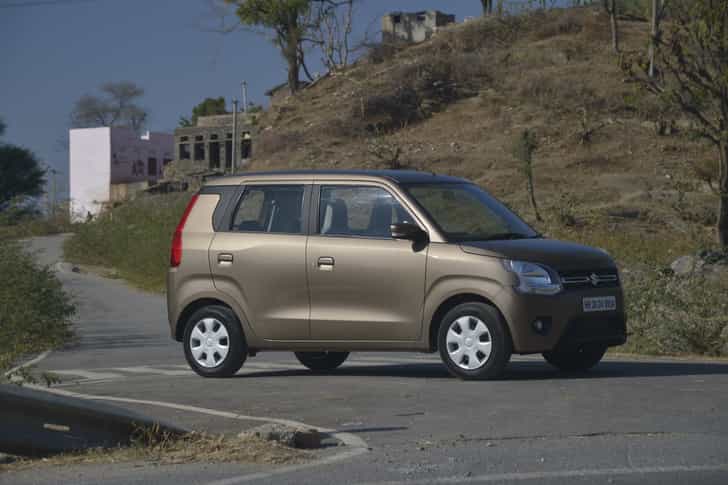
I have a 2010 Maruti Suzuki Wagon R model. My monthly running is around 400-450 km, mostly in city traffic. The car is primarily used for my daily office commute, which is 35 km one way. Out of this, around 8-10 km is bumper-to-bumper traffic. It currently returns a mileage of around 11-14 kpl. I am thinking of upgrading to a new car, and my budget is around Rs 12 lakh. Can you please suggest any car within this budget?
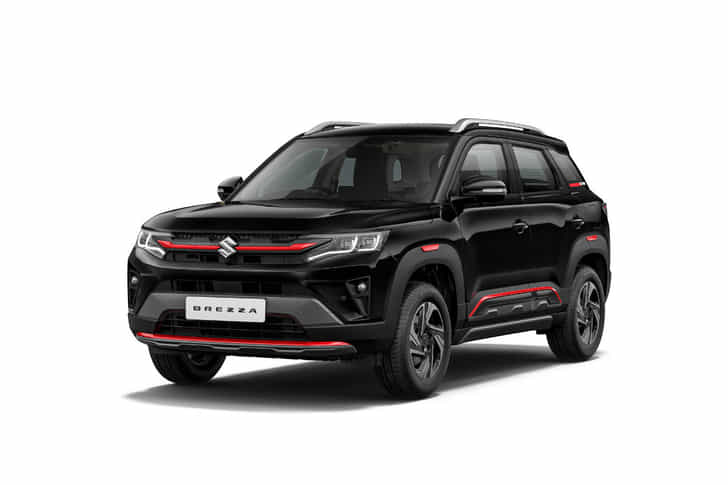
We'd recommend waiting until the Maruti Suzuki Brezza facelift is launched, and given your budget and usage, it is likely to remain one of the strongest options in your Rs 12 lakh budget.With a monthly running of 400-450 km, mostly in city traffic, a petrol automatic is the most suitable choice. It will make your daily office commute, especially the 8-10 km of bumper-to-bumper traffic, much more comfortable than your current Maruti Suzuki Wagon R. Since the monthly running is relatively low, there is little financial advantage in opting for a diesel car or an EV.

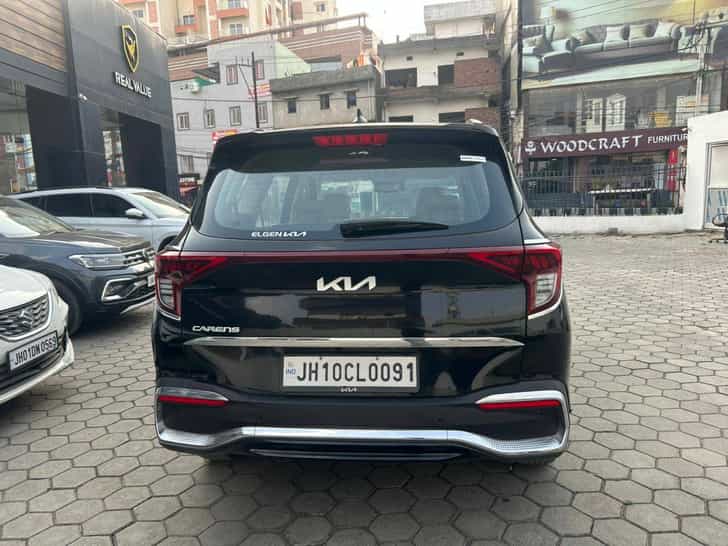
I commute nearly 90 km a day for work. I previously drove a 10-year-old Honda Jazz petrol and wanted to switch to an EV, but I live in a gated society where the committee doesn't permit residents to install a personal charger - I'd have to rely entirely on the common charger they provide. That dependency made me uncomfortable running an EV as my only car, so I bought a pre-owned 2024 Kia Carens diesel instead. I now plan to run two cars: the EV for my daily 90 km commute, and the Carens diesel for long drives and highway trips. My budget for the EV is under Rs. 15 lakhs, and I'd be charging only on the shared society charger. Which options would you recommend?
Given your 90km daily commute and the fact that you will be relying entirely on a shared society charger, the key is to choose an electric car with a strong real-world range and fast enough charging speeds. The Tata Punch EV is the most sensible recommendation here. This Tata car should give you a real-world range of around 250km, which gives you plenty of buffer for your daily commute even if you cannot charge every single day. Tata’s EV ecosystem is well established, and the Punch EV is a proven product with good service reach and a robust ownership track record. The Tata Nexon EV is another strong option. It is larger and more spacious, and with a larger battery, you could get more out of a single charge. However, since you have a Carens diesel for big-car duties, the smaller Punch EV makes for a far better city car. Plus, while you will only get a low-spec variant of the Nexon EV in your budget, you will get a fully loaded variant with all the bells and whistles. Both Tata EVs charge at up to 7.2kW on an AC charger and 60kW on a DC fast charger, which is decent when you have to use a common charger.
I am 65 years old and currently drive a Hyundai Eon Era Plus. I am planning to buy a new car with a budget of under Rs. 15 lakh. My usage is fairly limited - about 40 km per trip, 3-4 times a week, along with 2 - 3 long trips of around 600 km each year. My priorities are: Good fuel efficiency, Low maintenance costs, Comfortable seating for five people, Good ground clearance, and a commanding driving position with good road visibility. I have shortlisted the Honda Amaze, Maruti Suzuki Brezza Facelift, Hyundai Venue, and Skoda Kylaq. Which of these would you recommend?
Based on your usage and priorities, the Maruti Suzuki Brezza is the most suitable choice. Your weekly running is low, so a petrol engine makes the most sense, and the Brezza’s naturally aspirated petrol engine is reliable, efficient and easy to maintain. It also offers good ground clearance and a comfortable ride, which will be helpful on your occasional long trips. This Maruti Suzuki car is also one of the more spacious compact SUVs, making it a comfortable option for five passengers. The upcoming facelift is expected to add the 1.0-litre turbo-petrol engine from the Fronx as an option, but given your requirements, the existing naturally aspirated 1.5-litre petrol is the better option.The Honda Amaze is a good sedan, but it does not offer the same ground clearance, road presence or interior space as the Brezza. The Hyundai Venue is a strong alternative, and the Skoda Kylaq is a good driver’s car, but the Brezza has an edge in terms of reliability, long-term ownership costs, as well as the price itself.Overall, the Brezza strikes the best balance between fuel efficiency, low maintenance, comfort and practicality for your needs.
I am looking to upgrade from my Hyundai Creta to a 7-seater SUV. My annual running is only around 6,000 km, and my budget is up to Rs. 25 lakh. Is the Hyundai Alcazar a good option for my usage? I have also considered the Mahindra XUV 7XO and Tata Safari, but I am concerned about their relatively low fuel efficiency. Which 7-seater SUV would you recommend?
With a yearly running of just 6,000km, petrol is the sensible choice, and the Hyundai Alcazar is a good option. It is a comfortable, easy-to-drive family SUV with a hassle-free ownership experience, and the 1.5 turbo petrol engine paired with the 7-speed dual-clutch automatic is powerful enough and relatively efficient too. Plus, since you're coming from a Creta, you'll be familiar with the Hyundai network and could even ask for a loyalty discount. However, the Alcazar’s third row is not as spacious as some larger cars in the segment, so if you genuinely need a proper 7-seater, it may not be the ideal solution. What's more, if your Creta is the 2020 or newer model, you'll find the Alcazar perhaps a little too familiar on the inside.The Mahindra XUV 7XO, Tata Safari and MG Hector Plus are good options that offer more space. However, as you have noted, they're not fuel efficient at all, and moreover, in your budget, you will only get a low to mid-spec variant, whereas you will get a fully-loaded Alcazar. Another option to consider, though not an SUV, is the Kia Carens Clavis. Its MPV shape is more space-efficient, and you actually get more passenger and luggage room than the Alcazar, with the same efficient engines, for around the same price.
I am planning to sell my 2017 Renault Kwid for Rs. 2.7 lakh and buy the Tata Tiago EV Creative Plus 24 kWh. My daily city commute is around 30-35 km. Does upgrading to Tiago EV make financial and practical sense based on my usage?
Yes, the Tata Tiago EV Creative Plus 24kWh makes good financial and practical sense for your usage. With a daily city commute of 30-35km, the Tiago EV’s range is more than sufficient, and you will be able to charge at home and run the car at a very low cost per kilometre. The Tiago EV is also a significant upgrade over the Kwid in terms of refinement, safety and overall driving experience. It is a well-packaged city car with a comfortable ride, decent space and a simple, fuss-free ownership proposition. The only thing to keep in mind is that the 24kWh battery pack is best suited to city use, so if your usage pattern changes and you start doing regular long highway trips, you will need to plan charging stops accordingly. Overall, given your current usage, the Tiago EV is a sensible and cost-effective upgrade.

I commute nearly 90 km a day for work. I previously drove a 10-year-old Honda Jazz petrol and wanted to switch to an EV, but I live in a gated society where the committee doesn't permit residents to install a personal charger. I would have to rely entirely on the common charger they provided that made me uncomfortable running an EV as my only car, so I bought a pre-owned 2024 Kia Carens diesel instead. I now plan to keep two cars: an EV for my daily 90 km commute, and Carens diesel for long drives and highway trips. My budget for the EV is under Rs. 15 lakhs, and I would be charging only on shared society charger. Which options would you recommend?
Given your 90 km daily commute and the fact that you already have a Carens diesel for long trips, an electric car makes a lot of sense as your primary city car. The key consideration here is your charging situation which is relying solely on a shared society charger. That means you need an EV with good efficiency and a battery size that gives you enough buffer so you are not constantly worrying about range.The Tata Nexon EV is the most sensible recommendation here. It is well priced, efficient and has a battery size that is well suited to your daily commute. The car itself is compact and easy to drive in the city, but still feels substantial enough for occasional highway use. Most importantly, it has enough range to allow you the flexibility of charging it every other day in case your society's common charger is occupied. Get into the practise of topping up your battery whenever the common charger is free so you are always topped up and ready to go.
I am planning to buy a used Toyota Etios Liva GD. As it has been discontinued, are parts still available at authorised service centres?
Yes, you can still buy a used Toyota Etios Liva GD with confidence. Toyota has a strong reputation for supporting discontinued models, and genuine spare parts are still available through authorised service centres. The Etios Liva had a long production run, so parts availability is not a major concern at this stage. The diesel engine is also known for its durability and reliability, which makes it a sensible used buy. That said, as the car ages, some non-critical trim parts may take longer to source, and you may occasionally have to wait for certain components to be ordered.Overall, if the car is in good condition and has a clean service history, it remains a dependable and low-maintenance choice. Just make sure you get the car inspected by a Toyota service centre before purchase to avoid any hidden surprises.
I'm driving a 2017 Tata Hexa XT 4x4, and recently the EGR sensor warning came on at around 67,000 km. Is this a common issue with all Tata Hexas, or is it specific to certain vehicles? This cost me a huge amount to replace the new EGR and Turbocharger.
The EGR sensor warning is not uncommon on the Tata Hexa, especially as the vehicle ages and accumulates mileage. The Hexa's 2.2-litre diesel engine is equipped with an EGR system to reduce emissions, and over time, carbon build-up can cause the EGR valve or sensor to malfunction. This is not unique to the Hexa; it is a known issue on many modern diesel engines, particularly those used predominantly in city conditions where the EGR system is more active, and regeneration cycles are less effective.The need to replace both the EGR and turbocharger at 67,000 km is unfortunate but not unheard of. If the EGR valve becomes stuck or fails, it can lead to increased soot and carbon deposits, which can eventually affect the turbocharger's variable geometry vanes or actuator. This can trigger a cascade of warnings and, if not addressed promptly, lead to more expensive repairs.The best way to minimise the risk is to ensure regular long highway runs, use good quality diesel, and follow the recommended service intervals. Periodic EGR cleaning can also help. Overall, this is not a design flaw specific to the Hexa but rather a maintenance-related issue that can affect any modern diesel car with an EGR system.
What is the real-world mileage of the Tata Sierra NA engine? Is it a good choice? I am okay with its linear power delivery because I am used to it. I want a safe family car, decent mileage, and good road presence. I am confused between the Smart Plus Sierra and Kia Seltos HTK.
The Tata Sierra 1.5 NA is quite a heavy car and, despite being tuned for efficiency, that weight does affect fuel consumption. In real-world conditions, you can expect Sierra mileage to fall between 7 and 9 kpl in the city and about 12 and 14 kpl on the highway, depending on how and where you drive.The bigger issue is performance. The 1.5 NA engine feels very sluggish, and you will need to work the engine and gearbox hard, especially when overtaking or when you need a quick burst of speed in traffic.Where this Tata car scores strongly is in road presence, safety, and overall family appeal. It feels solid, has a commanding stance, and is well suited for comfortable, relaxed driving.The Kia Seltos HTK, on the other hand, is the easier car to live with day to day. Its 1.5 NA engine feels noticeably far more responsive and lighter on its feet, and it is also more fuel-efficient in real-world use.So, if your priority is a safe, solid family car with strong road presence and you’re okay with the poor performance and lower mileage, the Sierra works. But if you want better drivability, efficiency, and a more effortless experience behind the wheel, the Seltos is the more rounded choice.
Hi. I have shortlisted two cars for my purchase, Hyundai Verna HX6 IVT and Kia Seltos HTK IVT, both petrol. My running will be 80% in the city of Kolkata. I plan to keep the car for 8-10 years. This will be the only car in the family. General occupancy while running will be 2-3 people (people in their 30s and occasionally older people). What could be a better choice as a family car?
The Hyundai Verna HX6 IVT is better equipped, and it has a larger boot than the Seltos. If you do a lot of airport runs, this is the better option. And being a sedan, it will feel nicer to drive than the Kia car, and it is likely to be more efficient too.Pick the Kia Seltos HTK IVT for its elevated driving position, more modern interior, and high ground clearance. Also, the Seltos will be easier for the elderly to get in and out. Overall, it will feel a bit nicer and comfier; hence, it is the one we'd recommend.
Need expert advice?
Ask the Autocar community and experts.