Latest questions answered by experts
Hi, I am planning to buy a car around Rs. 11.5 lakh (on-road) for monthly running of around 700-800 Km with a trip in 3-4 months of around 1000 km on hilly terrain and highways. My requirements include sunroof for children, 60:40 seats, rear AC, good torque for hills and rear camera. I feel that push button or automatic will be advantageous. Please suggest.
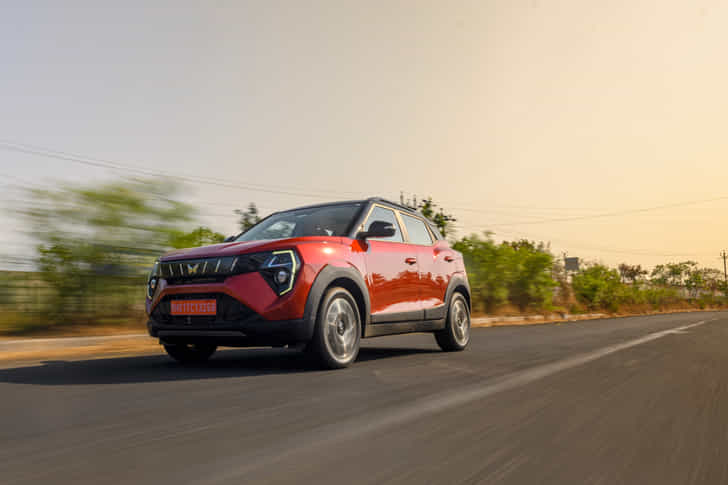
With a budget of around Rs 11.5 lakh on-road, your requirements are quite clear: a sunroof, 60:40 split rear seats, rear AC vents, good torque for hills, a rear camera, and ideally push-button start or an automatic transmission. Your monthly running of 700-800 km with occasional 1000 km hill trips points towards a petrol car, as a diesel would not justify itself at this usage level.The Mahindra XUV 3XO is the best fit here. It offers a strong turbo petrol engine with good low-end torque, which will help on hilly roads, and it comes with a sunroof, rear AC vents, 60:40 split rear seats and a rear camera in the mid variants. The automatic gearbox is also available within your budget, and the car is well equipped for the price.The Maruti Suzuki Brezza is another solid choice. You have the choice of a naturally aspirated or a turbo petrol, but only the former comes with an automatic. It also offers a sunroof, rear AC vents and a rear camera, and Maruti's service network is a big advantage.The Hyundai Venue is another option, but the turbo petrol automatic variants are likely to stretch your budget. The naturally aspirated petrol is available within your budget, but it will not feel as strong on hills.Overall, the XUV 3XO is the best fit for your requirements. It offers the right combination of features, performance and value for money. The Brezza is the more sensible alternative if you prioritise reliability and ease of ownership over performance.
Hi team, I currently drive a Honda City (2009 model) and have been pretty satisfied with the riding experience. I am now planning to upgrade to a car under a budget of Rs. 25 lakh. Since it would be my primary car for now, please suggest whether I should go with an EV or an ICE. Given my limited highway travel (surely it will happen during trips), and daily city travel of 30-50 km, please suggest the car type and model. I am looking for am economical car with good road presence.
Given your usage pattern of 30-50km daily city driving with occasional highway trips, an EV is a very strong option. The running cost savings will be significant, and modern EVs are now genuinely usable for highway trips as long as you have home charging. The key is to choose an EV with a realistic range and a comfortable, spacious cabin, since this will be your primary car.The Tata Sierra EV 75kWh is the recommendation here. It offers a spacious, premium-feeling cabin, a comfortable ride and a usable real-world range that makes both city driving and occasional highway trips easy to manage. It also has good road presence and feels like a proper upgrade from a Honda City in terms of comfort and overall ownership experience.If you are still on the fence about EVs, the Maruti Suzuki Victoris Hybrid is the best ICE alternative. It is extremely efficient in the city, reliable and easy to live with, and the hybrid system keeps running costs low without any charging dependency.The decision comes down to your comfort with home charging. If you have it, the Sierra EV is the better long-term ownership proposition. If not, the Victoris Hybrid is the safer choice.
I currently own a H'ness CB350 which is causing me some discomfort even after upgrading its seat. The Mumbai roads are further giving me a hard time and I am thinking of upgrading to an ADV bike for city purpose under a budget of approximately Rs. 5 lakh. A pillion also accompanies me occasionally, however, I ride solo. Which bike should I upgrade to and should I even upgrade it right now or wait?
The Royal Enfield Himalayan 450 is a fantastic Swiss army knife of a motorcycle and will serve your needs well. It has sublime suspension comfort and its spacious ergonomics are great for carrying two people. Coming from a CB350, its liquid-cooled 452cc engine will also seem like a pretty substantial jump up in terms of performance. We'd wholeheartedly recommend splurging for the cross spoke laced wheels which bring in the convenience of tubeless tyres and even so, you'll be well under your budget. If you want to stick with Honda then we'd advise you to wait for the XR300 models to become available in dealers on a widespread basis (which will take 4-6 months) and then take a test ride of these to see if they are up your alley. Do bear in mind that the Himalayan is a proper adventure bike which means it will have better comfort and capability but will be significantly heavier, whereas the XR300s are focused, lightweight dualsport machines which will be less comfortable in terms of seating.
Upcoming launch buzz
Community discussions on upcoming launches
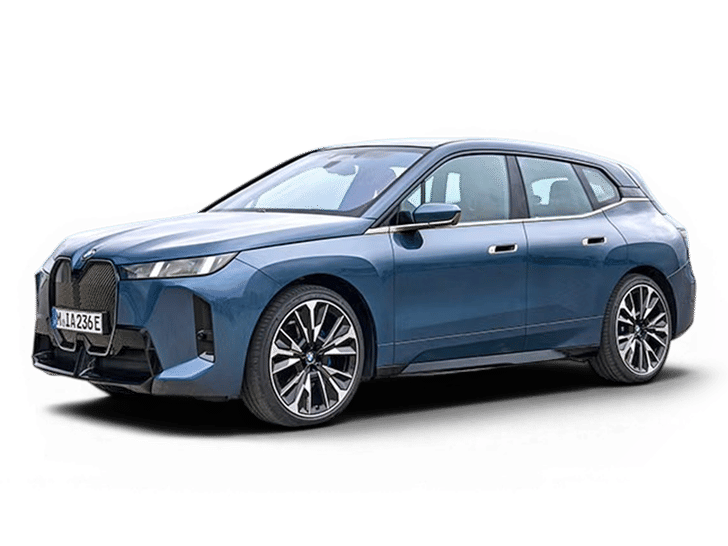
BMW
iX facelift
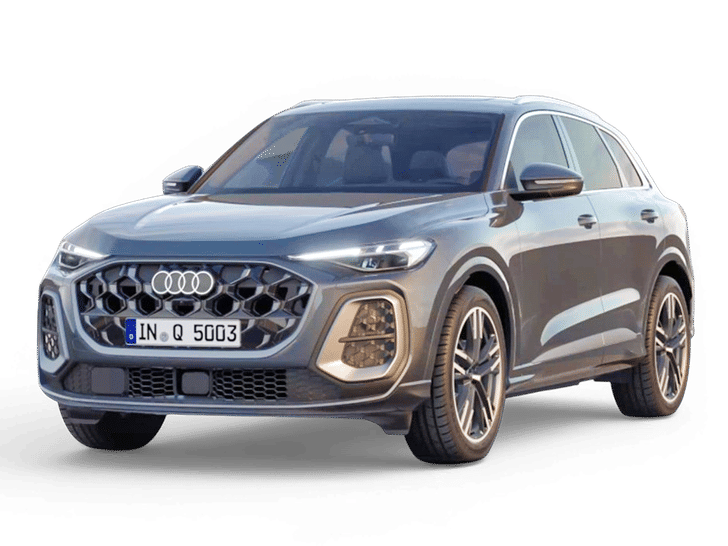
Audi
New Q5
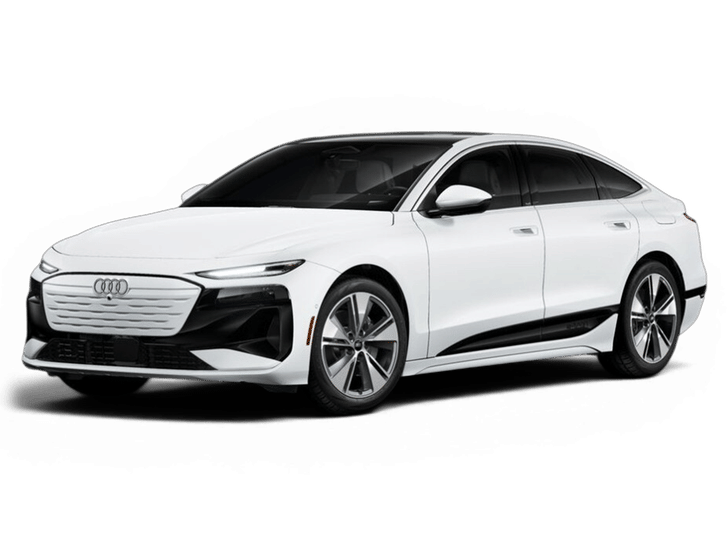
Audi
A6 e-tron
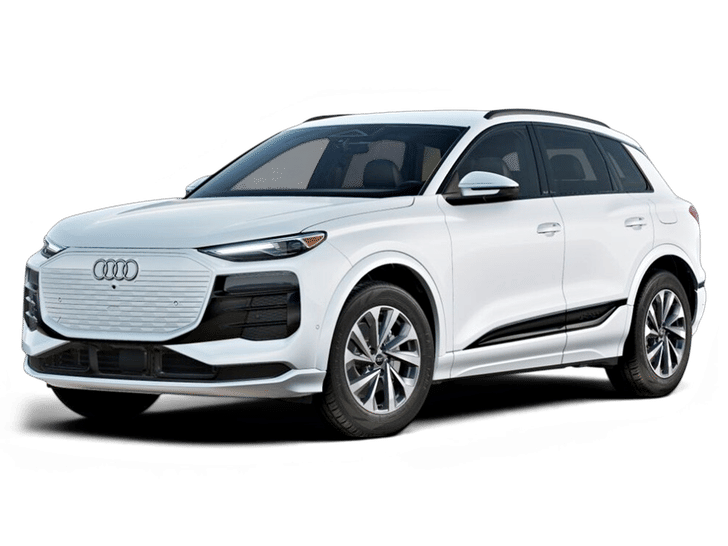
Audi
Q6 e-tron
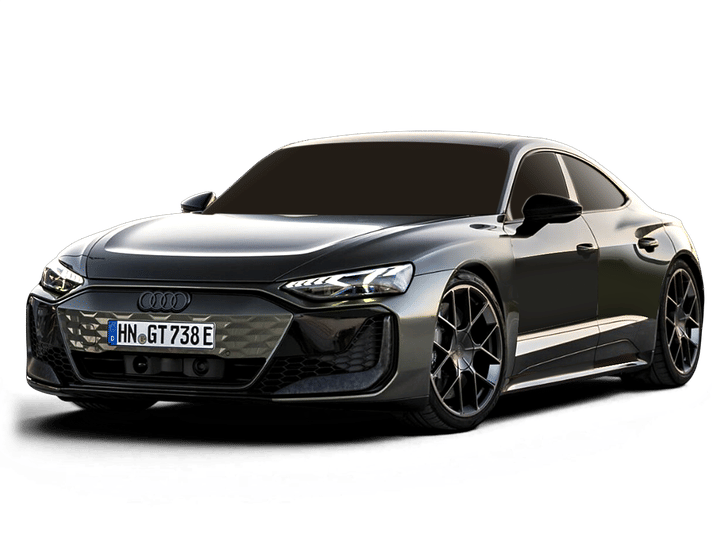
Audi
e-tron GT facelift
Volkswagen
Virtus facelift
Audi
A5

Vinfast
VF5
Toyota
Glanza facelift
Audi
New Q3
I'm planning to purchase my first motorcycle and have narrowed down my options to the Bajaj Pulsar N160 SS and Dominar 250. My primary usage will be short daily commutes of approximately 5-6 km one way in Hyderabad's traffic (around 12km two way), with occasional longer rides. I'm a relatively new rider, so low-speed usability, manoeuvrability and ease of handling matter to me. The N160 SS appeals to me because of its lighter weight, Crawl Tech, TFT and city-friendly characteristics. However, the Dominar 400 has been my dream motorcycle for the past ten years, ever since it was launched in India while I was still in school. While the Dominar 400 remains my dream bike, the Dominar 250 seems like a reasonable compromise for my primarily urban use, offering some of that Dominar experience without going straight for the 400. I've ridden the Dominar 400 and found it surprisingly manageable and planted, but I haven't been able to test-ride the Dominar 250 because dealerships don't have test-ride units. I've also heard that the Dominar 250 lacks low-end urgency, requires frequent gear changes in slow traffic and is relatively heavy for city use. On the other hand, my uncle, who has owned a Dominar 400 for years and uses it in Hyderabad, has suggested that the Dominar 250 could be a reasonable choice for my requirements. The Dominar 250 is currently quoted at approximately Rs. 2.42 lakh (on-road), compared with around Rs. 1.86-1.94 lakh for the N160 SS. Given my usage, beginner experience and long-standing desire to own a Dominar, would you recommend the N160 SS as the more sensible long-term choice, or is the Dominar 250 a motorcycle that I could realistically grow into and enjoy despite its compromises? I would particularly appreciate your thoughts on low-speed tractability, bumper-to-bumper traffic, manoeuvrability for a beginner, and whether the Dominar's additional weight and cost are justified for someone whose riding will primarily be urban.
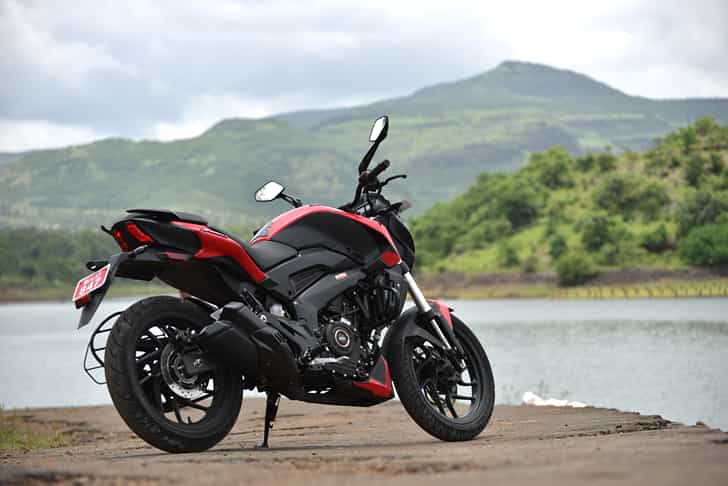
There's no doubt that the Bajaj Dominar 250 will fit the bill well for your needs as a first-time motorcyclist. However, what stops us from recommending it wholeheartedly is that the smaller Dominar sells in extremely microscopic numbers which means sometimes you'll be waiting a long time for a small part, leaving your bike out of action which is never a good thing. Truth be told, the Dominar 400 (especially since it is now powered by a downsized 349cc motor) is a perfectly acceptable first bike and since you have had an inclination towards the Dominar for a long time, why not go ahead and scratch and that itch! The only caveat here would be that the Dominar is a hefty machine, weighing 190kg, which can catch you off-guard at slow-speed scenarios but in time, you'll get used to it. On the other hand, if you don't want to deal with the extra weight and purchasing cost of the Dominar 400, then the Pulsar N160 SS is a very different but nonetheless, a great option for a beginner. It has a peppy engine, predictable handling, good comfort and comes with all the latest gizmos and gadgets that people these days want their two-wheelers to be festooned with. Not to mention, it will also be far more fuel efficient than the Dominar. These are 2 very different bikes which will give you starly different experiences so its best you take a test ride and see which one you're leaning towards more before you make your decision.
I am 30 years old and my body weight is 58 kg and I am 5'3" tall. In July 2025, I had a lumbar microdiscectomy surgery. I work as a physiotherapist so I have to travel around 40 km daily on my bike. Which is the most fuel efficient bike in the 150cc segment at low price?
Given your long 40km daily commute, a history of back issues and valuing fuel efficiency and a good price, the Honda Unicorn is the best fit in the 150-160cc category. It has a very comfortable and upright riding position, a well-padded seat and a soft suspension setup that absorbs bad roads well, which is important for your back. The engine is smooth and refined, and Honda’s reliability and low maintenance costs make it a sensible long-term choice. It is not the most feature-rich bike in the segment, but it does the basics extremely well and is known for its comfort and durability.If you instead want something that looks and feels a little sportier, then look at the Hero Xtreme 160R 4V. The Xtreme is a lightweight, comfortable, feature-rich and proven offering which adds a dash of style to the proven commuter recipe. The Xtreme is a good deal more expensive than the Unicorn but also brings in more features and better mechanicals to justify that premium. Take test rides of both and see which one is more comfortable for you as well as in your budget before you make your decision.
Hi, I currently own a Tata Hexa. I want to change my car because of the slow or limited availability of parts. I have finalized a 2015 Fortuner manual for Rs 16 lakh, which has 1.36 lakh km on the odometer. But I feel that spending Rs 16 lakh on a 10-year-old vehicle doesn’t make value sense. If I stretch my budget a little, I could go for the base variant of the XUV 7XO, which is readily available with a dealer. Am I thinking right? If I buy the Fortuner and keep it for three to four years, it will be due for FC when I sell it. At that time, the resale value will drop very steeply. Please guide me through this.
You are thinking in the right direction. The 2015 Fortuner is a proven, reliable workhorse, but at Rs 16 lakh for a 10-year-old car with 1.36 lakh km on the odo, it is difficult to justify from a value perspective. You are already at the point where the next owner will be factoring in the approaching face lift, and while Fortuners do hold value well, the depreciation curve will steepen as it gets older.The Mahindra XUV 7XO is the better long-term decision here. You get a brand-new car with a full warranty, modern safety features, and a far more comfortable and refined ownership experience. This Mahindra Car is also a genuinely capable SUV with strong diesel and petrol options, good highway manners and a much more modern cabin than the old Fortuner.The only reason to buy the Toyota Fortuner would be if you specifically want a rugged, old-school SUV with proven reliability and are willing to accept the age, mileage and upcoming facelift Otherwise, the 7XO is the smarter buy.
Why hasn't Mini reduced the price of the Mini Cooper S in India after the free trade agreement with the UK took effect this year? If I want to buy one, should I wait another year or consider buying it now?
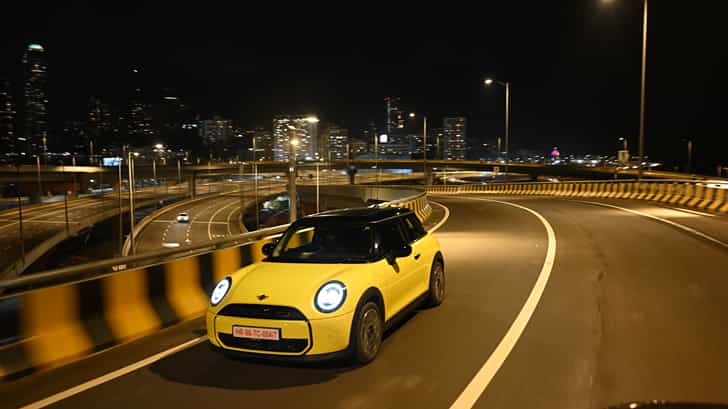
The FTA with the UK has certainly reduced import duties on cars like the Mini Cooper S, but the price reduction is not as straightforward as it might seem. The FTA only applies to cars that are manufactured in the UK and imported into India, and the duty reduction is being phased in over several years rather than coming into effect immediately. Mini India has also recently launched the new generation Cooper S, which is a significantly updated car with a new interior, more technology and a higher level of standard equipment. That has naturally pushed the price up, and the FTA savings have essentially been offset by the higher cost of the new model and the weakening rupee as a currency against the EuroIf you are keen on a Mini Cooper S, there is no strong reason to wait. The new generation car is already on sale, and the FTA duty reductions will continue to be phased in gradually over the next few years rather than resulting in a sudden price drop. If you are happy with the current price and specification, it makes sense to go ahead now rather than waiting indefinitely for a further reduction that may not be significant in the short term.
How does the Nissan Tekton N-Connecta turbo compare with the Maruti Suzuki Brezza VXi Plus turbo?
The Nissan Tekton N-Connecta turbo and the Maruti Suzuki Brezza VXi Plus turbo are both strong contenders in the compact SUV segment, but they appeal to slightly different priorities.The Nissan Tekton turbo is the more engaging car to drive, with a punchy turbo petrol engine and a well-sorted chassis that makes it genuinely enjoyable on the road. The N-Connecta trim also offers a good balance of features without pushing the price too high. Nissan's service network is not as extensive as Maruti's, but the Tekton is a well-engineered product and should not pose major ownership concerns.The Brezza VXi Plus turbo, on the other hand, is the safer ownership bet. Maruti's service reach and low maintenance costs are its biggest strengths, and the Brezza is a proven, reliable product. The turbo petrol engine is also strong, but the Maruti Suzuki Brezza is not as engaging to drive as the Tekton.If you prioritise driving enjoyment and a more dynamic experience, go for the Tekton N-Connecta turbo. If you prioritise hassle-free ownership and long-term peace of mind, the Brezza VXi Plus turbo is the better choice.
I own a 2019 Volvo XC40 diesel automatic and am its second owner. I now have a driver, so I mostly travel in the rear seat. However, I find it uncomfortable because of the limited under-thigh support and insufficient seatback recline. Could you recommend a diesel automatic with comfortable rear seats, recline adjustment and rear AC vents? I regularly make highway trips of around 150km, two to three times a week.
We’d recommend the Kia Sorento, specifically the six-seat HTX diesel automatic. Its second-row captain’s seats offer slide and recline adjustment, along with ventilation and rear air-conditioning vents, making it a much better fit for your chauffeur-driven usage. Be sure to choose the six-seater, as the seven-seat version has a conventional benchThe 2.2-litre diesel paired with a smooth-shifting eight-speed dual-clutch automatic is an excellent combination for those regular 150km highway trips. It offers strong, effortless performance, while the comfortable ride and spacious second row should make spending long hours in the back considerably more relaxingSince under-thigh support is your main complaint with the Volvo, we’d strongly suggest taking an extended test drive from the rear seat. Adjust the seat slide and backrest recline to check whether the support suits you, rather than judging comfort during a quick showroom sit.Kia may not have Volvo’s premium cachet, but for your needs, the Sorento is all the car you need.
I’ve almost finalised the Skoda Kylaq Signature Automatic, and I really like the car. However, I’m a little worried about Skoda’s long-term service and maintenance costs, especially after the warranty period. I’m planning to keep the car for around 7–8 years. Would you recommend taking the Service Maintenance Package (SMP) along with the car? Is it worth the additional cost considering regular servicing and potential maintenance expenses? Also, compared with the Brezza and Nexon, how is the Kylaq Signature Automatic in terms of long-term reliability, service costs and parts replacement? Would really appreciate your advice before I make the final purchase decision.
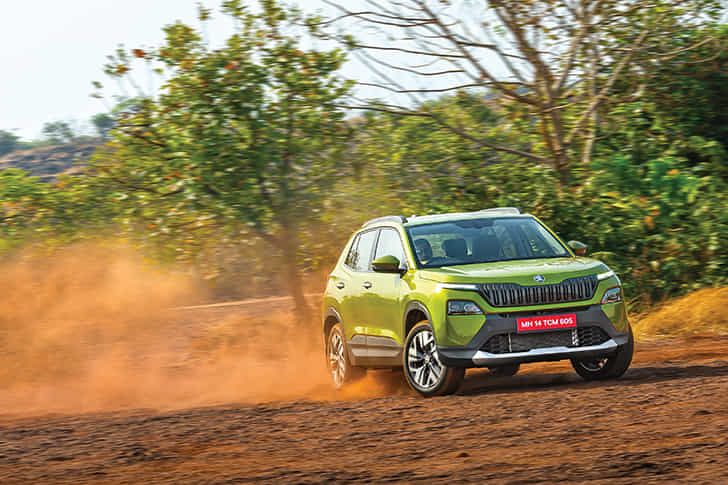
If you like the Skoda Kylaq Signature Automatic, go ahead and buy it. It is a genuinely good car and one of the best driver’s cars in the segment. The 1.0 TSI engine paired with the 6-speed torque converter automatic is a proven combination, and Skoda’s reliability has improved significantly in recent years. The bigger concern is not reliability but long-term maintenance costs, which can be higher than Maruti or Tata once the car is out of warranty.This is where the Service Maintenance Package (SMP) makes sense. It locks in your service costs for the first 4-5 years, covers all scheduled maintenance and gives you peace of mind during the most expensive ownership period. If you are planning to keep the car for 7-8 years, it is worth the additional cost because it protects you from unexpected bills and helps you budget ownership costs more accurately.Compared to the Brezza and Nexon, the Kylaq is the better driver’s car with a more engaging driving experience and a stronger engine. The Brezza is the benchmark for long-term reliability and low maintenance costs, while the Nexon sits somewhere in between. The Kylaq is not unreliable, but parts and service can be more expensive once you are out of warranty.If you are buying the Kylaq, take the SMP and enjoy the car. If long-term ownership costs are your absolute priority, the Brezza is the safer financial choice.

I have pre-booked the electric Mercedes-Benz GLC, but the India-spec version does not get air suspension or rear-axle steering, despite being advertised as the fully loaded, top-spec AMG 400 4Matic. This is disappointing, especially since EVs need to manage their added weight. However, the extra weight could also help the car handle undulations and potholes on Indian roads, much like how the Kia Syros EV reportedly rides better than the ICE Syros. Is this reasoning sound? Also, what do you think of Mercedes-Benz leaving out these features despite the high price? I understand that a final verdict should wait until a test drive, but could Autocar India question Mercedes-Benz India CEO Santosh Iyer about this at the launch? The two features reportedly cost only Rs 2.5 lakh together, and it seems disappointing that they might have been omitted to compete with the upcoming BMW iX3.
Your logic is partially sound, but it doesn't tell the whole story. The extra weight of an electric car does help the suspension settle over small undulations and broken patches, which is why cars like the Kia Syros EV can feel more planted than their ICE counterparts. However, that same weight also puts more strain on the suspension over larger bumps and potholes, which is where a more sophisticated setup like air suspension and rear axle steering really makes a difference. Air suspension can better manage the weight and provide a more consistent ride, while rear axle steering improves agility and stability, especially in a heavy EV.As for Mercedes-Benz not offering these features on the India-spec car, it is disappointing, especially at this price point. The decision is likely driven by cost and positioning relative to the BMW iX3, but it does feel like a compromise on what should be a flagship product. We will certainly raise this with Mercedes-Benz India at the launch.Ultimately, the best way to judge the car will be to drive it on Indian roads. If the suspension tuning is well sorted, the absence of air suspension may not be a deal-breaker, but it is something to be aware of given the price.
I have a 2015 Mercedes-Benz E-Class E250 CDI Avantgarde with 80,000 km driven. I am thinking of getting a new car. I don’t drive much, except for some long highway drives once every six months. I have hybrid cars like the Sorento in mind. Is it worth changing?
If your Mercedes-Benz E250 CDI is running well and you only do occasional long highway drives, there is no strong financial or practical reason to change it right now. The Mercedes-Benz E-Class is a superb long-distance car with excellent comfort, refinement and a proven diesel engine that is well suited to highway cruising. At 80,000km, there is still life left in it as a well-maintained Mercedes diesel, and the cost of upgrading to a new car is unlikely to be justified by your current usage pattern.The Kia Sorento Hybrid is a very different proposition. It is a large, comfortable and well-equipped SUV, but the hybrid system is designed to deliver its biggest benefits in mixed city and highway driving. On long highway runs, the fuel economy advantage over a diesel is less pronounced, and this Kia car does not offer the same driving experience as the E-Class.If you are looking for a change, the Sorento Hybrid is a sensible and practical family SUV, but it is not a direct replacement for an E-Class in terms of driving experience or long-distance comfort. If your usage remains occasional long highway drives, it makes more sense to keep the E-Class and enjoy it for a few more years. If you want a change for the sake of something new, the Sorento Hybrid is a great option.
Hi, I booked a Thar Roxx AX7L diesel automatic 4WD, and I hope to get the car this month. But recently I have seen posts about an upgrade coming for the Thar Roxx. A new upgraded model is reportedly under testing and is expected to launch soon. Kindly advise whether I should wait for the upgrade or continue with the purchase of the current model. Also, when will the new updated model be launched? Please advise.
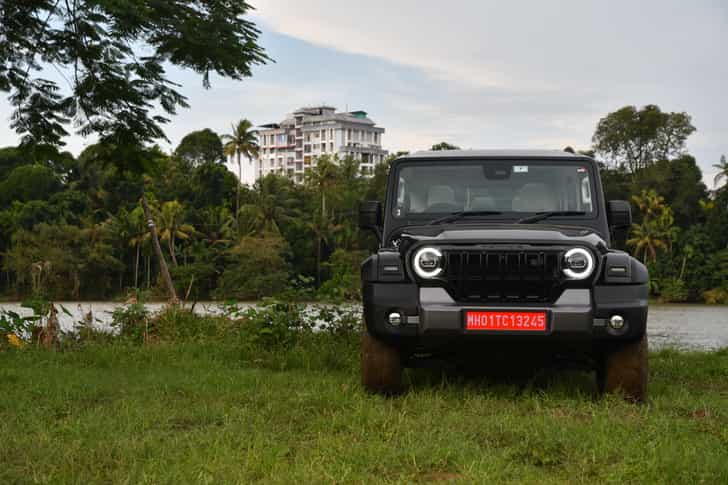
Go ahead with your Mahindra Thar Roxx AX7L DAT 4WD booking. The Thar Roxx is a recent addition to the Thar line-up, and there is no confirmed information about a major update or facelift coming in the immediate future. The posts you have seen are likely referring to Mahindra's ongoing testing of various Thar prototypes, including the upcoming Mahindra Thar e (electric version) and other variants. These are not direct replacements for the current Thar Roxx.The Thar Roxx itself is a well-specced, feature-rich variant that already benefits from Mahindra's recent updates to the Thar range. Waiting indefinitely for an unconfirmed update does not make sense, especially when you have a car allocated and ready for delivery. If Mahindra does introduce a minor update in the future, it is unlikely to be a major overhaul that would fundamentally change the ownership experience.In short, take delivery of your Thar Roxx and enjoy it. There is no compelling reason to delay your purchase based on speculation.
I currently own a Jeep Compass and want to get an additional car for my father, with good reliability, unlike the Jeep. My father still drives a 2008 Honda City, and I am torn between a few choices: the Honda City, Skoda Slavia, Nissan Tekton and Toyota Hyryder. Or should I wait for the Virtus facelift or the new-generation Creta? His usage is low, at almost 500 km per month. Please suggest.
With just 500km a month, petrol is the clear choice, and reliability and ease of ownership become the most important factors. The Honda City is the safest recommendation here. It is a proven product with a strong reliability record, a comfortable ride and a familiar ownership experience that your father will appreciate, especially coming from a 2008 City. The Skoda Slavia and Volkswagen Virtus are both excellent to drive, but the 1.0 TSI engine can feel a bit laggy at low speeds, and the 1.5 TSI is overkill for this kind of usage. The Nissan Tekton is a good value proposition, but engines are not responsive at low speeds and Nissan's service network is not as strong as Honda's, which matters more for a low-running, long-term ownership scenario. The Toyota Urban Cruiser Hyryder is a solid option if you specifically want an SUV, but the hybrid premium does not make financial sense at this running, and the naturally aspirated petrol is not as refined as the City's engine. The new-generation Hyundai Creta is worth waiting for only if your father specifically wants an SUV; otherwise, the City remains the more sensible choice. Overall, the Honda City is the most reliable, comfortable and hassle-free option for your father's usage.
Please recommend one of the Sorento, Hycross and Kodiaq (all automatic). I drive 350 km on the highway each week, plus 50 km per day in the city for 3 days. My decision criteria are: Diesel or hybrid, Safety (Kia has a bad reputation), Back-seat comfort on the highway, Driving quality, Last-row seat comfort, and Comfort when driving myself I am leaning toward the Sorento. If so, should I choose the diesel or the hybrid?
For your mix of 350 km of highway driving each week and another 150 km in the city, the Toyota Innova Hycross Hybrid is a sensible recommendation. It combines good fuel efficiency with easy city driving, a comfortable highway ride and, crucially, a genuinely usable third row. If you regularly travel with adults in all three rows, it makes the strongest case. Toyota’s reputation for reliability adds to its appeal for long-term ownership. The Kia Sorento is a good alternative, especially since you are already leaning towards it. We would favour the diesel if highway cruising is your priority, although your city running means the hybrid deserves consideration too. The Sorento feels more plush and better appointed, and we would rate it above this Toyota car as a highway cruiser.What could be the deal-breaker is the third row. It is better suited to children or occasional use by adults. The low seating position leaves you sitting with your knees raised, rather than comfortably supported, so make sure your intended passengers try it before you decide.On safety, we would not judge the Sorento by the reputation of other Kia models sold in India. Safety is model-specific, and the Sorento generation tested by Euro NCAP earned five stars. The Skoda Kodiaq is the driver’s choice here, with excellent dynamics and a premium cabin. If self-drive enjoyment matters more than maximum passenger space, it is very appealing. However, its third row is less accommodating than the Hycross’s, and its petrol-only powertrain is unlikely to match the Toyota hybrid’s economy for your usage.
I keep fixating on achieving a 5-star safety rating for both adult and child occupants. My family consists of four adults and one child. I currently drive a Tata Altroz MT and want to upgrade to an automatic car. My requirements are as follows: I cannot buy an SUV because an elderly family member finds it difficult to get in and out. I cannot buy another Tata or Mahindra. My budget is a maximum of Rs 20 lakh, which I plan to pay off over three years. I need a 7-seater. I need good ground clearance, but the car must also be easy for elderly people to get in and out of. A 5-star safety rating for both adult and child occupants is non-negotiable. Given these requirements, does a 5-star safety rating actually mean anything in real-world conditions, or is it just a marketing gimmick? Thanks!
Given your requirements, of an automatic seven-seater with a solid crash safety rating that's not a Tata or Mahindra under Rs 20 lakh, and with good ground clearance, you're only option is the Citroen Aircross. But do keep in mind that only its 5-seater version has been crash tested with a 5-star score for adult protection and 4-star score for child protection. While the three-row version of the Citroen is largely mechanically identical, this score is only applicable to the two-row version.With the Citroen Aircross, you get a very premium interior, a strong turbo-petrol engine, smooth 6-speed automatic and excellent ride comfort. It has ample ground clearance, and is the only SUV of its kind to have a three-row seating configuration, however its third row is best left for kids. Also, given Citroen's limited dealer network, servicing could be a challenge. If you need a genuinely practical and spacious seven-seater with all the safety features, consider the Kia Carens Clavis Turbo-petrol automatic. It will be easy for your family members to get in and out. The only catch being, it hasn't been crash tested. The 5-star safety rating is not a marketing gimmick, it is a meaningful indicator of a car's crashworthiness and the effectiveness of its safety systems. However, it is important to understand that a 5-star rating is not an absolute guarantee of safety. It means the car has performed very well in standardised crash tests and meets high safety standards, but real-world outcomes can still vary depending on the nature of an accident.
I currently own a 2022 Mahindra XUV700 and am interested in upgrading to the Renault Duster Hybrid. Could you please provide details about the Duster Hybrid’s launch date, booking availability, and estimated price?
The Renault Duster Hybrid will be launched on October 17th. Renault has already started accepting bookings for the Duster Hybrid, so you can register your interest with a Renault dealer now. The estimated price for this Renault car is expected to be in the range of Rs 19 lakh to Rs 22 lakh, depending on the variant and final specification.The Duster Hybrid uses a 1.8-litre petrol engine paired with an electric motor and a battery pack, offering strong low-end torque and fantastic fuel efficiency of 29kpl on the Indian test cycle. The hybrid system is designed to provide a smoother driving experience with seamless transitions between petrol and electric power, making it well-suited for urban commuting as well as highway runs.Compared to your 2022 Mahindra XUV 7XO, the Duster Hybrid will feel more modern and efficient, with a focus on fuel economy and a more engaging driving experience. However, this Mahindra car remains the more spacious and feature-rich SUV, so the decision ultimately depends on whether you prioritise efficiency and driving dynamics or space and features.
I am planning to buy a 2014 Fiat Linea 1.3 diesel. Is it a good choice in 2026, considering the availability of spare parts and the car’s long-term maintenance requirements? Please advise.
The 2014 Fiat Linea 1.3 diesel is a tempting buy if you are looking for a solid, well-built sedan car with good ride quality and strong highway manners. However, buying one in 2026 comes with some important caveats. Fiat has exited the Indian market, and while parts availability for the 1.3 diesel engine is still reasonable today because it was widely used across multiple brands, the situation is likely to become more challenging over time. Body panels, trim pieces and certain electronic components can already be difficult to source, and this will only get harder as the car ages.If you are mechanically inclined and have access to a trusted independent garage, the Linea can still be a viable option, but it is not a car we would recommend for hassle-free daily use in 2026. There are simply better options available in the used market that offer a more reliable ownership experience and easier parts availability. If you are set on a diesel sedan, consider looking at a used Honda City diesel or a Volkswagen Vento diesel instead. Both are more practical long-term choices.
I am planning to upgrade my dad’s car. He currently drives a 2014 Honda Amaze petrol, which has clocked over 70,000km. My dad is satisfied with its comfort and driving experience. I am planning to buy a new petrol car, with ride quality and comfort as the top priorities, followed by fuel efficiency. The car will be driven on bumpy village roads and semi-hilly roads in Kerala, with occasional trips on state highways. My maximum budget is Rs 13-14 lakh on-road. Reliability and service quality are also important, as my dad is not very knowledgeable about automobiles. So far, we have been happy with the Honda Amaze’s service costs and quality, and the car has not had any major issues. Could you please suggest a suitable car that meets these requirements?
Based on your father’s priorities and usage, we’d recommend the Honda Elevate SV manual as the most sensible upgrade, provided you can stretch your budget a wee bit. It’s currently around Rs 14.2 lakh on road in Kerala, though the final quote will depend on your location, insurance and any dealer offers.It builds on the Honda qualities your father already appreciates in his Honda Amaze, while adding a higher seating position, more ground clearance and a comfortable suspension that copes well with broken roads. That makes it well suited to his village-road driving, with the caveat that bigger potholes still need to be taken slowly The 1.5-litre naturally aspirated petrol engine is smooth, responsive and straightforward to drive. On steeper climbs, he may need to downshift rather than expect strong pulling power in a high gear. The cabin is comfortable, visibility is good and the boot is generous. Overall, it offers the fuss-free driving experience he’s enjoyed in the Amaze, in a more spacious package. Given his positive experience with the local Honda workshop, staying with the same service setup is another practical advantage.If Rs14 lakh is a firm ceiling, we’d look at the Maruti Suzuki Brezza 1.0 turbo-petrol. Its punchy engine should suit the uphill stretches, and your budget could allow a higher variant with more features. This Maruti Suzuki car also offers a 1.5-litre naturally aspirated petrol, which is worth trying if he prefers smoother, more linear responses over outright punchWe’d favour the Elevate for comfort and familiarity, but have your father test-drive both on the kind of roads he actually uses before deciding.

Hi, I am planning to buy a new car and am confused between the Kia Seltos HTX (A) DCT and the Tata Safari Adventure Plus. I liked the interior quality of the Seltos, while the Safari’s road presence is impressive. My annual running is around 15,000km, including both city driving and highway trips. Could you please guide me on which car would be the better choice for my needs?
Go for the Kia Seltos HTX(A) DCT. At 15,000 km a year with a mix of city and highway driving, the Seltos is the more sensible choice. This Kia car is easier to drive in the city, more efficient and still comfortable on long trips. The DCT gearbox is quick but a bit jerky in traffic, but the car feels premium inside, which you already like. The Tata Safari has great road presence and more space, but this Tata car is a much bigger car to live with every day and does not feel as well-finished inside. The Seltos is the better all-rounder for your usage.
Need expert advice?
Ask the Autocar community and experts.