


I am currently using a 2021 Maruti Suzuki WagonR, and my monthly running is around 2,500 km. As my family has grown to five members, I am planning to upgrade my car. My budget is Rs. 13 lakh. Please suggest the best car for my family that offers a sunroof, good mileage, strong safety and comfortable seating for five people.

 Mahindra XUV 3XOKia SeltosMaruti Suzuki Wagon R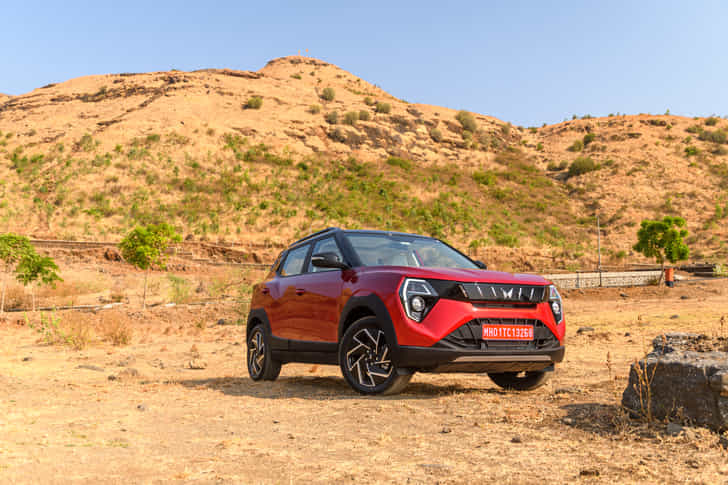
I am a first-time driver with an annual running of no more than 6,000 km and need an automatic car. I am confused between the Tata Nexon 1.2 AMT Creative+ at around Rs. 13 lakh, which offers features such as a 360-degree camera and panoramic sunroof, and the Maruti Suzuki Brezza VXi AT at a similar price. Should I choose the Brezza VXi AT or stretch my budget to around Rs. 14.5 lakh for the ZXi variant with a reverse camera? I liked the Nexon's comfort and spacious cabin. Will the AMT gearbox be suitable for 75% city driving and 25% hill driving around Pune?
Maruti Suzuki BrezzaTata NexonMahindra XUV 3XOI live in Hyderabad and am planning to shift to an apartment soon. My budget allows me to rent a standalone apartment, which may or may not have a dedicated parking spot. In this case, is it safe to rely solely on DC public chargers considering the impact on battery health? For renters, are EVs a difficult choice if you don't live in a gated society with necessary charging arrangements, and does it make CNG a safer and cheaper choice?
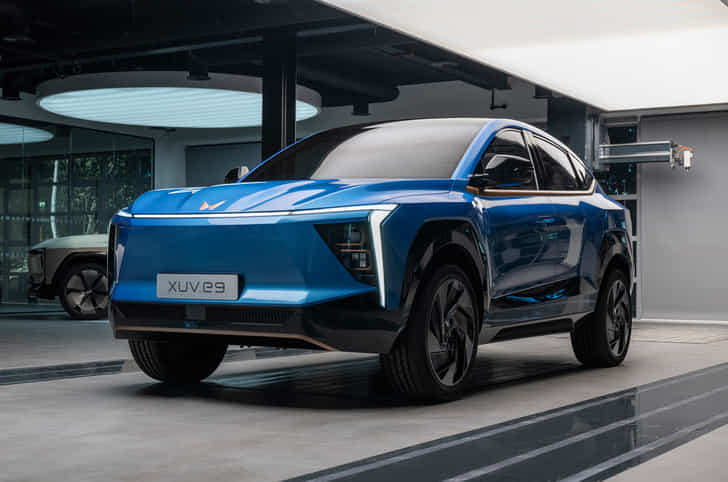
Hi, good evening and greetings from Nagendra, I am in Mumbai and am planning to buy Honda City 1.5 litre but I am concerned due to speed breakers in Mumbai that are around 10 to 25 cm in height. This is especially the case in the Urban Mumbai. Please advice.
Honda ElevateHonda CitySkoda SlaviaVolkswagen VirtusHi, I am 33 years old and I am planning to buy the car for the first time and my monthly running is around 1000km. My monthly salary is Rs. 88,000. Tell me which car would be fit for me. Also, occasionally I will visit my home town from from Gurgaon to Darbhanga in Bihar.
Maruti Suzuki BrezzaHonda AmazeMahindra XUV 3XO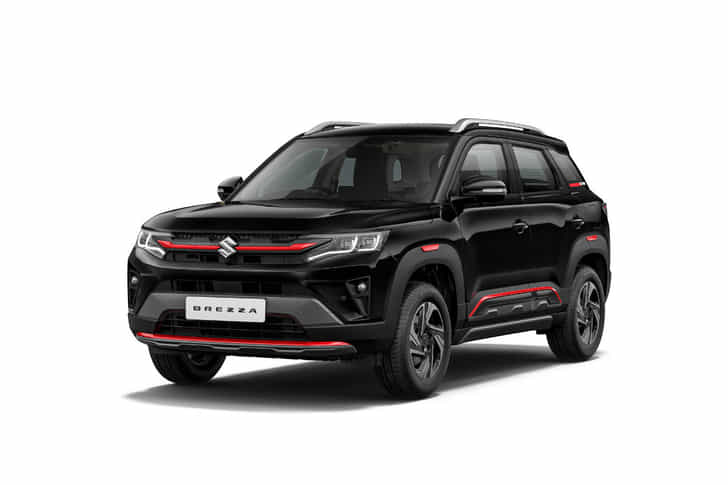
Dear Team, I am quite perplexed and would greatly appreciate your assistance. I currently drive a 2023 Hyundai Creta Turbo top-end model and am looking to upgrade to a superior vehicle, with a budget of under Rs 30 lakh. My driving is evenly split between highways and city roads. Usually, there are two adults and one teenager in the car for 99% of my drives. I also admit that I do not have a strong parking sense, which makes me apprehensive about driving larger vehicles. I require a fully automatic car. Once a year, I travel with my family of four adults, one teenager, and a dog, along with substantial luggage to hilly destinations such as Shimla, Mussoorie, and Manali. My Creta has never struggled with the overall load, and I have never faced any issues with its performance or ability to handle steep climbs, even with the air conditioning on and the car fully loaded. The most economical option appears to be the top-end Alcazar, as it is currently available with a discount. However, I am considering the XUV700 top-end AX7L, as I believe it might offer more power and luxury. I am also anticipating the launch of the new MG Hector, which I expect to be more luxurious and fuel-efficient. Could you please advise me on which car would be most suitable for my requirements? If I opt for the top-end Alcazar Turbo Diesel, will it be capable of handling steep climbs with a full load, or should I consider the XUV700 with its 2.0-litre engine? Also, which of these vehicles would provide greater comfort in Delhi's bumper-to-bumper traffic? Regards, Ady
Mahindra XUV 7XOHyundai AlcazarMG HectorHyundai Creta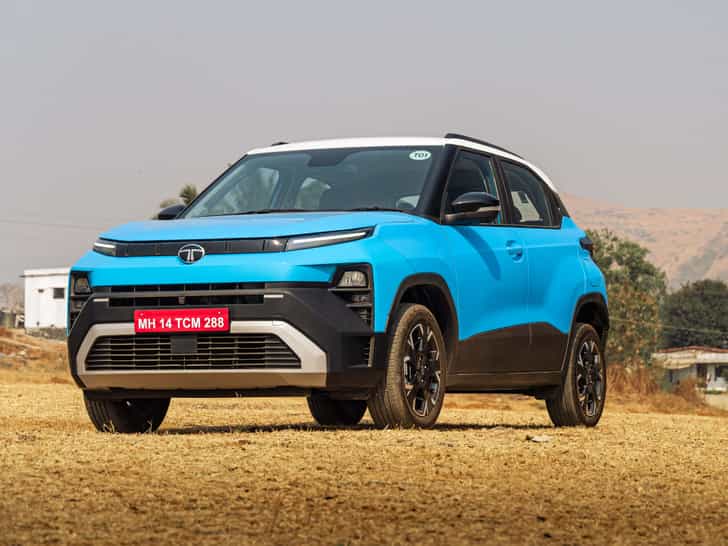
I am planning to buy my first car, and my monthly running would be around 1,000 km. I need a comfortable car, as around 60% of my driving will be on highways, mostly on a fixed route. I am getting the Tata Curvv EV for Rs 17 lakh and the Kia Seltos Diesel HTX for Rs 17.5 lakh. I also have an EV charger at home. Which one should I buy considering my usage and the fact that this will be my first car?
Tata Curvv EVKia SeltosPlanning to buy a Mercedes GLE and currently getting a Rs 4 lakh discount on the current model. I read online that the new-generation GLE has already been launched abroad. Should I wait for the new model or buy the current one with the discount? I expect the new GLE to be more expensive and unlikely to have such discounts when it launches in India. If the new model is significantly better and worth the extra money, I’m willing to wait. So, should I buy the current GLE now or wait for the new one?
Mercedes-Benz GLE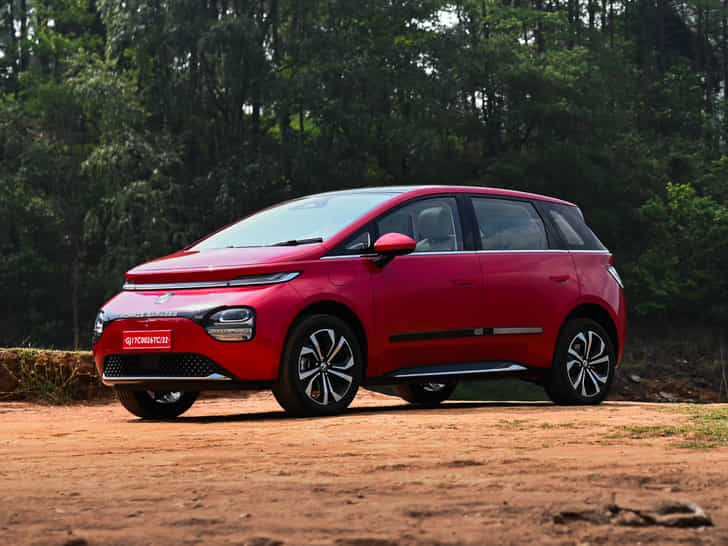
I am a retired person living in Bangalore and am 6 ft tall. I am planning to buy a midsize/compact SUV in 2027. My car usage will be around 40-50 km per week, with long-distance travel once every three months. I am not concerned about mileage. My priorities are comfort, easy ingress and egress to the driver’s seat, a good music system, safety, good high-speed handling, and a boot space of more than 450 litres. Please suggest a suitable vehicle.
Tata SierraKia SeltosRenault DusterI’m 38 years old, earn more than Rs 1.5 lakh per month, and this will be my first car. I’m considering the Maruti Brezza, Fronx, Mahindra XUV 3XO, Kia Seltos, Hyundai Creta, and Honda Elevate. I’m currently planning to go for the Kia Seltos automatic IVT. Which car would be the most suitable for me? I’ll mainly use the car for monthly trips, with a running of around 500-1,000 km per month or every one and a half months.
Kia SeltosHyundai CretaMaruti Suzuki BrezzaMaruti Suzuki FronxMahindra XUV 3XO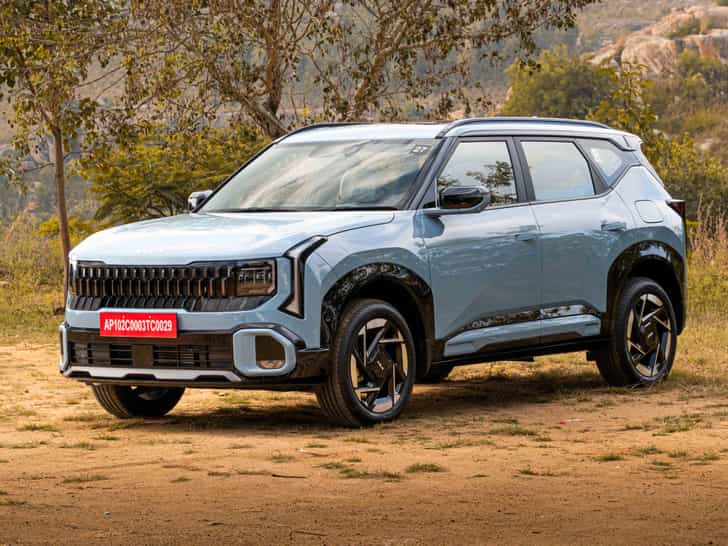
Hi I am currently using an S-Presso manual car and planning to upgrade to an automatic sub-4-metre SUV. My budget is Rs. 10-12 lakh, and my annual usage is around 6,000 km, with 60% highway and 40% city driving in Chennai. I am also planning to take solo trips twice a year. Please suggest a car that offers good mileage, low maintenance costs, and strong safety.
Maruti Suzuki BrezzaMaruti Suzuki S-PressoSkoda Kylaq