Latest questions answered by experts
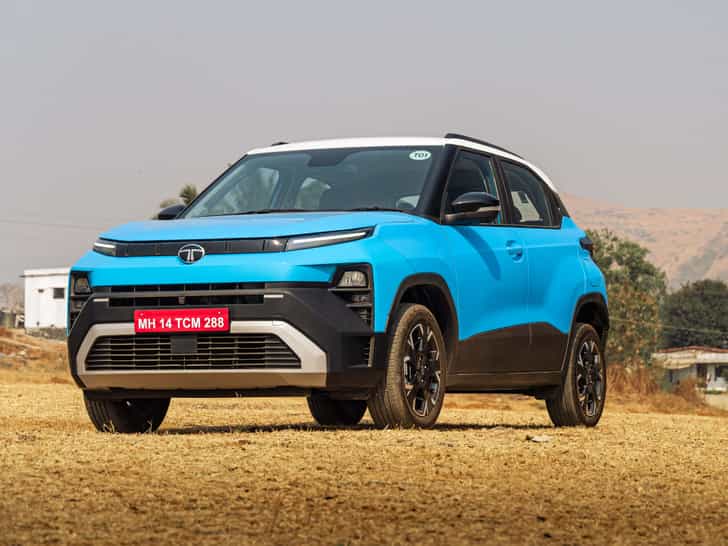
I’m planning to purchase a car that can accommodate 3-4 adults. There will be some city driving, but high-traffic conditions will be less frequent. I will also be taking occasional family trips of 300-1,000 km, possibly slightly more, on plains and hilly terrain such as Himachal and Jammu & Kashmir, but not Ladakh. I’m not looking for rapid acceleration, but I do want decent pulling power with the AC switched on, usually at around 24-25°C. I currently have an old Maruti Alto (not the K10 series). I haven’t taken it to Himachal, but it performs okay on moderately hilly terrain with the AC on mildly. Would the Tata Punch petrol manual be a decent purchase? What about the AMT version? I’m concerned that it might feel underpowered. Or would the Tata Punch petrol be a better option? What other options would you suggest? My first choice is to keep my budget between Rs. 10-11 lakh on-road, though I could stretch it by another Rs. 2-3 lakh if essential. Thanks in advance.
For your usage, the Punch petrol manual would be a better fit than the Altroz petrol. Its 193mm ground clearance and good ride quality make it better suited to Himachal and Jammu & Kashmir roads, while the 88hp 1.2-litre petrol has enough pulling power for three to four adults as long as expectations are realistic.The Punch AMT would not be our pick for this usage. The 1.2 petrol is already not particularly strong when fully loaded and climbing, and the AMT can feel slow when you need a quick response. The turbo petrol is considerably stronger at 120hp and 170Nm, but it is manual only, so the 1.2 manual is the sensible choice if you want to stay close to Rs 10-11 lakh.If you are willing to stretch towards Rs 12 lakh, the Skoda Kylaq 1.0 TSI AT would also be worth considering, particularly if you want stronger highway performance and an automatic.

I am looking for my first car with a budget of under Rs. 10 lakh. My usage will be mostly city driving in Bangalore, with occasional long trips. I prefer an AMT or CVT transmission with a petrol engine. Please suggest the best car for my needs within this budget.
For a first car that will primarily be used in Bangalore, the i20 Sportz IVT is the most suitable choice within your budget. The 1.2-litre petrol engine paired with the CVT is smooth and easy to drive in traffic, while the i20 offers a comfortable, refined cabin and enough space for a small family. The Sportz IVT is also well equipped without requiring you to stretch to the higher variants.The Honda Amaze V CVT would be our second choice. Its 1.2-litre naturally aspirated petrol engine and CVT are similarly smooth, and the sedan offers a 416-litre boot and a 5-star Bharat NCAP rating. It is particularly worth considering if you expect to carry luggage on your occasional long trips.
I am a first-time car buyer. Please suggest an SUV that is easy to drive for a new driver who is not very confident behind the wheel. I am looking for a car with very light steering for heavy traffic and parking, good ground clearance, a 360-degree camera, and a CVT transmission, as I feel CVTs are easier to drive in traffic. What about the Honda Elevate CVT? It offers good hood visibility and ground clearance, but I am not sure about its steering. I also feel it is a bit long, and it does not have a 360-degree camera. Could you suggest other options that would suit my needs? Are Hyundai and Kia IVTs better than CVTs? What about the Nissan Magnite CVT and Renault Kiger CVT? Would an EV be a better option? Overall, please suggest an automatic car that is easy to drive for someone who is not very confident behind the wheel. I would prefer a car that meets my requirements, but I am open to better suggestions as well.
For a first-time driver who is not very confident, the Nissan Magnite CVT and Renault Kiger CVT are the most natural fits, while the Honda Elevate CVT remains a good choice if the extra size is manageable. The Magnite and Kiger are compact, have light steering, good all-round visibility, around 205mm ground clearance and 360-degree cameras, making them particularly easy to place in tight traffic and parking spaces. The CVTs are also smooth and predictable, which is useful for a new driver. The Kia Seltos 1.5 IVT is another good option, and its IVT is essentially a CVT in operation, but the Seltos is larger and therefore not quite as unintimidating as the Magnite or Kiger. The Honda Elevate CVT has several advantages for a new driver, particularly its good bonnet visibility, upright driving position, 220mm ground clearance, light and predictable CVT and 5.2m turning circle. Its 4.3m length, however, will make tight parking slightly more challenging than in the Magnite or Kiger. The current Elevate's lack of a factory 360-degree camera is also a drawback, although the upcoming Elevate facelift is expected to get a 360-degree camera, which would make it a considerably better match for this requirement. An EV can be even easier in traffic because there is no gear changing and the response is very smooth, so the Punch EV is worth considering if home charging is available.
Upcoming launch buzz
Community discussions on upcoming launches
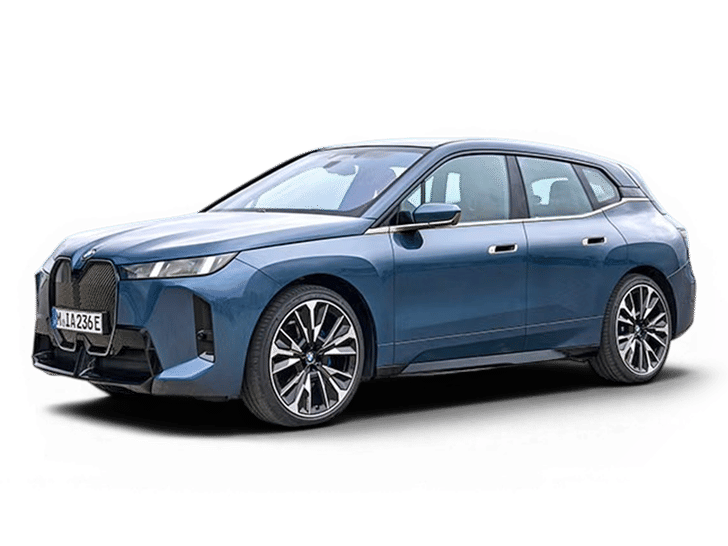
BMW
iX facelift
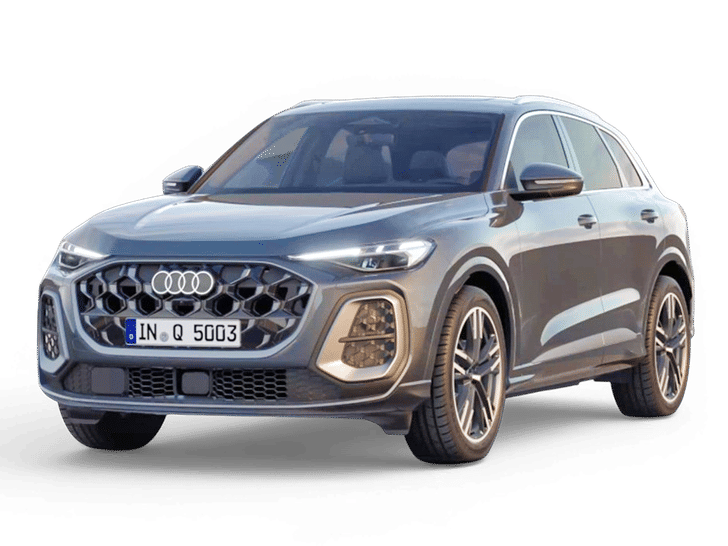
Audi
New Q5
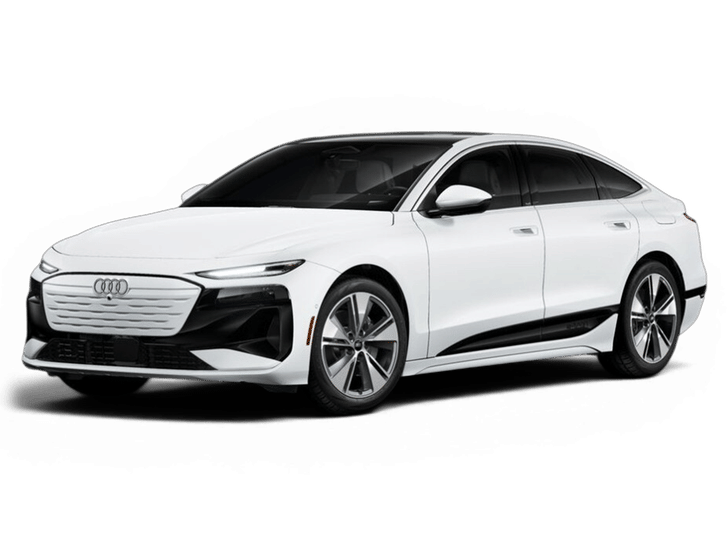
Audi
A6 e-tron

Audi
Q6 e-tron
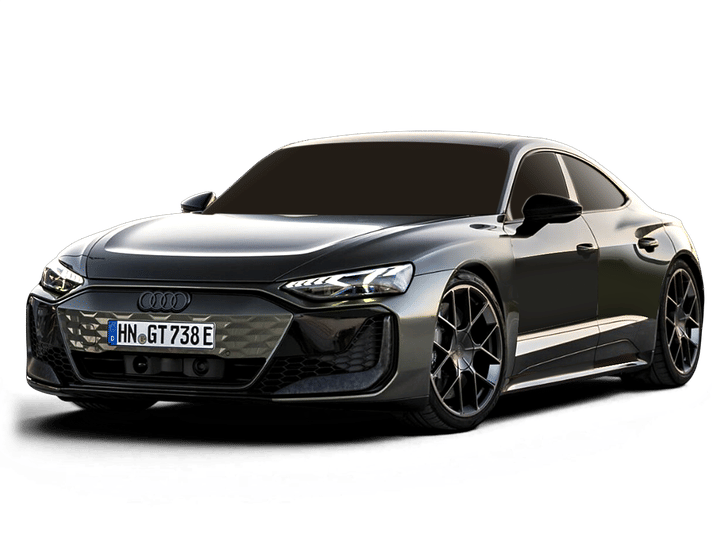
Audi
e-tron GT facelift

Volkswagen
Virtus facelift
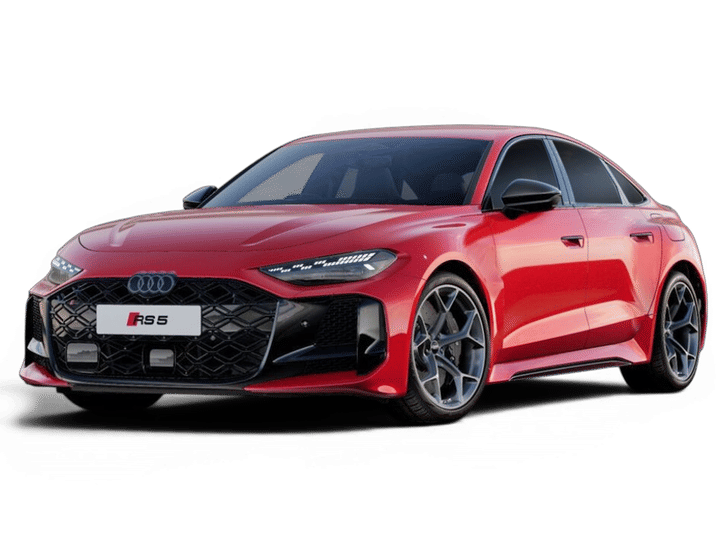
Audi
A5

Vinfast
VF5
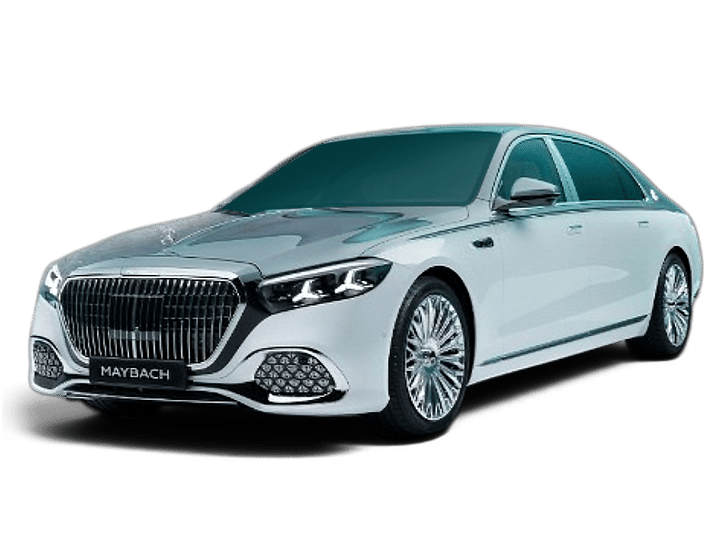
Mercedes-Benz Maybach
S-Class facelift
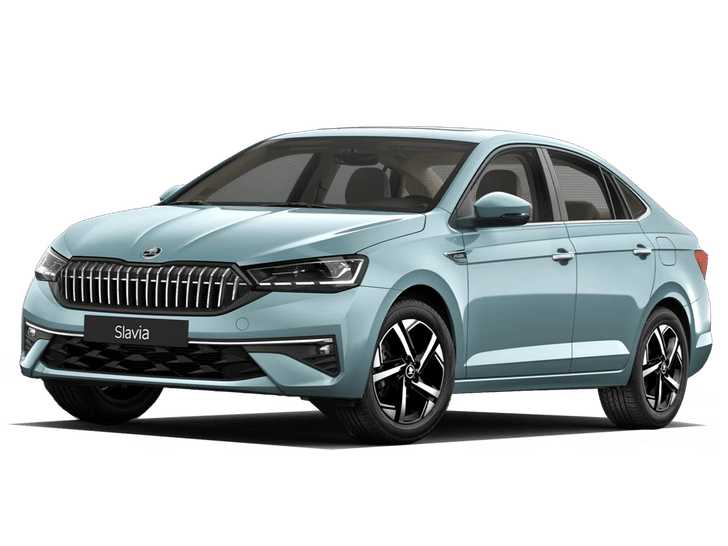
Skoda
Slavia facelift
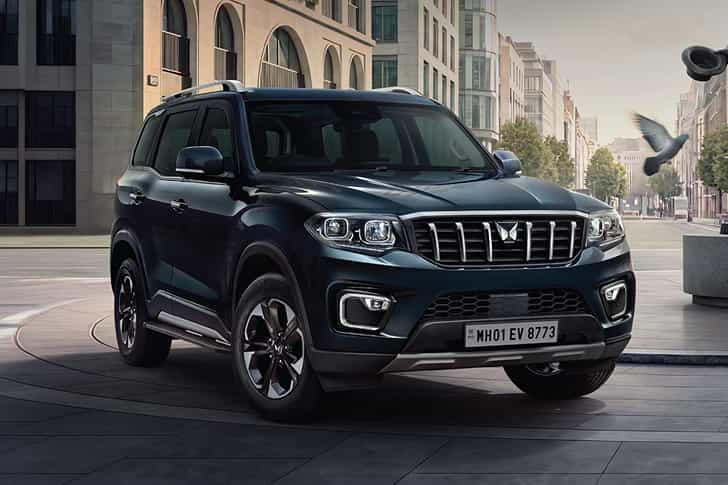
I read a news report that Mahindra is planning range-extender and strong-hybrid powertrains. Is there a possibility of Mahindra launching a diesel PHEV in models like the Scorpio N and Scorpio Lifestyler pickup?
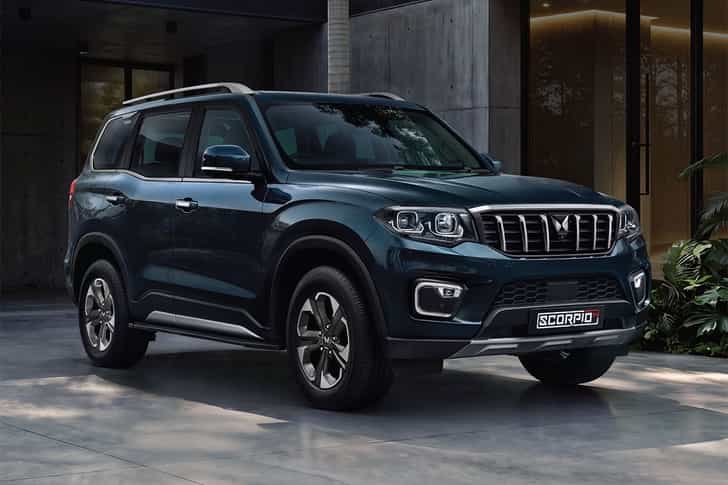
Mahindra has confirmed that it is working on range extenders and strong hybrids, but it has not announced any diesel plug-in hybrid plans for the Scorpio N or Scorpio Lifestyler. In fact, Mahindra has not confirmed any diesel plug-in hybrid models at all. The company’s hybrid strategy is expected to focus on petrol-based strong hybrids and range extenders, rather than diesel plug-in hybrids.Diesel plug-in hybrids are also relatively rare globally because they are complex and expensive to develop, and the emissions benefits are not as clear-cut as with petrol hybrids. Mahindra’s diesel engines are already very efficient, and the company is more likely to focus on petrol hybrids and range extenders for future hybrid models.So while Mahindra is definitely working on hybrids, a diesel plug-in hybrid Scorpio N or Scorpio Lifestyler is unlikely at this stage.

I am planning to buy the Tata Punch EV, but I have heard about many issues and problems with the car. Is that true? Should I avoid buying it because of these concerns?
The Tata Punch EV is a genuinely good product and one of the most affordable ways to get into a practical, well-sized electric car. It offers a comfortable ride and a very usable range for city use. However, Tata Motors has had a mixed track record when it comes to niggles and minor quality issues, and the Punch EV has not been completely immune to that. Most of the issues reported are relatively minor and not deal-breakers, but they can be frustrating over time. Frankly, there is no equivalent option in the same price range. Hence, the Punch EV is the best option for your money , but go in with realistic expectations and make sure you have a good service centre nearby.
Can the flush door handles on the Kia Seltos be opened from the outside in case of an accident, and are they safe in an accident?
Yes, the flush door handles on the Kia Seltos can be opened from the outside in the event of an accident, and they are designed with safety in mind. The flush handles are a cosmetic feature that sit flush with the door for aerodynamic and aesthetic reasons, but they are still mechanically linked to the door latch mechanism. In the event of an accident, emergency responders can still access the door handles and open the doors as they would with conventional handles. This Kia car also features standard safety systems such as side impact protection, multiple airbags and reinforced door structures, which are far more critical to occupant safety in a crash than the design of the door handles themselves. Overall, flush door handles do not compromise safety in an accident and are designed to function reliably in emergency situations.
Following my previous question about replacing my 2019 Tata Hexa, which has covered 1.30 lakh km, with a new SUV or MPV within a budget of Rs 35 lakh and for a daily commute of around 90 km, we had finalised between the Scorpio N and the XUV 7XO, and had found the Scorpio more familiar than the Hexa. Now I am confused about which variant of the Scorpio N to go for: the Z8T or Z8L. The Z8L has ADAS, which isn't much use for my family and me, so is the Z8T the right choice? Although we are not in a rush and can wait another year, are there any upcoming vehicles with the same RWD diesel-manual DNA that are worth waiting for?
Go for the Mahindra Scorpio N Z8T diesel manual. It is the right choice for your usage and budget. The Z8L's main differentiator is ADAS, which you have already identified as something you do not need. The Z8T gives you the same core mechanical package, the same strong diesel engine, and the same RWD and body-on-frame DNA that you liked in the Hexa, without paying extra for features you will not use. The Scorpio N is also one of the few cars in this price range that still offers a proper RWD diesel manual setup, which is exactly what you are looking for.On the question of waiting, there is no clear reason to hold off. There are no major RWD diesel manual SUVs or MPVs expected in the next year that would fundamentally change your decision. This Mahindra car is already a well-established product with a proven ownership track record, and it is one of the few cars that still offers this kind of mechanical package.The only thing to keep in mind is that the Scorpio N is a body-on-frame SUV, so it will not be as refined or as comfortable as the Hexa on long highway runs and bumpy roads as the ride is quite bouncy. But if you are looking for a tough, reliable RWD diesel manual with a strong ownership track record, the Z8T is the right choice.

Hi Autocar India Team, I’ve been a long-time admirer of your channel. I’m surprised there’s no drive review yet for the Kia Sorento, which was launched on 4th September. It’s been nearly a month, while the Baleno facelift, which launched later, already has a detailed review. I’m eagerly awaiting your expert take on the Sorento. Please prioritise it!
Thank you for the kind words and for following our content so closely. We completely understand your eagerness for the Kia Sorento review. The reason you have not seen a review yet is that Kia has not yet made the Sorento available to the media for a proper review until the last week of September, and the embargo lifted only today; we are happy to share it. You can read our detailed and expert review by clicking on this link: https://www.autocarindia.com/car-reviews/kia-sorento-review-kias-big-hybrid-and-diesel-bet-440594
I am purchasing a Creta petrol automatic S (Optional) model. How is this car in terms of fuel efficiency and long-term ownership? How will it perform on occasional long trips of 500- 700 km and routine city commuting?
The Hyundai Creta petrol automatic is a very sensible choice for your usage pattern. The 1.5-litre naturally aspirated petrol engine paired with the IVT (CVT) automatic is smooth, refined and well-suited to city driving, making daily commutes effortless. For occasional long trips of 500-700 km, the Creta is comfortable, stable and easy to drive, with a relaxed cruising nature and a well-sorted ride. Fuel efficiency is decent for a midsize petrol automatic SUV, with our testing recording 13.11 kpl overall, with 15.05kpl on the highway and significantly lower figures in heavy city traffic. A realistic expectation would be around 10-12kpl in the city and 13-15kpl on the highway, depending on driving style and conditions. In terms of long-term ownership, Hyundai’s strong service network, reasonable maintenance costs, and proven reliability make the Creta a safe bet. The S (O) variant strikes a good balance between essential features and value, and the overall package is well-rounded. The only thing to keep in mind is that this Hyundai car is due for a full generation change in 2027, so if you are not in a hurry, it may be worth waiting. Otherwise, it remains one of the most dependable and hassle-free choices in the segment.
Hi Autocar Team, I am confused between the XUV 7XO AX7T diesel manual and automatic. My current ride is a Fluidic Verna diesel manual, which is nearing 15 years of ownership and has clocked nearly 2.5 lakh km. My usage consists of mixed city and highway driving, with around 40km daily and weekend highway runs of about 400km. For long-term ownership, which would be the better choice: the manual or automatic?
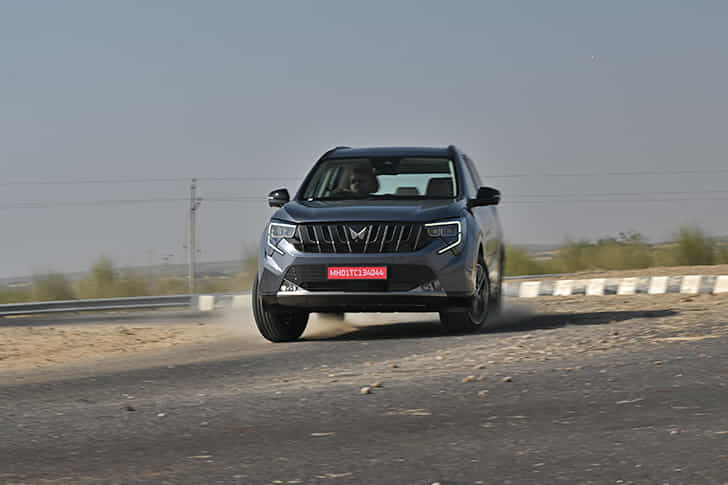
Go for the XUV 7XO AX7T diesel automatic. The diesel engine is well suited to your high running, and the automatic gearbox is a proven torque converter unit that is reliable and well matched to the engine. This Mahindra car will make your daily city driving far less tiring, while still being smooth and efficient on the highway. Coming from a 15-year-old Hyundai Verna diesel manual, the automatic will feel like a significant upgrade in terms of comfort and ease of use, without compromising on long-term reliability. The manual is still a good option if you strongly prefer the engagement, but for your usage and ownership horizon, the automatic is the smarter choice.
I am planning to buy my second car, a sub-4m petrol automatic SUV, with a budget of around Rs 15 lakh. I currently own a WagonR, and my usage is primarily city driving, with occasional long trips. I am confused between the Kia Sonet, Kia Syros and Hyundai Venue. I particularly like the Syros, but I am concerned about its low sales figures and the positioning of its headlamps. I am also unsure whether a 360-degree camera is worth having, as it is available only in the top variant of the Sonet, while the Syros does not offer one. I would appreciate your guidance on which of these SUVs would be better suited to my requirements.
For a second car that will primarily see city use with occasional long trips, the Kia Syros is the most interesting choice of the three. The Syros gives you a more substantial upgrade, with a spacious cabin, excellent rear seat comfort, a 465-litre boot and a premium interior while remaining under four metres. Its 2,550mm wheelbase is also longer than both the Kia Sonet and Hyundai Venue, which is why it feels particularly roomy inside.The low sales numbers would not be a major concern. The Syros uses familiar Kia powertrains and components, and Kia's service network is already well established. The headlamp position is unconventional and does expose the units to a greater risk of damage in a minor bumper corner impact, but it should not be a deal breaker if you like the car otherwise.The 360 degree camera is useful but not essential. It is particularly helpful in tight parking spaces and narrow city lanes, but a good rear camera and sensors do most of the job. It would not be worth choosing the Sonet's top variant solely to get a 360 degree camera. The Venue is the safer conventional choice if you prefer a newer, more established package, while the Sonet makes sense if you want a smaller, sportier-feeling cabin and more familiar product. But for your requirements, the Syros offers the most meaningful upgrade from a WagonR.
I am based in Navi Mumbai and am planning to buy an electric SUV or MPV. My daily commute is around 25km, while I typically drive 200km on weekends. I currently own a 2017 Hyundai Creta 1.6 diesel manual and have test-driven the Hyundai Creta Electric, BYD eMax 7 and Kia Carens Clavis EV. With a budget of Rs 30 lakh, which 6-seater electric SUV or MPV would be suitable for long-term ownership? I am also concerned about BYD's after-sales service and would like to understand how it compares with the other options in terms of service support and long-term reliability.
Based on your usage pattern and concerns, the Kia Carens Clavis EV is the most sensible recommendation. Your daily running of 25 km is well within the comfort zone of any modern EV, and the 200 km weekend trips are easily manageable with a car that offers a realistic range of around 400 km. The Carens Clavis EV is a well-packaged 6-seater with a spacious and practical cabin, and Kia's strong service network gives you the peace of mind you are looking for over a long ownership period.The BYD eMax 7 is a very impressive product with a large battery and strong range, but your concern about after-sales service is valid. BYD's service network is still growing, and for a long-term ownership decision, that can be a significant factor. The Hyundai Creta Electric is a good product, but as a 5-seater it does not meet your requirement for a 6-seater family vehicle.The Carens Clavis EV strikes the right balance between range, practicality, comfort and ownership confidence, making it the best fit for your needs.
I live in the hills, where roads are narrow and winding, and parking is either very limited or difficult to find. This would be our third car, and I am 60 years old. My annual income is Rs 4.5 lakh, with some savings set aside, and I could also consider taking a loan. We currently own a Maruti Suzuki Alto and are looking to upgrade. I have considered the Maruti Suzuki Fronx but am unsure if it would be the right choice for my requirements. What would you suggest, keeping my driving conditions, age and budget in mind?
Given your hill driving conditions, narrow roads, tight parking and the fact that this is your third car, the Maruti Suzuki Fronx is a very sensible upgrade from the Alto. It is compact enough to be easy to manoeuvre and park, while offering a significant step up in comfort, safety and overall refinement. The 1.2-litre petrol engine is reliable, fuel efficient and well suited to hilly terrain, while the higher ground clearance is useful on uneven roads. It is not the most powerful engine in the segment, but performance is adequate for your requirements. If your budget allows, the 1.0-litre turbo petrol Maruti Suzuki Brezza LXi could also be a very good fit. It is competitively priced and would feel like a more substantial upgrade over your Alto.

I test-drove both the Kia Seltos GTX(A) IVT and the Hyundai Creta N10 Turbo DCT. For some reason, the Creta felt more balanced over rough roads and was also quieter. I initially wanted to purchase the HTX(A) Turbo DCT, but it wasn't available for a test drive. Now, I'm confused about two things: Seltos vs Creta and manual vs DCT. Around 60-70% of my driving will be in the city, but I still want a punchy engine. Having driven manual cars for years, I've always enjoyed them and am comfortable with them. However, considering the advancements in automatic transmissions in 2026 and the fact that I plan to keep the car for 7-8 years, a DCT seems like a convenient option. I'm now unsure which combination would be the right choice for my needs. What would you recommend?
Go for the Kia Seltos HTX(A) Turbo DCT as it strikes the best balance for your needs. The turbo petrol engine is punchy and enjoyable, while the DCT makes city driving far less tiring than a manual. You enjoy manuals, but with 60-70% city usage and a 7-8 year ownership horizon, the convenience of an automatic becomes hard to ignore. The Seltos also feels slightly more premium inside than the Hyundai Creta, and the HTX(A) is a well-equipped variant without pushing the budget too far. The Creta is also the older model, and the next-gen version is right around the corner. The difference in terms of stability and ride comfort between both is marginal, and the Seltos counters that with a more premium cabin and a slightly wider rear seat. The IVT is smooth but lacks the punch you are looking for, while the DCT delivers the performance you want without the fatigue of a manual. Overall, the Seltos HTX(A) Turbo DCT is the most complete package for your usage pattern and long-term ownership plans.
I’m a first-time car buyer in Bangalore, and I’m currently learning how to drive. Should I buy a manual car to learn how to drive a manual and then switch to an automatic for my next car, or should I get an automatic right away? I’m considering the manual Kia Syros and the automatic Hyundai Venue.
For a first-time buyer learning to drive in Bangalore, buying a manual just to learn the gearbox and then switch to an automatic later offers little benefit. Learning the basics of steering, braking, positioning, judging gaps, and handling traffic is already a substantial task. An automatic lets you concentrate on those skills without adding clutch and gear changes, which is particularly useful in Bangalore traffic.Between the two, the Hyundai Venue automatic is the more suitable choice for a first car. Its 1.0-litre turbo petrol paired with a seven-speed DCT has adequate performance for both city driving and highway use.The Kia Syros manual is a good option if learning manual driving is itself an important goal or if you genuinely enjoy being involved in driving. This Kia car shares the same 1.0 turbo as the Venue, and the six-speed manual is well matched to the engine. However, buying a manual only as a training exercise does not make much sense when the eventual preference is for an automatic.
Hey, I’ve been thinking about purchasing a car for my parents. They’re first-time drivers, so they want an automatic. We live near a highway, so there will be a lot of driving on highways and decent roads. Our budget is up to Rs 12 lakh. I don’t want to consider the Baleno or Nexon. Which car would you suggest? I’ve been considering the Honda Amaze ZX CVT. Is its facelift coming soon?
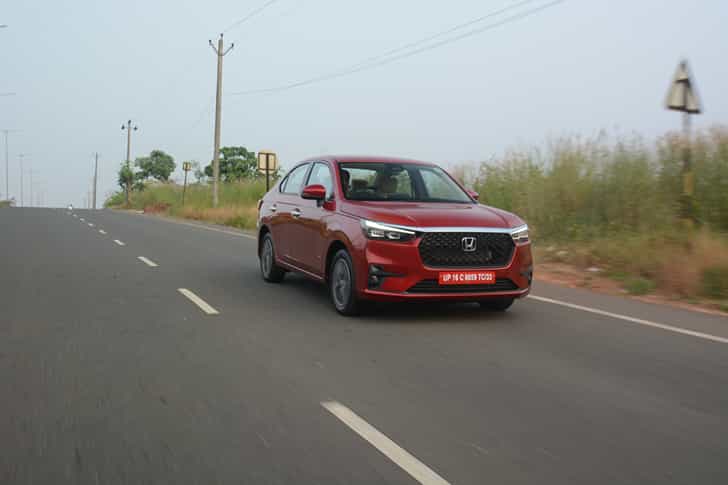
Go for the Honda Amaze ZX CVT. It is one of the best choices for first-time drivers who will be doing a lot of highway driving. The CVT is smooth and easy to use; the car is reliable and comfortable, and Honda’s service experience is generally very good. This Honda car also offers a comfortable ride and a spacious cabin, making it a strong long-term ownership proposition.If you need the car now, there is no strong reason to wait. The current car is already a well-rounded package, and Honda’s updates are usually incremental rather than radical.If you want an alternative, the Maruti Suzuki Dzire AMT is worth considering. This Maruti Suzuki car is reliable, efficient and easy to drive, but the Amaze’s CVT is smoother and better suited to highway driving.
I am confused whether I should buy Maruti Suzuki Fronx or Tata punch for city driving and long drives.
Go for the Maruti Suzuki Fronx. It is the better all-rounder for both city use and long drives. The Fronx is more refined, has a smoother engine and gearbox, and is more comfortable on the highway. It also has a larger boot, which makes it more practical for long trips. The Punch is a good city car with a tough build and a comfortable ride, but its engine feels underpowered and it isn't as refined. The Fronx is also more fuel efficient and has Maruti's wider service network, which makes ownership easier. Overall, the Fronx is the more balanced car for your needs.
I am a family of five and am actively looking for a big diesel car. Currently, I am driving Eon. I have finally shortlisted Crysta and Scorpio N Z8. I loved the performance of both engines with Scorpio N being more refined whereas Crysta offers better comfort and stability was good. My father is more inclined towards Crysta while I am leaning towards Scorpio. Should I be bothered by Crysta three-airbag setup?
Go for the Toyota Innova Crysta as it is the better family car here. It is more comfortable, more spacious and more stable on the highway, which is exactly what you want in a big diesel family car. The Scorpio N is the more exciting car to drive, but the Crysta is the car you will appreciate more over years of ownership.On the 3-airbag question: it's only on the lower variants while the higher variant come with 7 airbags . The Crysta is a fundamentally strong and well-engineered car with a proven safety record so it shouldn't be a cause for concern. The Scorpio N does get more safety features, but the Crysta's overall package of comfort, reliability and long-term ownership experience outweighs that.You are coming from an Eon, so this is a big upgrade. The Crysta will feel like a huge step up in comfort, space and refinement.
Need expert advice?
Ask the Autocar community and experts.