

Design & Engineering
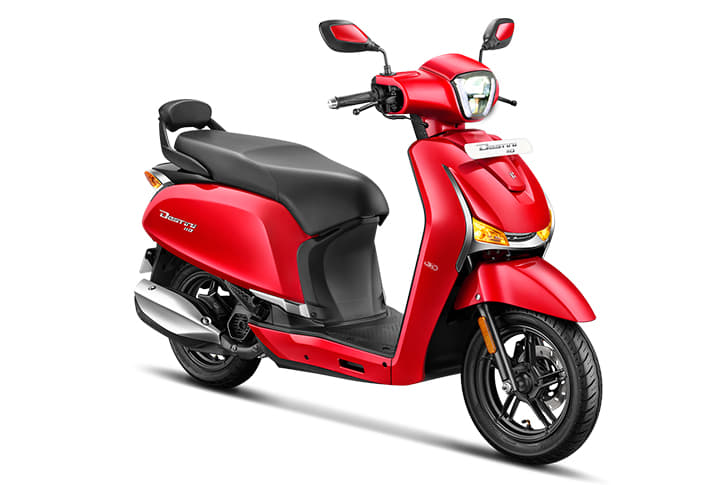
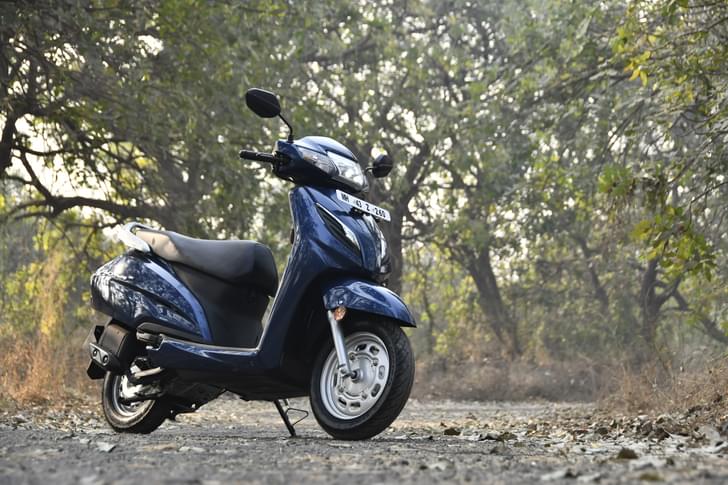
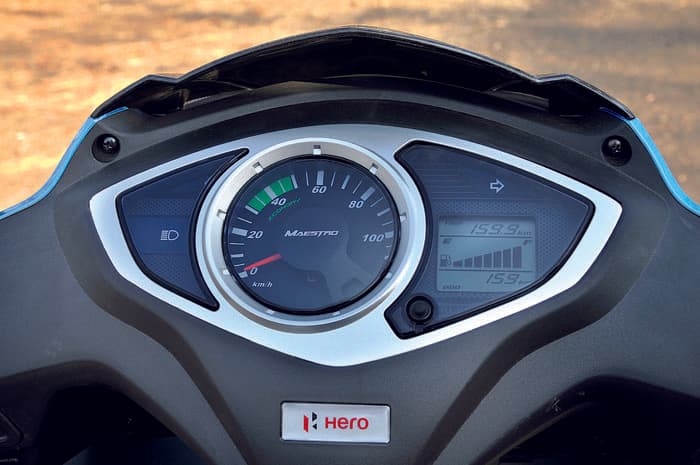
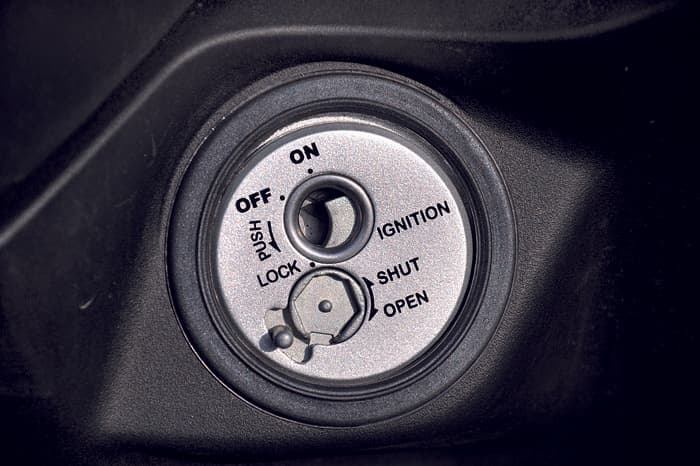
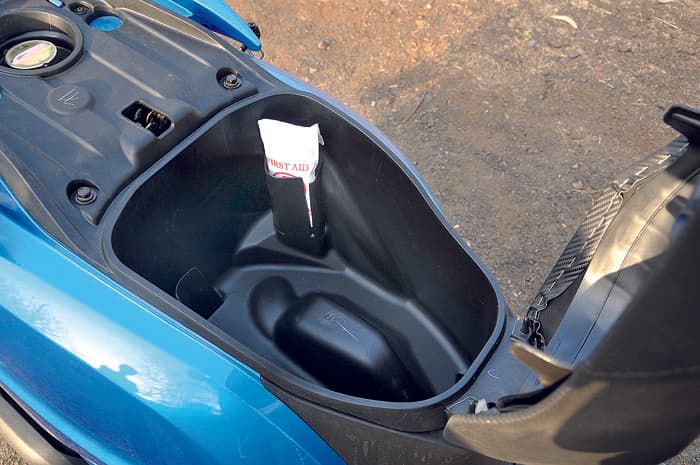
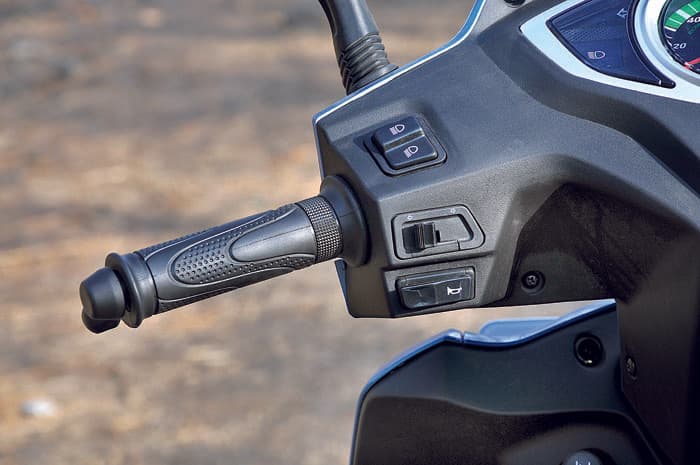
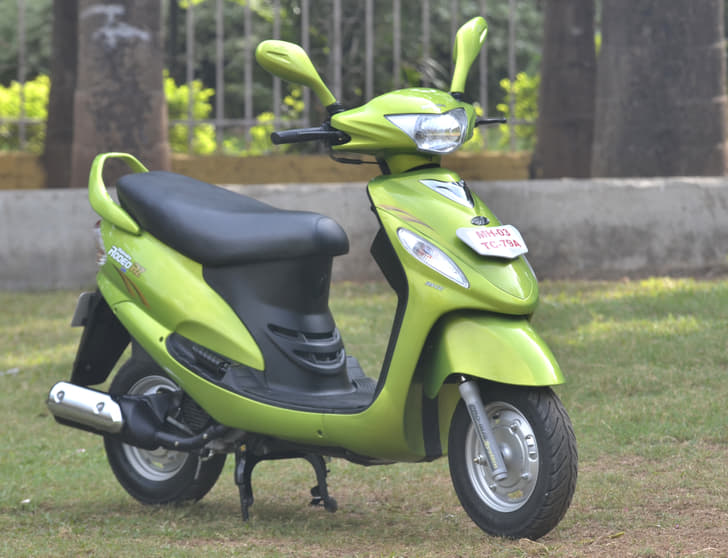
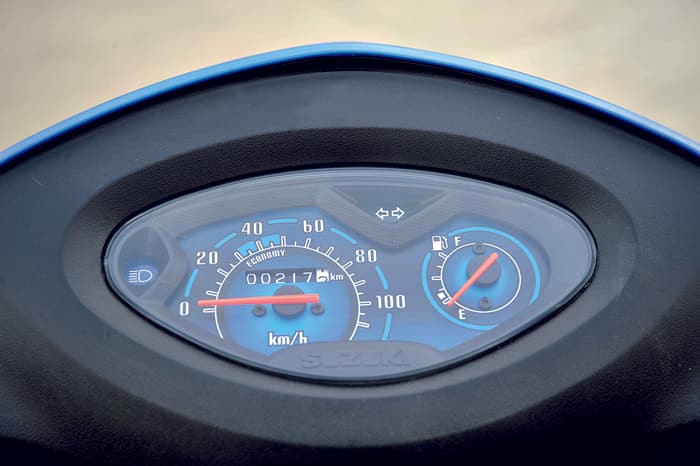
The Hero Maestro’s appearance includes a well thought-out front apron, mudguard and vast side panels, all showing conservative lines. The headlamp works well, and adding some style are the dual tone rear-view mirrors, which work well but are cumbersome to adjust. A modern touch on the latest Hero is an LCD-equipped multi-pod instruments bay, with an analogue speedometer that highlights the ‘economy’ riding zone between 30kph to 50kph. The instruments also get a trip meter along with the standard odometer. The soft palm grips, standard quality switch gear and brake levers feel good, while the flimsy feeling brake-lock clamp is painful to operate. A shuttered ignition-key system is another useful safety feature on the Maestro. Utility space comes in the form of an ample lockable bay under the seat. The scooter’s broad warning light cluster and large grab-bar gives a sense of masculinity. The Hero Maestro’s fit-and-finish quality is at par with its rivals.
Verdict
7 stars
The button-started Hero Maestro deploys a four-stroke, single-cylinder, 109cc engine with long-stroke cylinder dimensions (bore and stroke, 50mmx55.5mm). This air-cooled new-generation Honda engine is the same as the one used in the Activa, Aviator and Dio. It generates a peak power output of 8.04bhp at 7500rpm and offers a maximum torque of 0.92kgm at 5500rpm.
Convenience is assured with a CVT system taking care of the transmission. The Maestro smoothly pulls from rest with a vibe-free power delivery and hits 60kph in 10.51 seconds, and it can go on to reach a true top-speed of 87kph.
The Hero Maestro is built using a tubular steel chassis.Its engine,a stressed member of the chassis,is supported by a single rear shock absorber. It deploys the conventional dual-linked shock absorbers as the front suspension. The riding posture is comfortable and upright with plush cushioning from a wide riding saddle that can easily accommodate the rider and a pillion.The scooter’s light handling is a boon in crowded Indian city riding conditions. The Maestro deploys 130mm drum brakes front and rear, deploying Honda’s effective, Combined Braking System (CBS) technology. We were able to stop the Hero Maestro from 60kph in 21.8 metres during brake testing.
 Rishabh Bhaskar
 Zaran Mody
 Ruman Devmane
 Soham Thakur