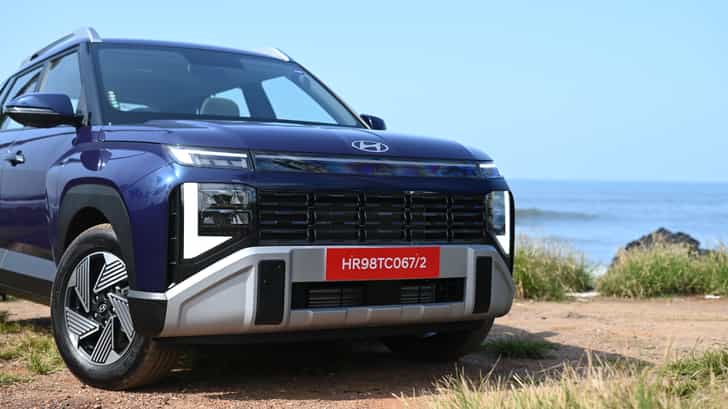
I’m planning to buy a compact SUV for my dad, who is 64 years old. He currently owns a 2015 Hyundai Creta diesel automatic (torque converter), but he now finds it a little difficult to drive because of its size. He prefers a smaller, easy-to-manoeuvre automatic SUV. The expected usage would be around 70% in town and 30% on highways. The options I’m currently considering are: Kia Sonet 1.5 Diesel Automatic Toyota Taisor Petrol Automatic Mahindra XUV 3XO Petrol Automatic What other options would you recommend considering his age, ease of driving, comfort, size, and our usage pattern? My budget is a maximum of Rs 14 lakh. I’d really appreciate your suggestions and a comparison of the best options.

 Toyota Urban Cruiser TaisorMahindra XUV 3XOKia SonetMaruti Suzuki Brezza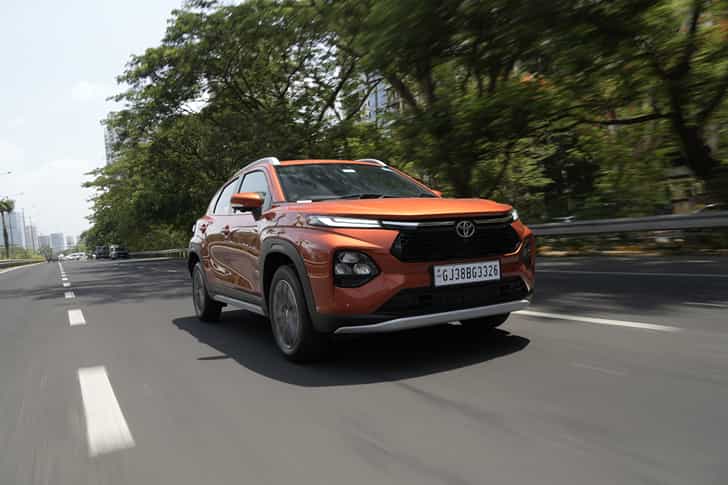
I am looking for a car with a budget below Rs 10 lakh. My usage will be mostly on highways, with a 500-600 km trip to my native place and back from Bangalore approximately once every two months. I don’t need the car much for daily city commuting, as my office is nearby. I have shortlisted the Maruti Swift, Maruti Baleno, Toyota Glanza, and Hyundai i20. Considering my usage, I would like to know which car would be the best overall, especially in terms of: Highway comfort and stability Low body roll Low driver/passenger fatigue on long journeys Comfortable suspension and seats Highway performance and overtaking ability Safety and build quality Fuel efficiency Ease of driving for a beginner If there are any other cars under Rs 10 lakh that you think would suit my requirements better, please suggest those as well. I would like to keep them in consideration.
Maruti Suzuki BalenoToyota GlanzaMaruti Suzuki SwiftHyundai i20Tata AltrozNissan MagniteRenault KigerRenault TriberTata PunchI currently own a 2017 Tata Hexa XTA automatic with 1,27,000km on the odometer and plan to replace it within the next 12 months. My key requirements are an automatic transmission, a genuinely comfortable third row for adults, excellent bad-road and hill-climbing capability, strong highway comfort for long-distance touring, and proven long-term reliability with minimal ownership headaches. The MG Majestor 4x4 is currently my leading contender, and I am happy to wait for the right vehicle rather than buying immediately. Considering my priorities, would you recommend waiting for the next-generation Toyota Fortuner, choosing the MG Majestor 4x4, or holding out for another upcoming SUV?
MG MajestorToyota FortunerUpcoming launch buzz
Community discussions on upcoming launches
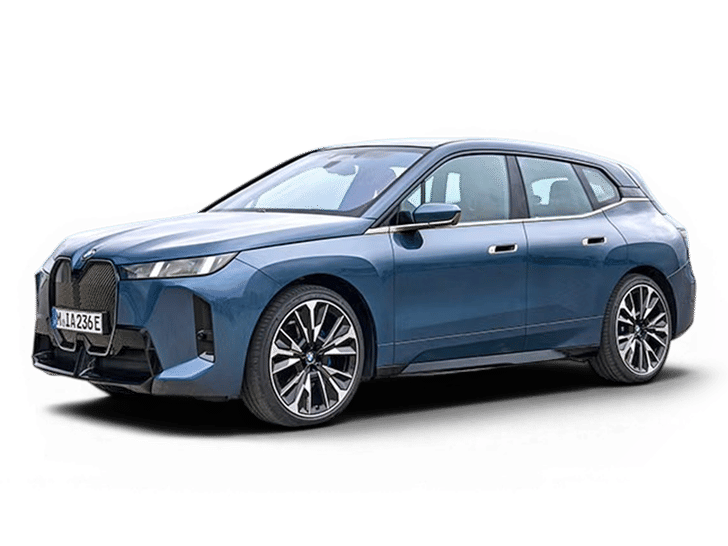
BMW
iX facelift
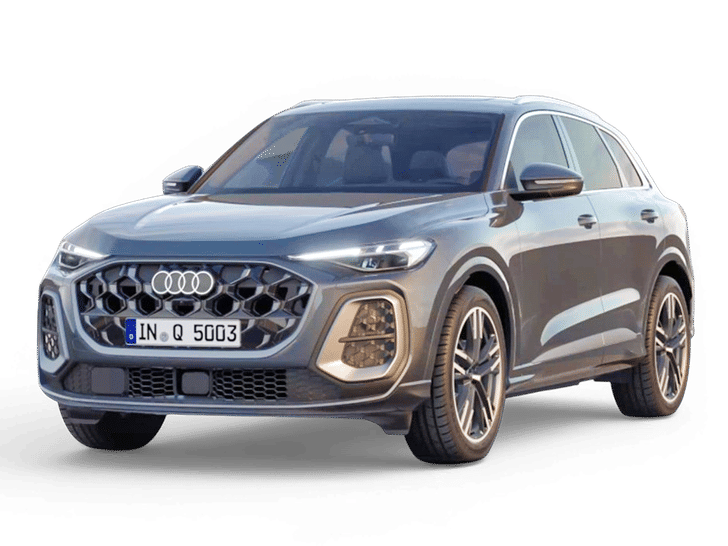
Audi
New Q5
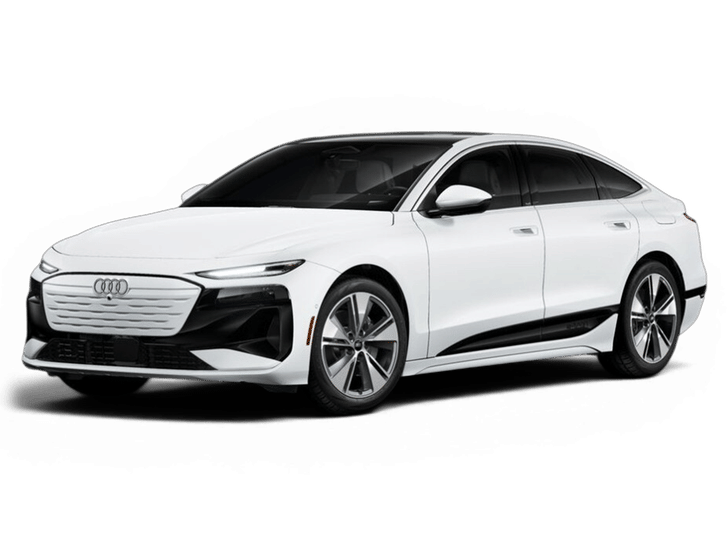
Audi
A6 e-tron

Audi
Q6 e-tron
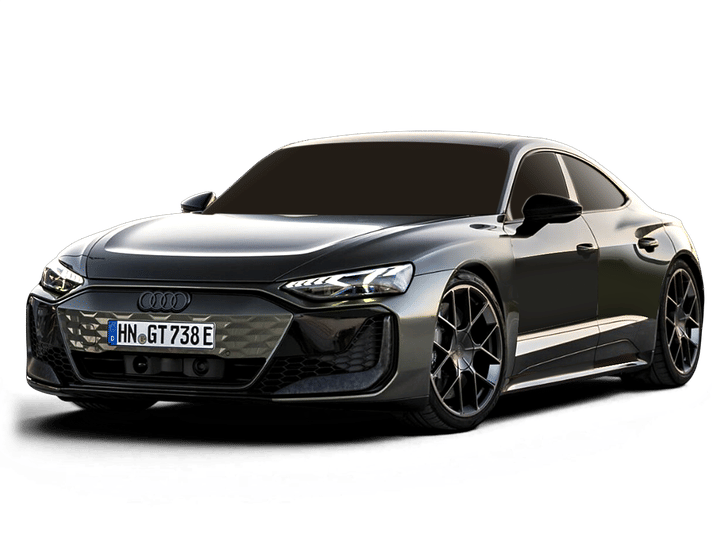
Audi
e-tron GT facelift

Volkswagen
Virtus facelift
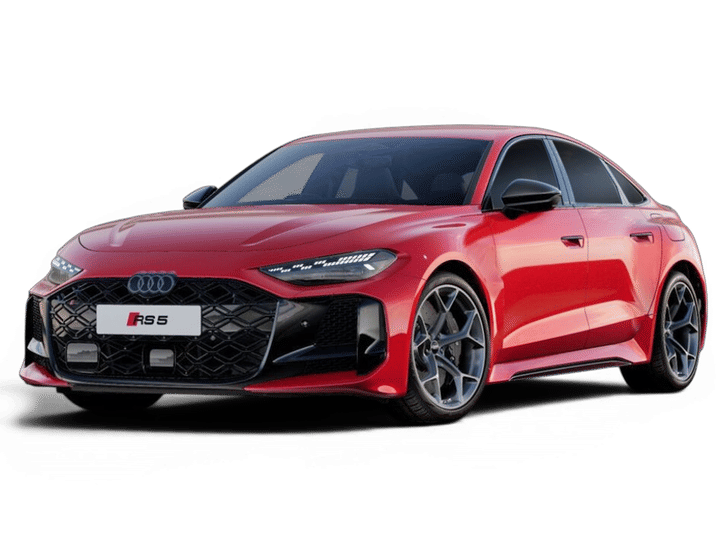
Audi
A5

Vinfast
VF5
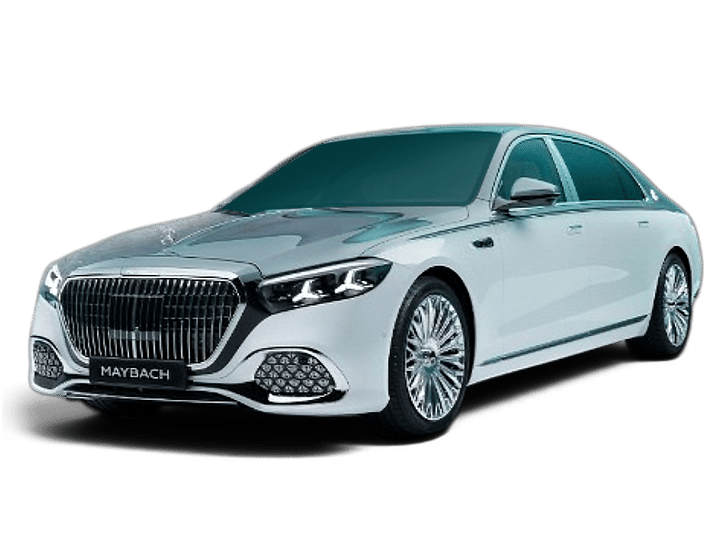
Mercedes-Benz Maybach
S-Class facelift
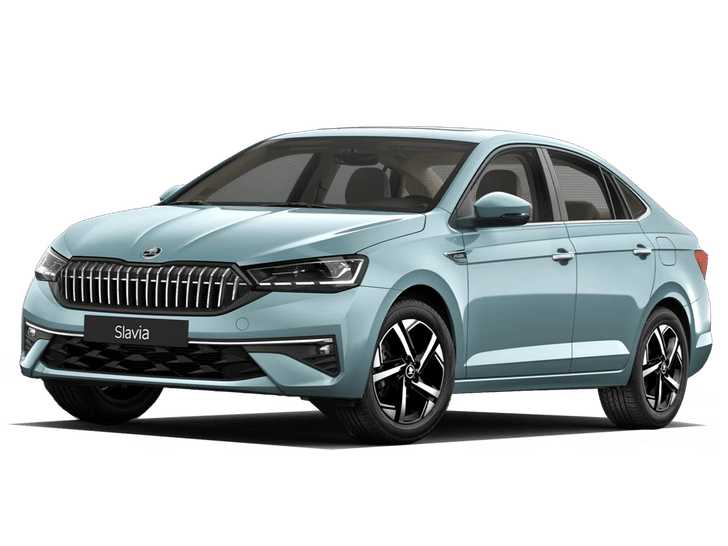
Skoda
Slavia facelift
I am 59 years old and have been driving a Hyundai Xcent since 2014. It has covered 1,20,000 km, and I am due to retire at 60. Should I change my car now, and what car should I consider for two people, with monthly highway and hill trips covering Ooty, Mysuru and Bengaluru? I have a monthly running of around 1,500 km. Should I consider an EV, and if so, which one would suit my needs?
Hyundai Creta Electric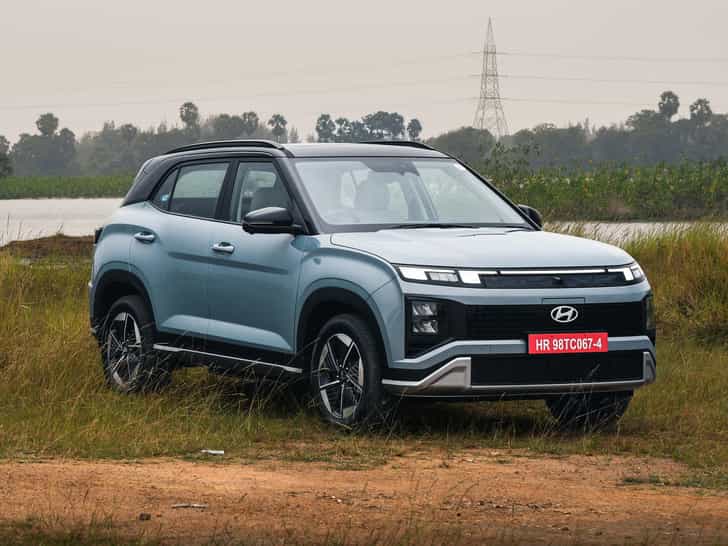
I am looking for car suggestions around the Rs 20 lakh price bracket, but I am happy to increase my budget. I want a comfortable family car that is also fun to drive while offering good mileage. I had booked the Seltos Turbo DCT, but I am now worried about its mileage and future running costs if my running increases. My current running is around 1,000 km a month in the city, but with the car, I plan to do long-distance trips of around 600-700 km every three to four months. Should I consider an EV or wait for the Seltos Hybrid? I dropped the Hyryder from my list because I did not like its interior.
Kia SeltosI am considering the XUV 7XO AX7T/L. However, given the several videos people post online, covering everything from software glitches to even sunroof leaks, do you think it will offer a seamless ownership experience? I have been considering the Seltos as a second option, and I don't see many people raising deal-breaking issues like these. I am very confused right now.
Mahindra XUV 7XOKia SeltosI am confused between the Kia Sonet HTK Plus (O) DCT and the Hyundai Venue HX5 DCT. Both are priced close to Rs 13.5 lakh on-road. I am expecting a good discount on the Kia Sonet, given that an update is on the way. Which of the two would be better for long-term ownership in Bangalore? We are a family of two and expect to drive around 70 percent in the city and 30 percent on the highway, with short and long trips every two months. Also, is the DCT reliable enough to handle occasional crawling traffic for 20 to 30 minutes?
Kia SonetHyundai Venue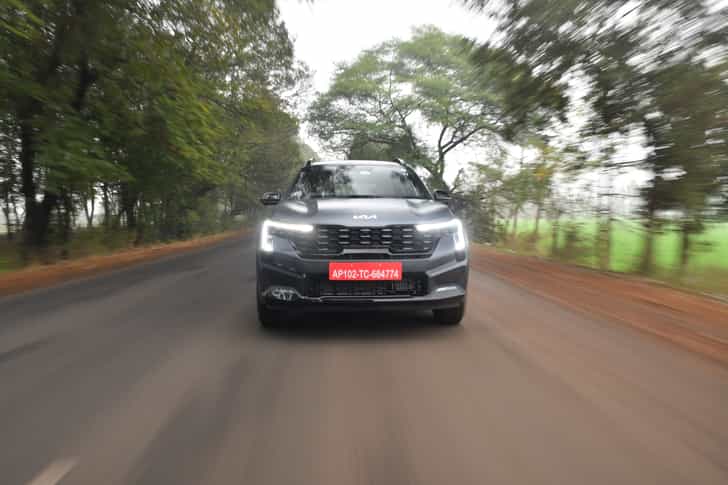
I’m planning to buy a sub-4-metre car and have a very low monthly running of around 300km. Most of my driving is on the mountain roads of Uttarakhand, including narrow and winding roads. I’m looking for a safe petrol-manual car that I can keep for around 15 years. I currently own a Tata Altroz 1.2-litre petrol. Which car would be best suited to my requirements?
Maruti Suzuki BrezzaMahindra XUV 3XOSkoda KylaqHi all, I’m considering buying the Skoda Slavia 1.0-litre facelift automatic, which will be chauffeur-driven. I’d like to know how the suspension and ride quality are from the rear seat, especially over potholes and speed breakers. Does it have any issues with excessive body roll or jerks over rough roads? Also, are there any cooling or AC issues, as I’ve heard some complaints about the older models? I’ve also considered the Honda City, but overall, I preferred the Slavia as it felt far better to drive. Would appreciate genuine feedback from existing owners, particularly on the above concerns. Thanks!
Skoda Slavia faceliftHonda City Gixxer SF owner · 55,000 km
I’m looking to buy a car for a first-time woman driver who will primarily be driving in the city. I’m considering the Maruti Swift ZXi+ AGS and Skoda Kylaq Classic Plus AT. She prefers an upright seating position and the SUV stance, which makes the Kylaq appealing, but I’m not sure which of the two would be easier to drive, especially for a new driver. I already own an i20 MT, so I’m also wondering how the Swift and Kylaq would compare in terms of ease of driving and overall city usability.
Skoda KylaqMaruti Suzuki SwiftHyundai i20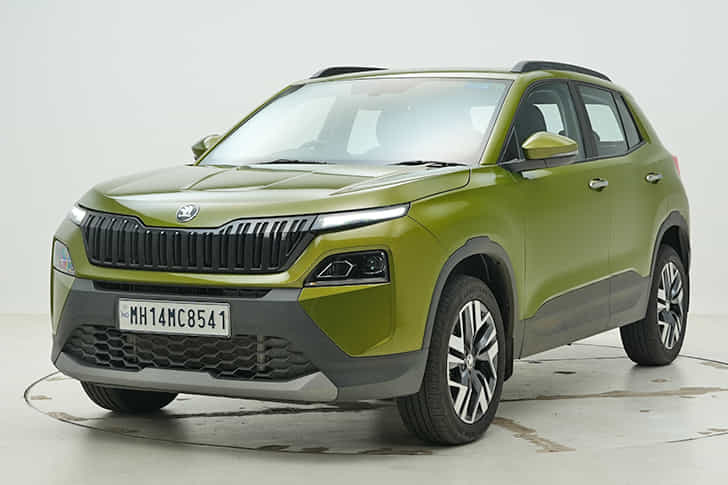
I'm 26 years old and am looking for my first car. I've narrowed my search down to the petrol automatic Skoda Kylaq Sportline and Hyundai Venue N-line N6. I'll be using the car mostly for city driving with some weekend trips that will be around 800 km a month. I live in a tier-2 city now but I might move to a metro soon. So, which car I should pick?
Skoda KylaqHyundai VenueI am looking for a car within 10 lakh (on-road budget) for my wife's daily commute in Kochi. I need a car with good road visibility, ease of handling and decent fuel efficiency. The car may be used for occasional highway commutes of around 100-150 km. A petrol engine seems like the right choice but I am a bit concerned whether the current models are E20 compliant. Do you think an EV would make any sense? If so, please recommend.
Hyundai Grand i10 NiosHyundai ExterMaruti Suzuki SwiftTata Tiago EV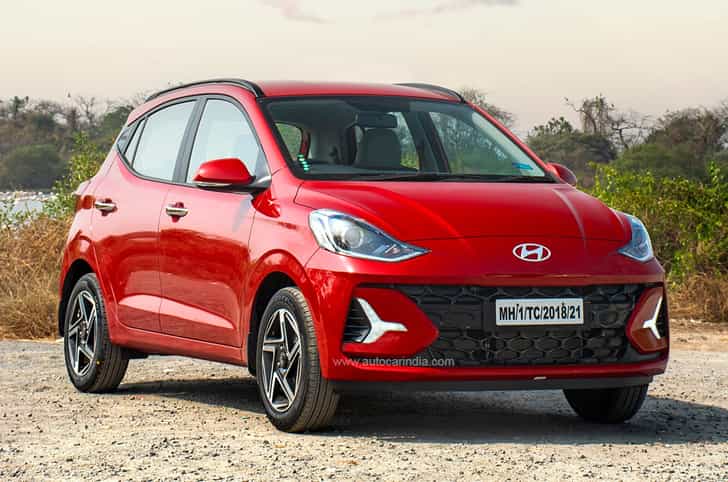
My budget is around Rs. 30 lakh for a chauffer driven car that will be used for approximately 140 km of daily commute (70 km from home to office and same for vice-versa) that translates to approximately 40,000 km annually. I will be using the rear seat and my priority is a convenient and safe journey without any tiredness because I travel daily. Please suggest me cars for the same.
Toyota Innova HyCrossMahindra XUV 7XOI am 56 years old and am thinking of upgrading to an SUV. I currently own Maruti Suzuki Baleno that I had purchased in June 2016. The car is in good running condition and has completed 88,000 km till date. Should I upgrade my car now or wait for another 2 years to get a new vehicle? Should I dispose off the old one and go for new one now? Please suggest accordingly.
Maruti Suzuki BrezzaMaruti Suzuki BalenoKia Seltos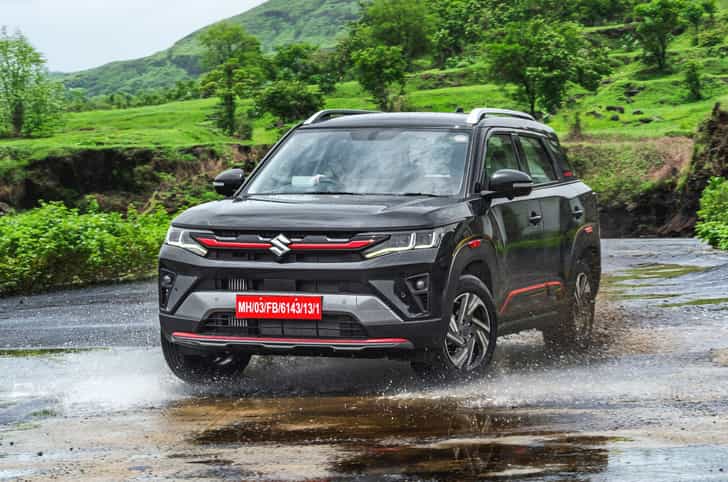
I have been driving Renault Kwid for the past 8 years for daily commute within the city. I have owned Scorpio, Sumo, Tata Indica and Santro in the past. Now, I want to upgrade to another car for daily city and highway driving. On an average, average monthly city driving is 600-800 km and with 3 long drives of 1500 to 1800 km annually on average. We are family of 3 and working professionals. My son is 20 years old. We plan to buy the car in October under a budget of 23 lakh. Please advise which vehicle, variant and fuel type should I opt for.
Renault DusterKia SeltosRenault KwidHi, I am planning to buy sub-4 meter SUV for very low monthly usage of around 500 km in Mumbai and trips of around 500 km twice in a year on highway. We have shortlisted Kia Sonet HTK (O) and Skoda Skylaq Signature+. It should have very low breakdown, need less repairs and overall should be a headache free experience as I am a senior citizen. Please suggest which car should I have.
Kia SonetSkoda KylaqMaruti Suzuki Brezza