

Last Updated on: 06 Sep 2026
Tata Safari
The Tata Safari is the biggest SUV Tata sells. It comes in 64 variants, so there is plenty to choose from. You can pick a 6-seat or a 7-seat layout. It is built on the same base as the Harrier, but it is taller and it seats more people.
Safari Price Details
Here is how the Safari range is priced in September 2026.
Price range: Rs. 13.40 lakh to Rs. 26.91 lakh (ex-showroom)
Top model, Accomplished Ultra Stealth 6 seat 2.0 Diesel AT: Rs. 26.91 lakh (ex-showroom)
Base model, Smart 7 seat 1.5 Turbo-GDI: Rs. 13.40 lakh (ex-showroom)
Automatic variant, Pure X 7 seat 1.5 Turbo-GDI AT: Rs. 18.10 lakh (ex-showroom)
That Pure X is where the automatics start, and they run up to Rs. 26.76 lakh for the top model. Pick the automatic and you pay about Rs. 1.40 lakh more than the manual in the same trim. Every Safari has the 5-star rating, so the base variant is safe too. The top variant adds the 6-seat layout, the 19-inch wheels and the longest feature list.
Safari Key Features
1.5-litre turbo-petrol with 170hp and 280Nm, or 2.0-litre diesel with 170hp and 350Nm
Six-speed manual or automatic gearbox on both engines
5-star Bharat NCAP rating, with 30.08 out of 32 for adults and 44.54 out of 49 for children
360-degree camera, electronic parking brake and disc brakes on all four wheels
Six-seat or seven-seat layouts, with the six-seat option on the higher Accomplished trims
An LED light bar up front, and 19-inch alloy wheels on higher trims
ARAI mileage of 14.1kpl to 16.3kpl across the range
Who should buy Tata Safari?
Our Autocar India road test scored the Safari 8 out of 10. This is who we think it fits.
Buyer type | Why it fits |
If you need space for the family | • The cabin is roomy and easy to live with, and we think it is one of the Safari’s best points • You can pick a 6-seat or a 7-seat layout |
If safety is your top priority | • It has a 5-star Bharat NCAP rating • It scores 30.08 out of 32 for adults and 44.54 out of 49 for children |
If you want an automatic | • Both engines come with an automatic gearbox • We found the gear selector fiddly to use, so try it before you buy |
If you drive long distances on highways | • We rated ride quality “superb” in our petrol road test • The Safari stays steady at high speed |
If you want value for money | • There are 64 variants, so you can find one that fits your budget • Our facelift review called it “a lot more car for the money now” |
This SUV suits off-road buyers least. It drives the front wheels only, and there is no four-wheel drive in the range.
Tata Safari Latest Updates
- 5 May 2026: Diesel-powered Tata Safari now available in new top-spec Ultra trim, gets more features and starts at Rs 24.49 lakh (ex-showroom).
- 3 April 2026: Tata to launch Safari EV in festive season of 2026 as new flagship electric offering.
- 21 March 2026: Tata Safari price to increase by 0.5 percent from April 1 onwards.
- 16 March 2026: Tata Safari discounts extend up to Rs 85,000 in March 2026.
Tata Safari Features and specifications
Our Rating | 8 |
Mileage | 14.1 kmpl - 16.3 kmpl |
Engine | 1498 cc - 1956 cc |
Fuel Type | Petrol, Diesel |
Transmission | Manual, Torque Converter |
Seats | 6 - 7 |
Body Style | SUV |
Doors | 5 |
Max Power | 170 hp at 3750 rpm |
| Engine Type | Turbocharged |
| Engine Displacement | 1956 cc |
| Number of Cylinders | 4 |
| Engine Installation | Front |
| Fuel Supply System | Common Rail |
| Emission Standard | Bharat Stage VI |
| Drive Mode Types | Multiple |
| Terrain Modes | Yes |
| Front Suspension Type | Independent, Lower Wishbone, McPherson Strut |
| Front Springs | Coil Springs |
| Rear Suspension Type | Semi Independent Twist Blade |
| Rear Springs | Coil Springs |
| Length | 4668 mm |
| Width | 1922 mm |
| Height | 1795 mm |
| Wheelbase | 2741 mm |
| warranty Distance | 100000 |
| warranty Duration | 3 |
| 12 Volt Port | |
| Accessory Power Outlet | |
| Ambient Lighting | |
| Auto Parking |
| Adaptive Cruise Control | |
| Airbags | 7 |
| Anti Theft Alarm | |
| Anti-Lock Brakes (ABS) |
| Antenna | Shark Fin |
| Body Coloured Bumpers | |
| Connected LED | |
| Cornering Foglamps |
| Average Fuel Consumption | |
| Average Speed | |
| Distance to Empty | |
| Gear Indicator |
| AUX Input | |
| Android Auto | Wireless |
| Apple CarPlay | Wireless |
| Audio System |
| Alexa Compatibility | |
| Anti Theft Immobilisation | |
| App Details | |
| Breakdown Assistance Call Button |
Tata Safari price & variants
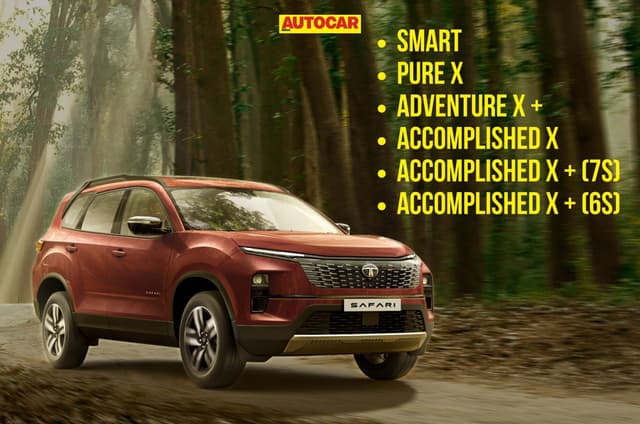
Safari price starts at 13.40 lakh for the Smart 7 seat 1.5 Turbo-GDI and goes up to 26.91 lakh for the range-topping Accomplished Ultra Stealth 6 seat 2.0 Diesel AT, both ex-showroom. There are 64 variants in all. The ladder covers a 1.5-litre turbo-petrol (170hp/280Nm of pulling power) and a 2.0-litre diesel (170hp/350Nm of pulling power), each offered with a 6-speed manual or an automatic gearbox.
The turbo-petrol automatic suits buyers prioritising refinement and highway composure; our road test found the powertrain broadens the Safari's appeal without diluting its core strengths.
The 2.0-litre diesel automatic remains the pick for buyers wanting the established torque delivery we tested in our facelift review, with paddle shifters added for more engaged driving.
Our specifications listing confirms features such as a 360-degree camera, electronic parking brake and all-round disc brakes are available across the lineup.
Our facelift review cautions that ergonomic niggles, including a fiddly shift-by-wire selector, persist even on the pricier automatic variants, so a thorough test sit is worthwhile before committing to a trim.
EMIs for the Smart 7 seat 1.5 Turbo-GDI start from 22,525 a month.
Tata Safari expert review
We like
Petrol is smooth with effortless performance
Good ride quality and highway manners
Feature packed
See more
We don't like
Ergonomic quirks persist
Gruff diesel engine
9
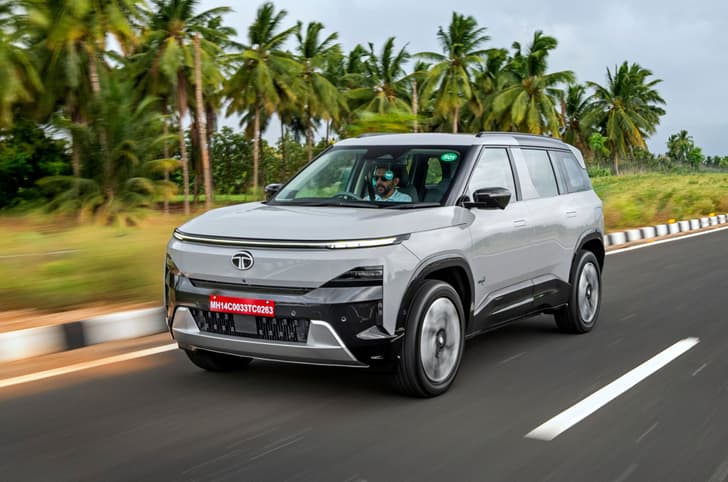
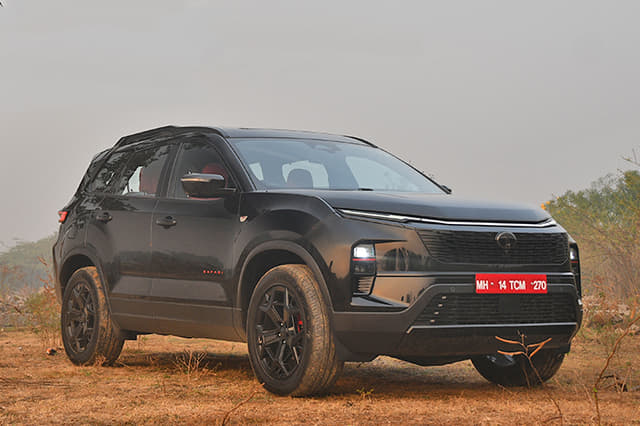
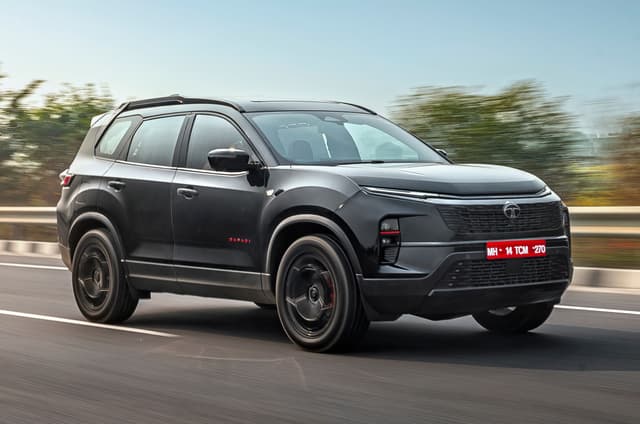
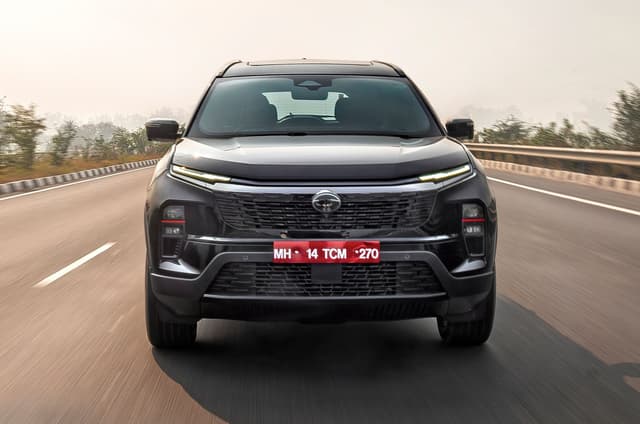
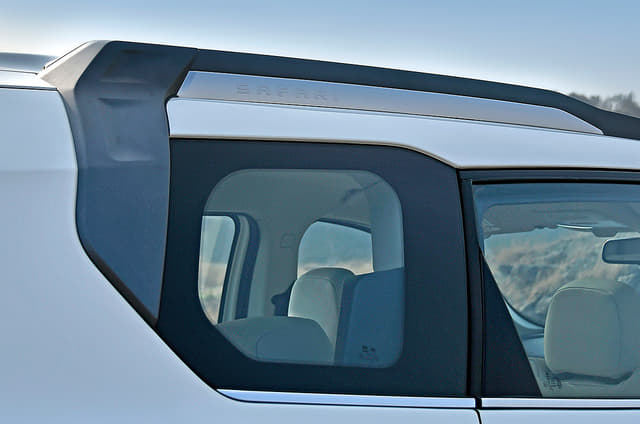
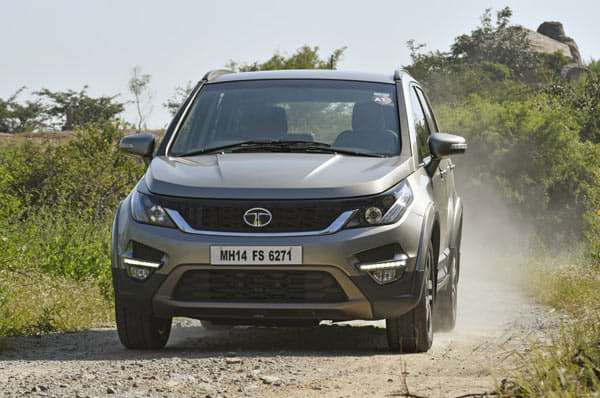
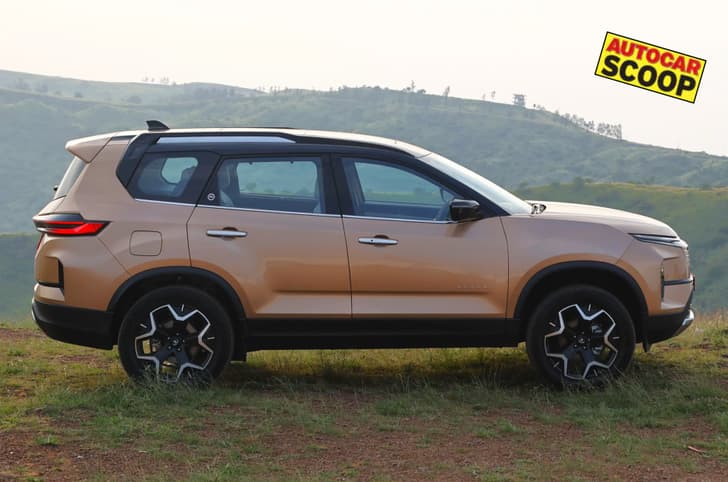
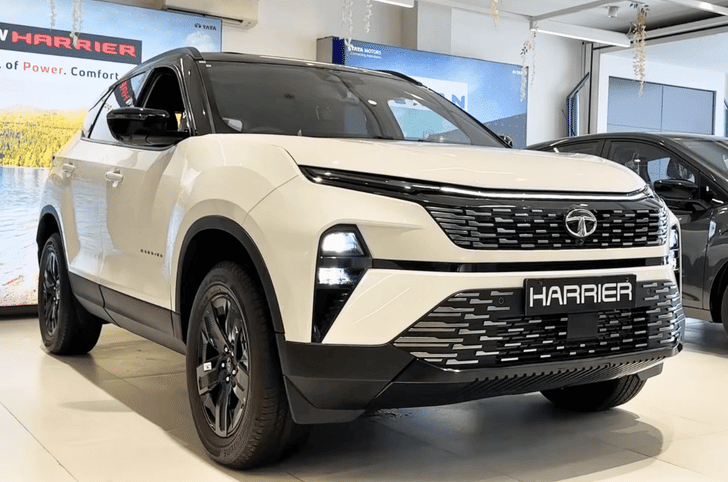
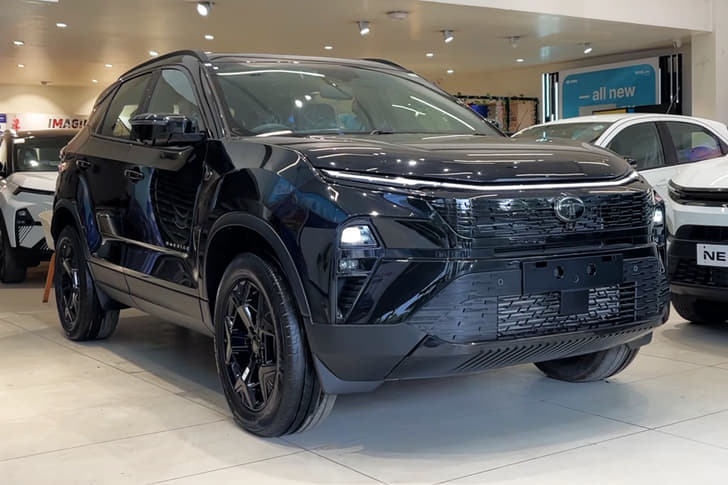
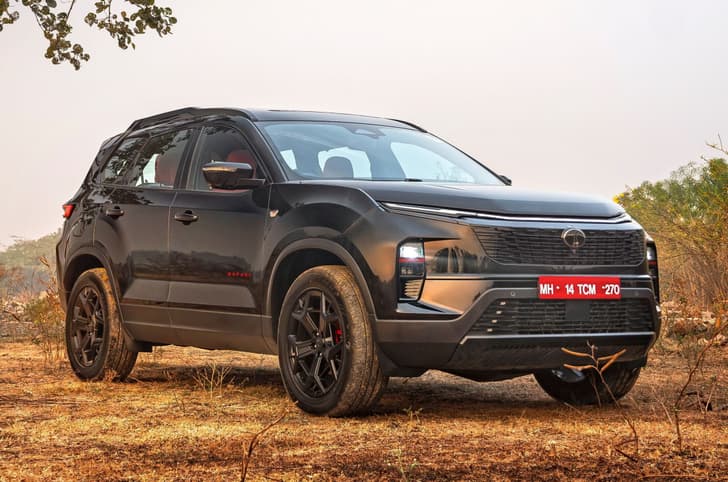
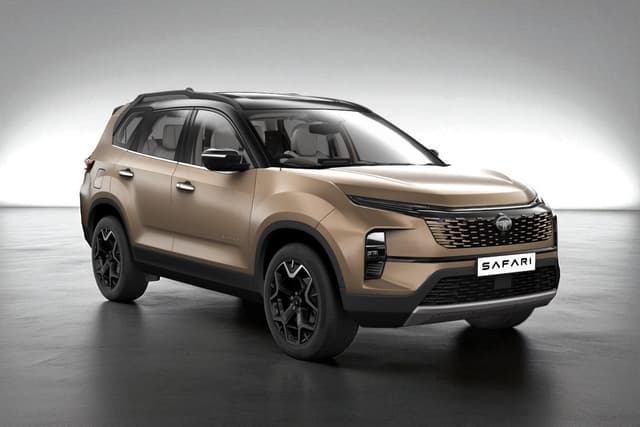
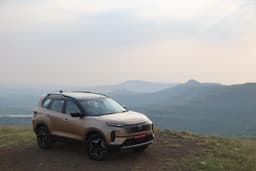
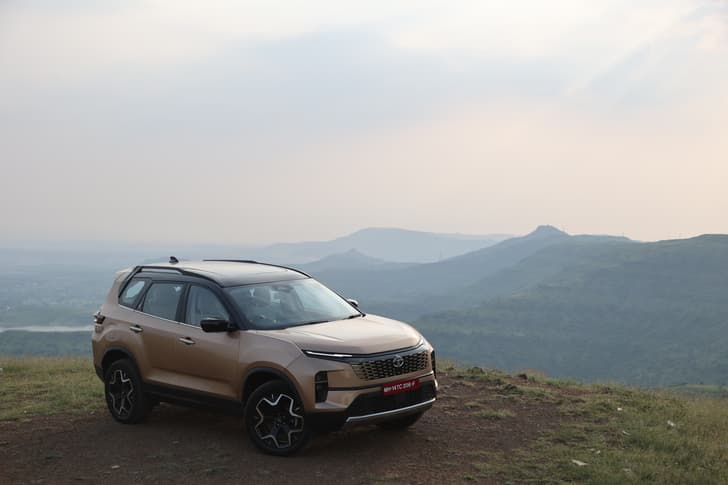
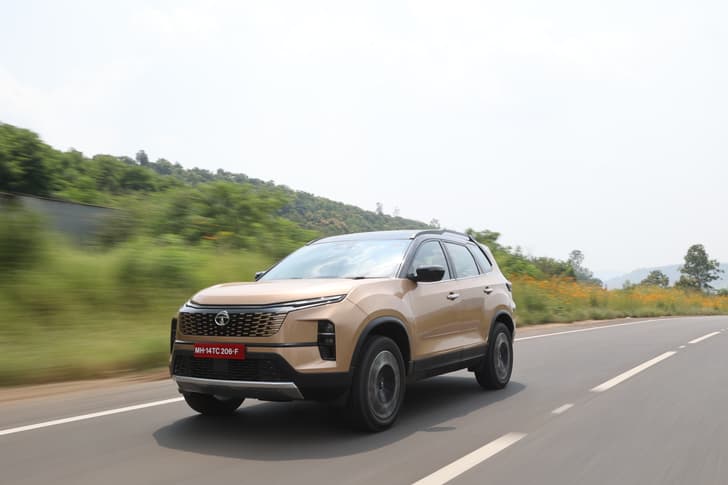
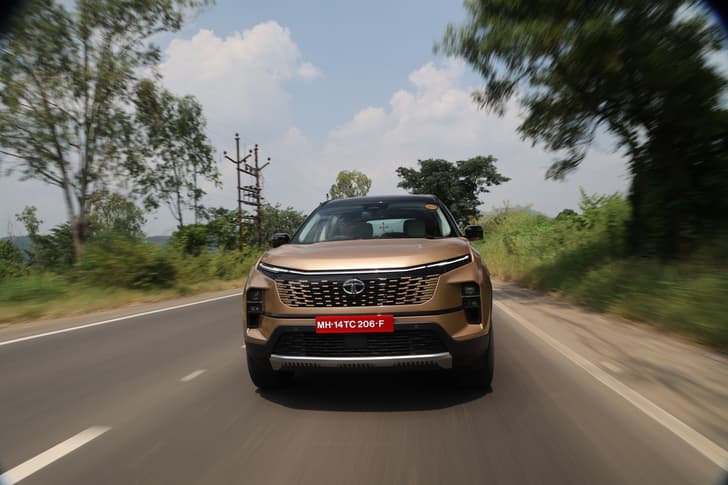
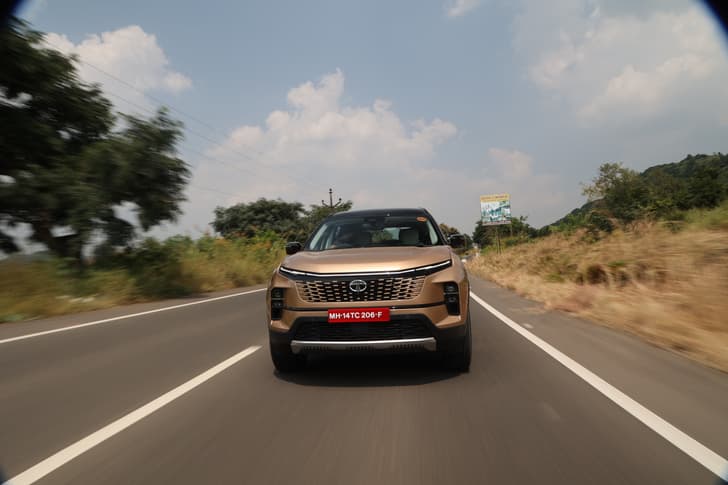
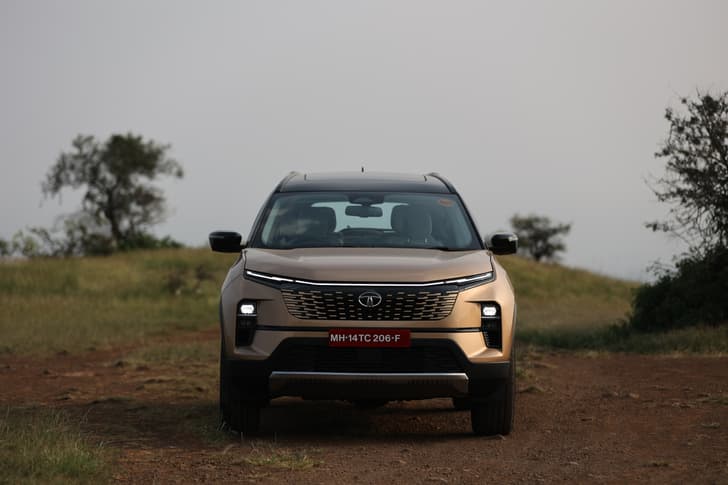
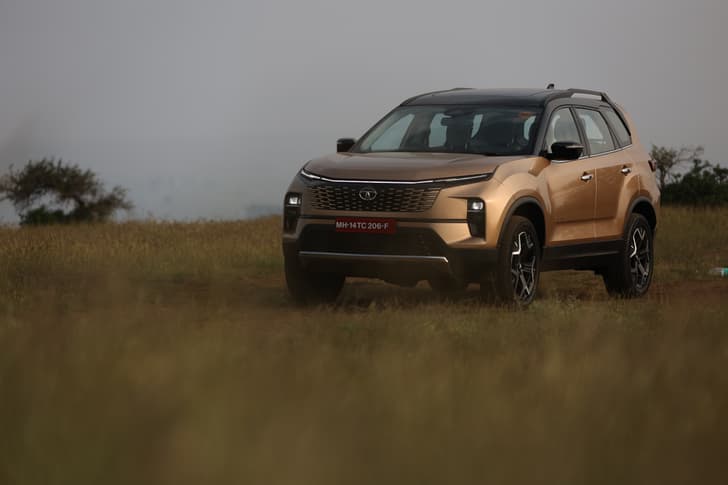
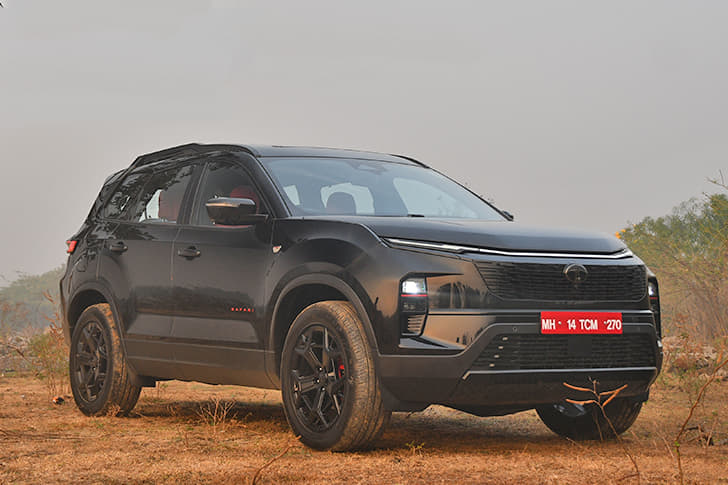
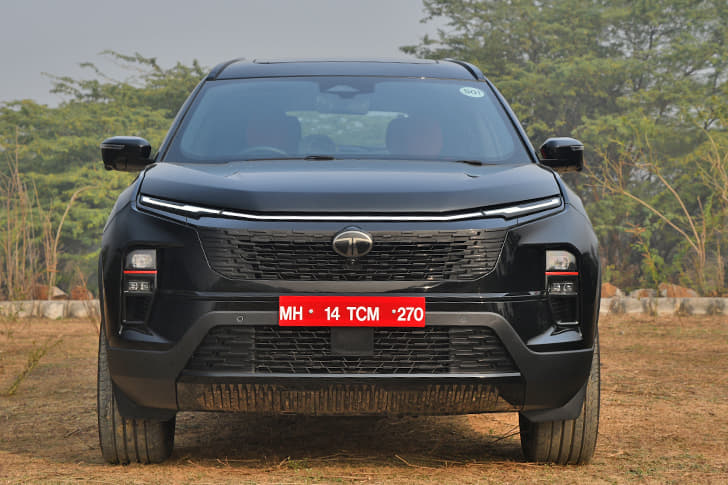
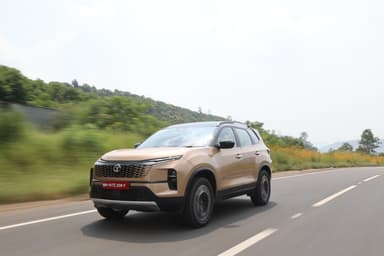
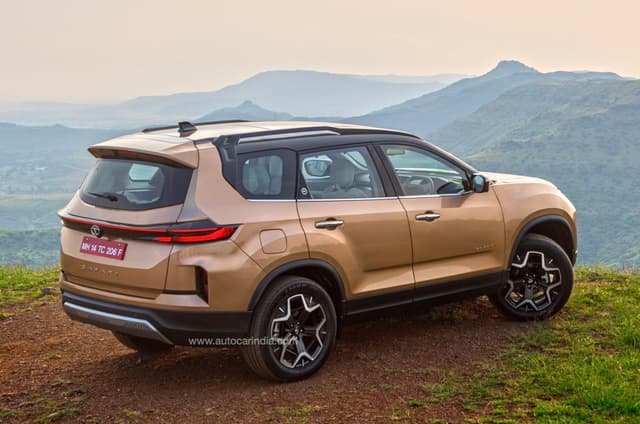
Viewed head-on, it is very similar to the Harrier, with a slim connected light bar and a large grille with intricate detailing. From all other angles, the Safari is a taller and therefore more imposing vehicle. The roofline rises from front to rear, accentuated by the roof rails, with a kick-up at the C-pillar to accommodate the third row of seats.Nineteen-inch wheels are standard from the Accomplished X+ trim onwards, with a blacked-out finish on our Red Dark variant. No surprises at the rear either; full-width LED tail-lamps differ slightly from the Harrier’s, and a neat script spells Safari. The petrol version is visually identical to the diesel model, with no exterior identifiers to tell them apart.
9
The Safari’s front seats are large and comfortable, and the high seating position delivers a commanding view. Both front seats are powered and ventilated, with memory for the driver. Cabin quality is generally strong, with good fit and finish and premium-feeling touchpoints, though some hard plastics remain, and the heavy use of gloss-black surfaces may prove prone to scratches and smudges. Captain’s chairs for the second row are also available as an option on the Accomplished X+ trim and above, and they come with a ventilation function. Access to the third row via the flip-down seat is straightforward, and once back there, knee room is quite good with the middle row slid forward. You do sit in a knees-up position, but it is still better than most SUVs of this class.
9
The 10.25-inch digital driver’s display looks crisp, is easy to use and can show a connected phone’s navigation full screen, though it sits a bit deep in the binnacle. The diesel gets a large 12.3-inch touchscreen – slick, responsive and loaded with features including wireless Android Auto and Apple CarPlay, a 360-degree camera with a 3D view, air purifier controls and JBL sound modes. The petrol gets the 14.53-inch Samsung Neo QLED infotainment screen and the digital rear-view mirror from the Harrier EV. The safety kit is comprehensive too, with six airbags, ABS with EBD and ESP standard. Top trims add Level 2 ADAS with over 20 features and seven airbags.
8
The 2.0-litre diesel feels familiar, with a strong mid-range, wide powerband and effortless cruising ability. It still feels punchy, but refinement remains its weak spot, with noticeable noise and vibrations at low speeds and under hard acceleration. The petrol tells a different story. Despite its 1.5-litre capacity, the Hyperion turbo delivers strong low-end performance, making this heavy SUV feel surprisingly quick off the line. There’s no mid-range turbo shove or top-end zing, but performance is more than adequate, with most of the power concentrated low down. Refinement is significantly better than the diesel, though a mild drone creeps in around 1,500rpm. The smooth 6-speed automatic suits the petrol particularly well.
7
Tata Harrier diesels ARAI mileage is 16.8kpl for both manual and automatic versions. ARAI-certified figures for the petrol are yet to be released, but Tata claims best-in-class efficiency.
7
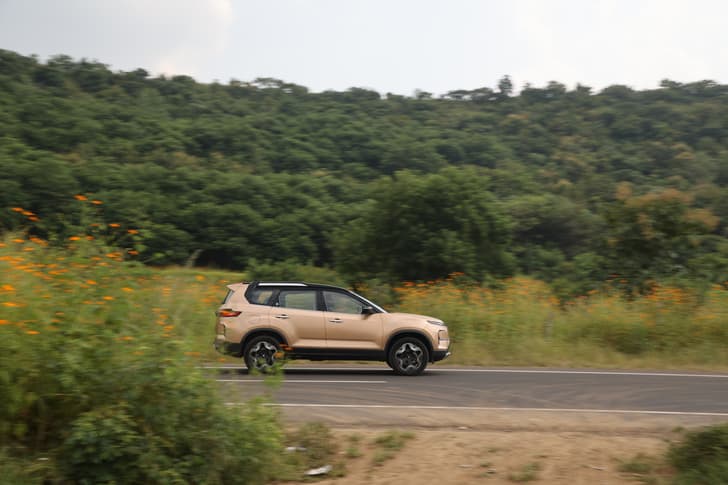
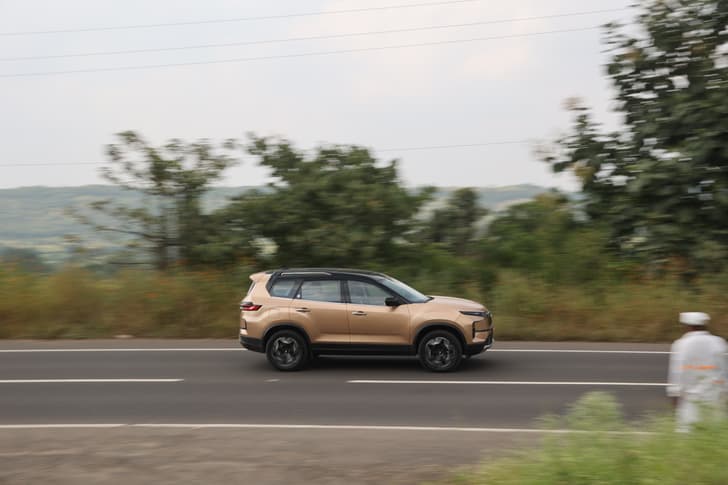
Ride quality remains a highlight. The platform’s Land Rover lineage shows through in the way it shrugs off bad roads, feeling robust and well damped. There’s a hint of firmness at low speeds, but comfort is never compromised. On the highway, it feels particularly impressive, staying flat, stable and composed at triple-digit speeds. The petrol version is around 80kg lighter than the diesel, which should translate to a touch more agility on twisty roads. Body roll is well controlled, grip from the wide tyres is reassuring, and the electric steering is well judged – light in the city and nicely weighted at speed.
8
Prices for the Safari diesel start at Rs 14.66 lakh and top out at Rs 25.95 lakh. Pricing for the petrol-powered Safari had not been announced at the time of writing, but we expect it to be around Rs 50,000 to Rs 80,000 cheaper than the diesel. On the whole, the Safari is a very well-rounded SUV, and the petrol broadens its appeal further by bringing a level of refinement the diesel never could.
Reviewed by: Lenny D'sa
Tata Safari Official Brochure
Download the complete brochure with specs, features, and variants.
Tata Safari reviews

Tata Safari comparison
Tata Safari Mileage
Safari mileage, as rated by the manufacturer, spans 14.1kpl to 16.3kpl across the petrol and diesel engine range. Our own test of the turbo-petrol automatic did not include a full efficiency run; we note Tata had yet to reveal claimed petrol fuel-efficiency figures at the time of the drive, and the short test route did not allow for an independent check.
For buyers prioritising running costs, the diesel automatic remains the more proven choice given its established automatic gearbox and the wider mileage figures published for the range. During our petrol road test, the trip computer held at 8.0kpl over the short drive route, a figure we explicitly flag as not representative of real-world running costs given the limited test conditions.
| PowertrainThe combination of engine type, fuel, and transmission that powers your vehicle and determines how it drives and what it runs on. | ARAI MileageMileage certified by the government, tested under controlled lab conditions. Real-world mileage will vary. | User Reported MileageMileage figures are reported by vehicle owners and represent the approximate real-world efficiency you may experience. Actual mileage will vary based on driving conditions, habits, and vehicle condition. |
|---|---|---|
Diesel-Manual 1956 cc | 16.3 kmpl | 14.91 kmpl |
Diesel-Automatic (Torque Converter) 1956 cc | 14.1 kmpl | - |
Tata Safari news
Tata Safari Images
Our Safari image gallery runs to 112 photographs, covering the exterior, cabin and detail shots referenced across our reviews.
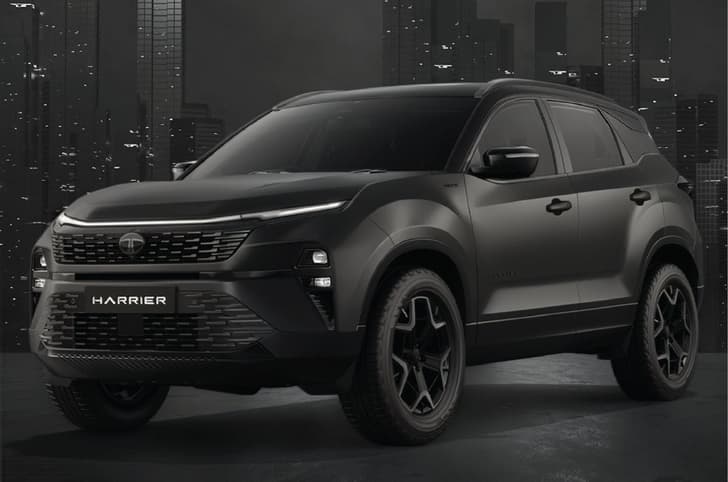
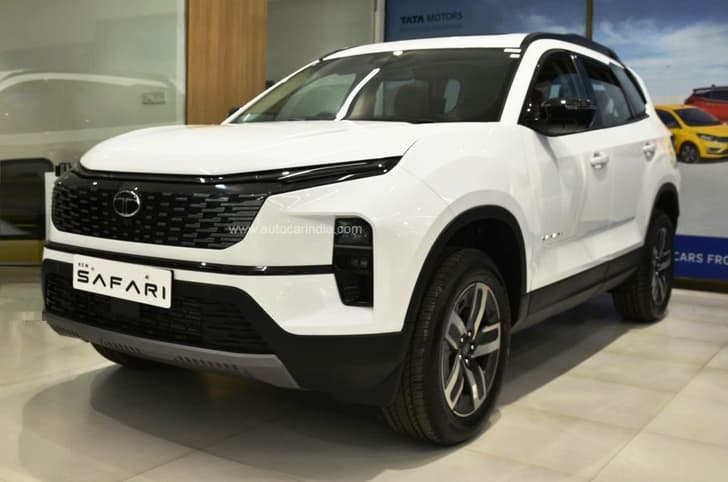
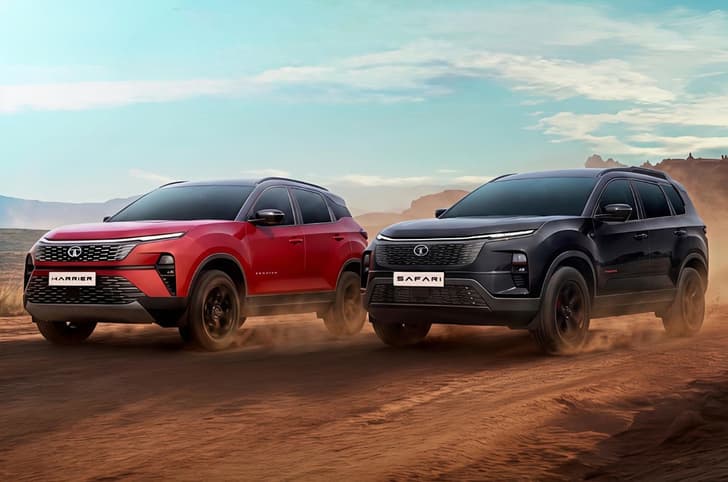
The revised front fascia and connected LED lighting signature, which we discuss in our facelift review as part of the SUV going "more upmarket"
The 19-inch alloy wheels on higher trims, which we found in our facelift review compromise ride quality on broken roads
The redesigned dashboard and upmarket cabin trim we cover in our facelift review
The wireless charging pad location, which we flag in our facelift review as poorly placed
The shift-by-wire gear selector on automatic variants, which we describe as fiddly to use in daily driving
Tata Safari videos
Our Safari videos page lists ten clips, ranging from first-look walkarounds to dedicated news coverage, giving a view of the SUV that a specifications sheet alone cannot convey.
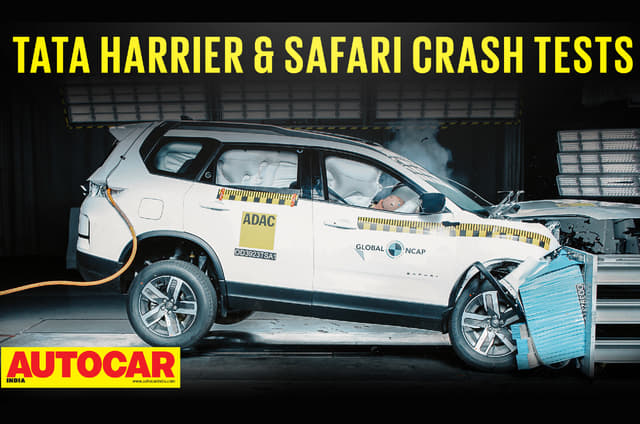
A dedicated Global NCAP crash test video for the Harrier and Safari, showing the actual impact sequence behind the 5-star rating
Our discussion of the Harrier and Safari's shared petrol engine, covering how the powertrain behaves on the move
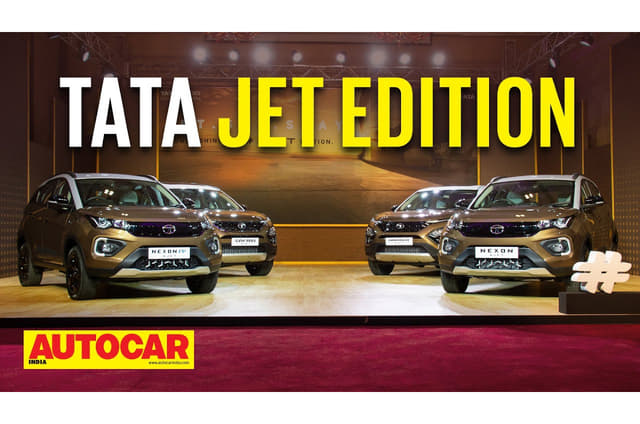
Our walkaround coverage of the Jet Edition trims, detailing the specific cosmetic and feature changes over standard variants
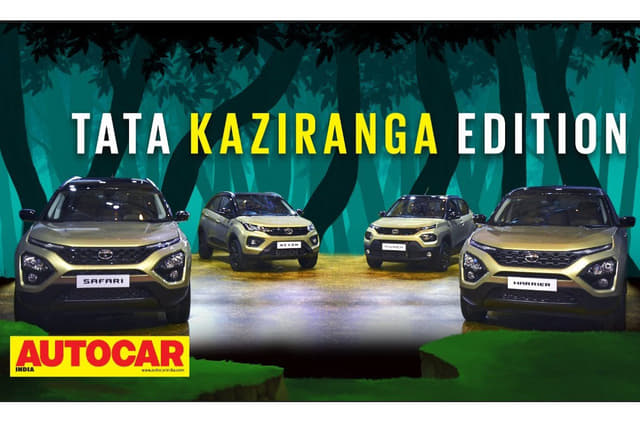
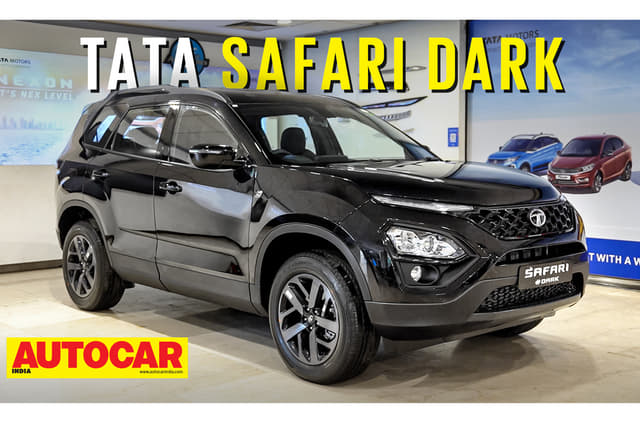
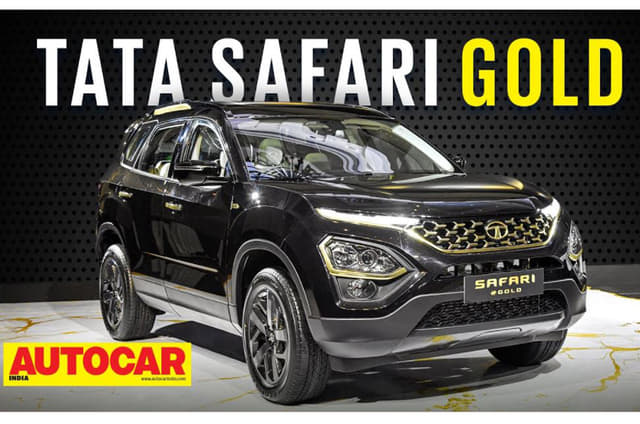
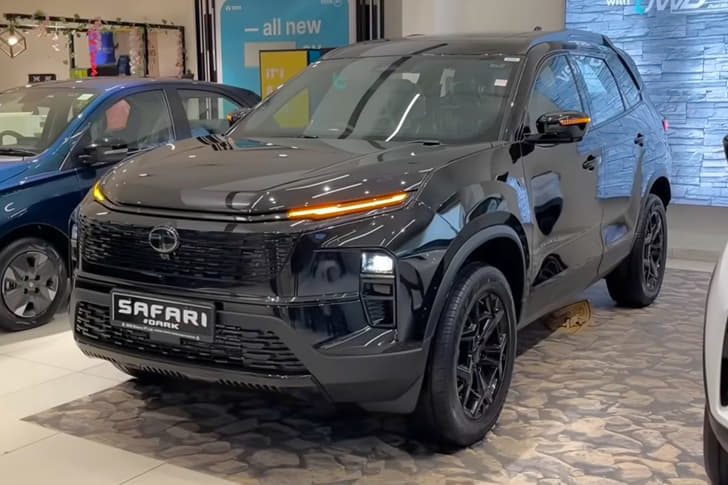
Our first-look coverage of special editions such as the Safari Dark and Safari Gold Edition, showing trim-specific colour and detailing changes
Our Quick News segments covering model updates as they were announced


Tata Safari Colours
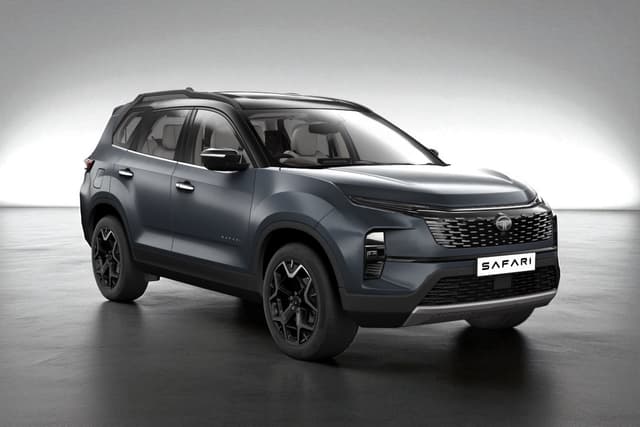
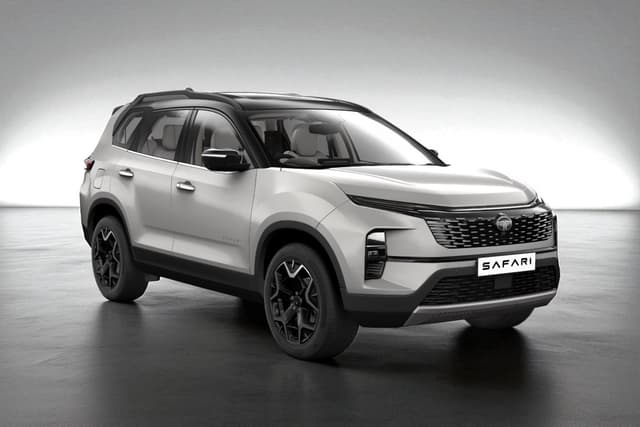
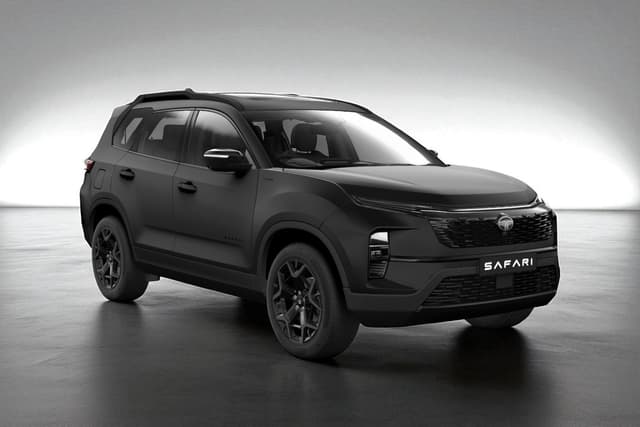
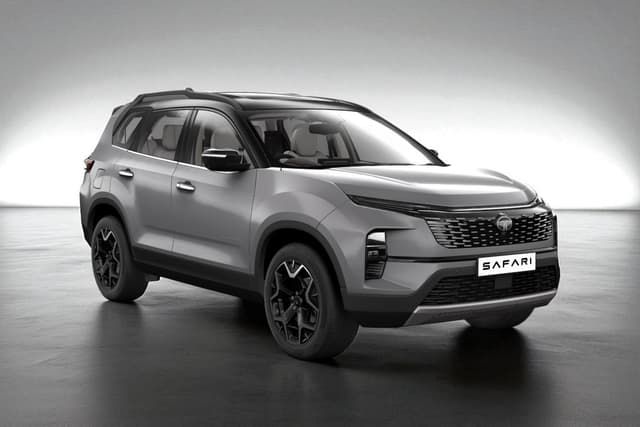
Safari colours number seven in total, with one dual-tone finish and six single-tone options across the range.
Our colours page lists each shade as follows.
Colour | Finish |
Matte Stealth Black | Single-tone |
Pure Grey | Single-tone |
Royal Blue | Single-tone |
Daytona Grey | Single-tone |
Frost White | Single-tone |
Black/Cosmic Gold | Dual-tone |
Supernova Copper | Single-tone |
Similar Cars to Explore
Tata Safari FAQs
The Safari seating capacity ranges between 6 and 7 seats. While all variants come with a 7-seater layout, the Accomplihed X+ trim (including the Dark and Stealth editions) can be had in a 6-seater avatar with captain chairs in the middle row.
The Safari car engine option includes a 2-litre diesel unit that produces 170hp and 350Nm.
Tata offers the Safari with either a 6-speed manual or a 6-speed torque converter automatic transmission option. The manual gearbox is standard across all variants, while the automatic option is offered from the Pure X trim.
No, the Tata Safari is not available with a RWD setup as it gets a front-wheel-drive (FWD) drivetrain only.
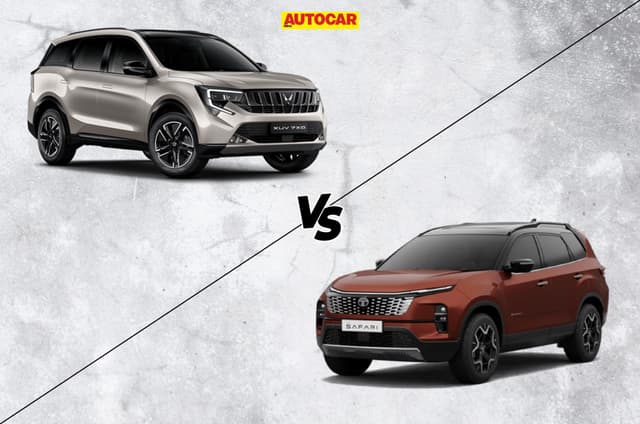
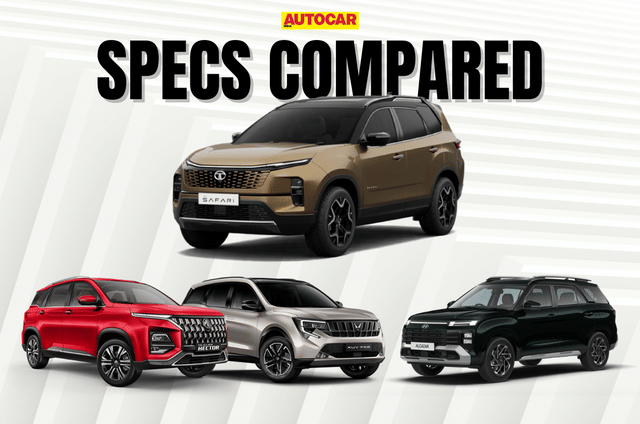
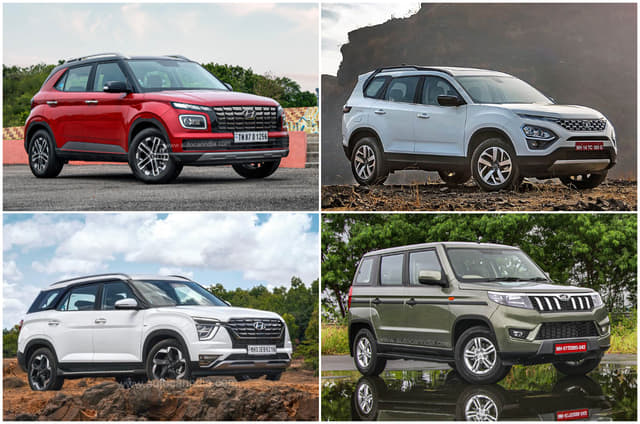
The Tata Safari rivals include the MG Hector Plus, the Hyundai Alcazar, the Mahindra XUV700 and the Mahindra Scorpio N.
The Tata Safari has scored a 5-star crash safety rating from both Bharat NCAP and Global NCAP.
The Tata Safari safety features include up to 7 airbags (6 as standard), a 360-degree camera, Level-2 ADAS, an electronic parking brake, disc brakes on all wheels, front and rear parking sensors and ISOFIX child seat anchorages.
Questions you may find useful
I currently own a September 2019 Kia Seltos HTX IVT (petrol), which has covered around 73,000 km without any issues, despite a major accident at 17,000 km. I am now thinking of buying a new car. My first preference is the Tata Safari petrol. However, after seeing the recent results and user reviews of the Tata Harrier EV, I am in a dilemma about whether I should buy the Harrier EV or the Safari petrol, or wait for the Safari EV.
Recommendation: Tata Safari petrol for now, rather than the Harrier EV. Since your 2019 Seltos has already done 73,000km without major mechanical issues, there is no urgent need to move to an EV simply because the Harrier EV is newer. The Safari petrol gives you the larger, more comfortable SUV you are looking for, along with a conventional powertrain that is easier to live with if you plan to keep the car for many years.The Harrier EV is the more attractive proposition if you have home charging and do substantial running, particularly in the city. It offers excellent performance, refinement, ride comfort and a premium cabin. However, it is still too early to call it the safer long-term ownership choice.
I currently own a Hyundai Venue 1.2 petrol. I am considering for an upgrade and my requirements include a 7-seater petrol or diesel automatic SUV under 25 lakh (on-road) with 80:20 city to highway ratio with maximum 15,000 km annually. Can I consider electric as well. What would be your recommendation? I am considering XUV 7X0, Safari or the Alcazar but I'm open to other options as well. Thanks in advance.
Given your requirements, the Mahindra XUV 7XO diesel automatic would be our recommendation. With an 80:20 city-to-highway ratio and 15,000 km a year, diesel still makes sense because the XUV 7XO's diesel engine is refined, efficient and well suited to both city driving and long highway runs. The 7XO also offers a usable third row, strong performance and a well-equipped cabin, making it a proper upgrade from your Venue.The Tata Safari is a strong alternative if you prioritise ride comfort and a more spacious third row, but the XUV 7XO offers a better overall ownership experience and a more modern feature set. The Hyundai Alcazar petrol automatic is the more refined and easier-to-drive option in the city, but its third row is tighter and it does not feel like as big a step up from the Venue.On the electric front, the Mahindra XEV 9S is worth considering if you have home charging and predictable daily usage, but at Rs. 25 lakh on-road you are likely to be looking at the lower variants, and the XUV 7XO diesel still makes more sense given your usage pattern.Overall, the XUV 7XO diesel automatic strikes the best balance between space, performance, efficiency and long-term ownership.
I’m looking for a car in the Rs 22-24 lakh budget. My daily usage is around 30km, with about 75 percent of the driving in the city. My priorities are safety, driving comfort, mileage and an automatic gearbox. I was initially looking for a 5-seater and liked the Harrier Petrol Automatic, but I am now also considering a 7-seater. Should I choose between the Harrier, Safari and XUV 7XO, and would petrol or diesel be more suitable for my usage? I’m also open to other suggestions that fit these requirements.
Go for the Mahindra XUV 7XO diesel automatic. With your 30km daily running and 75% city usage, diesel still makes sense because the 7XO’s diesel engine is efficient, refined and well suited to both city and highway driving. The XUV 7XO also offers a more modern cabin, better tech and a more premium feel than the Harrier and Safari. It is also a genuinely comfortable 7 seater with a usable third row, which gives you added flexibility. The Tata Harrier petrol automatic is a good car, but the petrol engine is not as efficient and the overall package feels a bit older compared to the 7XO. The Tata Safari is essentially a 7 seater version of the Harrier, so the same comments apply. The 7XO diesel automatic is the best fit for your priorities of safety, driving comfort, mileage and automatic transmission.
I am confused between Mahindra XUV 7XO and Tata Safari Petrol. I am planning to buy a 7-seater petrol car with 5-star safety and am planning to own the car for at least next 12 years and am not concerned about its resale value. My monthly running is around 1400 km with 65% city and 35% highway driving. Please advice.
Go for the Mahindra XUV 7XO petrol. With a 12-year ownership horizon, reliability and long-term peace of mind become far more important than any short-term advantages. The XUV 7XO petrol is a proven package with a strong ownership track record, a robust service network and a well-sorted powertrain that is better suited to your 65% city usage. The turbo petrol engine is responsive and refined, and the overall package feels more mature and dependable for long-term ownership.The Tata Safari petrol is a good product, but the petrol engine is still relatively new and does not have the same long-term track record as the Mahindra. For a 12-year ownership plan, that matters. Both cars are safe, spacious 7-seaters, but the XUV 7XO edges ahead on reliability and overall ownership confidence. Since you are not concerned about resale value, the focus should be on the car that will give you the least hassle over the next decade, and that is the XUV 7XO petrol.
Suggest me a 5-7 seater automatic petrol car considering my budget is between Rs. 22-24 lakh. My priorities are safety, driving comfort with good suspension and decent mileage. My daily city driving is approximately 30km with 75% driving within the city. I have tested Kia Seltos but did not like its suspension. I liked Harrier and Safari but am bit taken aback by the issues highlighted on social media about Tata. Please suggest a suitable car for my priorities among Harrier, Safari and 7XO and also, whether a diesel car will make sense?
Given your 75% city usage, go for the Mahindra XUV 7XO petrol automatic rather than the diesel. The diesel will deliver better mileage, but your usage isn't ideal for a diesel's DPF system. A DPF traps soot and periodically needs to regenerate by getting hot enough to burn that soot. Predominantly slow, stop-start city driving can prevent this from happening properly, resulting in more frequent regeneration requests and, if these are repeatedly interrupted, potential clogging and workshop intervention.A 30km daily commute can be fine for a diesel if it includes enough steady-speed running, and regular highway trips would reduce the concern. But with 75% of your driving in the city, choosing diesel primarily for mileage isn't worth adding another consideration to ownership. The petrol XUV 7XO will cost more to run, but it avoids the DPF and DEF-related considerations and is the simpler choice for predominantly urban use.Choose the XUV 7XO petrol automatic. The Harrier and Safari remain good alternatives if you prefer their ride and styling, but between the three, the 7XO petrol offers the best combination of comfort, space, safety and hassle-free city ownership for your usage.
Upcoming Cars


Tata Cars

Trending Cars


Latest Cars