

Autocar India

Last Updated on: 25 Jun 2026

Tata Safari

Autocar score
8
₹15.69 - ₹32.07 Lakh
On road price, Mumbai
Mumbai
Starting₹22,686 /month
EMI calculator

The Tata Safari is the reincarnation of the iconic Safari nameplate in India, which was relaunched in February 2021 in India. The Tata Safari price starts from ₹13.29 lakh for the entry-level (Smart 7 seat 1.5 Turbo-GDI) trim, ex-showroom. The fully-loaded (Accomplished Ultra Red Dark 6 seat 2.0 Diesel AT) Safari top model is priced at ₹26.39 lakh, ex-showroom. Whereas, the on road price on Tata Safari starts from Rs 15.69 lakh and goes upto Rs 32.07 lakh depending on the city and variants you choose.


Tata Safari is available in a total of 61 variants, which are available either in a 6- or 7-seater avatar. The Safari car is powered by a single 170hp 2.0-litre diesel engine. It gets an option between a 6-speed manual or a 6-speed torque converter automatic gearbox. 


The Tata Safari SUV gets a 50-litre fuel tank and has a mileage range of 14.1 kmpl - 16.3 kmpl.


Tata Safari - Key Highlights
 

  • It is the flagship ICE-powered Tata SUV in India, on-road prices of which range between ₹15.69 lakh and ₹32.07 lakh in the city of Mumbai.
  • Tata Safari dimensions are 4668mm in length, 1922mm in width and 1795mm in height, with a wheelbase of 2741mm. 
  • Gets an option between 6- and 7-seats and a dual-tone cabin theme, the theme of which depends on the chosen variant.
  • It is powered by a 2-litre diesel engine that puts out 170hp and 350Nm and is paired with either a manual or a torque converter automatic gearbox.
  • Safari is available only with a front-wheel-drive (FWD) setup.
  • Key features of Tata Safari include a 12.3-inch touchscreen, a 10.26-inch digital driver’s display, powered front seats with an electronic boss mode on the co-driver's seat, and a panoramic sunroof.
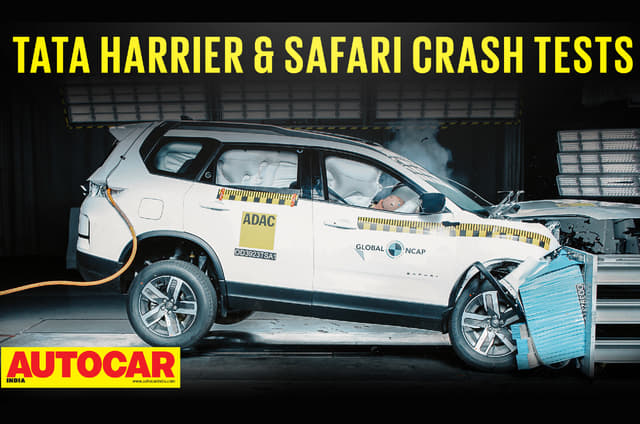
  • Safari gets a 5-star crash safety rating from both Bharat NCAP and Global NCAP with features like Level-2 ADAS, 360-degree camera and front and rear parking cameras.


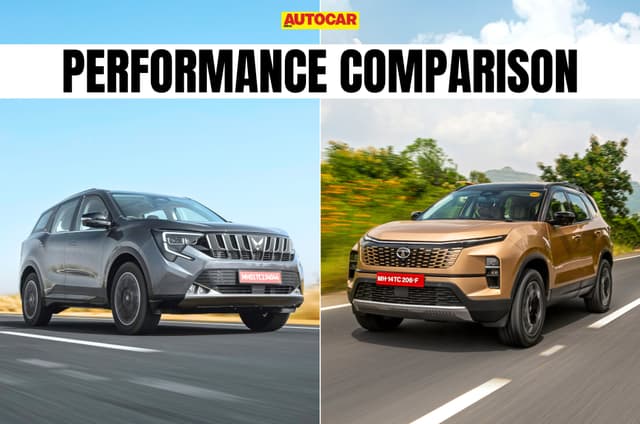
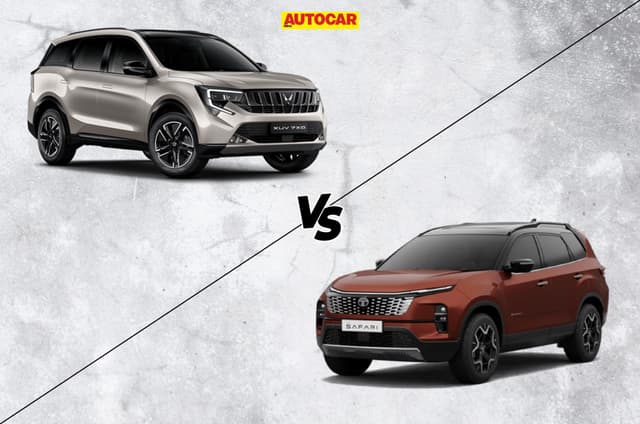
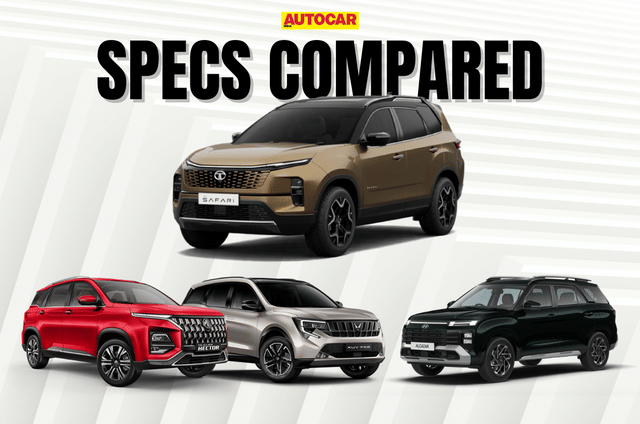
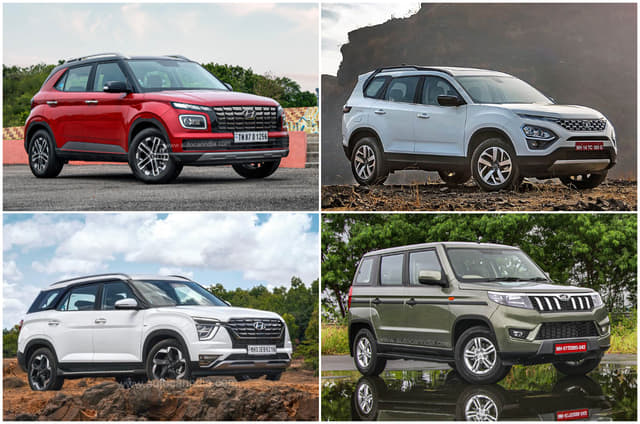
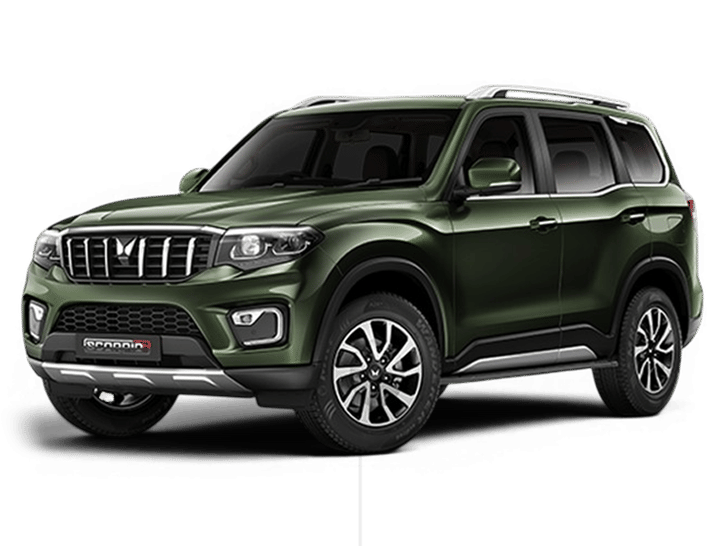
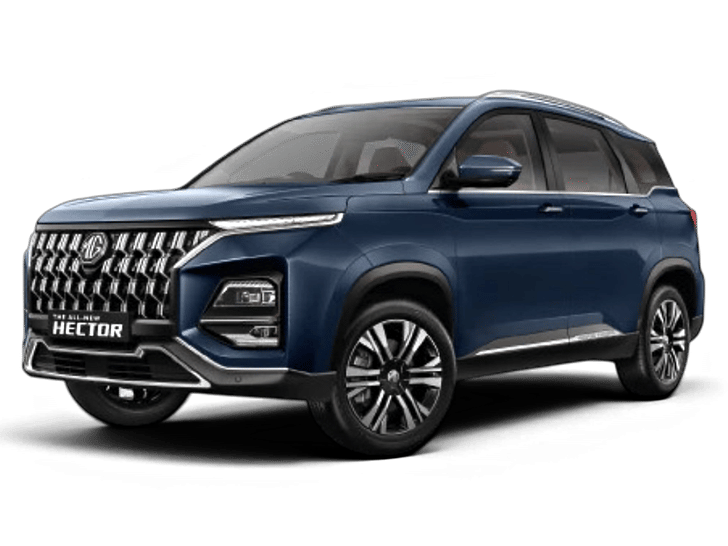
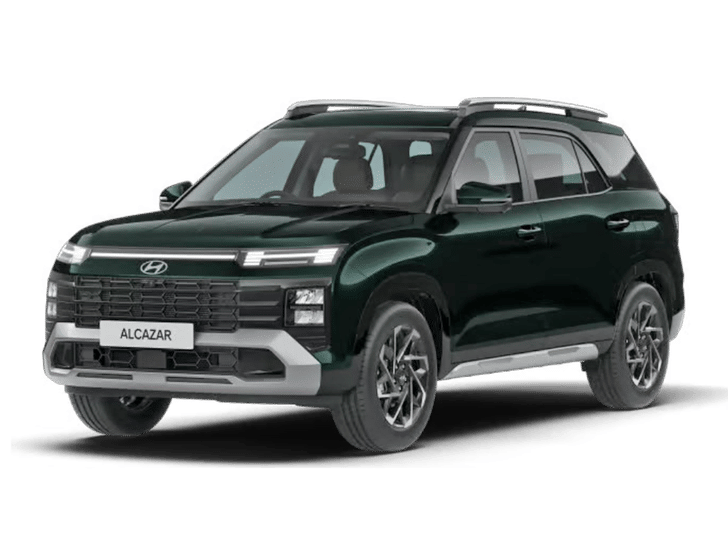
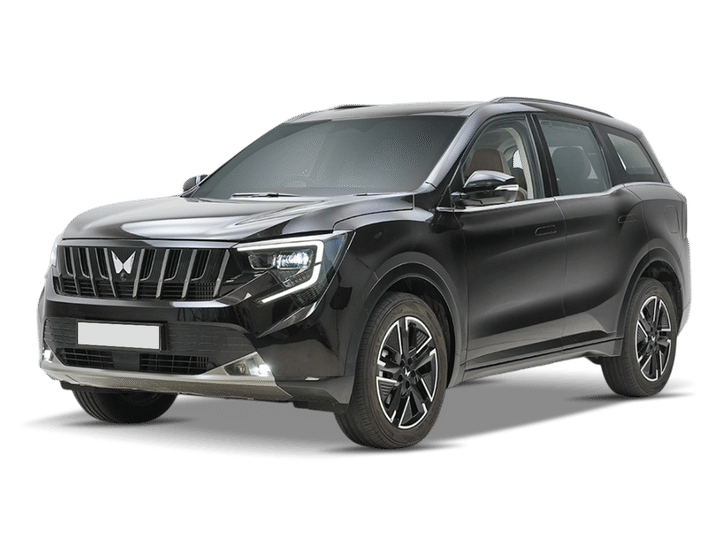
The Tata Safari rivals include the Mahindra Scorpio NMG Hector, XUV 7XO and Hyundai Alcazar.

Show more

Tata Safari Latest Updates

  • 5 May 2026: Diesel-powered Tata Safari now available in new top-spec Ultra trim, gets more features and starts at Rs 24.49 lakh (ex-showroom).
  • 3 April 2026: Tata to launch Safari EV in festive season of 2026 as new flagship electric offering.
  • 21 March 2026: Tata Safari price to increase by 0.5 percent from April 1 onwards.
  • 16 March 2026: Tata Safari discounts extend up to Rs 85,000 in March 2026.
Show more

Tata Safari Features and specifications

Our Rating
8
Mileage
14.1 kmpl - 16.3 kmpl
Engine
1498 cc - 1956 cc
Fuel Type
Petrol, Diesel
Transmission
Manual, Torque Converter
Seats
6 - 7
Body Style
SUV
View all specifications

Tata Safari price & variants

The Tata Safari is available in 61 variants, the Safari ex-showroom prices starts from ₹13.29 lakh for the base model and goes upto ₹26.39 lakh for the top model (ex-showroom). Meanwhile, Safari on road prices starts from ₹15.69 lakh and go up to 32.07 lakh based on city to city.


  • Tata Safari is available with a 2-litre diesel engine, which produces 170ps and 350Nm and is mated either with a manual or an automatic transmission.
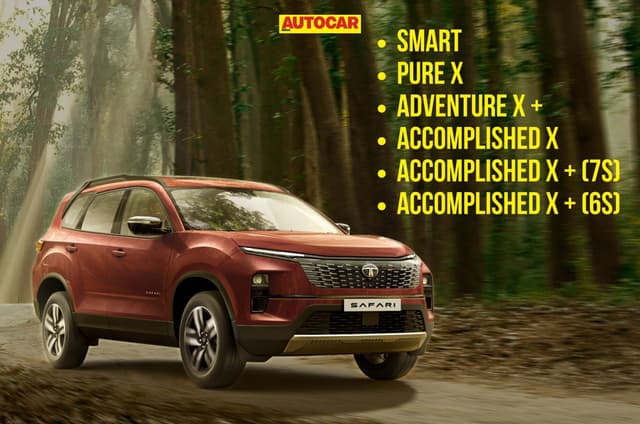
  • A 6-speed manual transmission is offered with all trims except the mid-spec Accomplished X+ Stealth 6-seater model.
  • All Tata Safari trims from the Pure X trim are available with a 6-speed torque converter automatic gearbox.
  • Tata Safari variants are available with a 7-seater configuration, while the 6-seater version can be had with Accomplished X+ trims.
Show more
VariantsOn road price

Tata Safari Official Brochure

Download the complete brochure with specs, features, and variants.
Tata Safari expert review

Autocar score
8

We like

  • Petrol is smooth with effortless performance

  • Good ride quality and highway manners

  • Feature packed

See more

We don't like

  • Ergonomic quirks persist

  • Gruff diesel engine

Exterior Design And Engineering

9.0

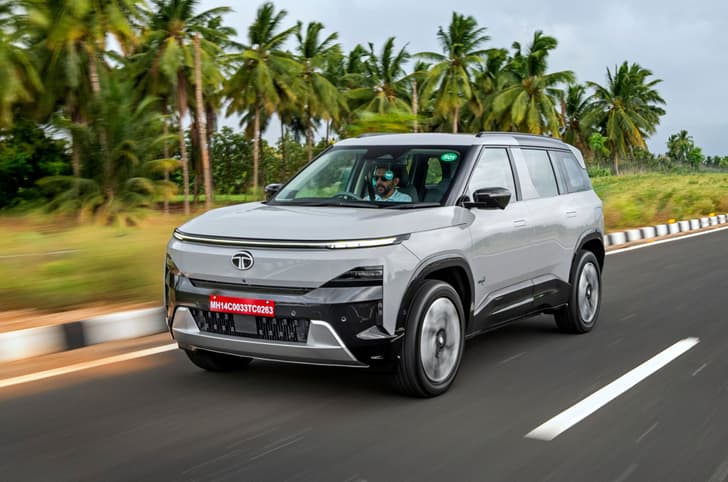
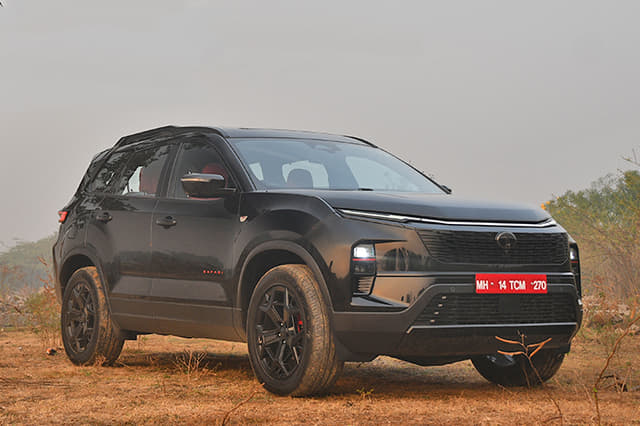
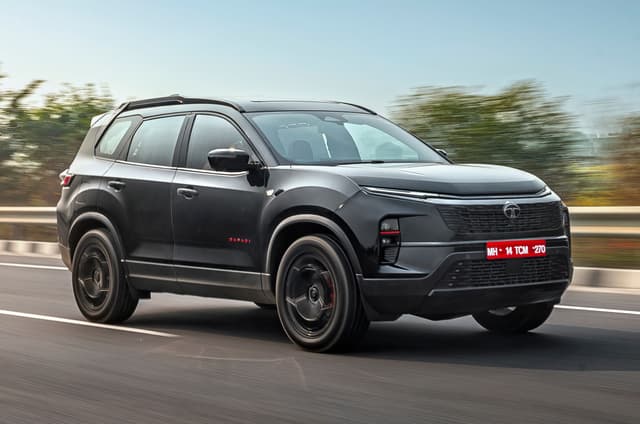
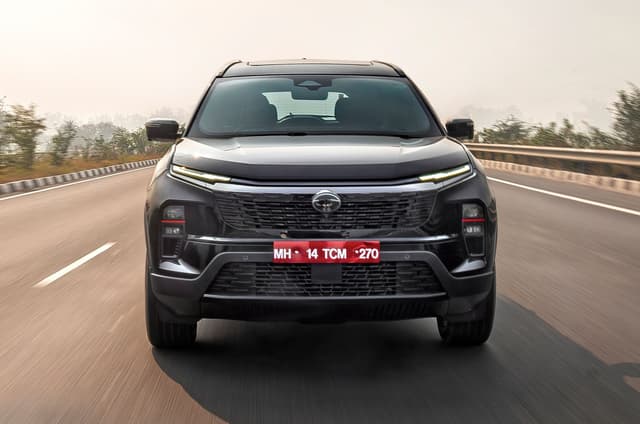
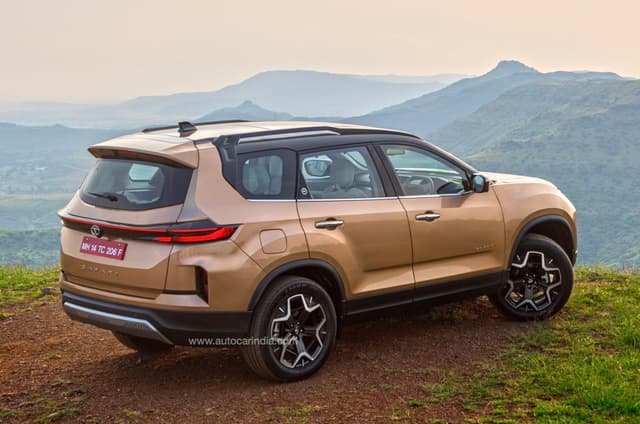
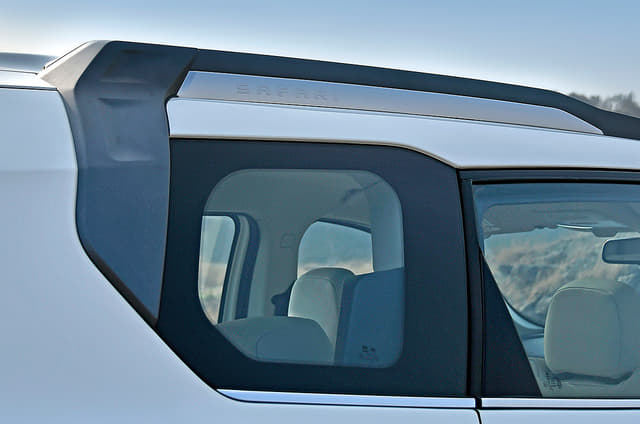
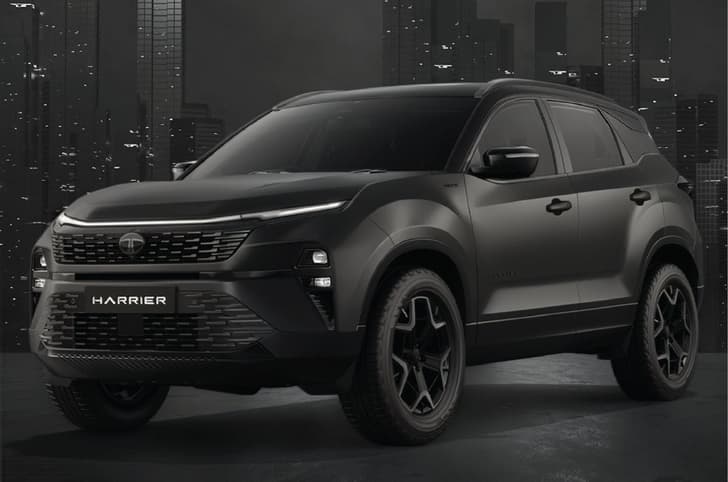
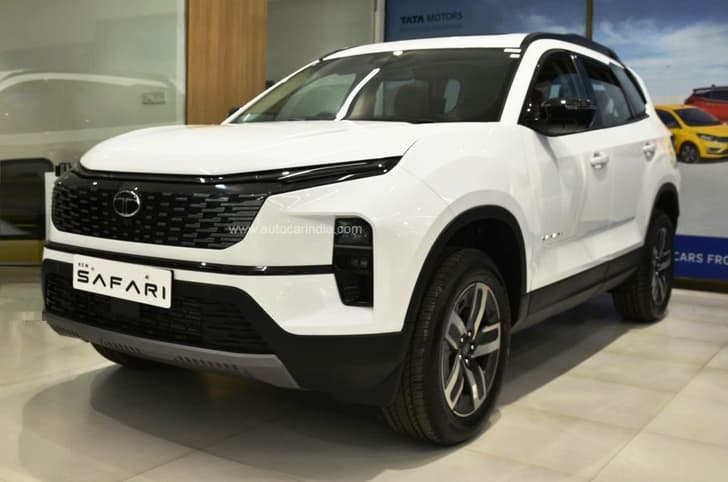
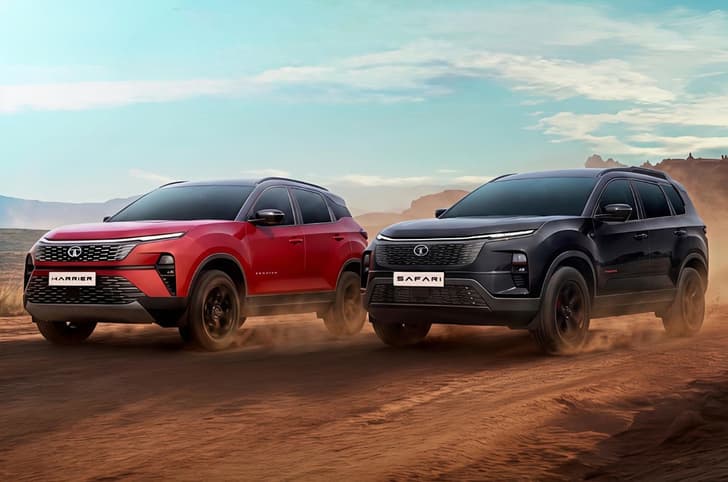
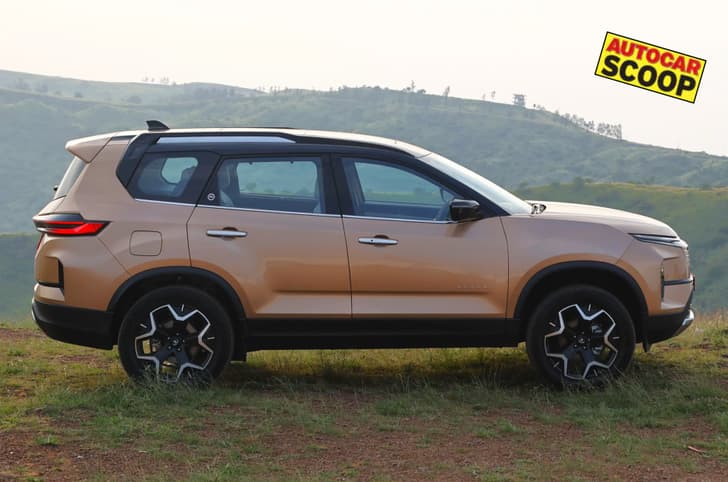
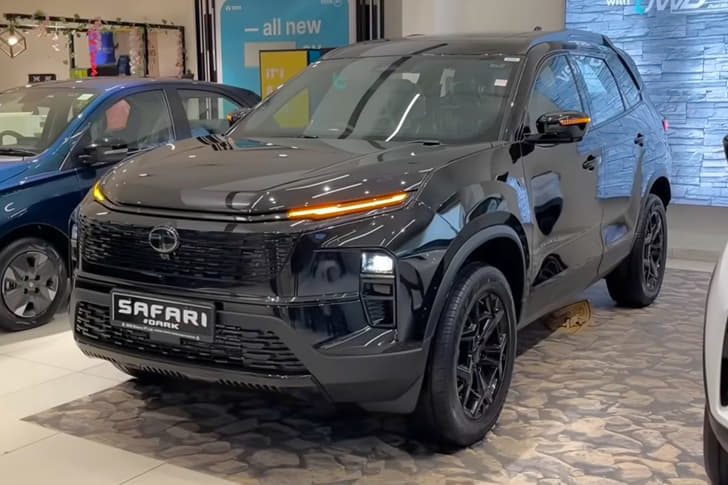
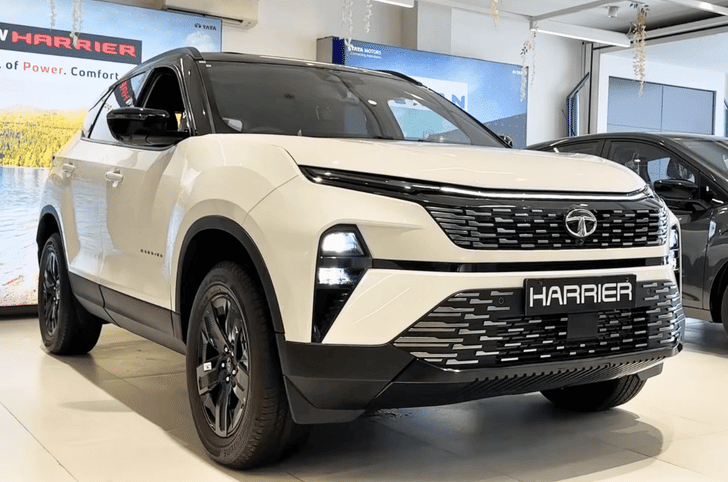
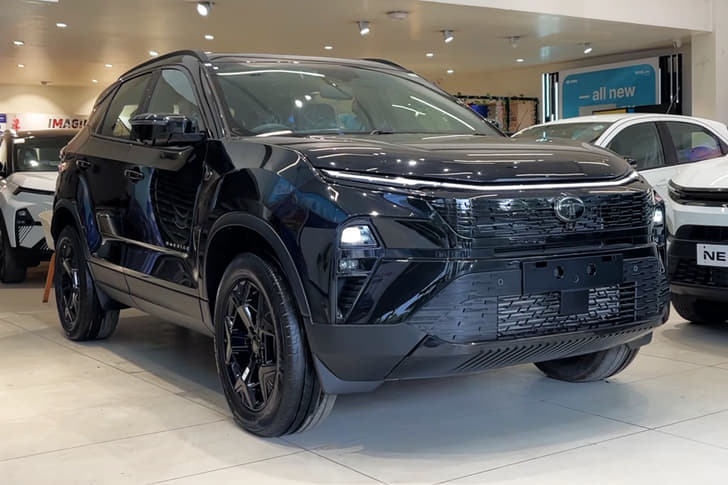
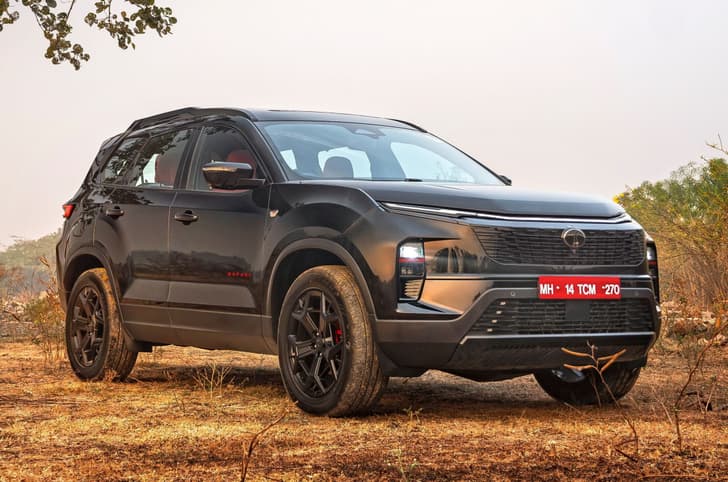
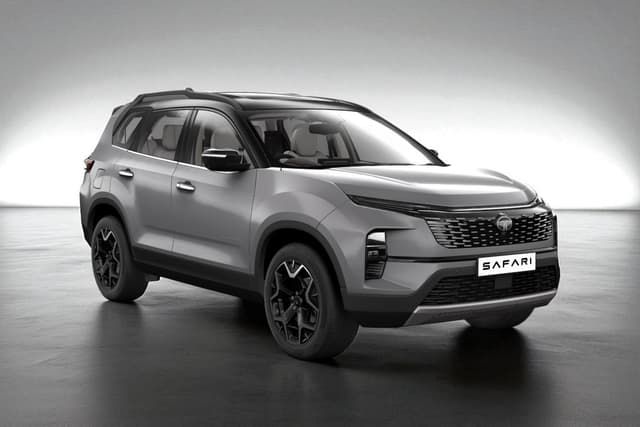
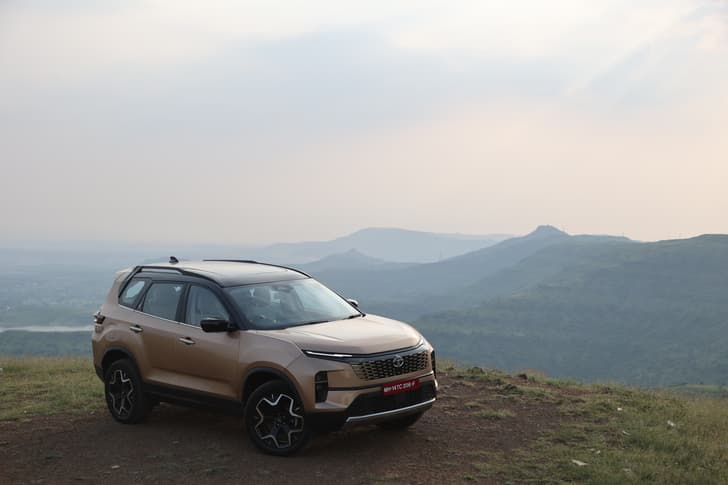
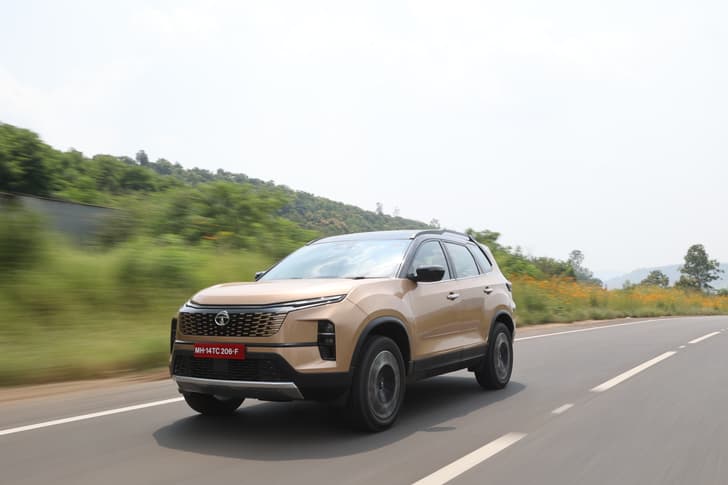
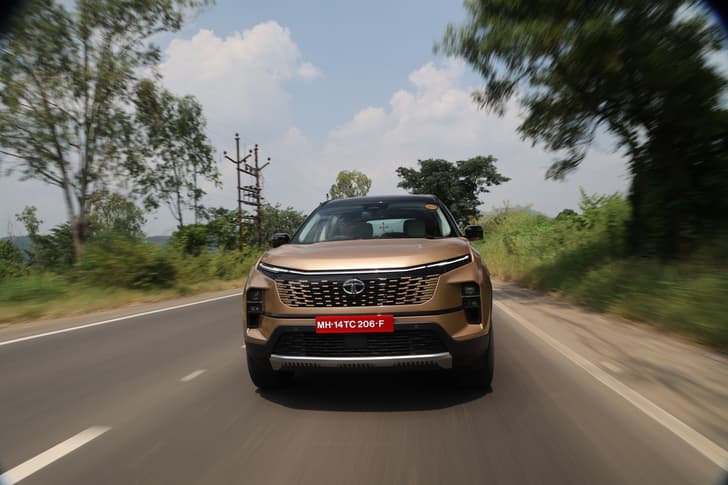
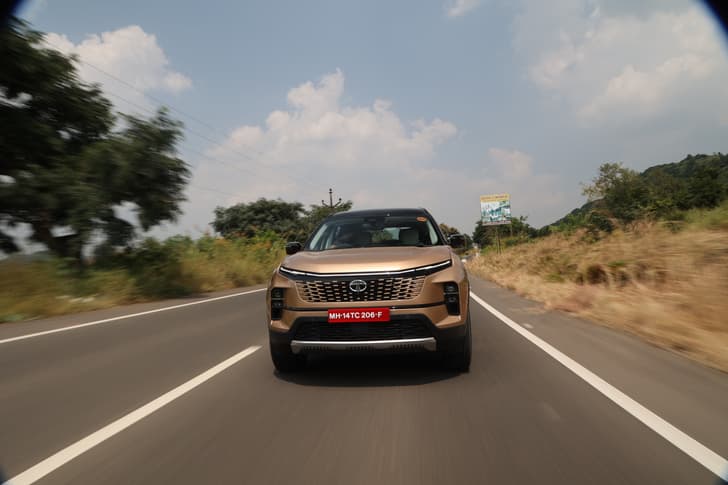
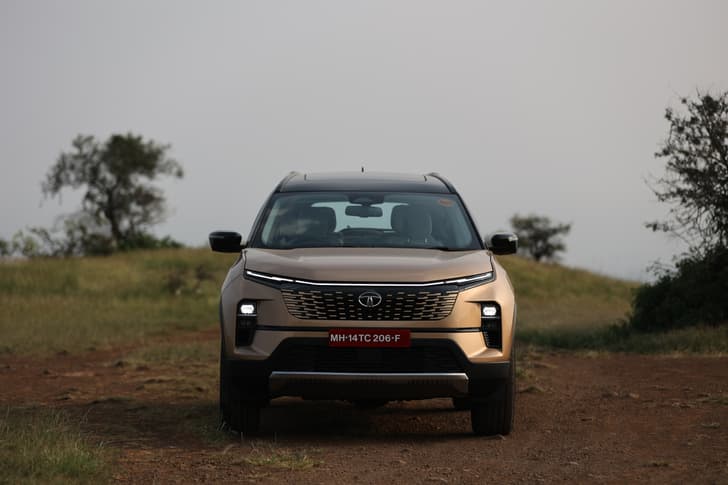
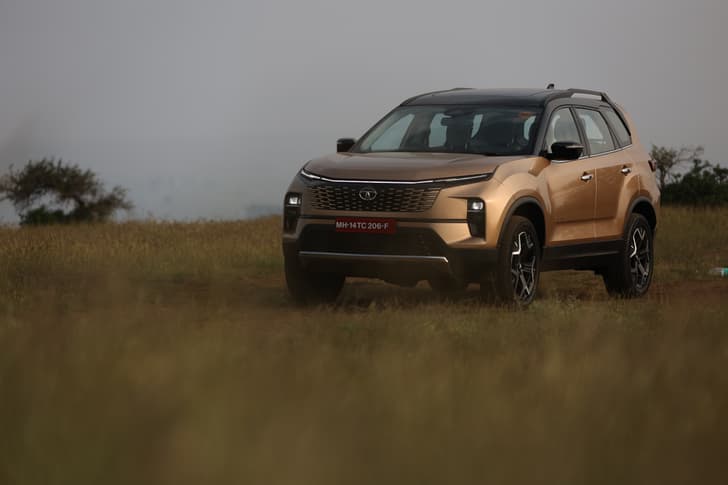
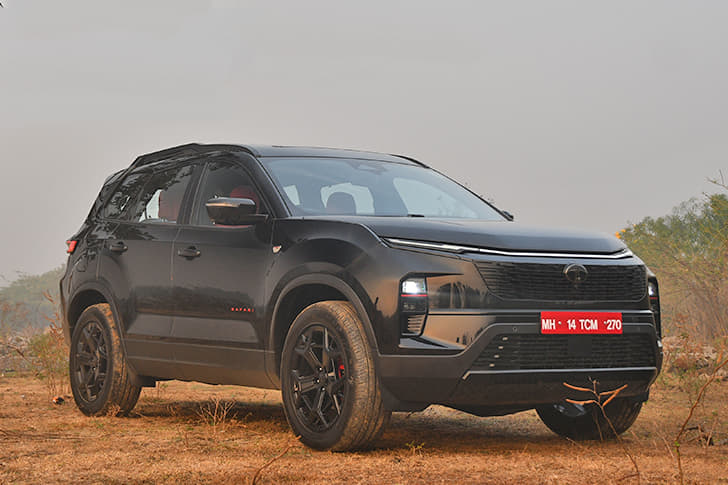
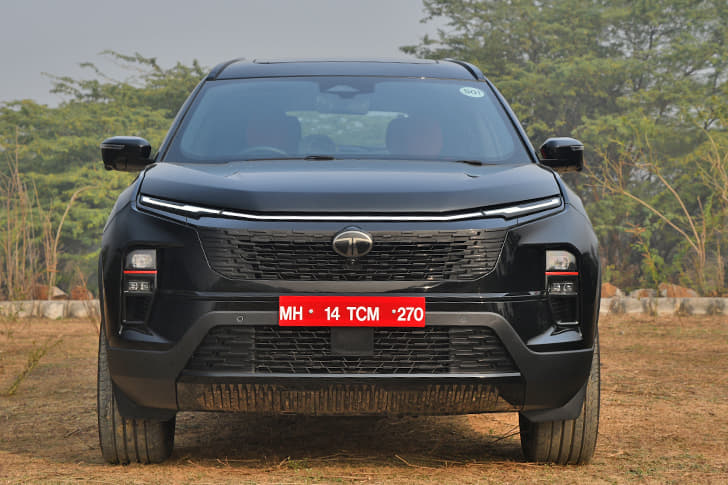
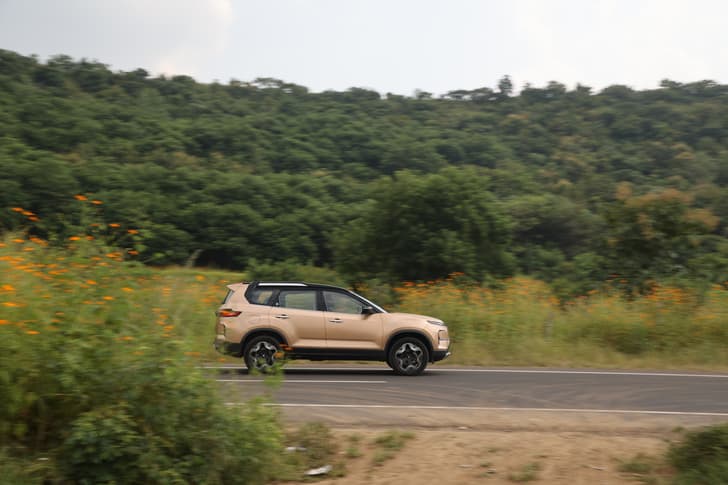
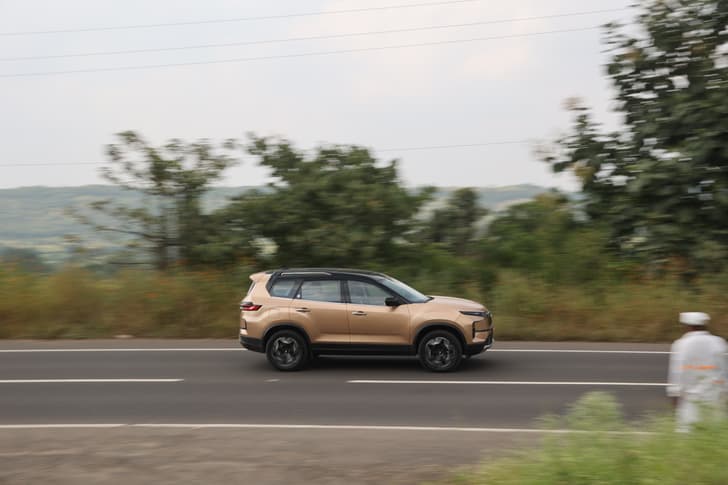
Viewed head-on, it is very similar to the Harrier, with a slim connected light bar and a large grille with intricate detailing. From all other angles, the Safari is a taller and therefore more imposing vehicle. The roofline rises from front to rear, accentuated by the roof rails, with a kick-up at the C-pillar to accommodate the third row of seats.Nineteen-inch wheels are standard from the Accomplished X+ trim onwards, with a blacked-out finish on our Red Dark variant. No surprises at the rear either; full-width LED tail-lamps differ slightly from the Harrier’s, and a neat script spells Safari. The petrol version is visually identical to the diesel model, with no exterior identifiers to tell them apart.

Read More
Interior Space And Comfort

9.0

The Safari’s front seats are large and comfortable, and the high seating position delivers a commanding view. Both front seats are powered and ventilated, with memory for the driver. Cabin quality is generally strong, with good fit and finish and premium-feeling touchpoints, though some hard plastics remain, and the heavy use of gloss-black surfaces may prove prone to scratches and smudges. Captain’s chairs for the second row are also available as an option on the Accomplished X+ trim and above, and they come with a ventilation function. Access to the third row via the flip-down seat is straightforward, and once back there, knee room is quite good with the middle row slid forward. You do sit in a knees-up position, but it is still better than most SUVs of this class.

Read More
Features And Safety

9.0

The 10.25-inch digital driver’s display looks crisp, is easy to use and can show a connected phone’s navigation full screen, though it sits a bit deep in the binnacle. The diesel gets a large 12.3-inch touchscreen – slick, responsive and loaded with features including wireless Android Auto and Apple CarPlay, a 360-degree camera with a 3D view, air purifier controls and JBL sound modes. The petrol gets the 14.53-inch Samsung Neo QLED infotainment screen and the digital rear-view mirror from the Harrier EV. The safety kit is comprehensive too, with six airbags, ABS with EBD and ESP standard. Top trims add Level 2 ADAS with over 20 features and seven airbags.

Read More
Performance And Refinement

8.0

The 2.0-litre diesel feels familiar, with a strong mid-range, wide powerband and effortless cruising ability. It still feels punchy, but refinement remains its weak spot, with noticeable noise and vibrations at low speeds and under hard acceleration. The petrol tells a different story. Despite its 1.5-litre capacity, the Hyperion turbo delivers strong low-end performance, making this heavy SUV feel surprisingly quick off the line. There’s no mid-range turbo shove or top-end zing, but performance is more than adequate, with most of the power concentrated low down. Refinement is significantly better than the diesel, though a mild drone creeps in around 1,500rpm. The smooth 6-speed automatic suits the petrol particularly well.

Read More
Mileage / Range And Efficiency

7.0

Tata Harrier diesels ARAI mileage is 16.8kpl for both manual and automatic versions. ARAI-certified figures for the petrol are yet to be released, but Tata claims best-in-class efficiency.

Ride Comfort And Handling

7.0

Ride quality remains a highlight. The platform’s Land Rover lineage shows through in the way it shrugs off bad roads, feeling robust and well damped. There’s a hint of firmness at low speeds, but comfort is never compromised. On the highway, it feels particularly impressive, staying flat, stable and composed at triple-digit speeds. The petrol version is around 80kg lighter than the diesel, which should translate to a touch more agility on twisty roads. Body roll is well controlled, grip from the wide tyres is reassuring, and the electric steering is well judged – light in the city and nicely weighted at speed.

Read More
Value For Money

8.0

Prices for the Safari diesel start at Rs 14.66 lakh and top out at Rs 25.95 lakh. Pricing for the petrol-powered Safari had not been announced at the time of writing, but we expect it to be around Rs 50,000 to Rs 80,000 cheaper than the diesel. On the whole, the Safari is a very well-rounded SUV, and the petrol broadens its appeal further by bringing a level of refinement the diesel never could.

Read More

Reviewed by: Lenny D'sa

Tata Safari User Reviews

3.7/5(25)

Tell us about your experience

Tata Safari comparison

Tata Safari
₹13.29 - ₹26.39 Lakhs
8
Transmission
Manual, Torque Converter
Engine
1498 cc - 1956 cc
Fuel type
Petrol, Diesel
Mileage
14.1 kmpl - 16.3 kmpl
Compare
Hyundai Alcazar
₹14.51 - ₹21.10 Lakhs
8
Transmission
Torque Converter, Manual, DCT
Engine
1482 cc - 1493 cc
Fuel type
Diesel, Petrol
Mileage
17.5 kmpl - 20.4 kmpl
Mahindra XUV 7XO
₹13.66 - ₹24.92 Lakhs
9
Transmission
Manual, Torque Converter
Engine
1997 cc - 2184 cc
Fuel type
Petrol, Diesel
Mileage
-

Tata Safari mileage

The Tata Safari mileage ranges from 14.1 to 16.3 kmpl, offering a good balance between fuel efficiency and everyday drivability, making it suitable for both city traffic and weekend getaways.

PowertrainThe combination of engine type, fuel, and transmission that powers your vehicle and determines how it drives and what it runs on.ARAI MileageMileage certified by the government, tested under controlled lab conditions. Real-world mileage will vary.User Reported MileageMileage figures are reported by vehicle owners and represent the approximate real-world efficiency you may experience. Actual mileage will vary based on driving conditions, habits, and vehicle condition.
Diesel-Manual
1956 cc
16.3 kmpl14.87 kmpl
Diesel-Automatic (Torque Converter)
1956 cc
14.1 kmpl-

Tata Safari Images

Check out the Tata Safari’s bold and dominant exterior design, elegant and futuristic interior and a modern feature suite including a robust safety suite, in our detailed 112 gallery.


The Tata Safari is a mid-size SUV that offers ample seating space for 6-7 passengers, while not compromising on convenience or safety features, which it rounds off perfectly with a potent 2.0-litre diesel engine.

Show more
Front Right Three Quarter Image - 9773
Front Right Three Quarter Image - 10359
Front View Image - 10374
Front View Image - 10367
Front View Image - 9851
Front Right Three Quarter Image - 9868
Front Left Three Quarter Image - 31360
Front View Image - 31363
Alloy Wheels Image - 10382
Alloy Wheels Image - 10394
Color Beige Image - 10389
Alloy Wheels Image - 9819
Rear View Image - 9789
Rear View Image - 31369
Rear View Image - 9836
Rear View Image - 31361
Rear View Image - 9807
Dashboard Image - 31356
Dashboard Image - 10029
Front Row Seats Image - 31374
Front Row Seats Image - 10118
Front Row Seats Image - 10539
Front Row Seats Image - 10134
Second Row Seats Image - 10186
Second Row Seats Image - 10553
Second Row Seats Image - 10545
Dashboard Image - 31348
Dashboard Image - 31350
Instrument Cluster Image - 31351
Infotainment System Image - 31352
Infotainment System Image - 10533
Infotainment System Image - 10289
Dashboard Image - 10517
Dashboard Image - 10352
Dashboard Image - 10280
Dashboard Image - 31353
Infotainment System Image - 10061
Charging Ports Image - 10088
Charging Ports Image - 10075
Rear View Image - 31375
Body Colored Bumpers Image - 10215
Second Row Seats Image - 10226
Dashboard Image - 10240
Adjustable Orvm Image - 31354
Color Red, Black Image - 31349
Armrest Image - 10298
Gear Box Image - 10254
Elevating Gear Knob Image - 10043
Charging Ports Image - 10103
Door Controls Image - 31355
12V Power Outlets Image - 10307
Door Controls Image - 10203
Boot Lid Opener Image - 10273
Door Controls Image - 10145
Color Red Image - 31357
Door Controls Image - 10316
12V Power Outlets Image - 10157
Rear View Image - 31358
Antenna Image - 10001
Closed Bonnet Image - 31364
Rear View Image - 31371
Rear View Image - 31372
Color Black Image - 31365
Front View Image - 9898
Front View Image - 9883
Rear View Image - 9945
Color Beige Image - 10014
Color Red, Black Image - 31373
Orvm Blinker Image - 10400
Color Gold Image - 9913
Rear View Image - 9973
Rear View Image - 9986
Alloy Wheels True Image - 9930
Alloy Wheels True Image - 10265
Color Black Image - 31366
Rear View Image - 10406
Second Row Seats Image - 10335
Front Row Seats Image - 10344
Rear View Image - 31359
Rear View Image - 9961
Color Grey Image - 31367
Rear Logo Image - 31368
Rear View Image - 31370
Open Bonnet Engine Shot Image - 10327
Open Bonnet Engine Shot Image - 31362
Front Left Three Quarter Image - 10564
Color Matte Stealth Black Image - 20463
Color Pure Grey Image - 20464
Color Royal Blue Image - 20465
Color Daytona Grey Image - 20466
Color Frost White Image - 20467
Color Black   Cosmic Gold (Dual Tone) Image - 20468
Color Supernova Copper Image - 20469

Tata Safari videos

To make it easier for you to arrive at a buying decision, we have given our opinions on all aspects of the Tata Safari, including its exterior and interior design, convenience and safety features, and impressions on its practicality and performance as well. We have also compared it with some of its rivals to see how it fares against its competitors.

Show more

Tata Safari Colours

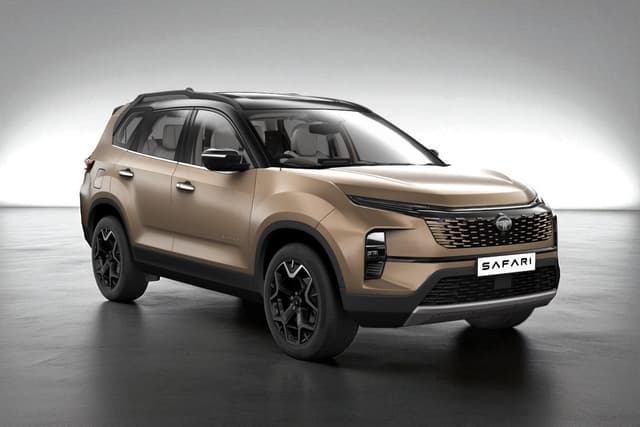
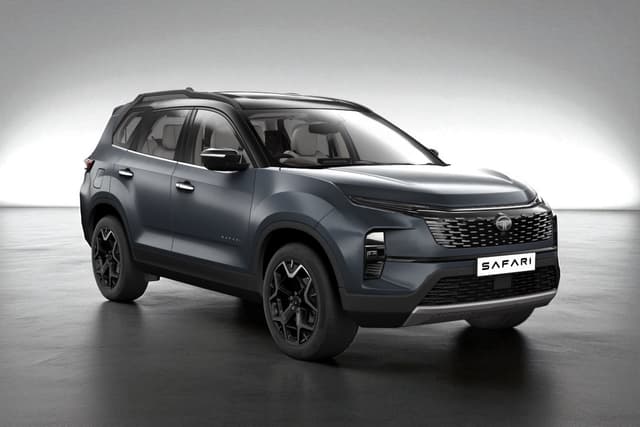
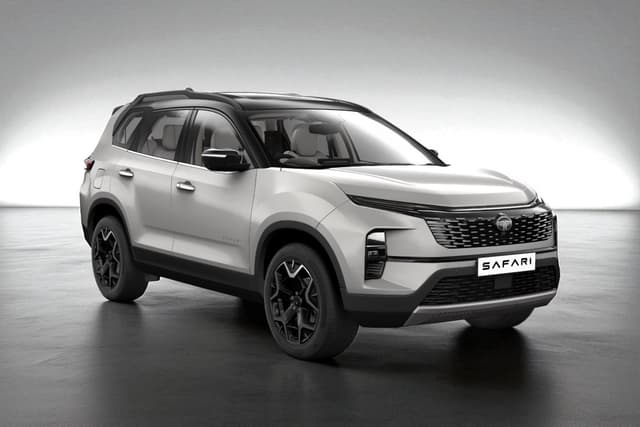
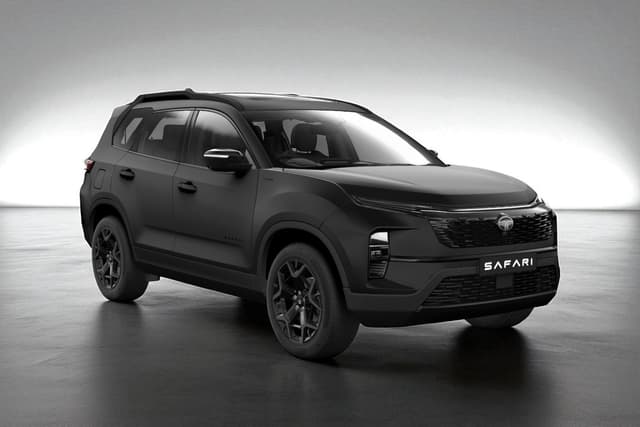
The Tata Safari is available in 7 colours, including Black / Cosmic Gold (dual Tone), Black / Galactic Sapphire (dual Tone), Black / Stardust Ash (dual Tone), Black / Stellar Frost (dual Tone), Black / Supernova Copper (dual Tone), Daytona Grey, Frost White, Lunar Slate, Matte Stealth Black, Oberon Black, Pure Grey, Royal Blue, Supernova Copper.


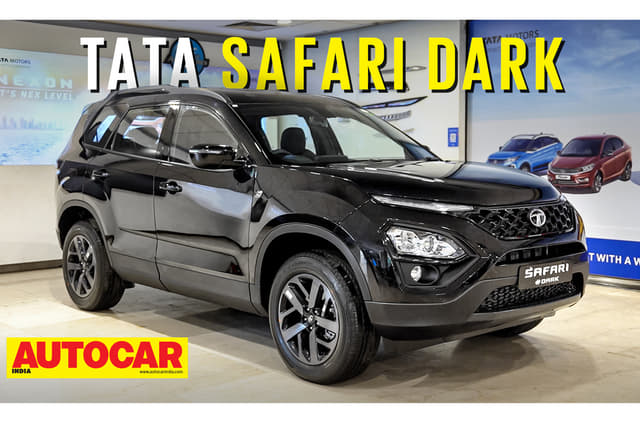
Inside, all variants except the Stealth and #Dark models come with dual-tone themes, the hues of which depend on the chosen variant. The Stealth and Dark variants are offered with an all-black cabin theme to give them a sportier appearance.

Show more

Tata Safari FAQs

The Tata Safari price starts from ₹13.29 lakh to ₹26.39 lakh ex-showroom prices.

The Safari seating capacity ranges between 6 and 7 seats. While all variants come with a 7-seater layout, the Accomplihed X+ trim (including the Dark and Stealth editions) can be had in a 6-seater avatar with captain chairs in the middle row.

The Safari car engine option includes a 2-litre diesel unit that produces 170hp and 350Nm. 

Tata offers the Safari with either a 6-speed manual or a 6-speed torque converter automatic transmission option. The manual gearbox is standard across all variants, while the automatic option is offered from the Pure X trim.
 

No, the Tata Safari is not available with a RWD setup as it gets a front-wheel-drive (FWD) drivetrain only.
 

The Tata Safari rivals include the MG Hector Plus, the Hyundai Alcazar, the Mahindra XUV700 and the Mahindra Scorpio N.

The Tata Safari has scored a 5-star crash safety rating from both Bharat NCAP and Global NCAP.
 

The Tata Safari safety features include up to 7 airbags (6 as standard), a 360-degree camera, Level-2 ADAS, an electronic parking brake, disc brakes on all wheels, front and rear parking sensors and ISOFIX child seat anchorages.
 

The Tata Safari on road price starts from Rs 15.69 lakh and goes upto Rs 32.07 lakh.

The Tata Safari base model price is Rs 13.29 lakh (ex-showroom price).

The Tata Safari base model on road price is Rs 15.69 lakh depending on the city and taxes.

The Safari top model price is Rs 26.39 lakh (ex-showroom price).

The Tata Safari top model on road price is Rs 32.07 lakh depending on the city and taxes.

The Tata Safari diesel starts from Rs 14.66 lakh for (Tata Safari Smart 7 seat 2.0 Diesel) ex-showroom price.

The Tata Safari diesel top model price is Rs 26.39 lakh (Tata Safari Accomplished X + Stealth Dark 6 seat 2.0 Diesel AT), Whereas the on road price of this model is Rs 32.07 lakh depending on the city and taxes.

Need an expert opinion on your car related queries?

Questions you may find useful

1d

Need buying advice - XUV 7XO, Seltos, Harrier or Safari? Hello Everyone, I’m planning to replace my 2021 Maruti Suzuki Brezza (clocked 50000 km) and would love some guidance. My usage: Location: Chembur, Mumbai Office commute (3 days/week): -50 km round trip (Chembur-Airoli) Approx. monthly running: 1,000-1,200 km Regular weekend drives around Mumbai/Lonavala/Alibaug, with 8-12 outstation trips a year and 1-2 native (Konkan) trips annually. Family of 3, with parents and in-laws joining us on majority of trips. I also have a left knee ligament issue, so an automatic transmission is a must. I’ve test-driven the Kia Seltos Diesel AT, Mahindra XUV 7XO Diesel AT, and Tata Safari AT (only petrol was available for the test drive). I’m currently confused between the Seltos, XUV 7XO, Harrier and Safari. One additional challenge is that my apartment has a mechanical puzzle parking system. The parking platform is quite tight, although there is a 5.5 m driveway opposite the parking slot to help with maneuvering. So overall dimensions and ease of parking are also important. My priorities are: Reliability (8-10 years) Comfortable suspension Rear seat comfort Strong highway performance Good service support Easy city drivability Which one would you recommend based on my usage? Are there any ownership experiences, reliability concerns, or other SUVs in the 25-30 lakh budget that I should seriously consider? Thanks in advance!

Verified
1d

Your usage is almost tailor-made for a modern diesel. At 1,000-1,200km a month with frequent highway drives, weekend trips and annual drives to the Konkan, you'll comfortably justify the diesel and shouldn't have to worry about DPF-related issues. The Kia Seltos Diesel Automatic also strikes the best balance for your requirements. It is the easiest of the four to drive and park in Mumbai, which is particularly important given your apartment's tight puzzle parking. It has a refined and efficient diesel engine, a smooth automatic gearbox, a comfortable ride, a premium cabin and one of the strongest service networks in the segment. It should also prove to be a dependable long-term ownership proposition.The Mahindra XUV 7XO Diesel Automatic is a close second. It offers more space, a more powerful engine and feels like a bigger, more substantial SUV. It is also the more accomplished overall product when compared to the Harrier and Safari, offering a better balance of performance, features, technology and overall package. The only drawback is that it is physically larger than the Seltos, which may become a hassle in your parking situation and while navigating Mumbai's streets.The Harrier and Safari are excellent highway cruisers with comfortable ride quality and spacious cabins. However, they are considerably larger than the Seltos, and when compared with the XUV 7XO, the Mahindra is the more complete package overall. Unless you specifically need the Safari's third row, we don't see a compelling reason to choose either Tata over the Mahindra.

VehicleKia Seltos
VehicleMahindra XUV 7XO
VehicleTata Harrier
VehicleTata Safari
4d

I am looking for a 7-seater family car in the budget of Rs. 25-27 lakh. I am already aware of the popular options in this segment including XUV 7XO, Safari, Scorpio-N, Kia Carens Clavis, etc. The challenge is that I keep getting tempted towards the top-end variants. Features like ADAS, panoramic sunroof, 360° camera, premium audio, ventilated seats, and all the latest tech make me question if I am getting everything after spending this much amount. At the same time, I am also struggling to differentiate what I genuinely need and what are nice-to-have features. I am in my late 20s and am a car enthusiast. I love driving and road trips. The car that I am looking for will be primarily used for family travel, city driving, and highway runs. My plan is to keep the car for around 5-7 years. I would like to know a few things from those who have owned or upgraded cars in this segment. Which features are genuinely useful in day-to-day ownership and which features feel exciting initially but, were rarely used later? Also, is it worth stretching my budget for top-end variants, or is the sweet spot usually the mid/high variant? If you were in my place and had the same budget today, which 7-seater would you buy and why? I am trying to make a rational decision rather than buying a car for features that I will rarely use.

Verified
2d

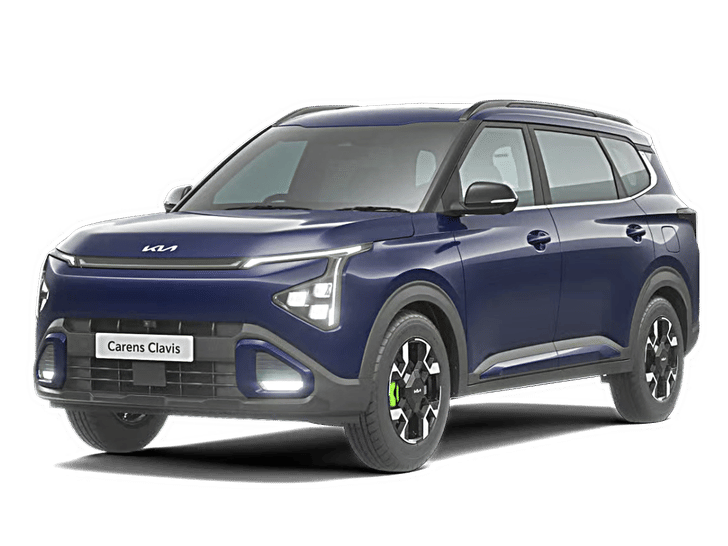
In terms of price to features ratio, the sweet spot is almost always the mid variant rather than top variants. You’ll miss out on only a little but save a chunk as high-end features tend to be priced more based on their perceived value rather than their actual value. However, since you are enthusiastic about cars, choose a variant as high end as you can afford and enjoy the experience. Features that you will appreciate regularly are, all‑row AC vents, auto climate control, LED headlamps, TPMS, auto‑dimming inside mirror, wireless phone integration and plenty of USB‑C ports. In a big SUV, a 360° camera and front sensors are gold in tight city spots. Ventilated seats matter a whole lot in our summers. Adaptive cruise is handy on long expressways, but other ADAS nudges can feel fussy and many owners turn off parts of it in the city. However, what amazes at delivery but fades later, are things like panoramic sunroof that stays shut most of the time during the year and also adds heat. Another one is the connected app feature which most people typically use for a month and then forgot about it. Third such feature is the 'passenger' screen, which is also all the rage these days, but after a while, most owners do not use it. Watching a movie or playing games on the go aren't something you do often and not even pleasant over rough city roads while your are hunched forward in your seat. In your Rs. 25-27 lakh budget, we would suggest Tata Safari or the Mahindra XUV 7XO as they are great for highway comfort. The Mahindra car has an edge on performance but the Safari has the better third row. The Kia Carens Clavis is another good car if you are comfortable with its MPV image as it is the more sensible buy.

VehicleTata Safari
VehicleMahindra XUV 7XO
VehicleKia Carens Clavis
4d

I am currently driving a Maruti Suzuki Grand Vitara Delta Mild Hybrid Manual. Most of my driving is in the city, with occasional highway and mountain trips. I am considering MG Hector Plus, Mahindra XUV 7XO, Mahindra Scorpio N, Tata Safari and Mahindra Thar ROXX for my next vehicle. My preference is for a petrol automatic. I would also like the car to be feature-rich and offer strong performance. Considering my usage pattern and requirements, which of these options would you recommend?

Verified
4d

Go for the Mahindra XUV 7XO petrol automatic. It suits your city-heavy use, is the most feature-rich here, and its turbo petrol has serious shove for highway and mountain climbs. It is easy to drive in traffic, rides comfortably, and the automatic is smooth. Tech like a 360 camera helps in tight city spots, and the safety and ADAS kit are handy on long trips.One thing to live with: fuel economy in the city will be far lower than your Grand Vitara. Expect single-digit kpl in heavy traffic.The next best alternative is the Tata Safari petrol automatic. It's got a refined engine and very smooth automatic gearbox. Again, fuel economy will be significantly down on your Grand Vitara, so account for that. The Tata feels tough and packs in plenty of equipment in the top end. Of the others, the Scorpio N and Thar Roxx aren't as comfortable while the MG Hector's high speed ride comfort and engine performance aren't great for highway and mountain drives.

VehicleMahindra XUV 7XO
VehicleMahindra Scorpio N
VehicleMahindra Thar Roxx
VehicleTata Safari
VehicleMaruti Suzuki Grand Vitara
VehicleMG Hector
2w

I have booked Seltos HTX IVT. I am re-evaluating my decision and want to switch to Safari/ Harrier adventure X + models in the Petro manual version. I currently own a Swift petrol manual, and I like the manual enthusiasm in the car, but here the clutch is very light. Where in the Harrier/Safari, no test models are available, I am not getting a feel for clutch weight and travel and whether it will be easy to manage such large cars with a manual transmission in city traffic. Kindly suggest.

Verified
2w

Stay with the Kia Seltos HTX IVT. Given you enjoy the Swift for its light clutch and ease of driving in city traffic, a big SUV, the Harrier or Safari, will feel cumbersome to drive. Their pedal effort and travel are noticeably more than a Swift's, the bite point sits higher, and the gearing needs more throttle to get moving, so crawling stop‑start is not as easy. Add their size and width, and you will work harder in tight lanes and parking.The Seltos is the easier daily driver. It's smooth, automatic takes the pain out of commutes, the steering is lighter, and the car’s smaller footprint is friendlier in crowded cities. You still get more than enough space and a more mature ride than a hatchback. The downside is that the IVT will not feel as engaging as a manual, but for mostly city use, it is the more sensible and stress‑free choice.If you really want a manual, you could look at the Seltos manual instead of switching to the Tata twins. It retains the light controls you’re used to and doesn't feel ungainly around town.

VehicleKia Seltos
VehicleMaruti Suzuki Swift
VehicleTata Harrier
VehicleTata Safari
Can't decide which car to buy?
Ask our experts and get answers to all your car related queries.